New Moon
Intentions · Beginnings · Manifestation
In astronomy, a New Moon is defined as the moment when the Moon passes between Earth and the Sun, so its illuminated side faces entirely away from us — which is why, unlike every other phase, you genuinely can’t see it. It’s not a sliver or a shadow; it’s astronomically invisible, except for the rare moments it crosses directly in front of the Sun and causes a solar eclipse.
The New Moon marks day one of the 29.5-day lunar cycle: everything from the Waxing Crescent to the Full Moon and back is measured from this reset point.
Where the New Moon falls in the lunar cycle
The New Moon is the first of the eight phases and the point the whole cycle is counted from. From one New Moon to the next averages 29.5 days, though the interval swings by up to about seven hours either way because the Moon’s orbit is an ellipse, not a circle.
Illumination starts at 0% here and climbs through the Waxing Crescent and First Quarter to 100% at the Full Moon around day 15, then falls back down through the Last Quarter to zero again. The New Moon opens Lunar Day 1 — the reset point that lunar calendars and ritual practices count from.
New Moon in Scorpio
When is the next New Moon?
The next New Moon is on .
New Moon Calendar
Can you see a New Moon?
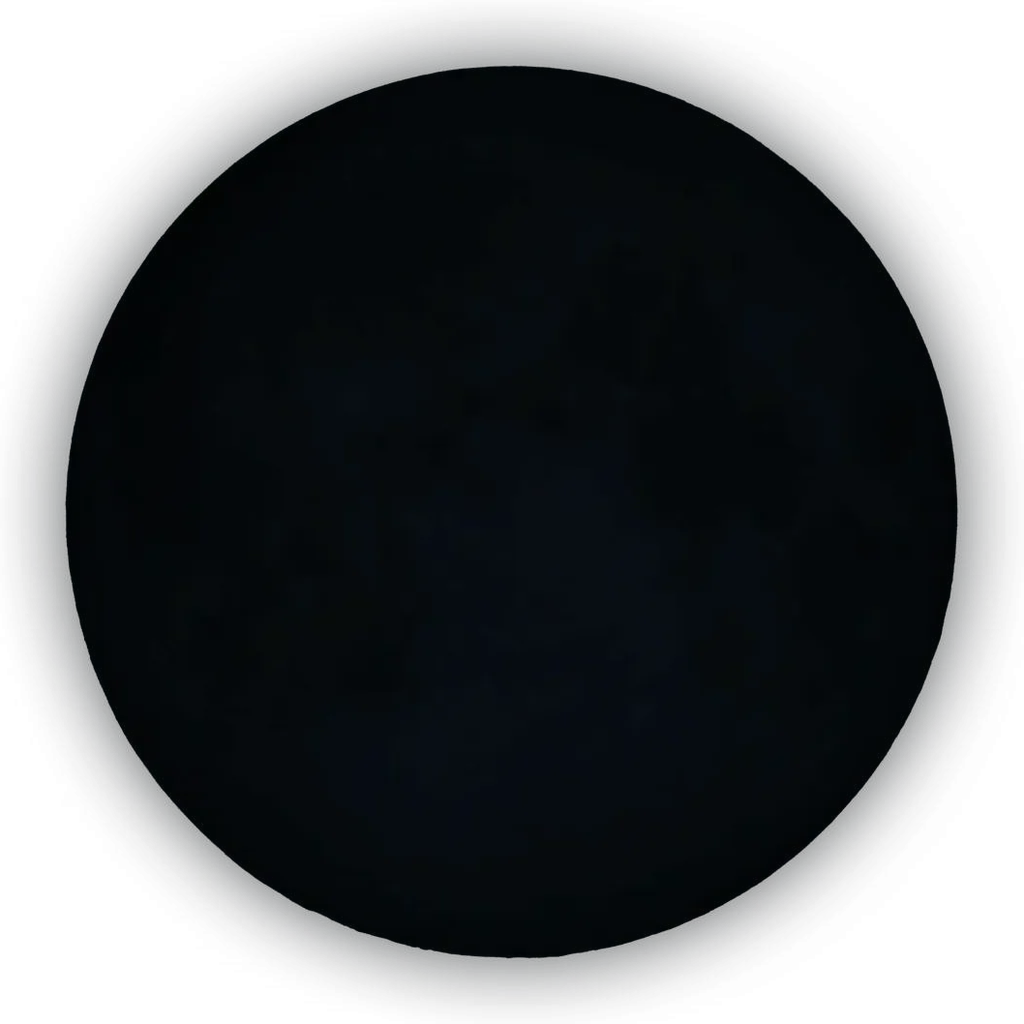
No — and that is the one thing that makes this phase different from all the others. The Moon sits between Earth and the Sun, so the entire half facing us is unlit. There is no crescent, no outline, no color to see: the disk is simply absent from the sky.
It also rises and sets roughly with the Sun, so even the unlit disk is above the horizon only during daylight, lost in the glare. That is why the New Moon is the only phase you can’t photograph.
The exception is a solar eclipse. When the alignment is exact enough for the Moon to cross the Sun’s face, the New Moon becomes visible as a black disk — the only circumstance in which you ever see it.
One point of confusion worth clearing up: many traditions and calendars use “new moon” for the first thin sliver that appears a day or two later. Astronomically that sliver is already the Waxing Crescent — the true New Moon has no visible shape at all.
What does a New Moon mean in astrology?
In astrology, the New Moon is read as a beginning. The Sun and Moon sit in the same sign at this moment — a conjunction — and that merging is the whole of its symbolism: intention and instinct pointing the same way, before anything has taken shape yet.
Astrologers traditionally treat it as the moment to plant rather than harvest: to name what you want rather than to finish or release. The sign the two occupy colors what kind of beginning it is — a New Moon in Aries reads differently from one in Pisces — and the house it falls in within a birth chart points to the area of life where the fresh start belongs.
What happens during a New Moon?
Astronomically, the Moon passes between Earth and the Sun and its lit side turns away from us. Symbolically, the cycle resets: whatever was released at the Full Moon two weeks earlier makes room for something new. It is the darkest night of the month, and in most traditions the quietest one.
The New Moon in each sign
Why solar eclipses only happen at New Moon
A solar eclipse needs the Moon directly between Earth and the Sun — which is the definition of a New Moon. That is why every solar eclipse in history has fallen on one.
It doesn’t work the other way round: most New Moons pass without an eclipse. The Moon’s orbit is tilted about 5° from Earth’s, so it usually passes above or below the Sun rather than across it. Only when a New Moon falls close to one of the two points where the Moon’s path crosses Earth’s orbital plane — which happens in two windows a year, the eclipse seasons — does the alignment line up.
On August 12, 2026, a total solar eclipse crossed Greenland, Iceland and northern Spain — the first seen from mainland Europe since 1999.
What to do during a New Moon
The New Moon is the point in the cycle for naming what you want, not for finishing things. Where the Full Moon is about completion and release, this is about the seed — and seeds are planted in the dark, before there is anything to show for them.
In practice that means writing intentions down rather than holding them in your head, keeping them few enough to remember, and phrasing them as something you’ll start rather than something you’ll stop. Many people re-read what they wrote at the Full Moon two weeks later, when the cycle turns and results start becoming visible.
It is also the quietest part of the month, and worth treating that way: rest, journaling, and time alone tend to fit this phase better than social plans or launches.
A simple New Moon ritual
- fill your body with physical energy
- take a bath, have massage or make love
- write down, draw or use any other way to express your intentions
- think (imagine) that your wish has come true
- feel joy within your body
The darkest skies of the month
The New Moon is the one phase you can’t see — and precisely because of that, it is the best week of the month for seeing everything else. With no moonlight washing out the sky, faint objects come back: the Milky Way, distant galaxies, meteor showers that a Full Moon would erase.
Astronomers and astrophotographers plan around it. If a meteor shower peaks near a New Moon, you’ll see several times more of it than the same shower under a Full Moon. Deep-sky photography is scheduled almost entirely into this window.
What to look for. Get away from town lights if you can, let your eyes adapt for twenty minutes without looking at a phone, and start with whatever is highest in the sky — that’s where you’re looking through the least atmosphere. Everything in the feed below was shot by MoonX users.
Moon Photos from Around the World
See all
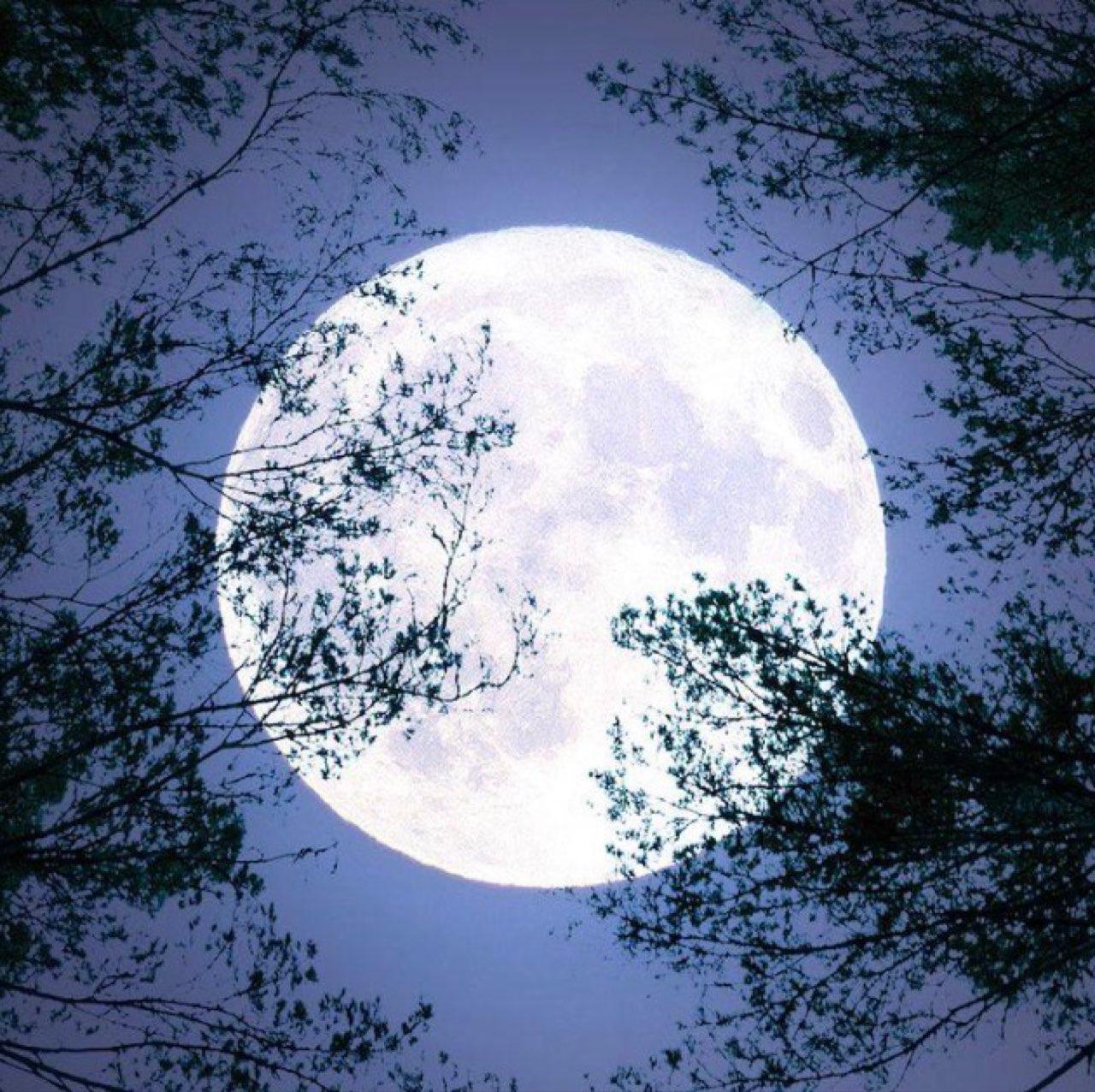
New Moon 2.9%
Lunar Day 28 in Virgo
An old photo, but I just wanted to share with you guys. Enjoy!
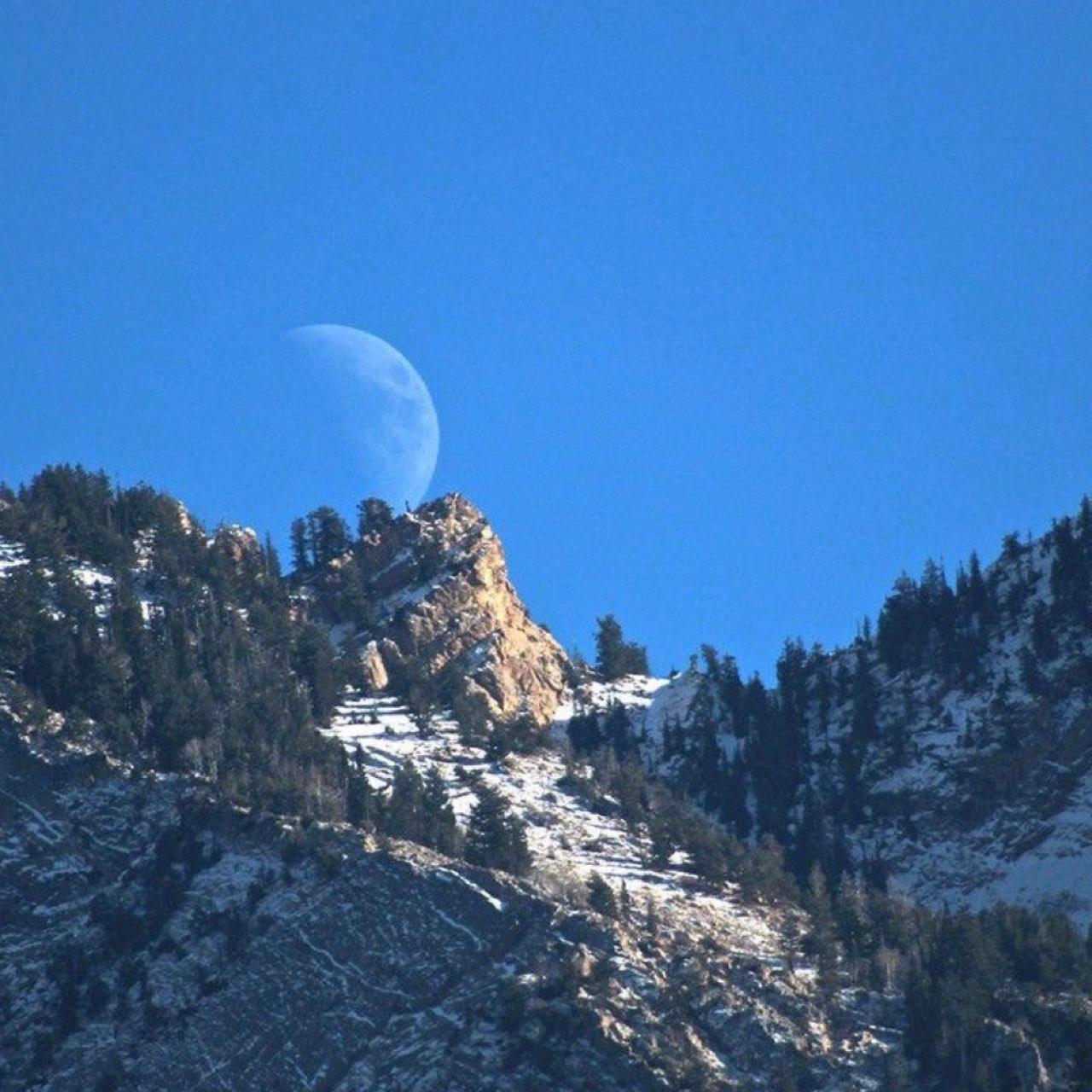
First Quarter 57.4%
Lunar Day 9 in Aquarius

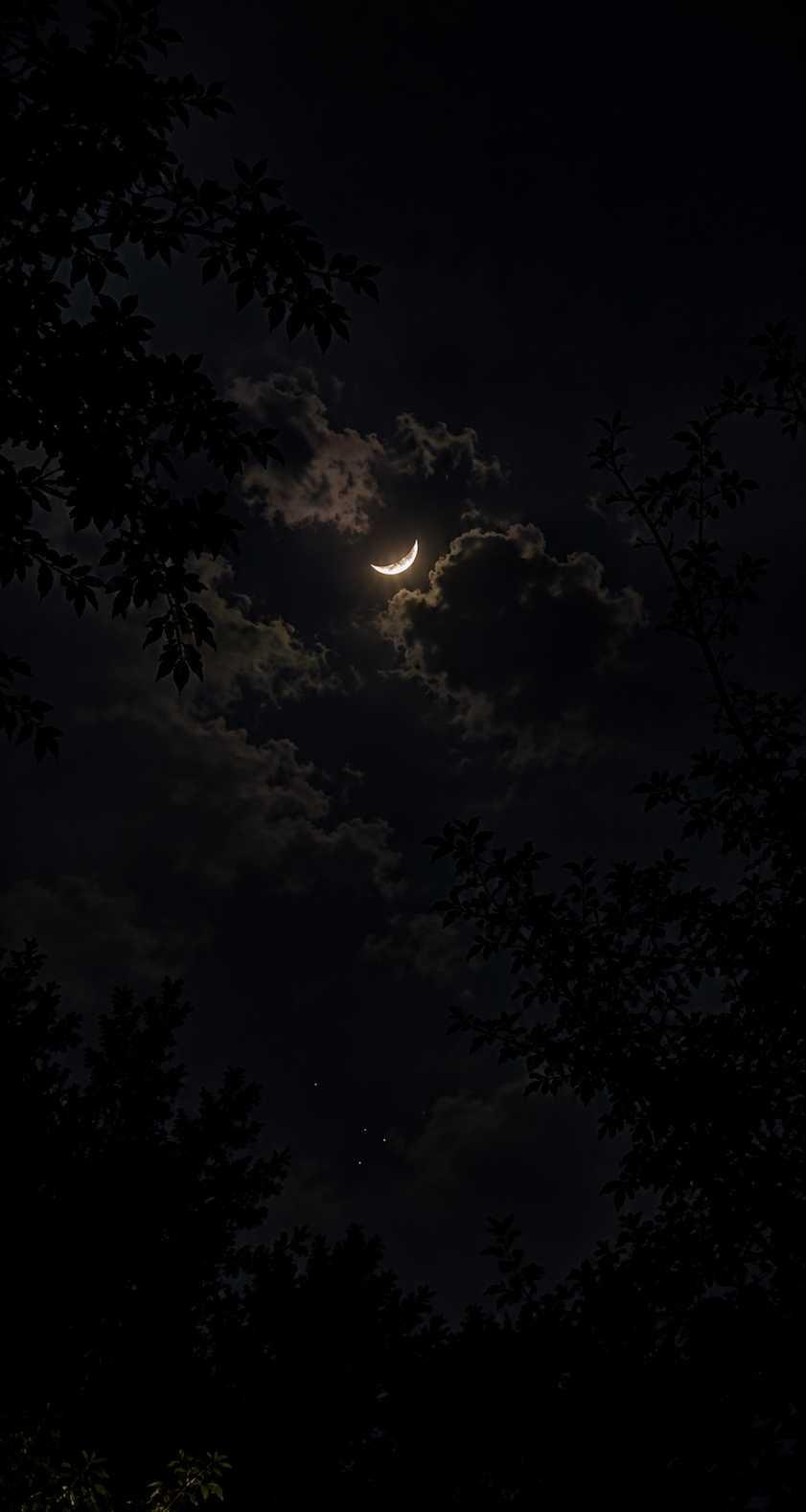
Waxing Crescent 17.8%
Lunar Day 5 in Sagittarius
Teresópolis, Río de Janeiro Brazil

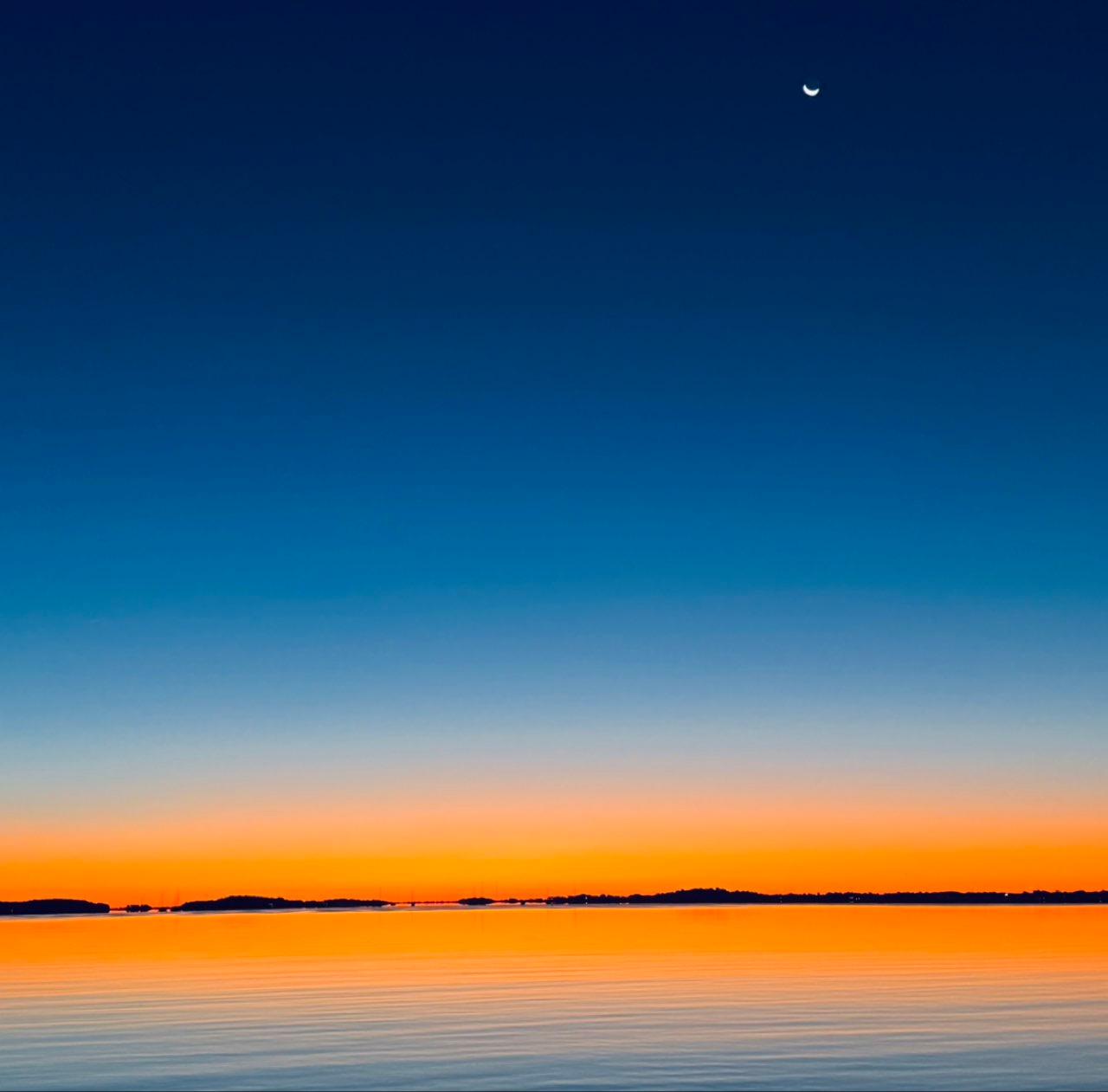
Waning Crescent 11.7%
Lunar Day 27 in Virgo