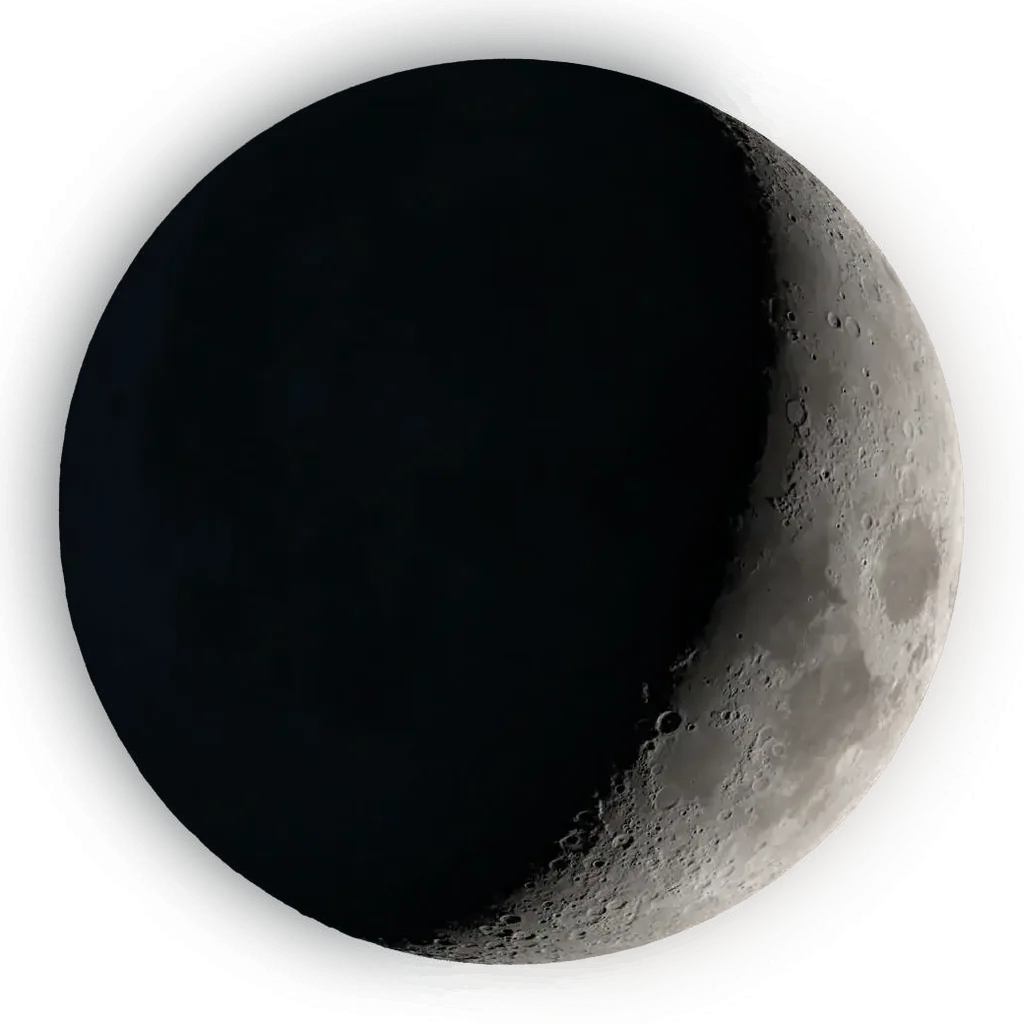
Waxing Crescent Moon
Growth · Development · Courage
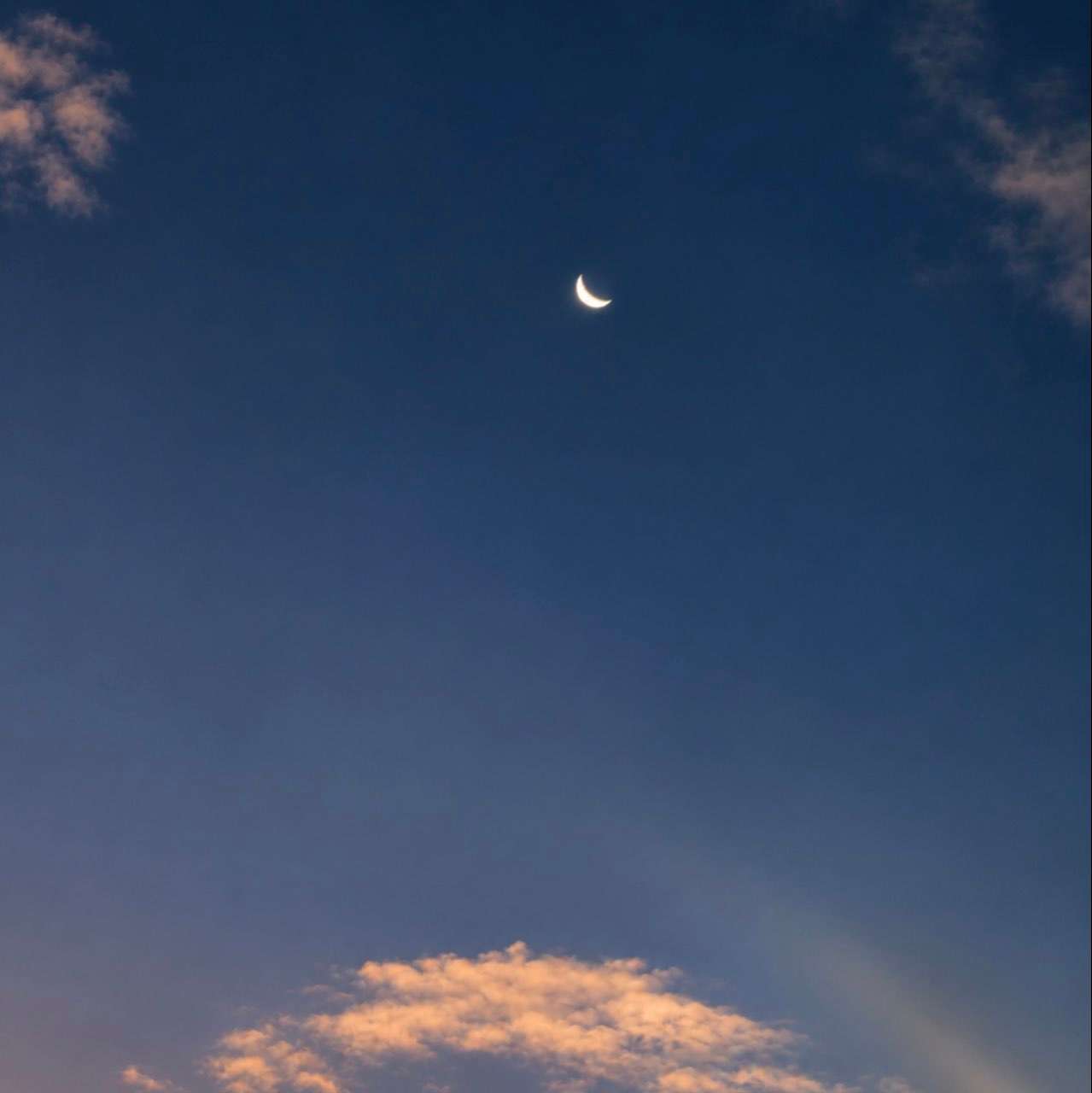
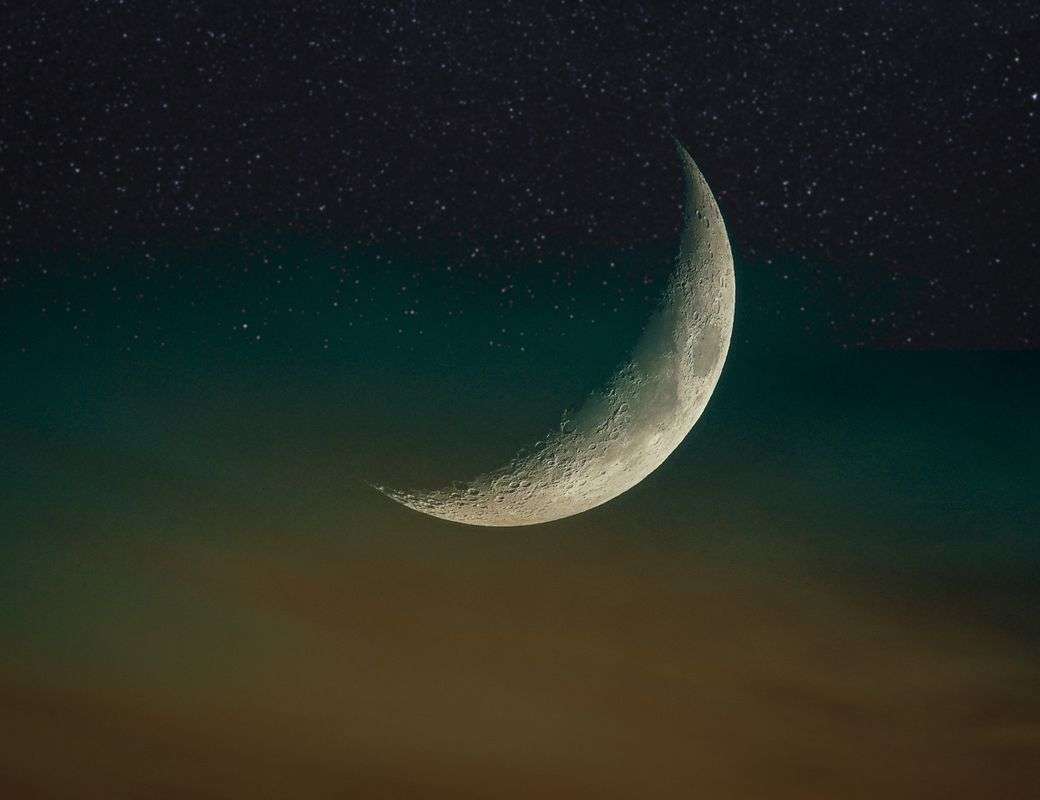
The Waxing Crescent is the first visible phase of the lunar cycle — the thin sliver that appears in the days right after New Moon, growing a little brighter each night as illumination climbs from about 1% toward 50%. In the Northern Hemisphere the lit edge shows on the right side; in the Southern Hemisphere it’s the left. You’ll spot it low in the western sky just after sunset, setting not long after the Sun.
The phase lasts roughly five to six days, from the first evening the sliver becomes visible until First Quarter, when exactly half the disc is lit. In lunar-living traditions the waxing crescent is when intentions set at New Moon take their first practical steps — a time for beginnings, small commitments and gathering momentum.
Where the Waxing Crescent falls in the lunar cycle
The Waxing Crescent is the second of the eight phases and the first one you can actually see. It begins one to two days after the New Moon, once the Moon has moved far enough from the Sun to escape the glare, and ends at First Quarter about six days later, when half the disc is lit.
Everything from here to the Full Moon is the waxing half of the cycle: illumination climbs every night, and the Moon sets progressively later, so the viewing window gets longer as the phase goes on.
When is the next Waxing Crescent?
The current Waxing Crescent ends on ; the next one runs from to .
Waxing Crescent Calendar
| Begins | Ends | Moon in sign |
|---|---|---|
Passed | LibraScorpioSagittariusCapricorn | |
| ScorpioSagittariusCapricornAquarius | ||
| SagittariusCapricornAquariusPisces | ||
| CapricornAquariusPiscesAries | ||
| AquariusPiscesAriesTaurus | ||
| PiscesAriesTaurusGemini | ||
| AriesTaurusGeminiCancer | ||
| TaurusGeminiCancerLeo | ||
| GeminiCancerLeoVirgo | ||
| CancerLeoVirgoLibra | ||
| LeoVirgoLibraScorpio | ||
| VirgoLibraScorpioSagittarius |
Waxing Crescent vs Waning Crescent: how to tell them apart
They look almost identical — a thin sliver of light — but they sit at opposite ends of the cycle and appear at opposite ends of the day.
| Waxing Crescent | Waning Crescent | |
|---|---|---|
| Just after New Moon, until First Quarter | After Last Quarter, until the next New Moon | |
| Growing, 0 → 50% | Shrinking, 50% → 0 | |
| Right | Left | |
| Evening, western sky after sunset | Early morning, eastern sky before sunrise | |
| First Quarter, then Full Moon | New Moon |
The quickest test. In the Northern Hemisphere, a waxing crescent curves like the back of a D and a waning one like a C — the old “DOC” mnemonic runs D for waxing, O for full, C for waning. South of the equator it is reversed, so a Southern Hemisphere observer sees a C when the Moon is waxing.
The simplest test of all is the time of day. If you’re seeing a crescent in the evening, it’s waxing. If you’re seeing one before dawn, it’s waning. This works in either hemisphere and needs nothing but a clock.
Waxing Crescent or just “waxing moon”?
“Waxing” simply means growing, so a waxing moon is any phase between the New Moon and the Full Moon — the crescent, the First Quarter and the gibbous all count. The Waxing Crescent is the first and thinnest of those three.
If the Moon you’re looking at is a sliver, it’s a waxing crescent. If it’s a clean half, that’s First Quarter. If it’s more than half but not yet round, that’s Waxing Gibbous.
How long does a Waxing Crescent last?
About five to six days. It begins the first evening the sliver becomes visible — usually one to two days after the New Moon, once the Moon has moved far enough from the Sun to escape the glare — and ends at First Quarter, when exactly half the disc is lit.
The exact length shifts by up to most of a day from month to month, because the Moon’s orbit is an ellipse and it moves faster when it is closer to Earth.
How to see the Waxing Crescent tonight
Look west, shortly after sunset. The crescent sits close to the Sun in the sky, so it follows it down and sets within a few hours — an hour or two in the first evenings, longer as the crescent grows.
Earthshine. While the crescent is still thin, the unlit part of the disc often glows faintly gray. That is sunlight reflected off Earth’s clouds and oceans onto the Moon, then back to you — sometimes called “the old Moon in the new Moon’s arms.” It is easiest to see in the first three or four evenings after New Moon and fades as the crescent grows.
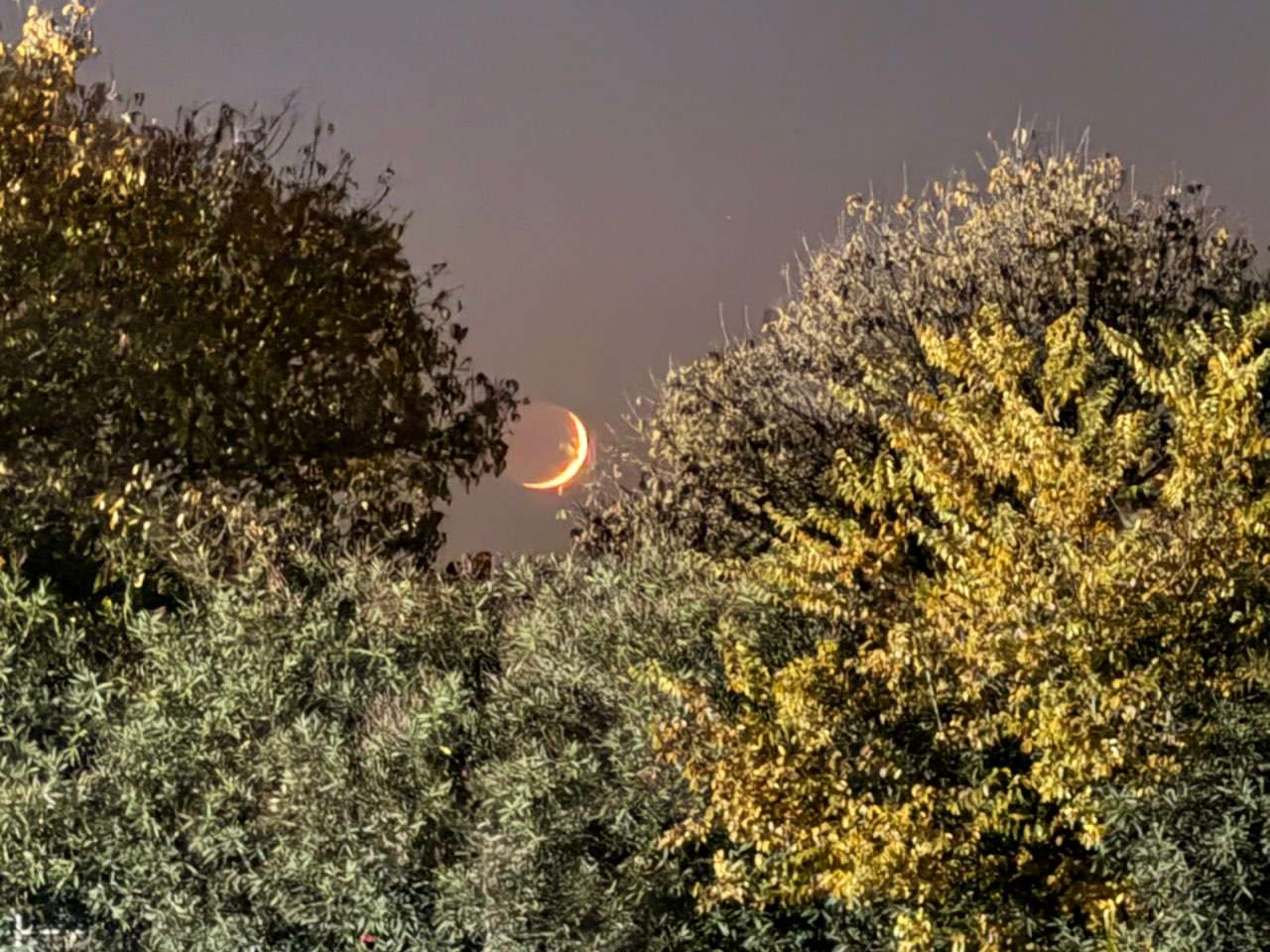
Why it sometimes looks orange. Because a thin crescent sits low on the horizon after sunset, you are looking at it through a much thicker slice of atmosphere than when the Moon is overhead. Blue light scatters away and what reaches you skews orange or red — the same reason sunsets do.
Photographing it. Unlike the Full Moon, the crescent has a terminator — the line between light and dark — and that is where craters cast long shadows and detail is sharpest. A thin crescent gives a far more three-dimensional image than a full disc ever will.
What does a Waxing Crescent mean in astrology?
In astrology, the Waxing Crescent is read as the first move. The intention named at the New Moon is no longer just an idea — it has taken a small, visible step, and the phase is associated with commitment, courage and early momentum rather than with planning.
Astrologers traditionally treat it as the point where resistance shows up: the first obstacle, the first doubt, the first practical cost of the thing you decided to do. The sign the Moon occupies colors what that first step looks like, and the house it falls in points to the area of life where it is being taken.
What to do during a Waxing Crescent
This is the phase for the first move, not the plan. Whatever you named at the New Moon, the waxing crescent is where it either gets a concrete step or quietly doesn’t — a first email, a first session, a first payment.
Keep the step small enough that it actually happens. The point of this phase is momentum, not scale: something that takes twenty minutes and can be repeated tomorrow beats something ambitious you’ll postpone to the Full Moon.
It is also where the first resistance usually appears. That is expected rather than a sign you chose wrong — the crescent is thin, and so is the evidence at this stage.
A simple Waxing Crescent ritual
- keep internal courage
- be open to the new
- believe in your dream
- make a wishlist
- fill your dreams with the power of intention
Moon Photos from Around the World
See all
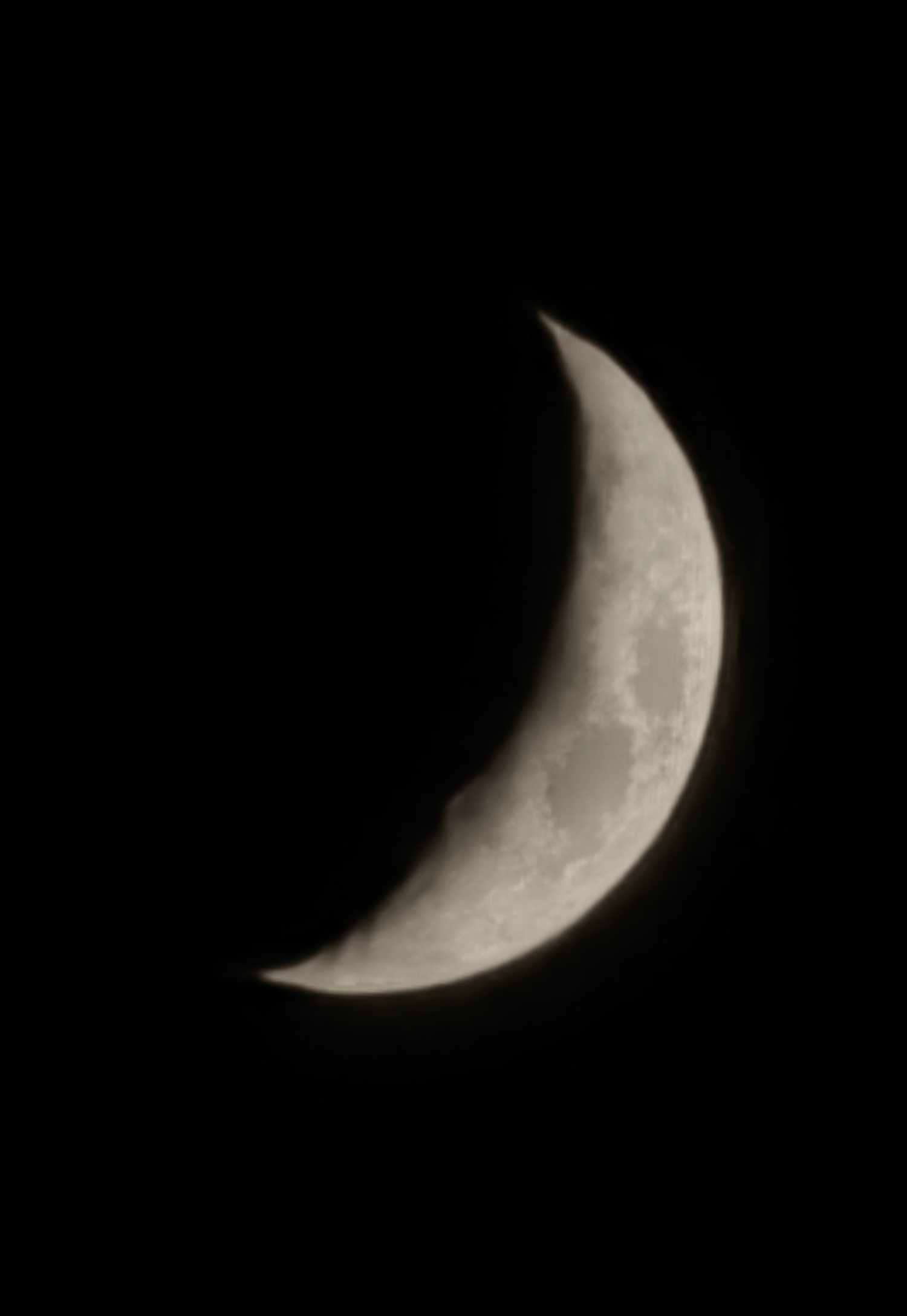
Waxing Crescent 25.3%
Lunar Day 6 in Capricorn

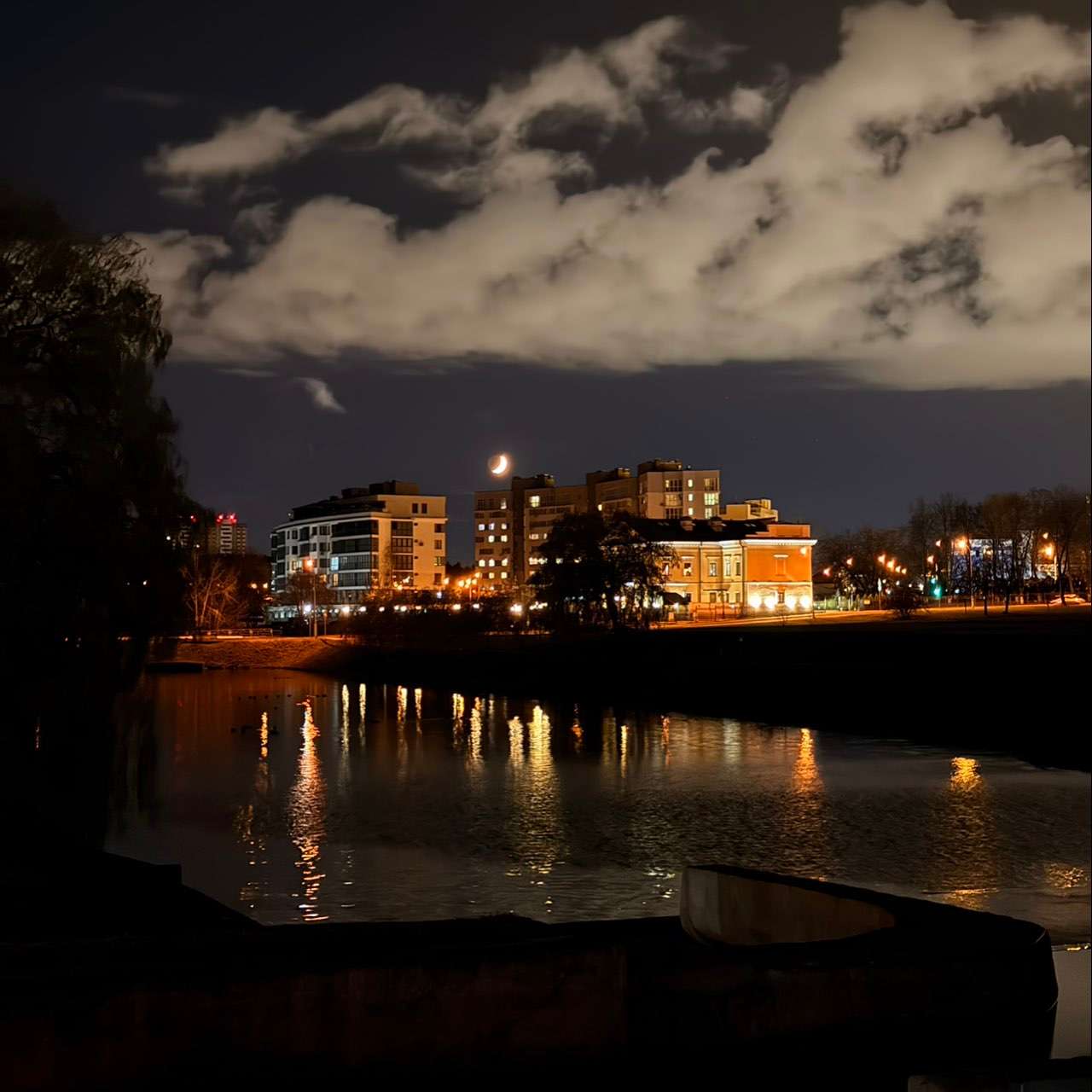
Waxing Crescent 25.2%
Lunar Day 6 in Capricorn

Waxing Crescent 25%
Lunar Day 6 in Capricorn
scusate se è un po' sfocata
Waxing Crescent 25.3%
Lunar Day 6 in Capricorn
Waxing Crescent 25.2%
Lunar Day 6 in Capricorn
Waxing Crescent 25%
Lunar Day 6 in Capricorn
scusate se è un po' sfocata



Read more about the Waxing Crescent
The Tilt of the Moon’s Crescent
How to “read” the sky and feel the rhythms of nature
Moon Guide
The Moon’s Renewal | Chandra’s Blessing Under the New Moon
A sacred Hindu myth of the lunar god Chandra, his curse and his redemption by Shiva — and a practical ritual, meditation and journaling for your New Moon cycle.