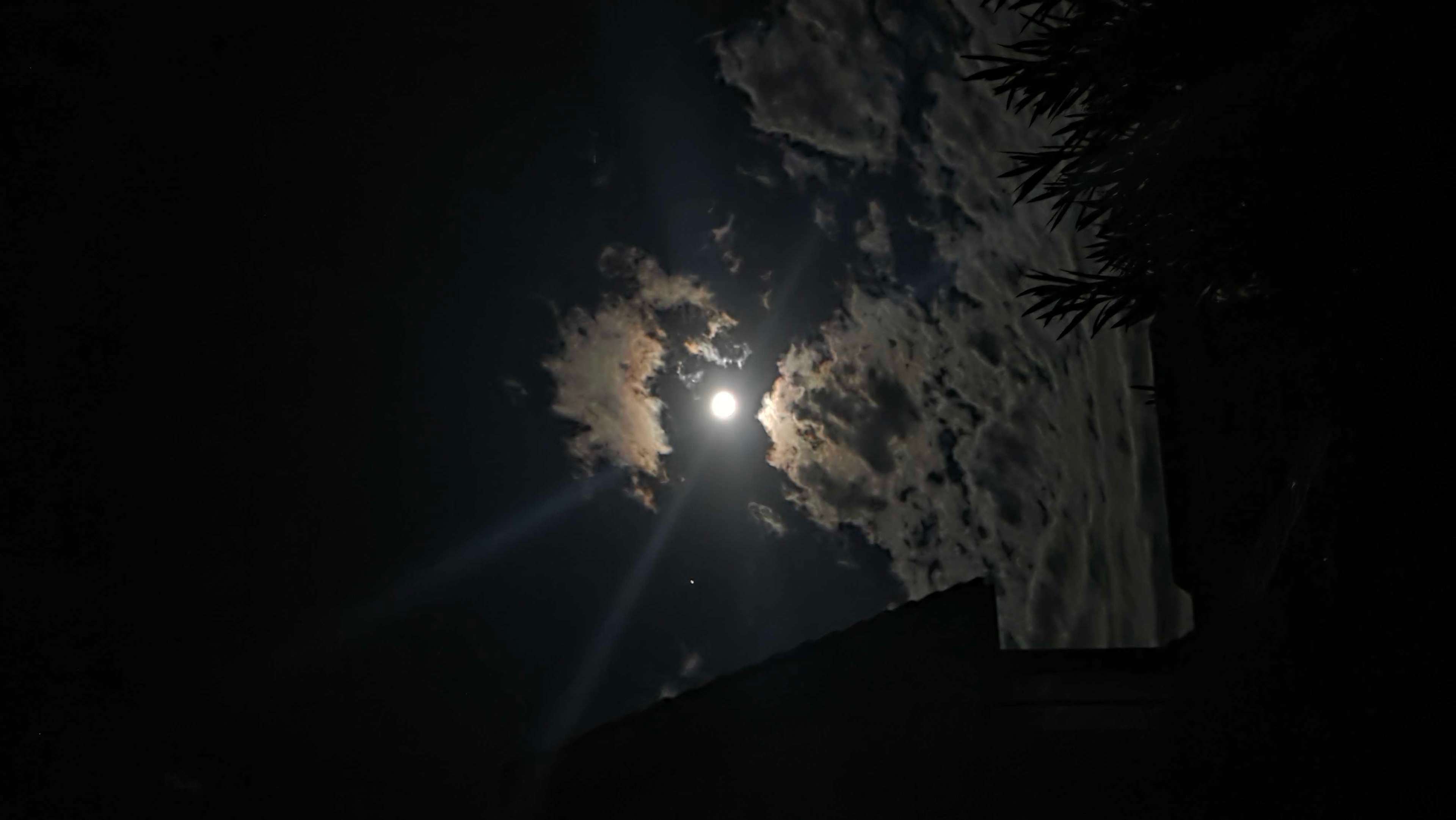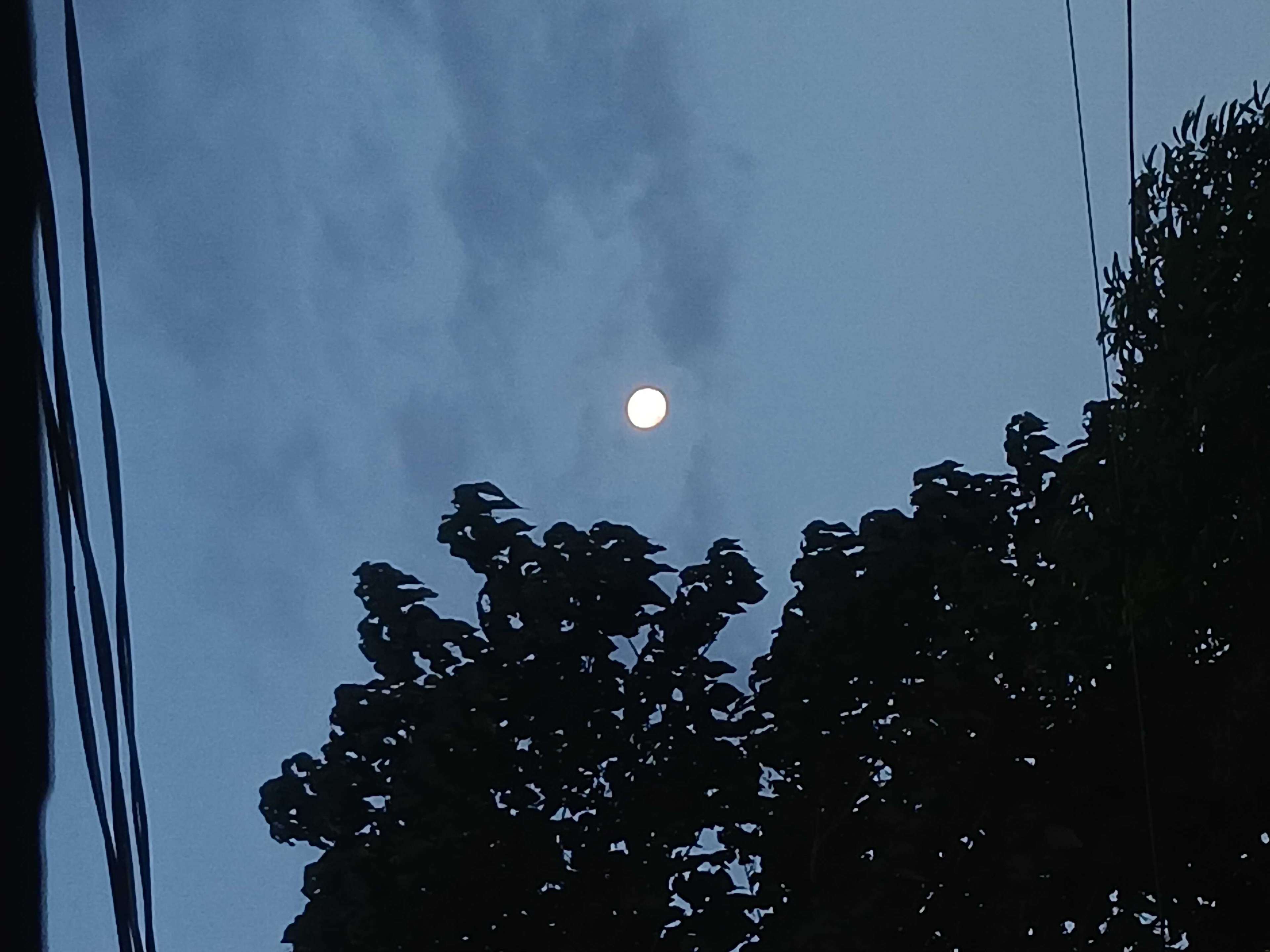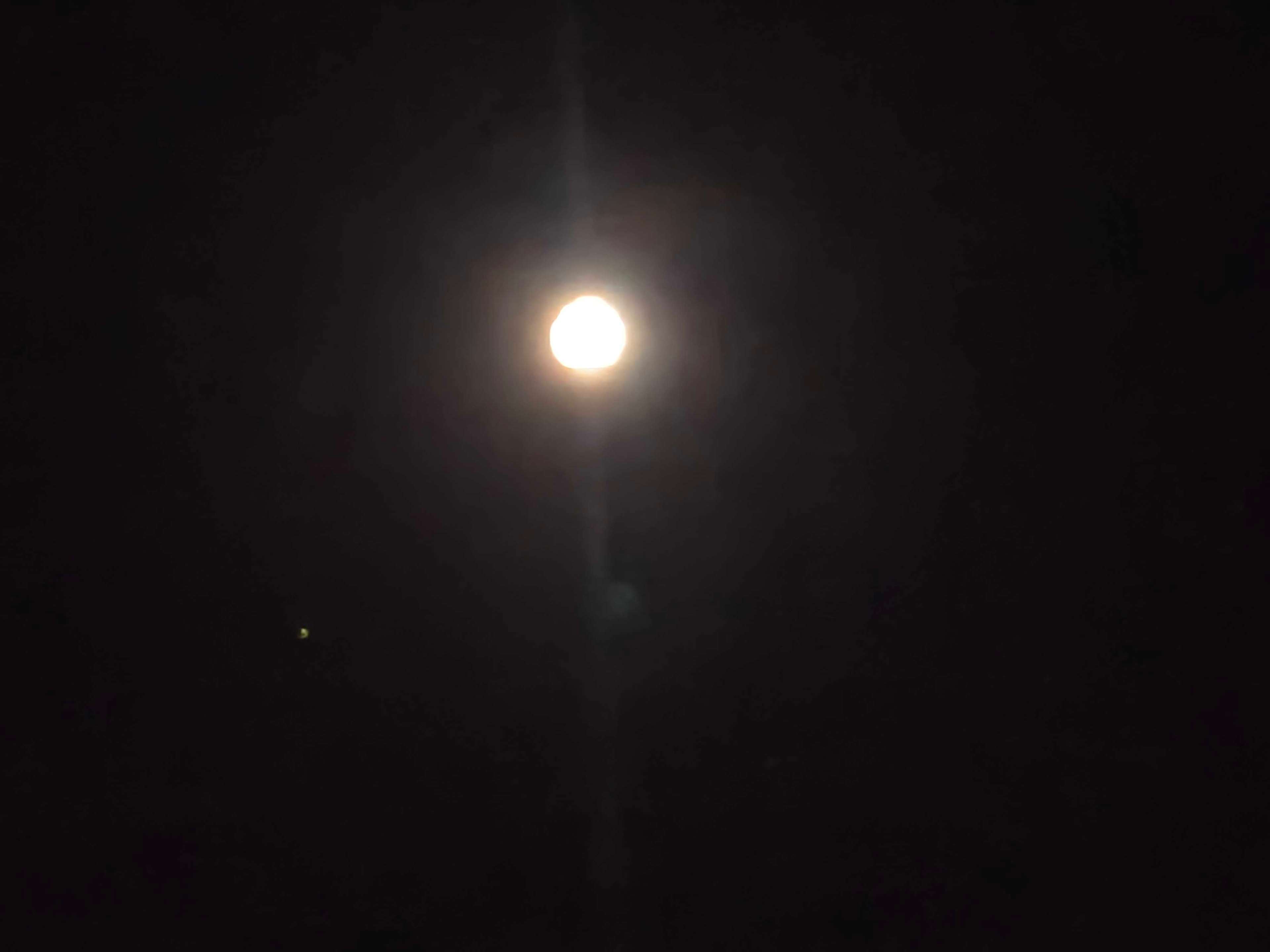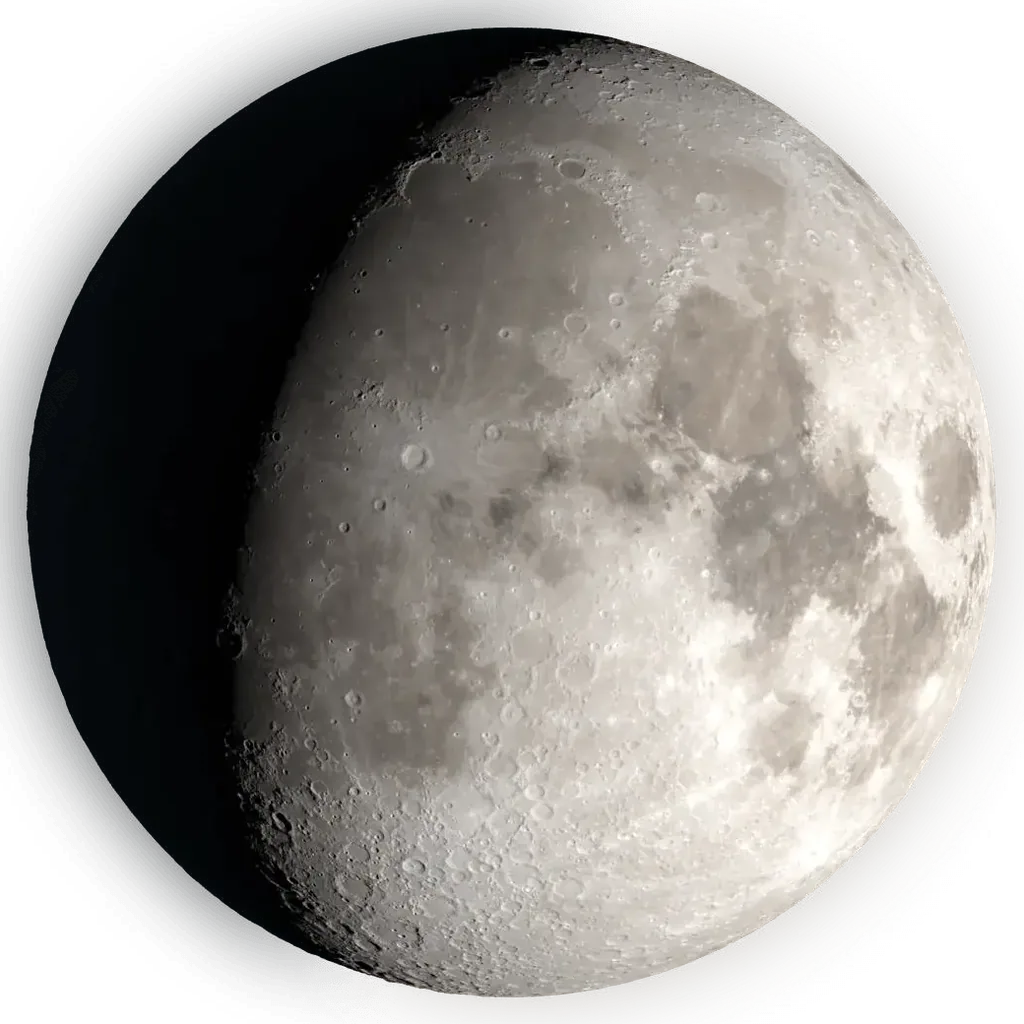
Waxing Gibbous Moon
Details · Focus · Sustainability
The Waxing Gibbous phase covers the roughly seven days between First Quarter and Full Moon, when the visible lunar disc is more than half-lit and growing fuller each night, bulging past the flat half-moon shape into a rounder one. In the Northern Hemisphere the lit portion is on the right side, the same side as First Quarter, since this phase is a continuation of the same waxing arc; in the Southern Hemisphere, it’s the left.
Because it rises later than First Quarter but still well before midnight, the Waxing Gibbous is easily visible in the evening sky, often the brightest object in the night sky for most of the night. It’s the last waxing phase before the cycle peaks — once illumination hits 100%, the Moon is officially full, and the direction reverses into Waning Gibbous. The word “gibbous” comes from the Latin for hump-backed and describes this swollen, more-than-half shape regardless of direction, which is why it needs the waxing or waning qualifier to be specific.
Where the Waxing Gibbous falls in the lunar cycle
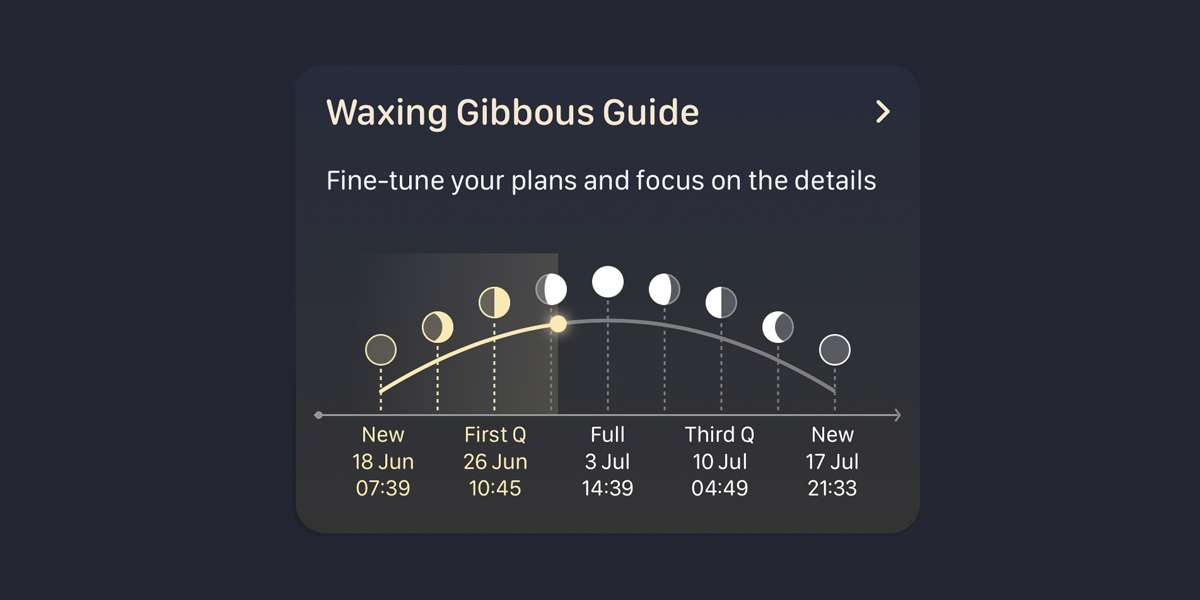
The Waxing Gibbous is the fourth of the eight phases and the last one before the cycle peaks. It follows First Quarter and ends at the Full Moon, after which the same shape returns as the Waning Gibbous and the whole thing runs in reverse.
It rises later each afternoon and stays up most of the night, which makes it the easiest phase to catch without planning — for most of this week the Moon is simply there in the evening sky, brighter than anything except the Sun.
What is a Waxing Gibbous Moon?
A Waxing Gibbous Moon is more than half lit and still growing. It sits between First Quarter, when exactly half the disc is illuminated, and the Full Moon, when all of it is — so illumination runs from 50% up to 100% over roughly seven days.
“Gibbous” comes from the Latin for hump-backed and describes the shape: fuller than a half, not yet a circle. Because the same shape occurs on the way down as well, the word needs a qualifier — waxing means growing, waning means shrinking.
In the Northern Hemisphere the lit portion is on the right, the same side as at First Quarter, since this is a continuation of the same waxing arc. South of the equator it is the left.
When is the next Waxing Gibbous?
The next Waxing Gibbous runs from to .
Waxing Gibbous Calendar
| Begins | Ends | Moon in sign |
|---|---|---|
Passed | CapricornAquariusPiscesAriesTaurus | |
| AquariusPiscesAriesTaurusGemini | ||
| PiscesAriesTaurusGeminiCancer | ||
| AriesTaurusGeminiCancerLeo | ||
| TaurusGeminiCancerLeoVirgo | ||
| GeminiCancerLeoVirgoLibra | ||
| CancerLeoVirgoLibraScorpio | ||
| LeoVirgoLibraScorpio | ||
| VirgoLibraScorpioSagittarius | ||
| LibraScorpioSagittariusCapricorn | ||
| ScorpioSagittariusCapricornAquarius | ||
| SagittariusCapricornAquariusPisces |
Waxing Gibbous vs Waning Gibbous
Both look the same — a fat, more-than-half Moon — but they sit on opposite sides of the Full Moon and appear at opposite ends of the night.
| Waxing Gibbous | Waning Gibbous | |
|---|---|---|
| After First Quarter, until the Full Moon | After the Full Moon, until Last Quarter | |
| Growing, 50% → 100% | Shrinking, 100% → 50% | |
| Right | Left | |
| Evening, rises in the afternoon | Late night and morning, rises after sunset | |
| Full Moon | Last Quarter, then New Moon |
The quickest test is the time of day. If a fat Moon is already up in the evening, it’s waxing. If you notice it late at night or still hanging there after sunrise, it’s waning.
One more source of confusion: a waxing half moon is not this phase — that’s First Quarter, when exactly half the disc is lit. The gibbous begins the moment the Moon grows past that. The shape after the peak is the Waning Gibbous.
How long does a Waxing Gibbous last?
About seven days — a quarter of the 29.5-day lunar cycle. It begins the moment the Moon passes First Quarter and ends when illumination reaches 100% at the Full Moon.
The exact length shifts by up to most of a day from month to month, because the Moon’s orbit is an ellipse and it moves faster when closer to Earth.
What does a Waxing Gibbous mean in astrology?
In astrology, the Waxing Gibbous is read as the phase of refinement. What was started at the New Moon and committed to at First Quarter is now visibly taking shape — close enough to completion that the work shifts from building to adjusting.
Astrologers traditionally treat it as a time for editing rather than deciding: checking the details, fixing what’s off, preparing for the result rather than chasing it. The sign the Moon occupies colors what kind of refinement is called for, and the house it falls in points to the area of life being polished.
What to do during a Waxing Gibbous
This is the editing phase, not the starting one. Whatever you set in motion at the New Moon is now close enough to done that the useful work is adjustment: checking what’s off, tightening what’s loose, preparing for the result rather than pushing harder toward it.
In practice that means reviewing before finishing — re-reading the draft, testing the thing, going back over the parts you rushed. It is also the natural point to tell people: this phase suits sharing progress and asking for input, while there is still time to act on it.
Impatience is the usual difficulty here. The result is visible but not yet in hand, and the temptation is to force it. The Full Moon is a week or less away; this week is for making sure it lands well.
A simple Waxing Gibbous ritual
- harmonize your inner rhythms with outer activity
- keep up with good habits
- steadily move towards your dream
- notice lucky opportunities