Supermoon
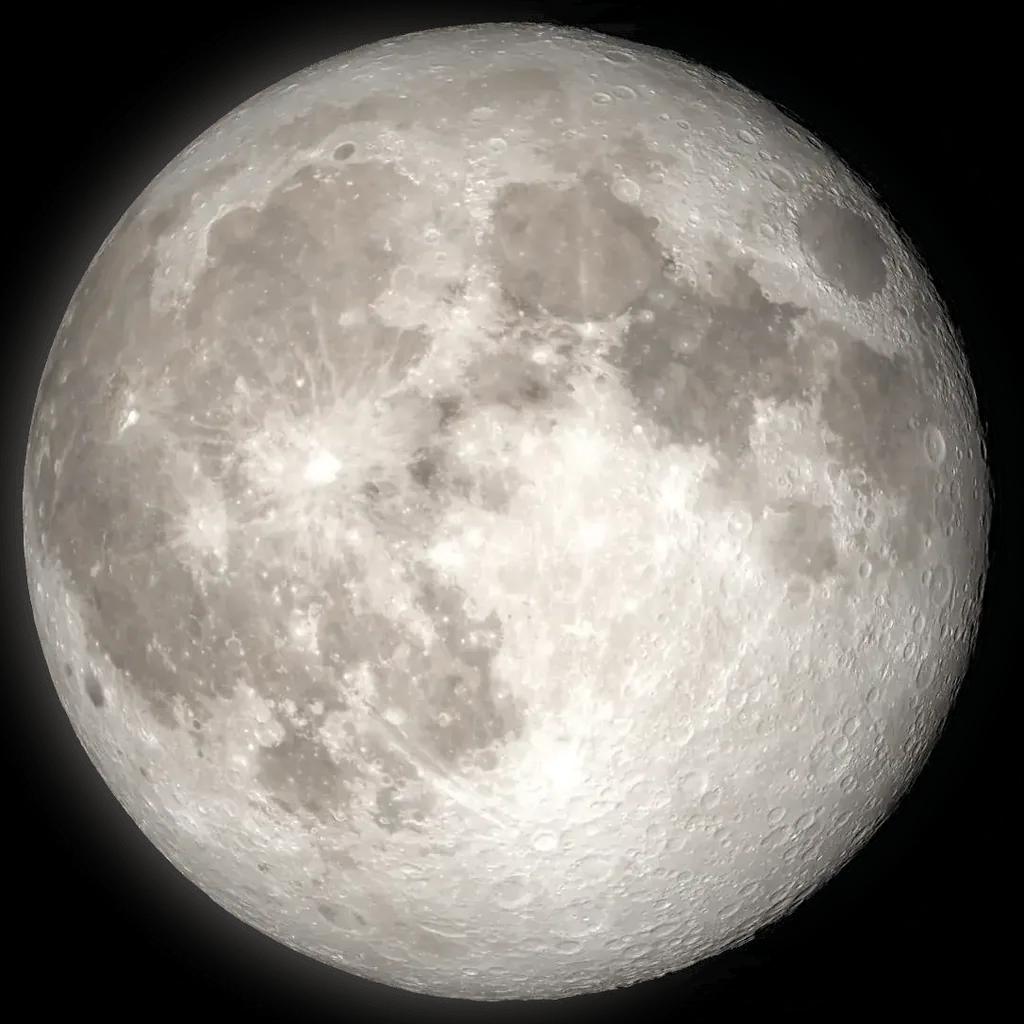
A Supermoon happens when a Full (or New) Moon coincides with perigee — the closest point in the moon's slightly elliptical orbit around Earth, about 363,300 km away versus roughly 405,500 km at apogee. That distance difference is enough to make a Supermoon look up to about 14% larger and 30% brighter than a Full Moon at its farthest point, though the difference is subtle enough that most people won't spot it without a side-by-side comparison — the "huge Moon on the horizon" effect people photograph is actually a well-documented optical illusion (the Moon Illusion) that happens at any Full Moon near the horizon.
Supermoons happen a few times a year, whenever a full or new moon coincides with perigee — the Moon’s closest approach to Earth. Exact dates depend on the Moon’s orbital distance; see the moon calendar for upcoming full and new moons.