Waning Gibbous Moon
Release · Letting go · Acceptance
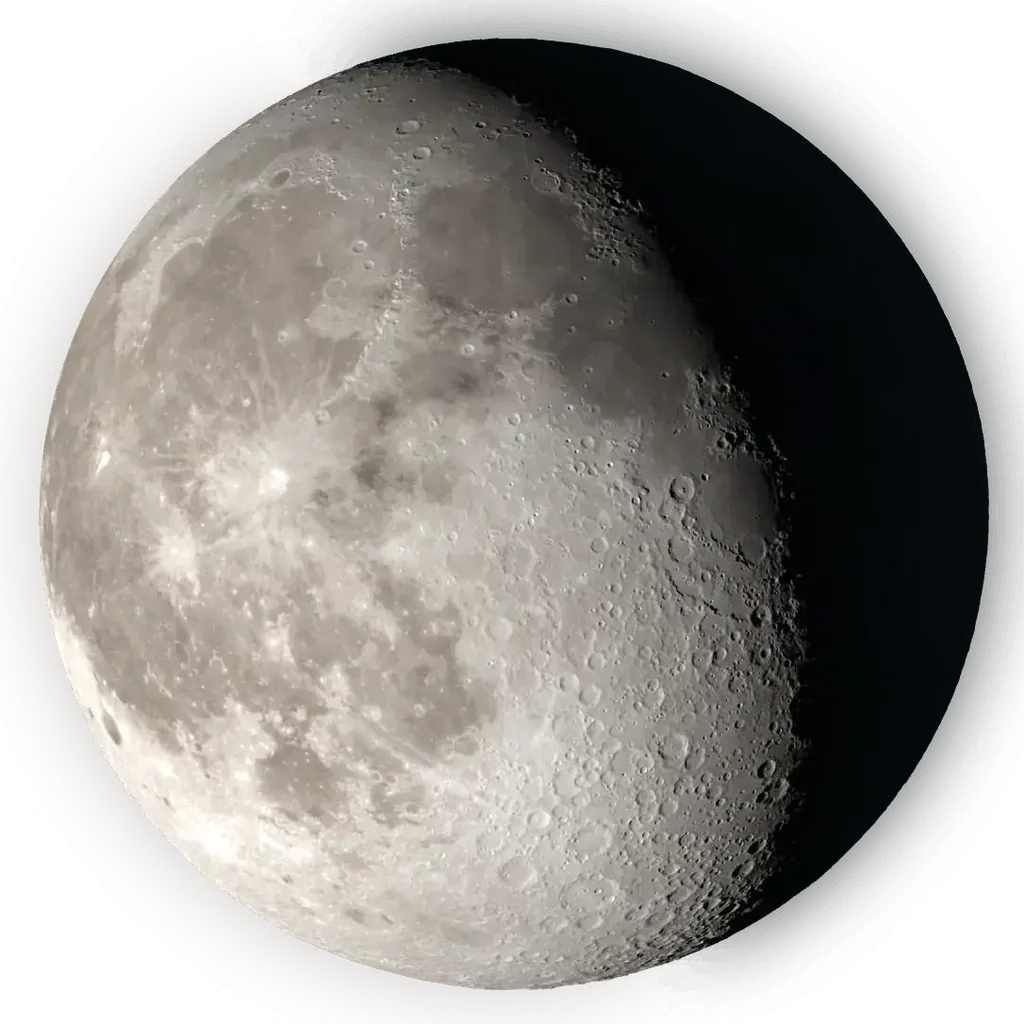
The Waning Gibbous phase covers the roughly seven days right after Full Moon, when illumination is still above 50% but decreasing each night as the Moon heads toward Last Quarter. In the Northern Hemisphere, the fading light sits on the left side of the disc — the mirror image of Waxing Gibbous, which is lit on the right — a useful visual shortcut for telling the two apart without checking a calendar.
Because it’s only recently past full, the Waning Gibbous rises later in the evening than the Full Moon did and is still visible well into the night, though it now shares more of the sky with true darkness as its rise time shifts progressively later each night. This is the first stage of the waning half of the cycle, the mirror phase to Waxing Gibbous on the growth side — both are “more than half, less than full,” just moving in opposite directions. From here, illumination continues dropping through Last Quarter and Waning Crescent to the New Moon roughly eleven days later.
Where the Waning Gibbous falls in the lunar cycle
The Waning Gibbous is the sixth of the eight phases and the first one after the cycle peaks. It follows the Full Moon and ends at Last Quarter, when exactly half the disc is lit and the decline is halfway done.
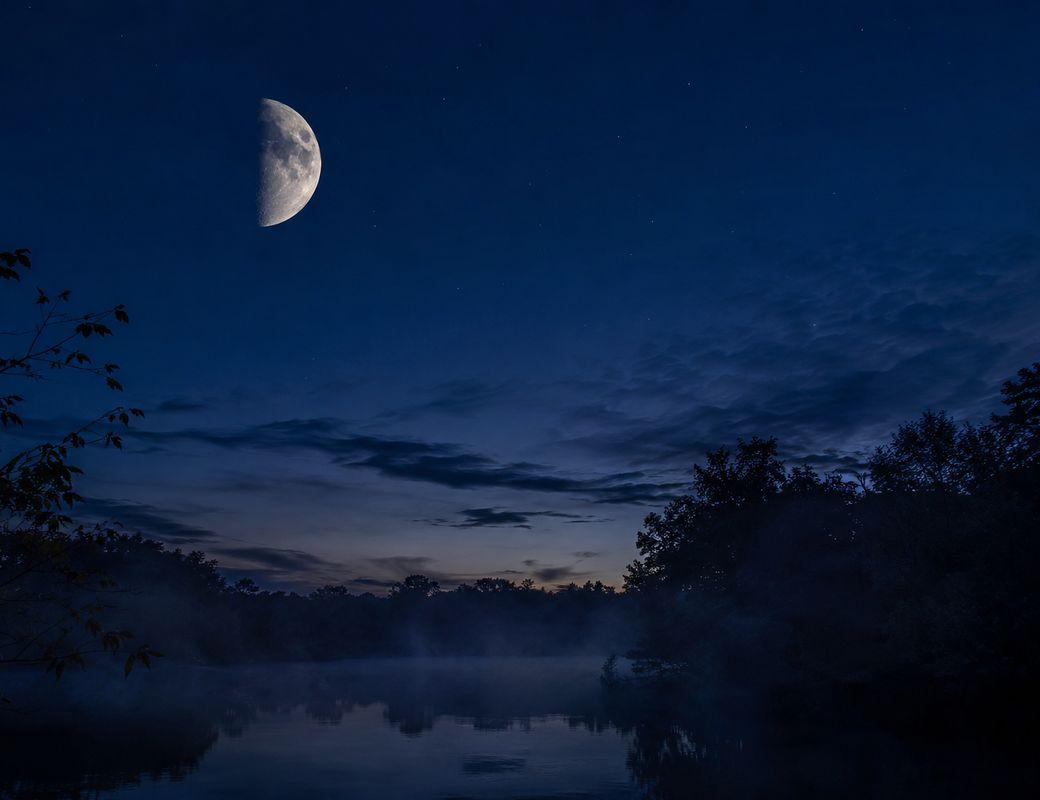
It rises later each night and is often still up after sunrise, which makes it the phase people notice by accident — a pale, more-than-half Moon hanging in a blue morning sky.
What is a Waning Gibbous Moon?
A Waning Gibbous Moon is more than half lit and shrinking. It sits between the Full Moon, when the whole disc is illuminated, and Last Quarter, when exactly half is — so illumination falls from 100% down to 50% over roughly seven days.
“Gibbous” — pronounced JIB-us, with a soft g — comes from the Latin for hump-backed and describes the shape: fuller than a half, not yet a circle. The same shape appears on the way up as well, which is why the word needs a qualifier: waxing means growing, waning means shrinking.
In the Northern Hemisphere the lit portion is on the left, the mirror of Waxing Gibbous. South of the equator it is the right. In Spanish the phase is called gibosa menguante.
When is the next Waning Gibbous?
The current Waning Gibbous ends on ; the next one runs from to .
Waning Gibbous Calendar
| Begins | Ends | Moon in sign |
|---|---|---|
Passed | AriesTaurusGeminiCancer | |
| TaurusGeminiCancerLeo | ||
| GeminiCancerLeoVirgo | ||
| CancerLeoVirgoLibra | ||
| LeoVirgoLibraScorpio | ||
| VirgoLibraScorpioSagittarius | ||
| LibraScorpioSagittariusCapricorn | ||
| ScorpioSagittariusCapricornAquarius | ||
| ScorpioSagittariusCapricornAquariusPisces | ||
| SagittariusCapricornAquariusPiscesAries | ||
| CapricornAquariusPiscesAriesTaurus | ||
| AquariusPiscesAriesTaurusGemini |
Waning Gibbous vs Waxing Gibbous
Both are the same shape — fatter than a half, not yet full — but they sit on opposite sides of the Full Moon and appear at opposite ends of the night.
| Waning Gibbous | Waxing Gibbous | |
|---|---|---|
| After the Full Moon, until Last Quarter | After First Quarter, until the Full Moon | |
| Shrinking, 100% → 50% | Growing, 50% → 100% | |
| Left | Right | |
| Late night and morning | Evening | |
| Last Quarter, then New Moon | Full Moon |
The quickest test is the time of day. If a fat Moon is already up in the evening, it’s waxing. If you notice it late at night, or still hanging there after sunrise, it’s waning.
Also called the Disseminating Moon
In astrological practice the same phase is often called the Disseminating Moon — from the Latin for scattering seed. Where the astronomical name describes the shape, the astrological one describes the function: the Full Moon brought something to light, and this is when it gets shared, taught, passed on.
Both names refer to exactly the same days of the cycle. We keep them apart because people arrive looking for one or the other — the Disseminating Moon page goes deeper into the astrological reading.
What does a Waning Gibbous mean in astrology?
In astrology, the Waning Gibbous is read as the phase of sharing. The peak has passed, the result is visible, and the work shifts from achieving to distributing: telling people what happened, teaching what you learned, giving away what you no longer need to hold.
Astrologers traditionally treat it as the least private phase of the cycle — the point where an experience stops being yours alone. The sign the Moon occupies colors what kind of sharing is called for, and the house it falls in points to the area of life it belongs to.
What to do during a Waning Gibbous
This is the sharing phase. Whatever came to a head at the Full Moon is now visible enough to talk about — and this is the part of the cycle that suits telling people: writing it up, teaching it, passing on what worked.
It is also the natural point to start letting go. Not dramatically, but practically: the things you were holding for the sake of the peak are no longer needed, and the next two weeks are downhill.
A note on manifestation: this half of the cycle is traditionally read as the wrong time to start something new. If you want to set an intention, the New Moon is one to two weeks away.
A simple Waning Gibbous ritual
- accept the current situation
- relax and have some rest
- allow yourself a well-deserved rest
- pass your wisdom to the people around
Moon Photos from Around the World
See all
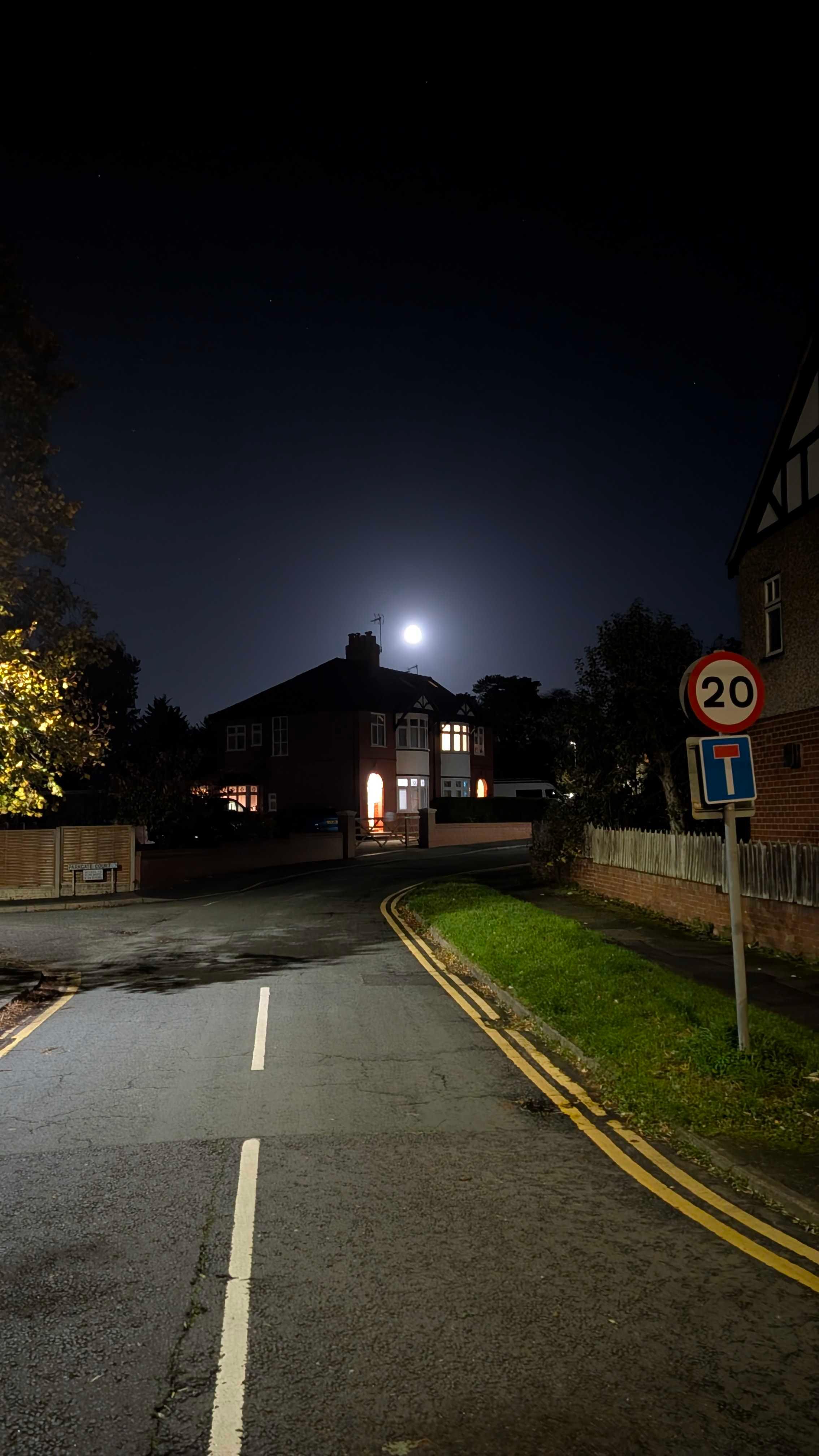

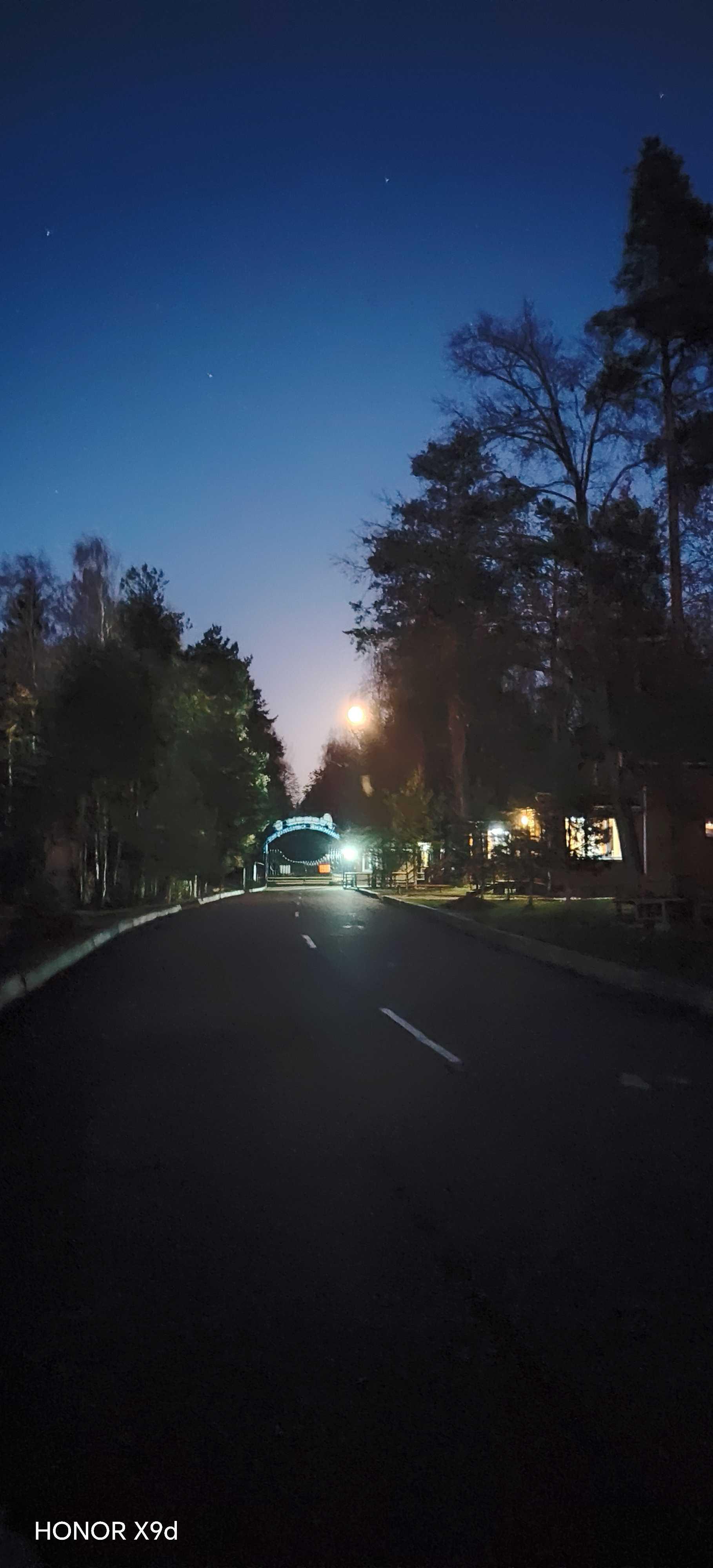
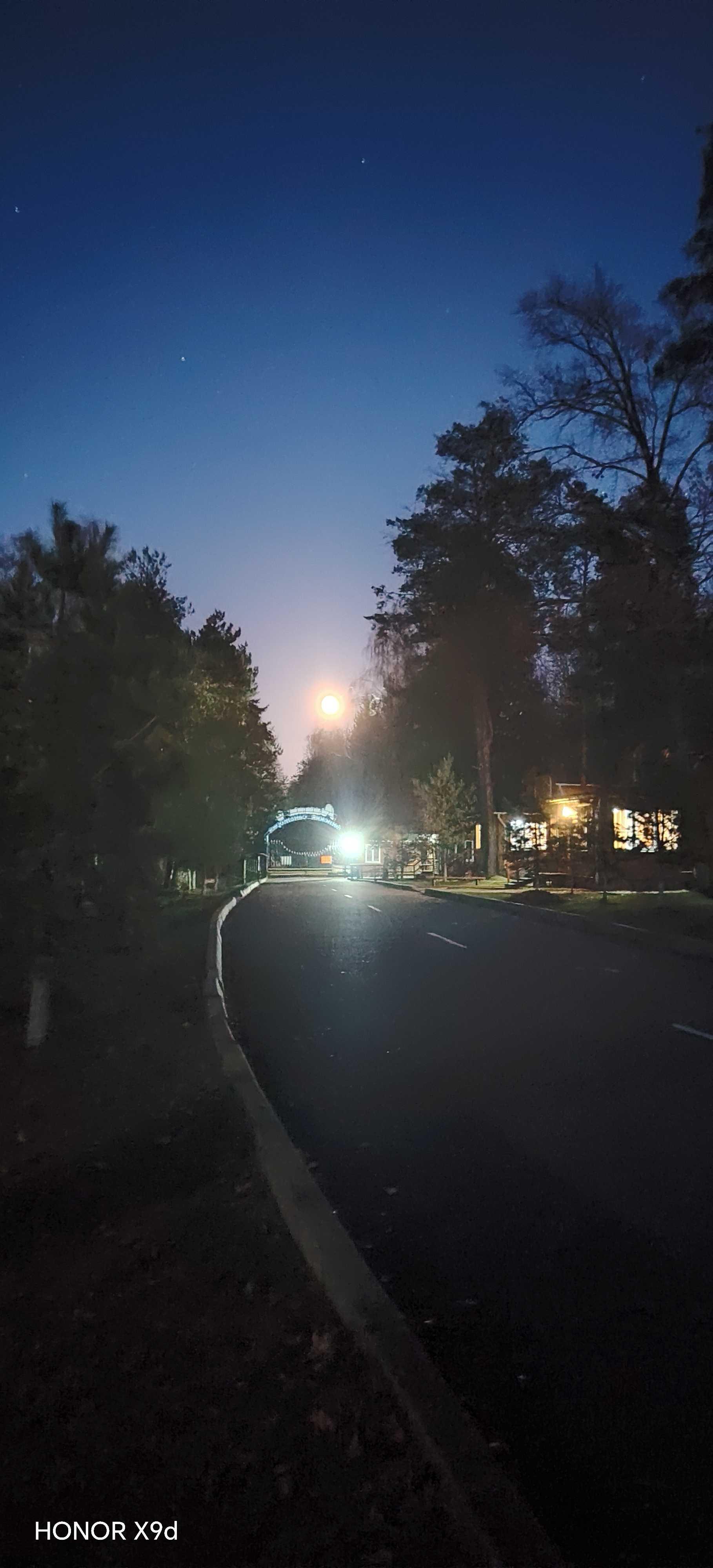

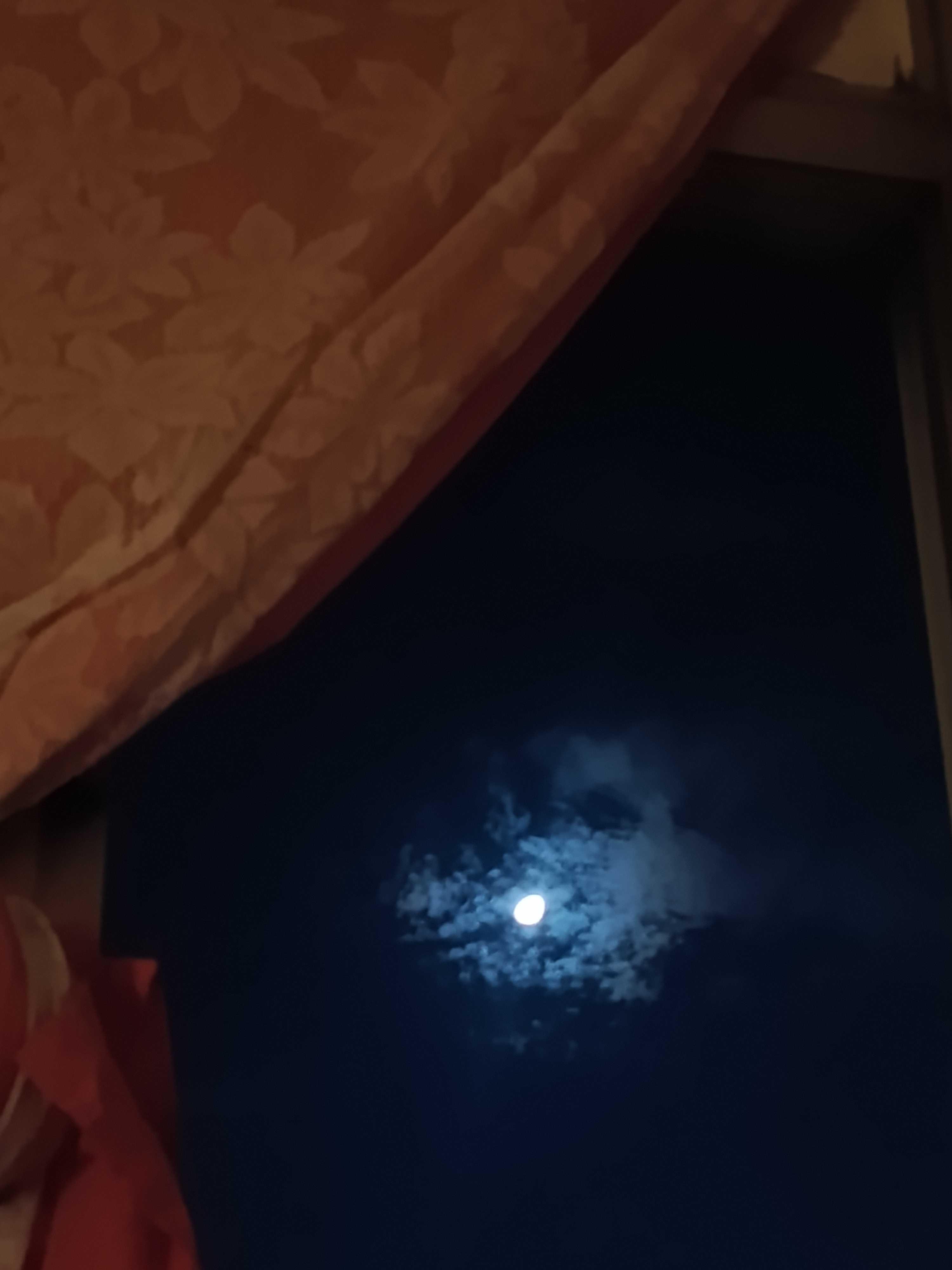
Waning Gibbous 75%
Lunar Day 21 in Gemini

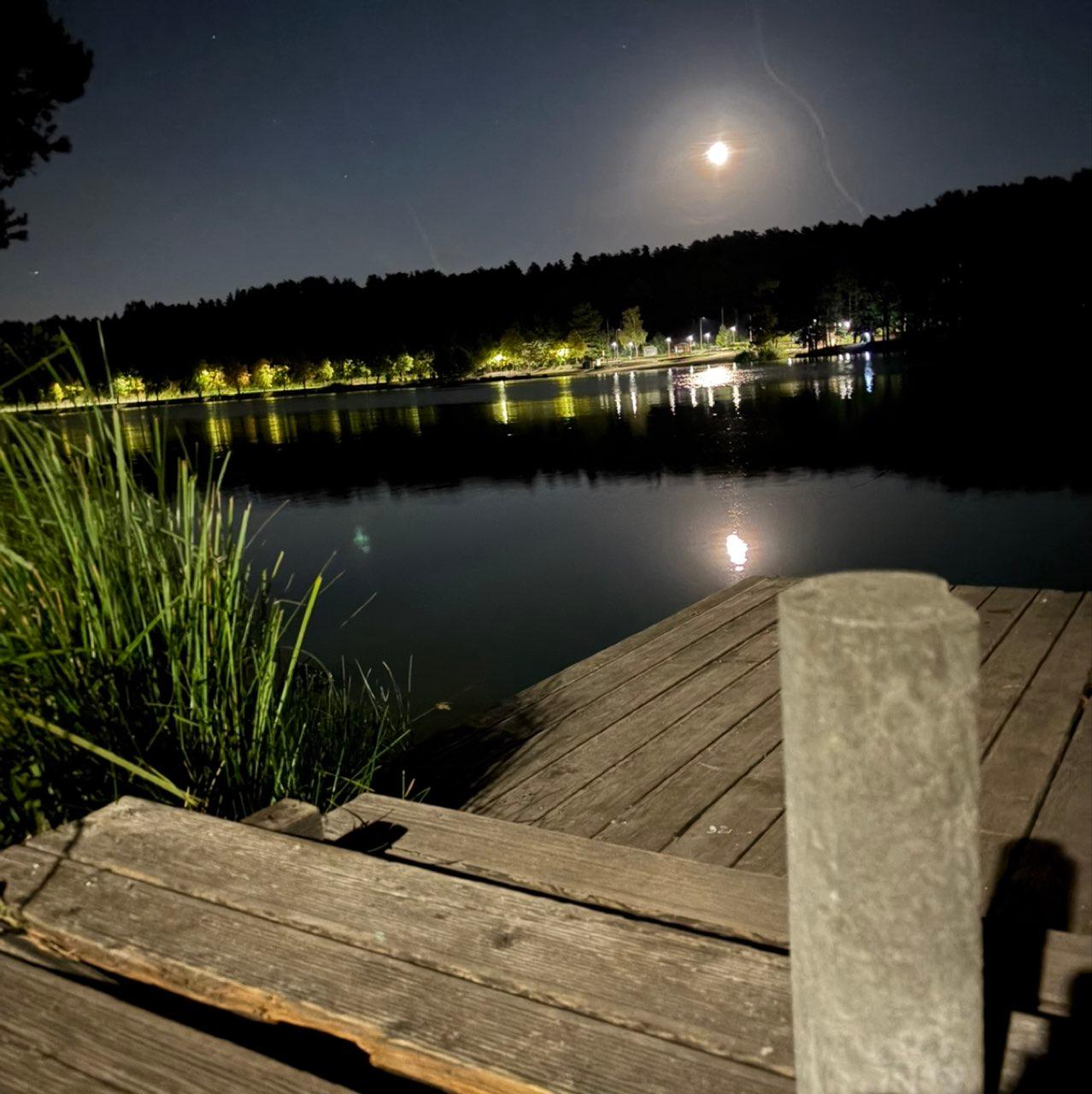
Waning Gibbous 75.5%
Lunar Day 21 in Gemini

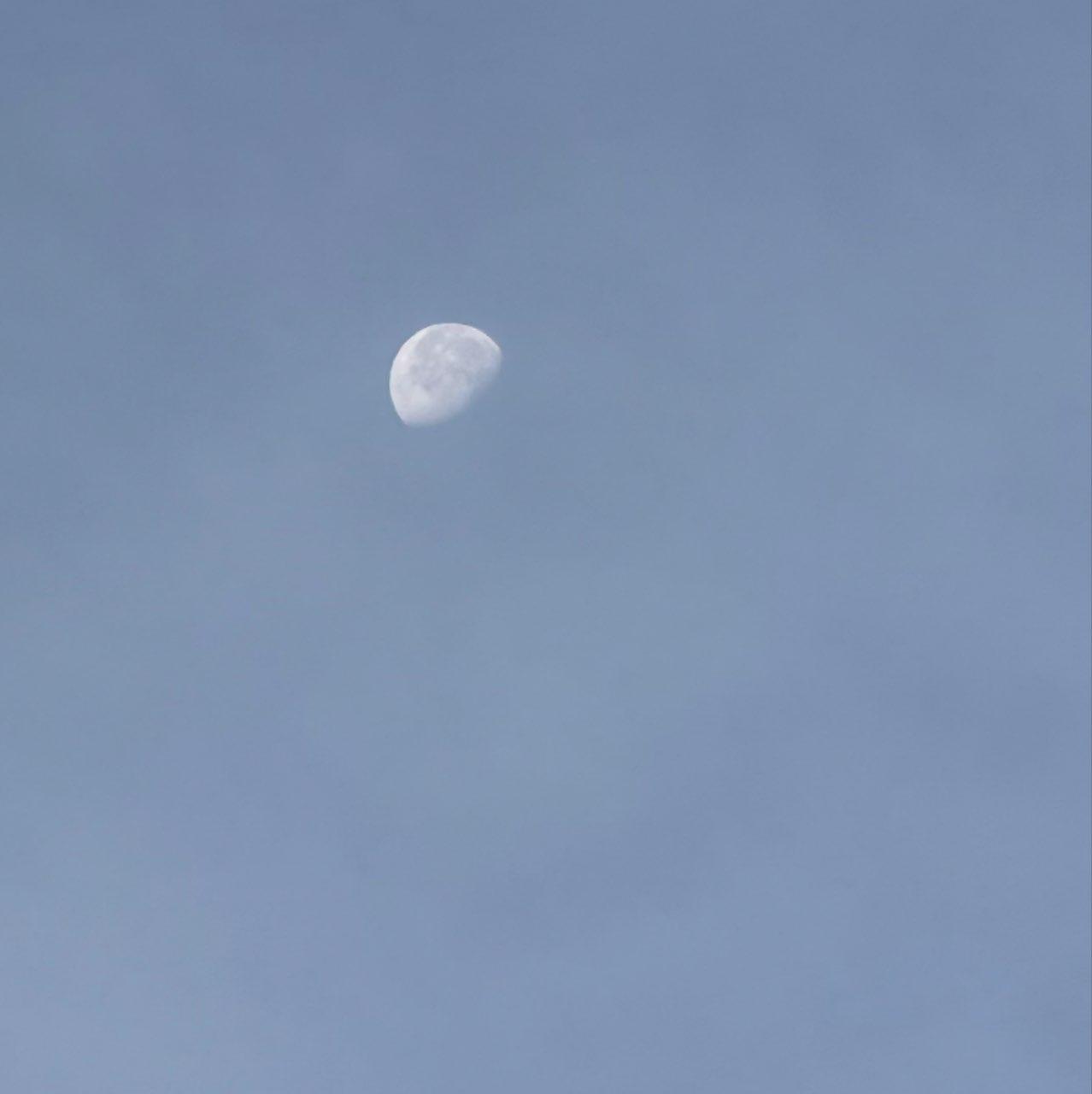
Waning Gibbous 75.6%
Lunar Day 21 in Gemini

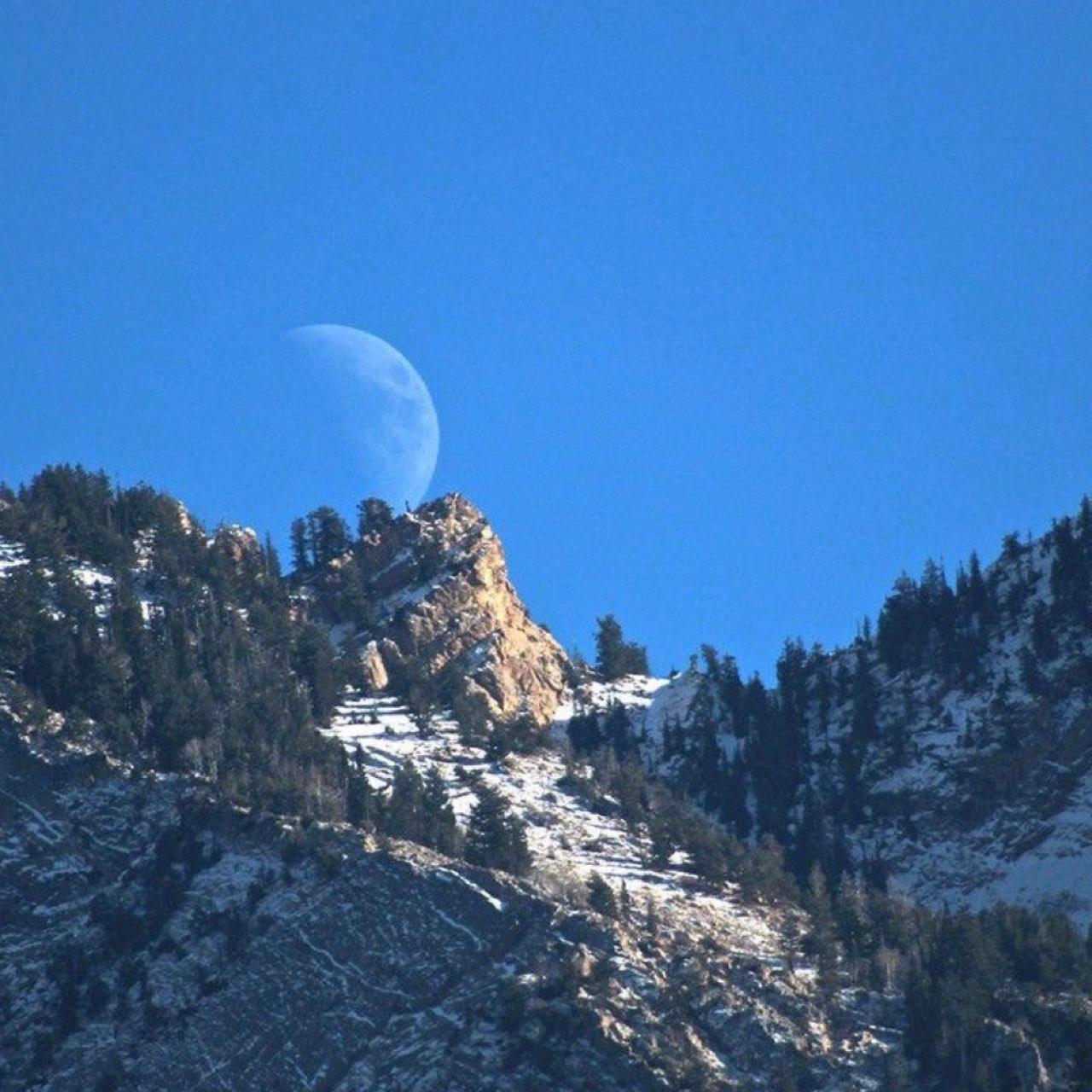
First Quarter 57.4%
Lunar Day 9 in Aquarius

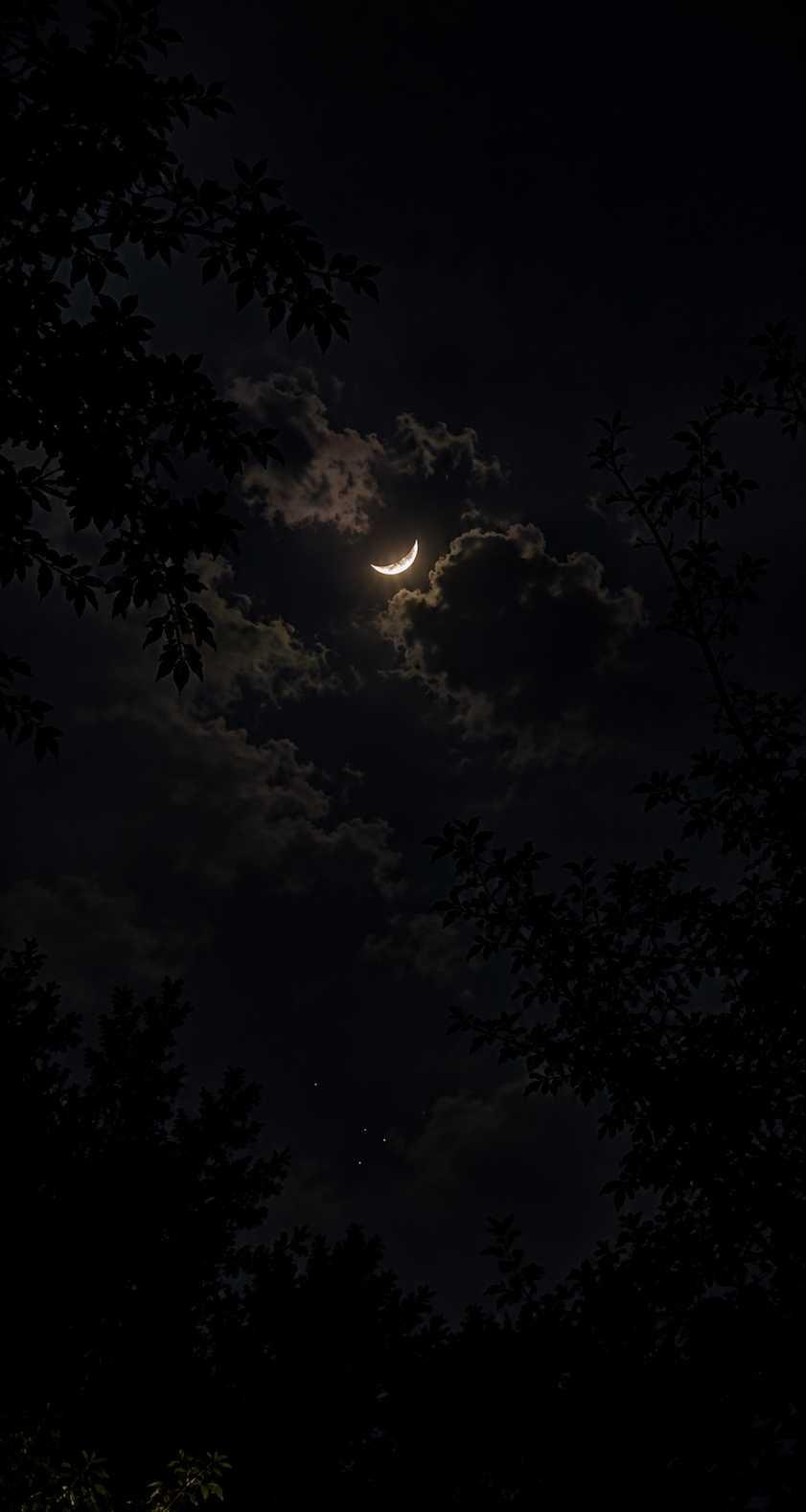
Waxing Crescent 17.8%
Lunar Day 5 in Sagittarius
Teresópolis, Río de Janeiro Brazil


Waning Crescent 11.7%
Lunar Day 27 in Virgo