Moon Phases Guide
Right now the Moon is waning. It’s a Waning Gibbous — 75.8% illuminated, Lunar Day 20, five days past the Full Moon and two days before the Last Quarter. Illumination will keep dropping until the New Moon on .
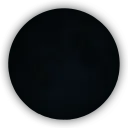
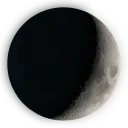
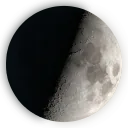
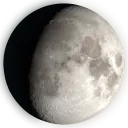
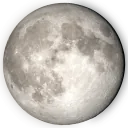
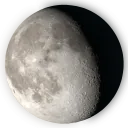
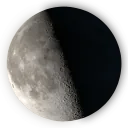
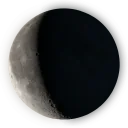
Is the Moon waxing or waning?
Right now it is waning — shrinking. The Moon waxes for the two weeks from New Moon to Full Moon, and wanes for the two weeks from Full Moon back to New Moon.
How to tell without checking. In the Northern Hemisphere, a waxing Moon is lit on the right and a waning one on the left. Easier still is the time of day: a waxing Moon is up in the evening, a waning one late at night and into the morning. Both tests reverse south of the equator, but the time-of-day one still works.
The Full Moon and New Moon themselves are neither — they are the turning points. Everything between New and Full is waxing; everything between Full and New is waning.
Why does the Moon have phases?
Half the Moon is always lit by the Sun — that never changes. What changes is how much of the lit half we can see from Earth.
The Moon takes about 29.5 days to orbit us, and as it goes it moves in and out of line with the Sun. When the Moon is between Earth and the Sun, the lit half faces away and we see nothing: New Moon. When Earth is in the middle, the lit half faces us completely: Full Moon. Everywhere in between we see part of it, which is what makes a crescent or a gibbous.
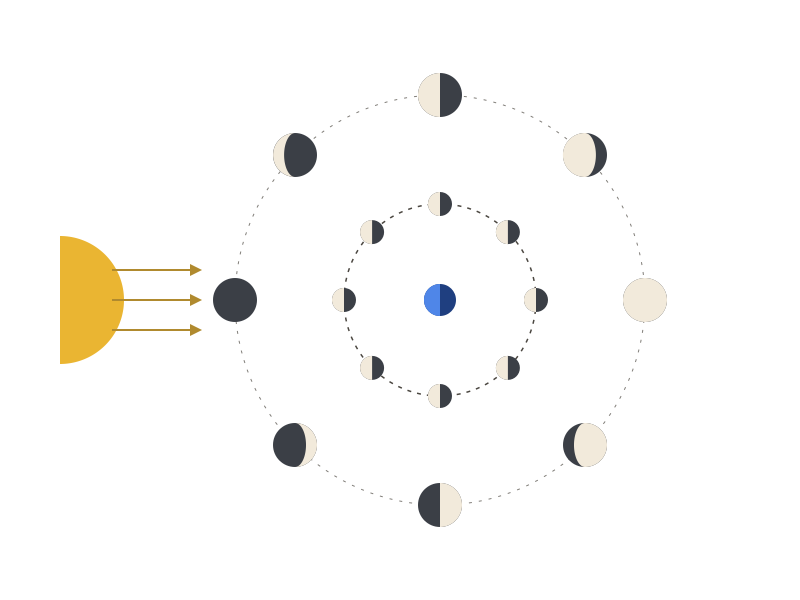
The phases are not shadows. Earth’s shadow does fall on the Moon occasionally, but that is a lunar eclipse — a rare event, not the monthly cycle.
All eight moon phases
| Phase | Also called | Astrological name | Lunar days | Illumination | Lit side |
|---|---|---|---|---|---|
| New Moon | Dark Moon | New Moon | 1–2 | 0% | —— |
| Waxing Crescent | Crescent Moon | Crescent Moon | 3–6 | 0 → 50% | RightLeft |
| First Quarter | Half Moon | First Quarter | 7–10 | 50% | RightLeft |
| Waxing Gibbous | Gibbous Moon | Gibbous Moon | 11–13 | 50 → 100% | RightLeft |
| Full Moon | — | Full Moon | 14–17 | 100% | AllAll |
| Waning Gibbous | Gibbous Moon | Disseminating Moon | 18–21 | 100 → 50% | LeftRight |
| Last Quarter | Third Quarter · Half Moon | Last Quarter | 22–24 | 50% | LeftRight |
| Waning Crescent | Crescent Moon | Balsamic Moon | 25–29 | 50 → 0% | LeftRight |
The order of the moon phases
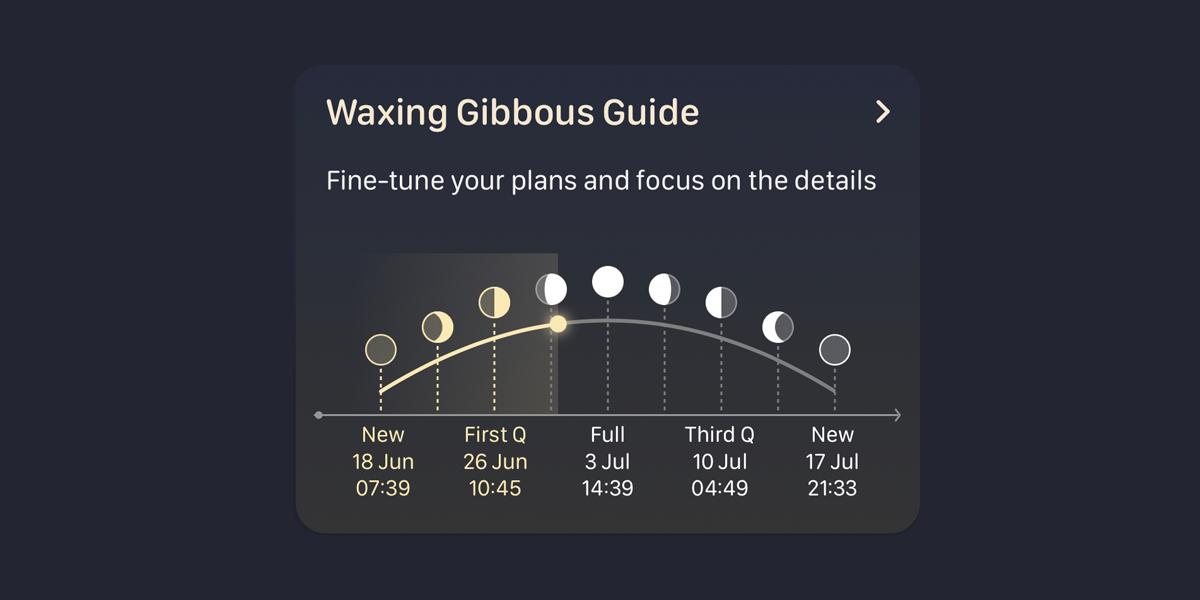
A lunar month lasts about 29.5 days and always runs in the same order: New, Waxing Crescent, First Quarter, Waxing Gibbous, Full, Waning Gibbous, Last Quarter, Waning Crescent — and then it starts over. Each phase marks how much of the Moon’s Earth-facing side is lit by the Sun, from fully dark at the new moon to fully lit at the full moon.
The four named quarter-points are the anchors: New Moon and Full Moon are the extremes, First Quarter and Last Quarter the halfway marks between them. The crescents and gibbous phases are the stretches in between, each lasting about six days rather than a single moment.
Each phase rises roughly fifty minutes later than the day before, which is why the Moon drifts across the sky and the time of night you see it keeps shifting.
How to work with the lunar cycle
The cycle is often used as a rhythm for planning: intentions at the New Moon, action at First Quarter, results at the Full Moon, review and release on the way down.
The waxing half suits starting and building; the waning half suits finishing and clearing. That is the whole framework — the rest is detail, and each phase page covers its own.
Nothing about it is prescriptive. It works as a schedule you did not have to invent, which for a lot of people is the useful part.