Gibbous Moon
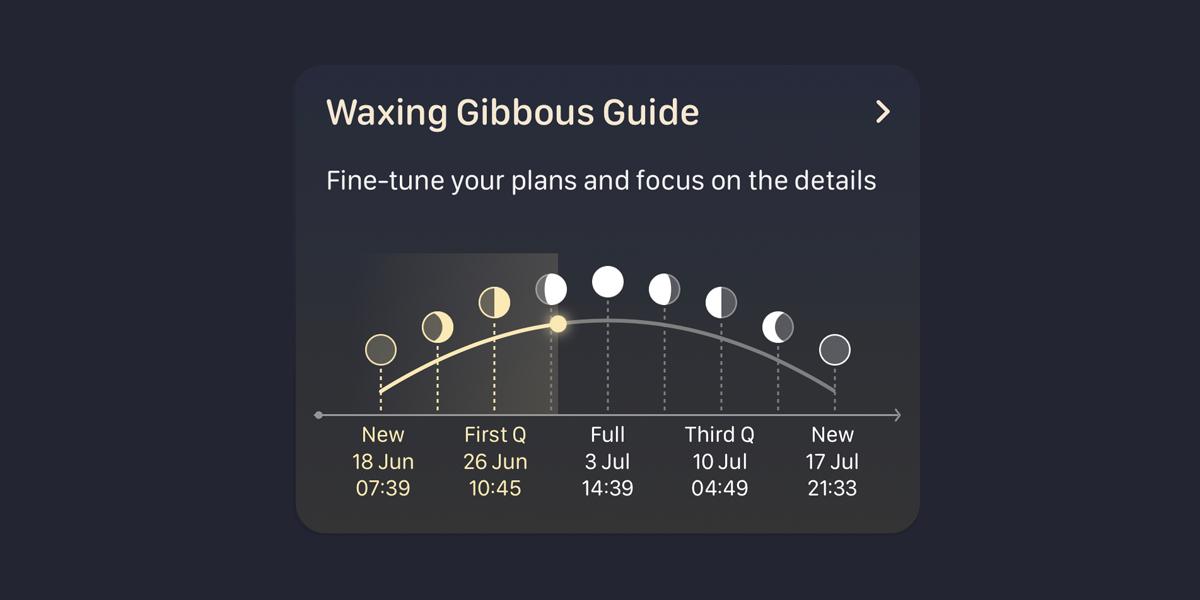
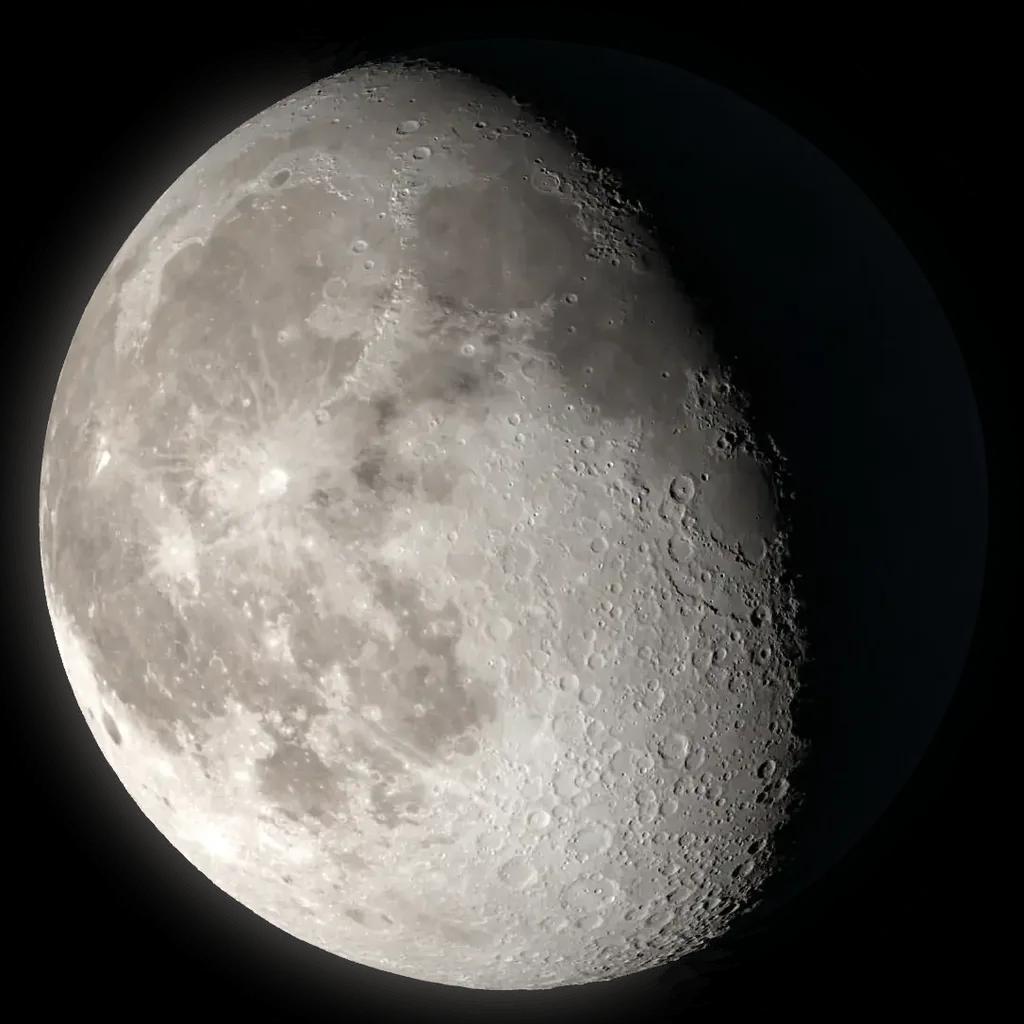
A Gibbous Moon is any phase where more than half the visible disc is illuminated but it hasn't reached full yet — the swollen, egg-like shape between Quarter Moon and Full Moon on either side of the cycle. The word itself comes from the Latin gibbus, meaning "hump" or "bulge," used in this context since medieval astronomy texts. Like crescent, gibbous splits into two named phases depending on direction: Waxing Gibbous appears between First Quarter and Full Moon, with illumination still increasing night to night; Waning Gibbous appears between Full Moon and Last Quarter, with illumination decreasing. Distinguishing them at a glance uses the same left/right rule as crescents — in the Northern Hemisphere, light on the right side means waxing, light on the left means waning (reversed in the Southern Hemisphere). Gibbous phases together account for roughly a third of the lunar month, making them one of the most commonly observed shapes, even though the word rarely comes up outside astronomy.