Full Moon
Accomplishments · Rewards · Balance
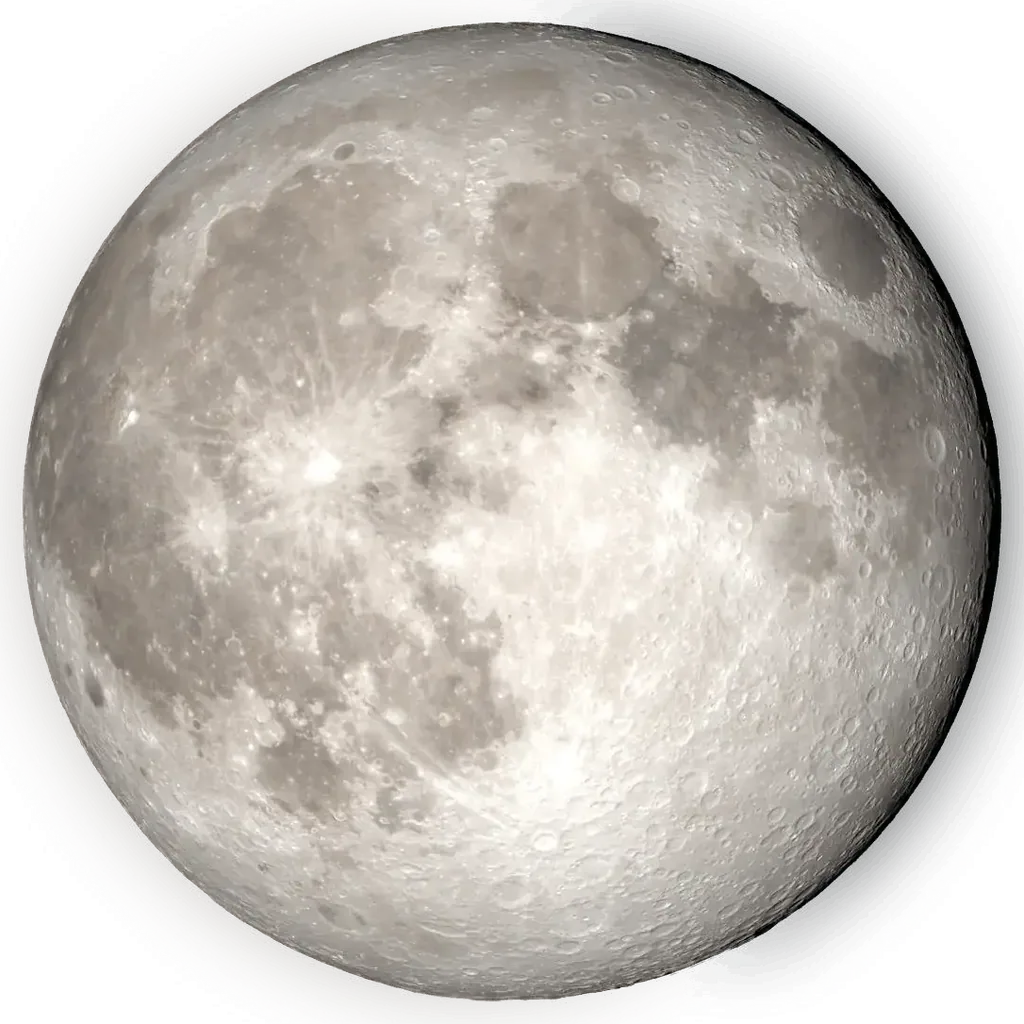
In astronomy, a Full Moon is defined as the moment when Earth passes between the Sun and the Moon, so the Moon’s entire sunlit side faces us — 100% illuminated, rising as the sun sets and setting as it rises. The Full Moon phenomenon repeats every 29.5 days and marks the midpoint of the lunar cycle. Technically it lasts only an instant, though the Moon looks full for about three nights running. Some Full Moons also fall at the Moon’s closest approach to Earth, which is what makes a Supermoon.
Where the Full Moon falls in the lunar cycle
The Full Moon is the fifth of the eight phases and the exact halfway point of the cycle. It arrives about 14–15 days after the New Moon, when the Waxing Gibbous has finished growing, and gives way to the Waning Gibbous over the following two days. Everything before it is the waxing half, when illumination climbs from 0% to 100%; everything after is the waning half, running back down to the next New Moon. It covers Lunar Days 14–17 of the lunar month — the one phase that rises around sunset and stays up all night.
Beaver Moon · Full Moon in Gemini · Supermoon
When is the next Full Moon?
The next Full Moon is on .
Full Moon Calendar
| Exact time and date | Moon in sign | Traditional name | Notes |
|---|---|---|---|
| Taurus | Hunter’s Moon | Passed | |
| Gemini | Beaver Moon | Supermoon | |
| Cancer | Cold Moon | Supermoon | |
| Leo | Wolf Moon | Supermoon | |
| Virgo | Snow Moon | Supermoon · Penumbral lunar eclipse | |
| Libra | Worm Moon | — | |
| Scorpio | Pink Moon | — | |
| Scorpio | Flower Moon | — | |
| Sagittarius | Strawberry Moon | — | |
| Capricorn | Buck Moon | Penumbral lunar eclipse | |
| Aquarius | Sturgeon Moon | Penumbral lunar eclipse | |
| Pisces | Harvest Moon | Closest to the September equinox |
What does a Full Moon mean in astrology?
In astrology, the Full Moon is read as a point of culmination. It falls when the Moon sits opposite the Sun, and that opposition carries the whole of its meaning: whatever was set in motion at the New Moon becomes visible, and whatever has been held out of sight tends to surface. Astrologers traditionally treat it as a time for completion and release rather than for starting things.
What happens when the Moon is full?
Because the two always fall in opposite signs, the Full Moon is read as a tension between two poles that asks to be balanced. The sign the Moon falls in shapes that meaning — a Full Moon in Aries reads differently from one in Pisces — and the house it occupies in a birth chart narrows it further, pointing to the area of life where the culmination is felt.
The Full Moon in each sign
What to do during a Full Moon
This is a time to celebrate and honor the things in our lives that have come to fruition. Take a moment to reflect on your own achievements and on whatever brings you a sense of completion, and let yourself fully bask in that energy.
During this phase it helps to finish what you started — projects, conversations, anything left hanging — and to see the results of your hard work. It is equally a time for letting go of what no longer serves you, whether that be physical possessions, negative thought patterns, or relationships.
Emotions tend to run closer to the surface now, so take care of yourself and make room for self-reflection, meditation and journaling. Embrace the power of the Full Moon, set intentions, make wishes, and celebrate your achievements. Allow its light to guide you towards a fulfilled and abundant life.
A simple Full Moon ritual
- listen to your own desires
- draw the most pleasant images and fill up with joy
- get rid of what’s blocking your development
- forgive the people and let go of the situations that hurt you
- feel gratitude to circumstances and people
How to photograph the Full Moon
The Moon is lit by the same sun that lights the daytime Earth, and that single fact explains most failed moon photos: in night mode the sensor exposes for the dark sky around it, not for the sunlit rock in the middle, and you get a white blob with no detail.
Settings. Start with the Looney 11 rule — aperture f/11, shutter speed matching your ISO — then switch to spot metering and focus manually. Keep the shutter faster than 1/125s. Below 200mm the Moon is a small bright dot; 300–600mm is where craters appear. On a phone: tap to focus, drag the exposure slider well down, and turn night mode off.
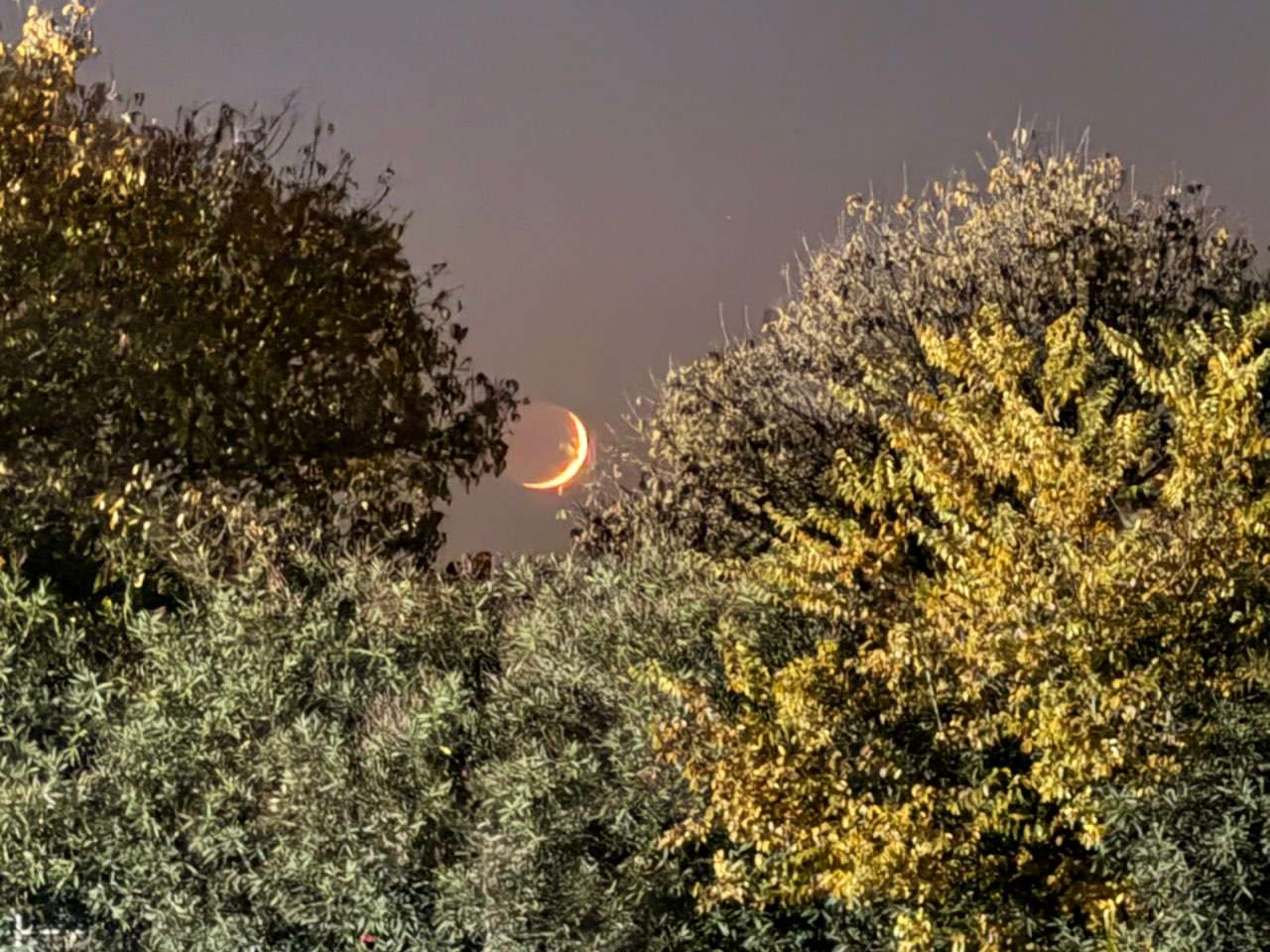
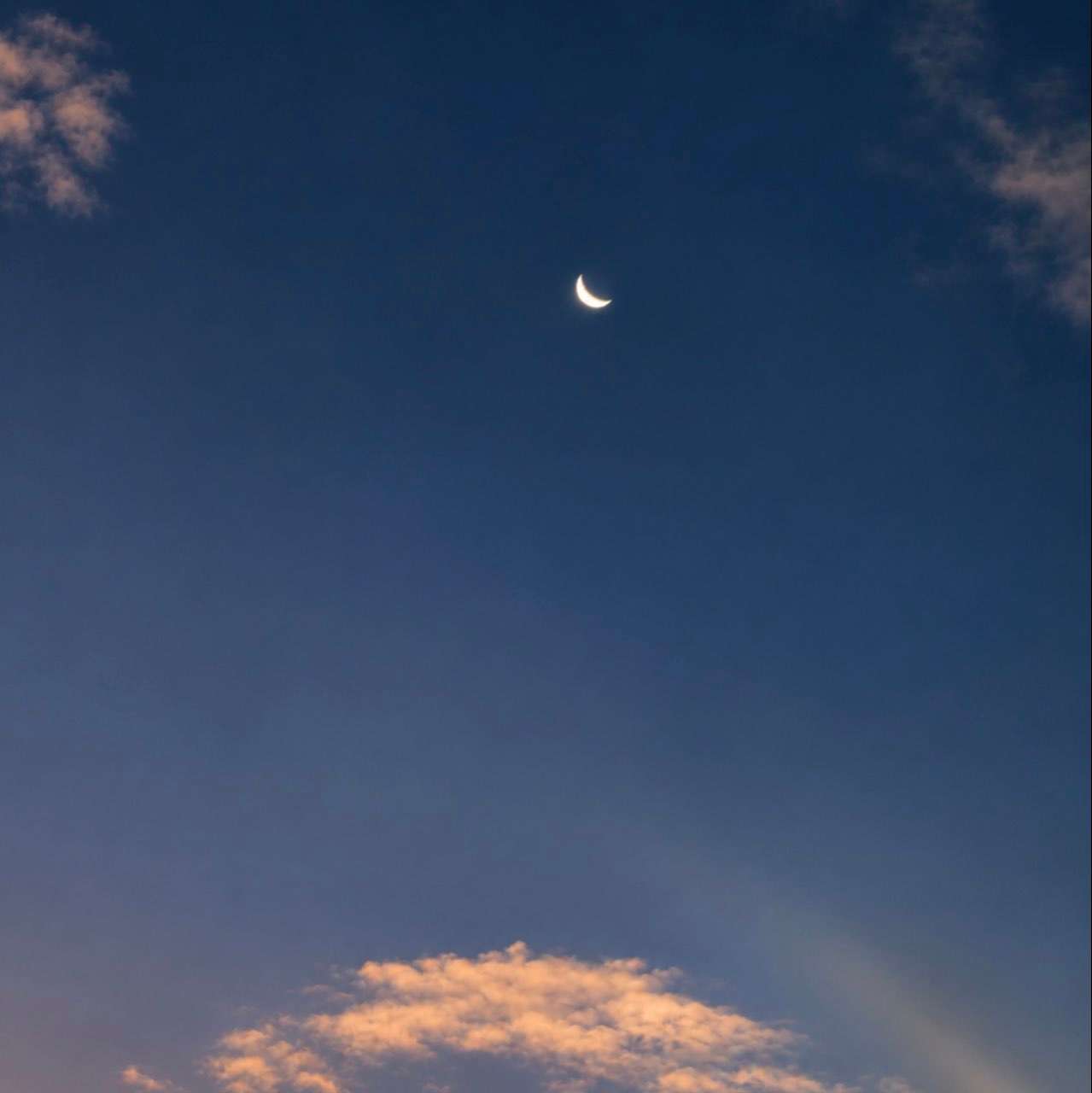
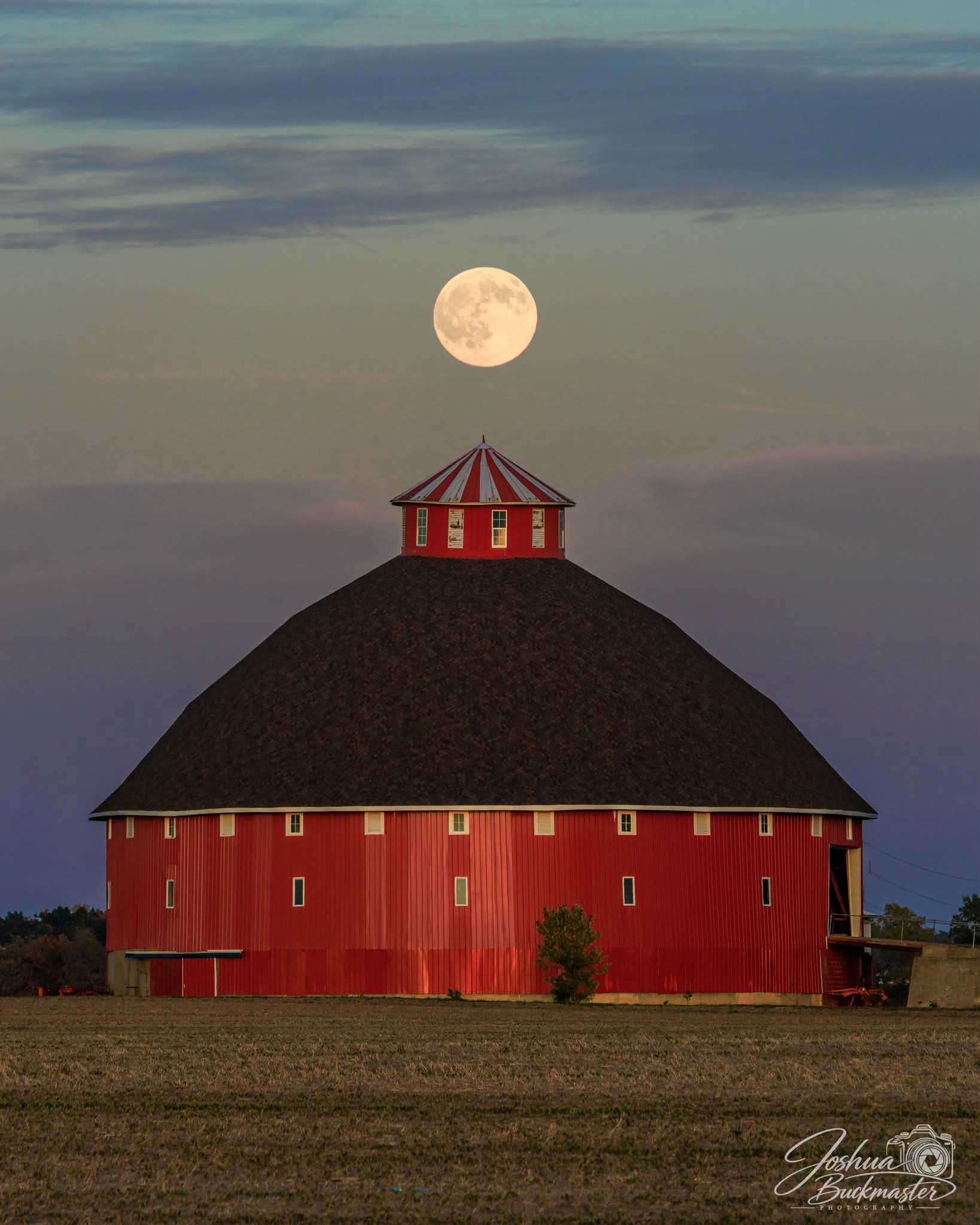
Worth knowing. The Full Moon is the hardest phase to photograph well — sunlight hits it head-on, so there are no shadows and the surface looks flat. Crater detail is sharpest near the terminator, which means a Waxing Gibbous or First Quarter Moon gives a far more three-dimensional image. Everything in the feed below was shot by MoonX users.
Moon Photos from Around the World
See all
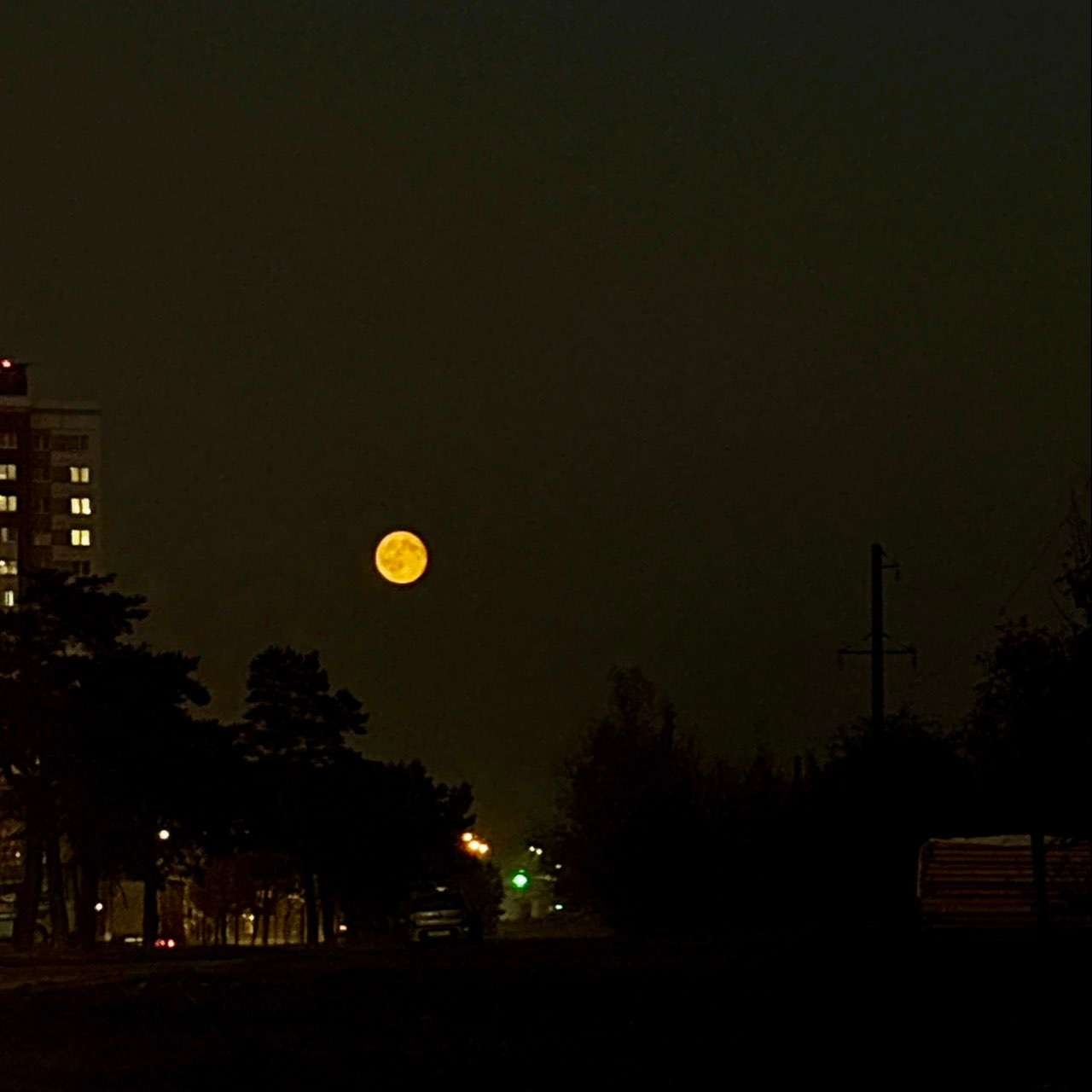
Full Moon 96%
Lunar Day 18 in Taurus

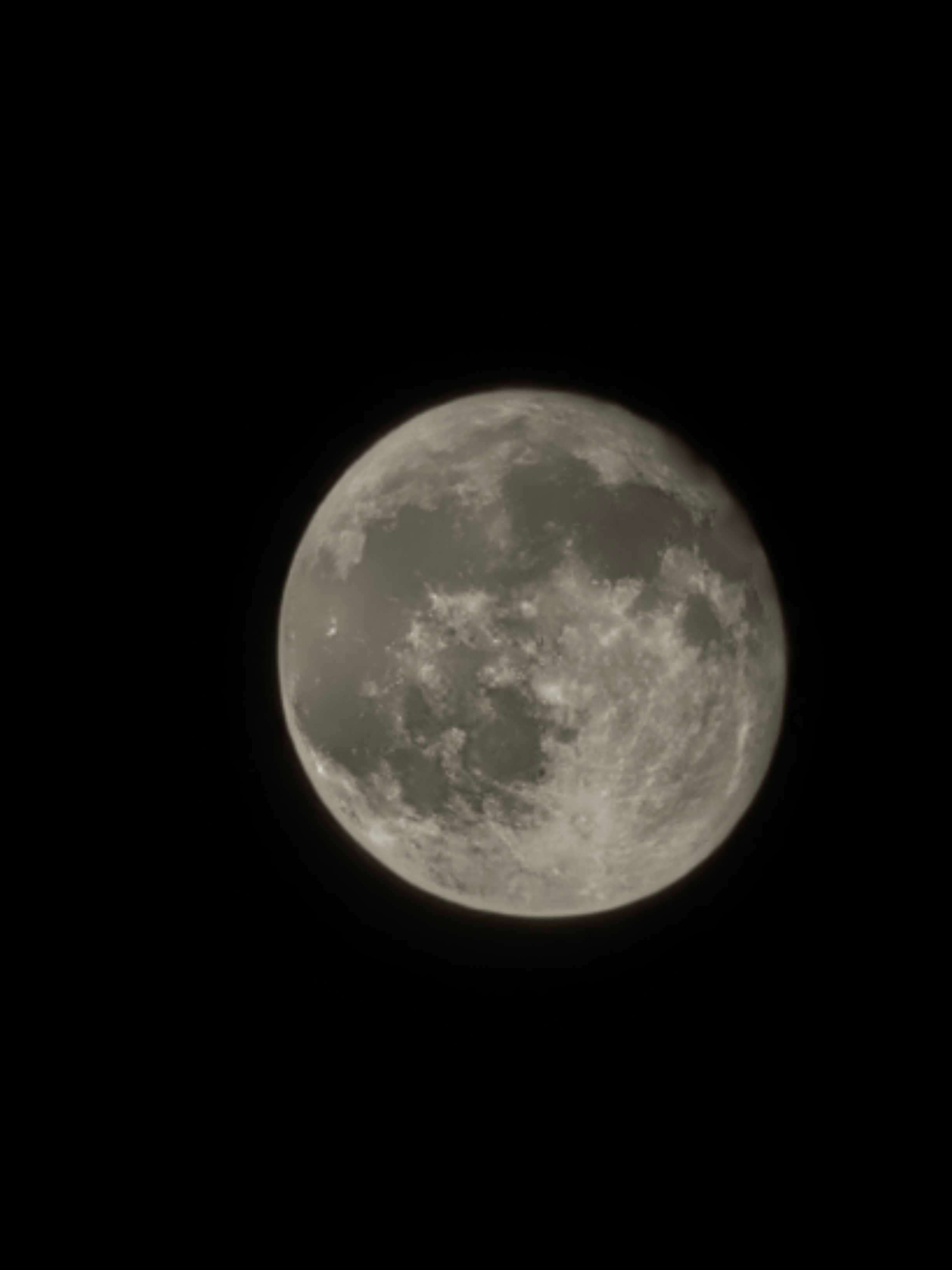
Full Moon 96.1%
Lunar Day 18 in Taurus
🫶

Full Moon 96.1%
Lunar Day 18 in Taurus