Waning Crescent Moon
Peace · Trust · Preparation
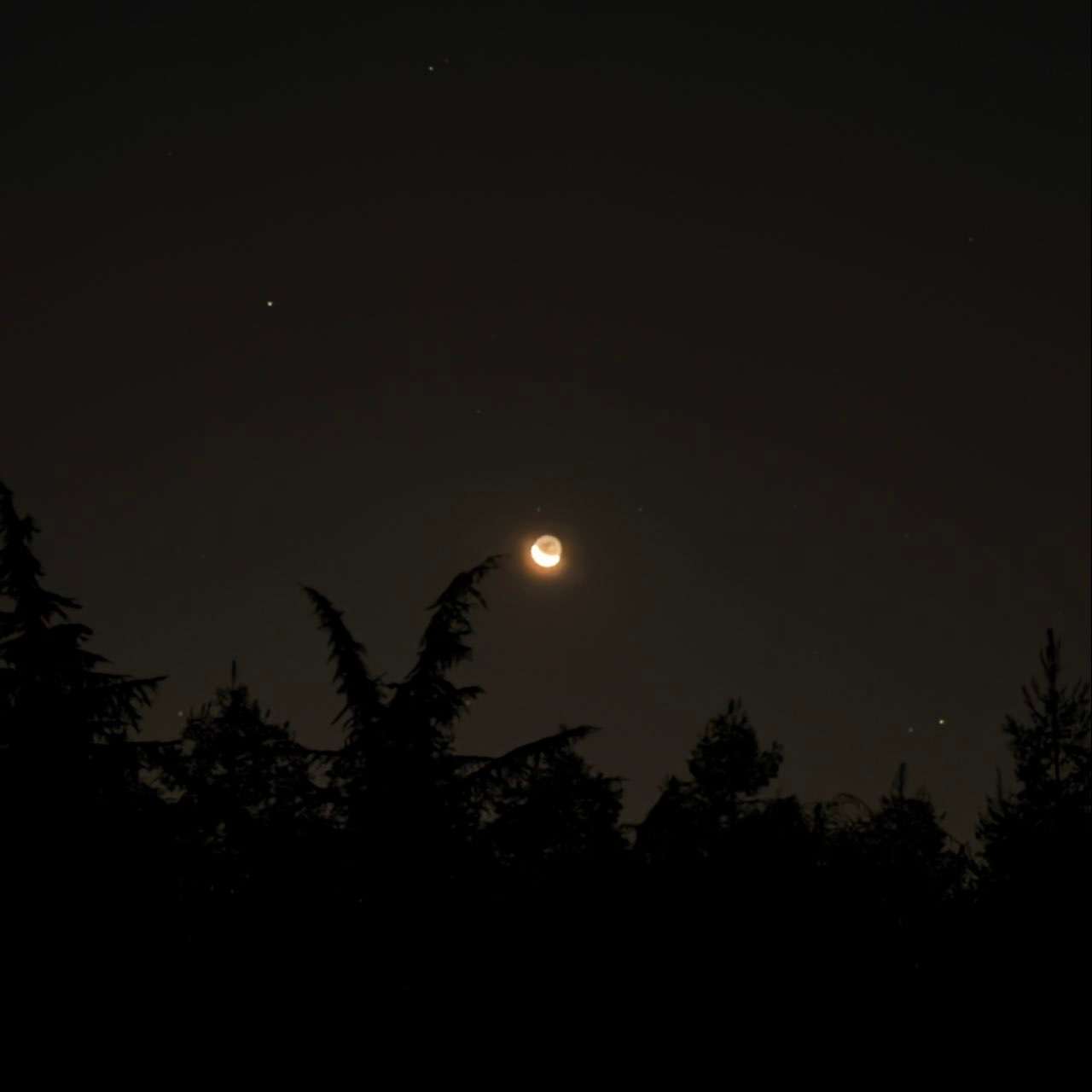
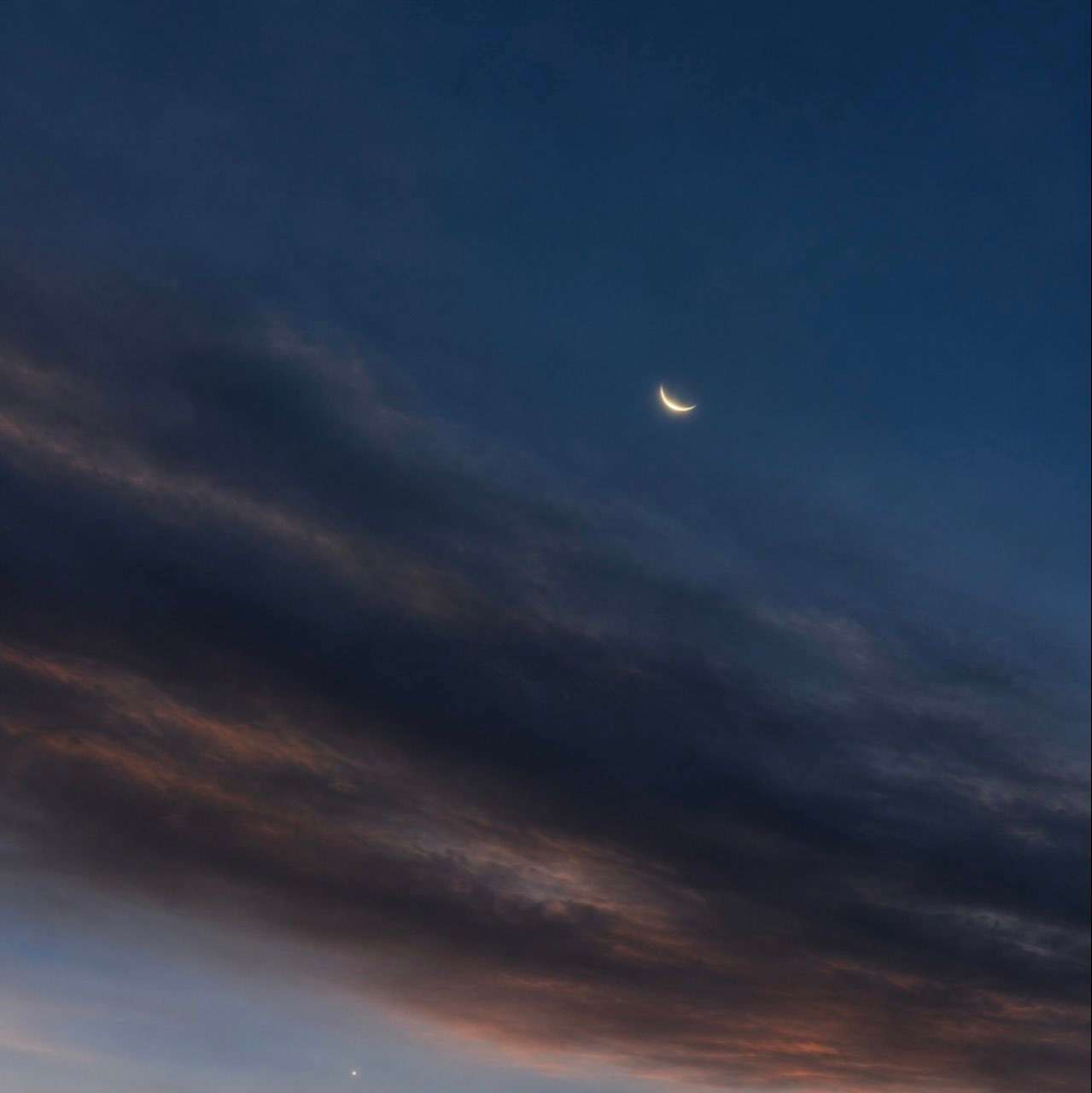
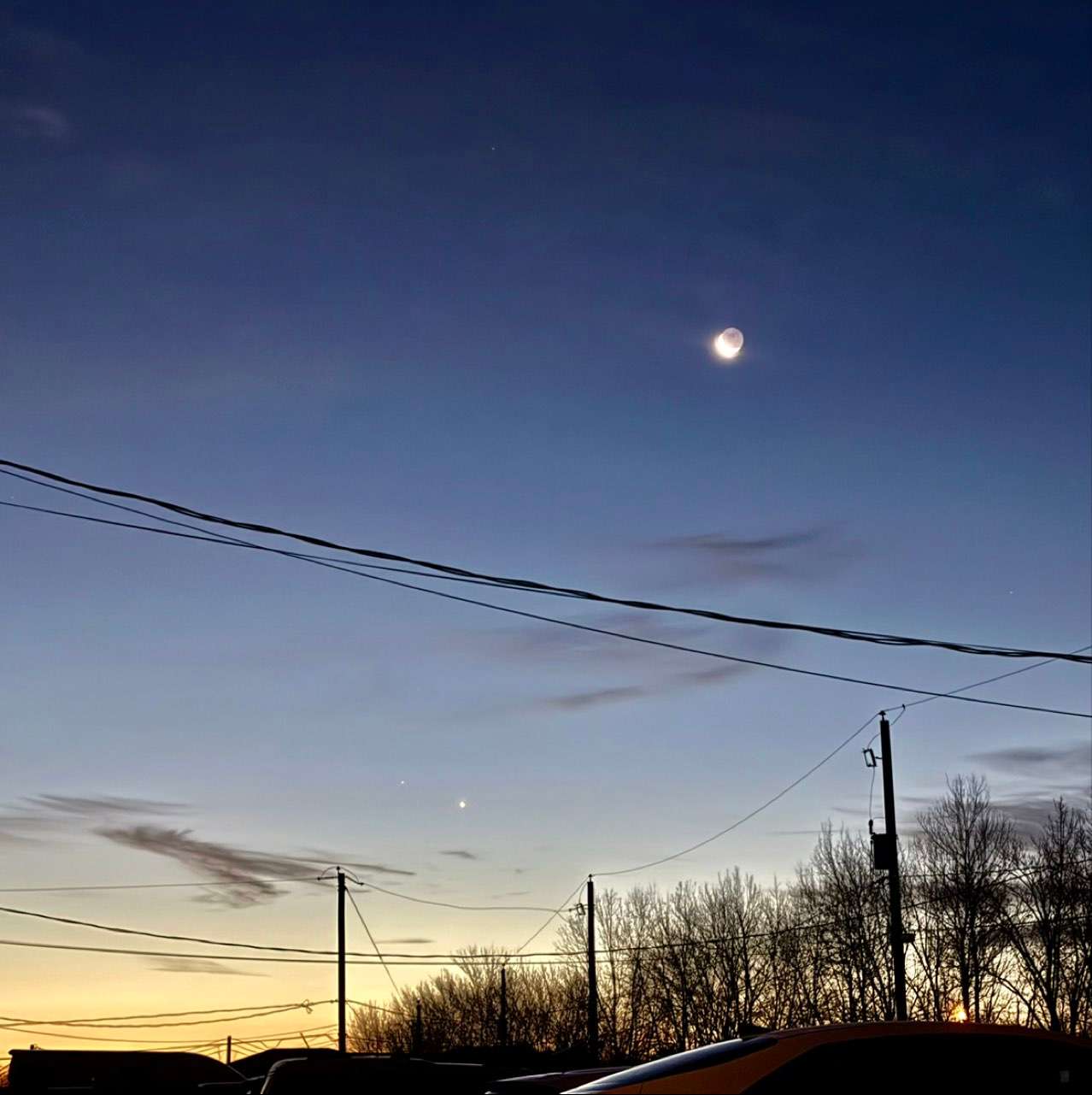
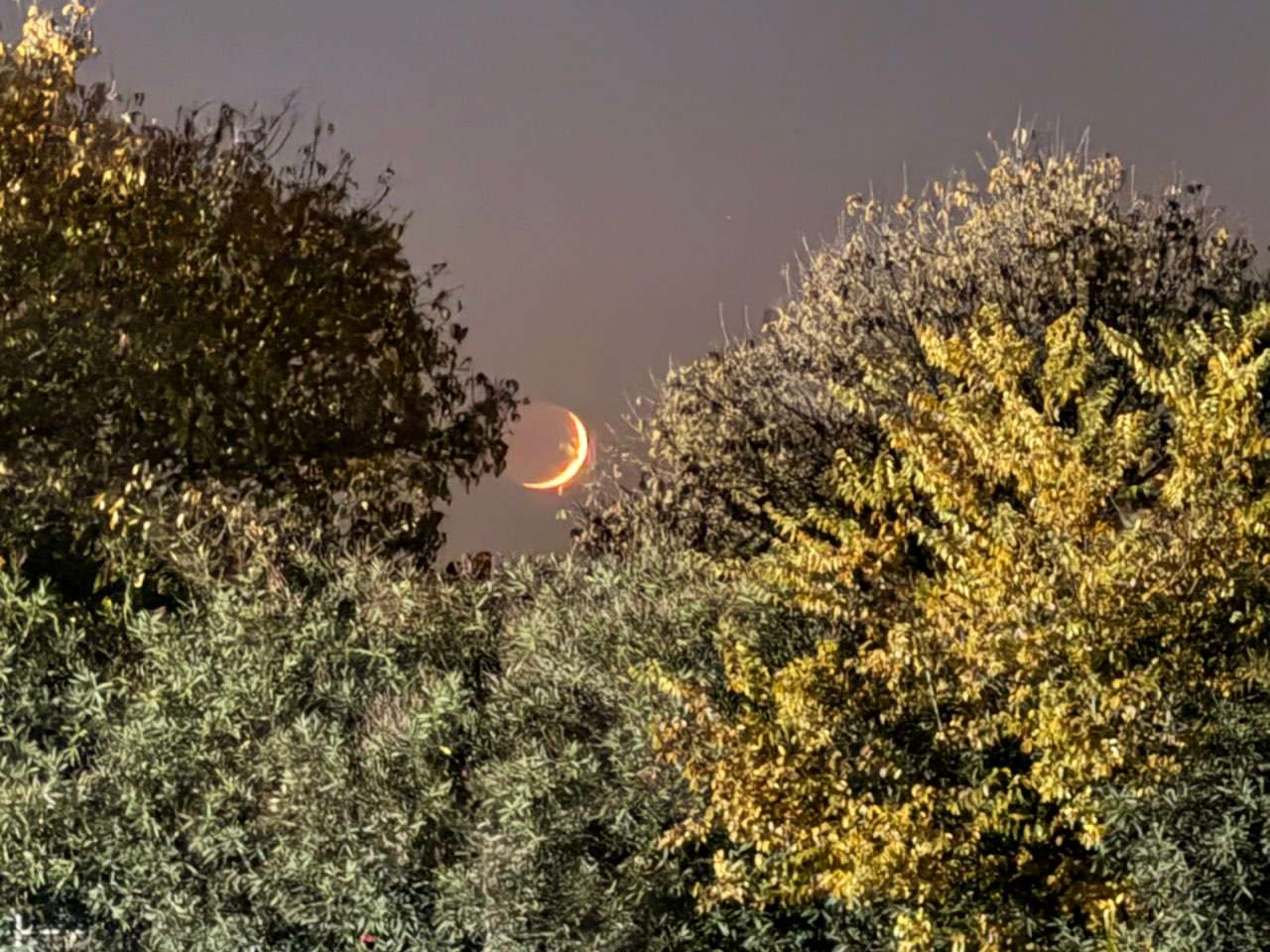
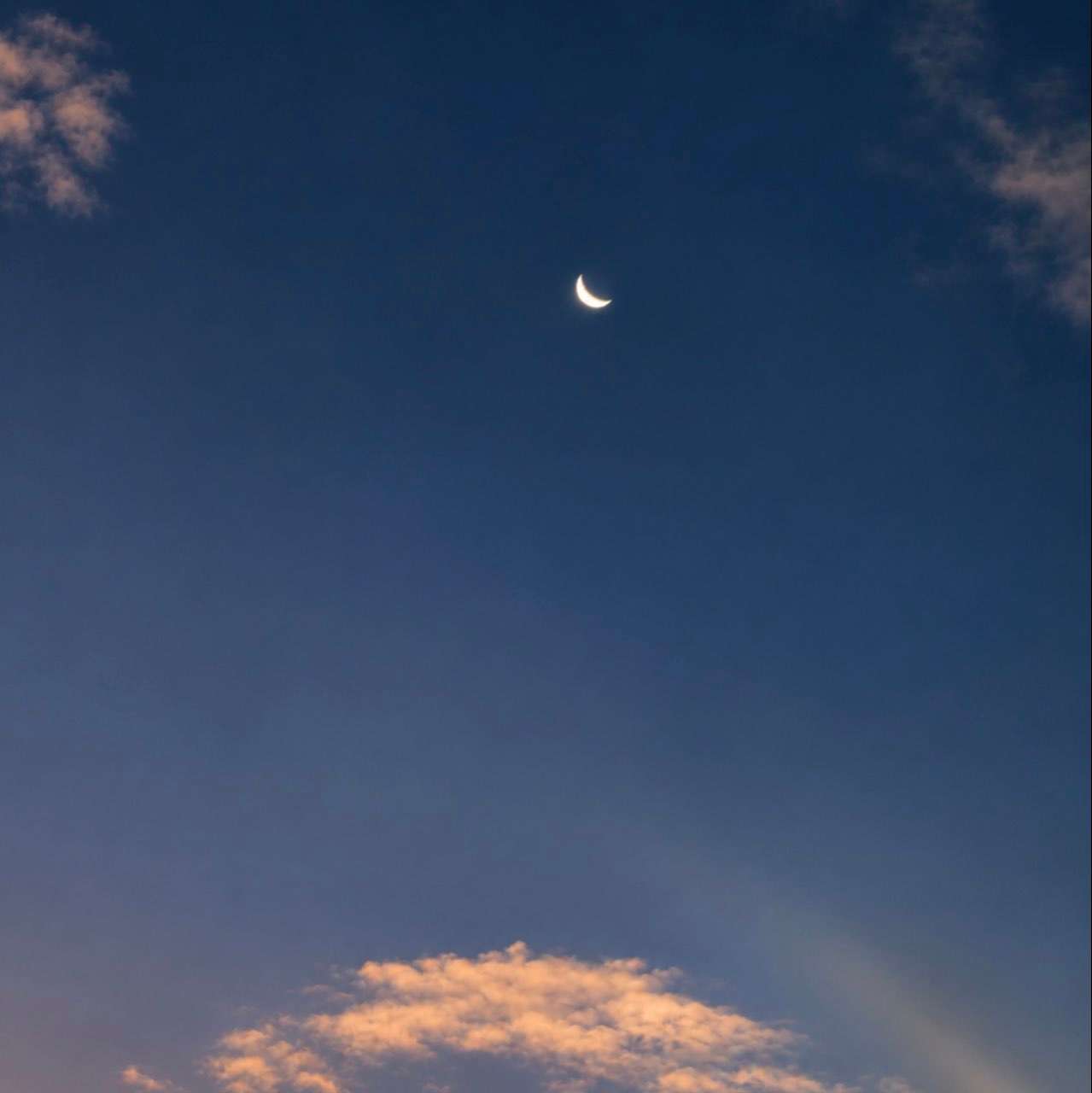
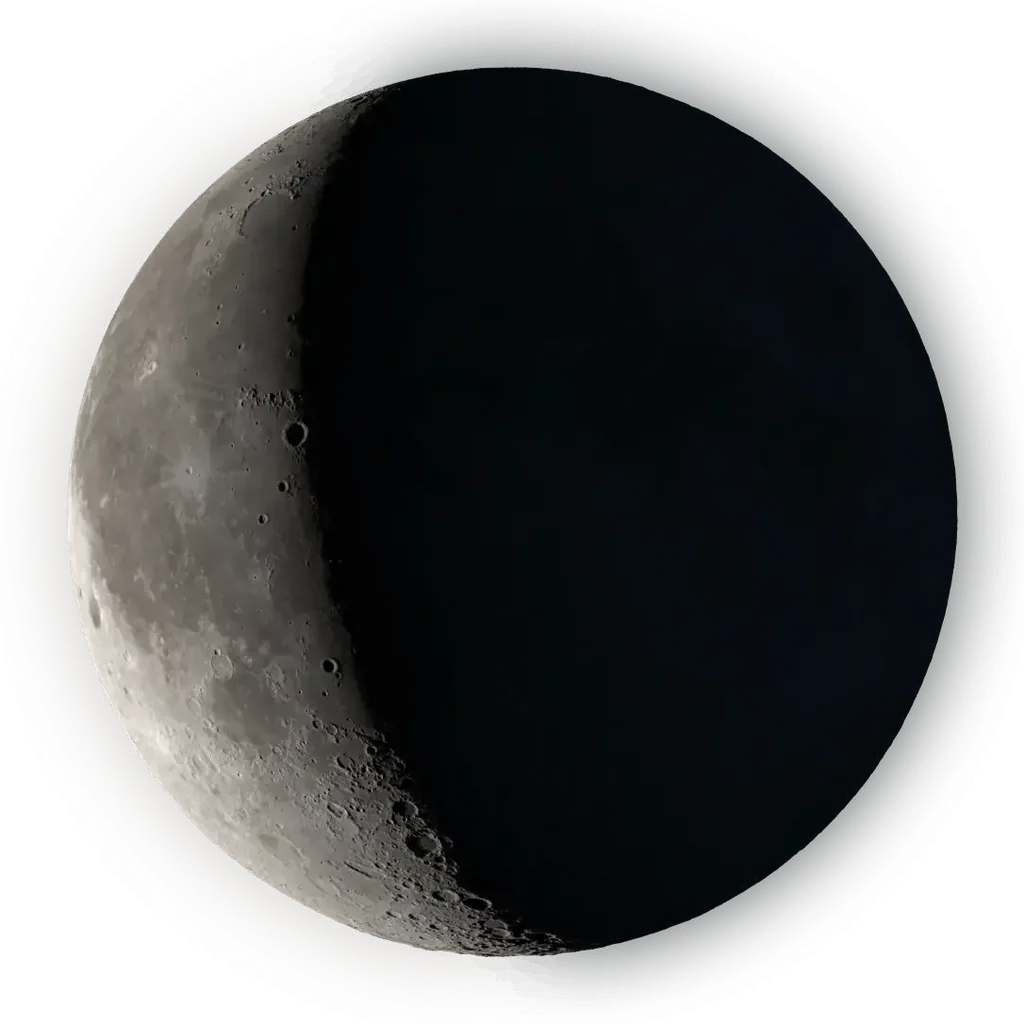
The Waning Crescent is the final phase of the lunar cycle, appearing in the week before New Moon as the illuminated sliver shrinks toward nothing. In the Northern Hemisphere it’s lit on the left side, thinning night by night; because it rises later and later each day, closer and closer to sunrise, it’s only easily visible in the pre-dawn sky, low on the eastern horizon — one reason it’s the least-observed phase for casual sky-watchers, who tend to notice the Moon in the evening.
As the crescent gets thinner it also gets fainter and rises closer to the Sun’s position, until it’s lost in the glare entirely a day or two before exact New Moon — the period some older traditions separately label the Dark Moon. Because it directly precedes the reset of New Moon, the Waning Crescent has picked up cultural associations with closing out, resting and preparing for a new start, layered on top of what’s mechanically just the tail end of the Moon’s orbit-driven illumination cycle.
Where the Waning Crescent falls in the lunar cycle
The Waning Crescent is the eighth and last of the phases — the closing stretch of the cycle. It begins at Last Quarter, when half the disc is still lit, and ends at the New Moon, when nothing is.
It is the mirror of the Waxing Crescent on the other side of the cycle: the same thin shape, the same low position near the Sun, but on the opposite side of the sky and at the opposite end of the day. Everything after it starts over.
What is a Waning Crescent Moon?
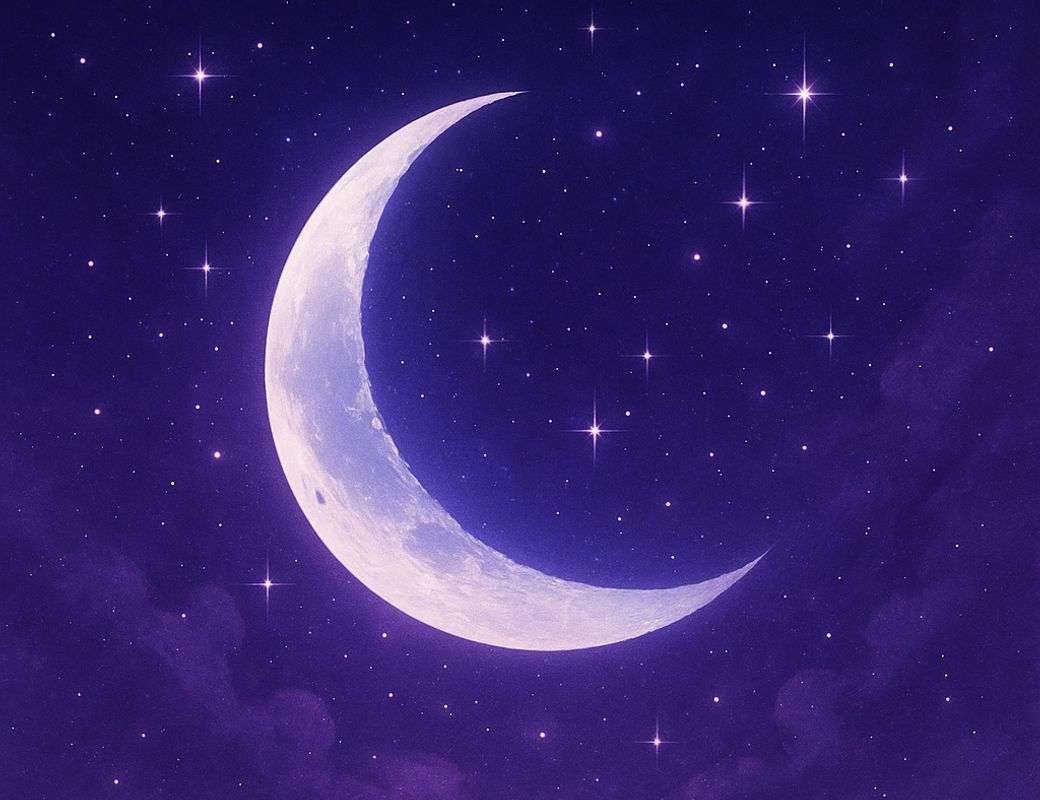
A Waning Crescent Moon is a thin sliver of light that is shrinking toward nothing. It is the last of the eight phases, running from Last Quarter — when half the disc is lit — down to the New Moon, when none of it is. Illumination falls from 50% to 0% over roughly seven days.
In the Northern Hemisphere the lit edge is on the left; south of the equator it is the right. It rises in the small hours — about five hours before the Sun just after Last Quarter, barely one at the end — so the time to see it is before dawn, low in the east. That is why many people rarely notice this phase at all.
The last day or two before New Moon the crescent is usually lost in the Sun’s glare entirely. Some traditions name that window separately as the Dark Moon.
When is the next Waning Crescent?
The next Waning Crescent runs from to .
Waning Crescent Calendar
| Begins | Ends | Moon in sign |
|---|---|---|
Passed | LeoVirgoLibraScorpio | |
| VirgoLibraScorpioSagittarius | ||
| LibraScorpioSagittariusCapricorn | ||
| ScorpioSagittariusCapricornAquarius | ||
| SagittariusCapricornAquariusPisces | ||
| CapricornAquariusPiscesAries | ||
| AquariusPiscesAriesTaurus | ||
| PiscesAriesTaurusGemini | ||
| AriesTaurusGeminiCancer | ||
| TaurusGeminiCancerLeo | ||
| GeminiCancerLeoVirgo | ||
| CancerLeoVirgoLibra |
Waning Crescent vs Waxing Crescent
They look almost identical — a thin sliver of light — but they sit at opposite ends of the cycle and appear at opposite ends of the day.
| Waning Crescent | Waxing Crescent | |
|---|---|---|
| After Last Quarter, until the New Moon | Just after New Moon, until First Quarter | |
| Shrinking, 50% → 0% | Growing, 0% → 50% | |
| Left | Right | |
| Before dawn, eastern sky | After sunset, western sky | |
| New Moon | First Quarter, then Full Moon |
The quickest test. In the Northern Hemisphere a waning crescent curves like a C and a waxing one like the back of a D — the old “DOC” mnemonic runs D for waxing, O for full, C for waning. South of the equator it is reversed.
The simplest test of all is the time of day. If you are seeing a crescent before sunrise, it is waning. If you see one in the evening, it is waxing. This works in either hemisphere and needs nothing but a clock.
Other names for this phase
In astrological practice this phase is usually called the Balsamic Moon — from balsam, the aromatic resin long used to soothe and heal. Where the astronomical name describes the shape, the astrological one describes the function: what is left after everything else has been used.
The last day or two before New Moon, when the crescent has vanished into the Sun’s glare, is sometimes called the Dark Moon and treated as its own short phase.
The Balsamic Moon is the same stretch under another name; the Dark Moon is only its last day or two. We keep separate pages because people arrive looking for one or another — the Balsamic Moon page goes deeper into the astrological reading, and the Dark Moon page covers the final invisible days.
What does a Waning Crescent mean in astrology?
In astrology, the Waning Crescent is read as the end of the story. The cycle is spent: what was going to happen has happened, and what is left is rest, review and the space before the next beginning. It is the phase least associated with doing anything.
Astrologers traditionally treat it as a time to stop rather than start — to let things finish, to notice what the cycle taught, and to leave the next intention unformed until the New Moon. The sign the Moon occupies colors what kind of ending it is, and the house it falls in points to the area of life winding down.
What to do during a Waning Crescent
This is the phase for finishing and resting, not for starting. The cycle is nearly over; whatever is still unfinished is either going to close in the next few days or carry into the next month, and both are fine.
In practice that means clearing rather than building: tidying what is left over, letting go of what did not work, and deliberately not deciding anything. Sleep tends to matter more in these few days than plans do.
If you want to set an intention, wait. The New Moon is a week or less away, and intentions set now belong to a cycle that is already ending.
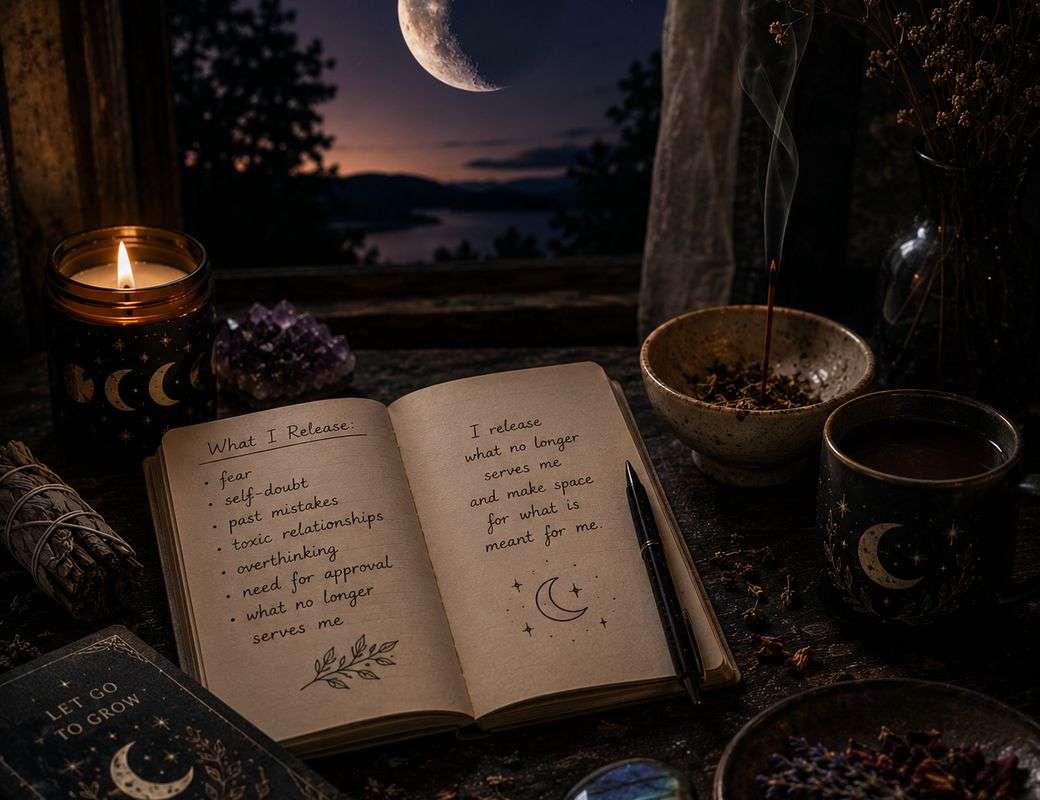
A simple Waning Crescent ritual
- let go of the obsolete and move forward
- devote time to heal and rest
- get inspired by your dreams
- smile more
- let go of all the resentments