What you carry didn't start with you
Pay close attention!
Article · 5 min read · ·
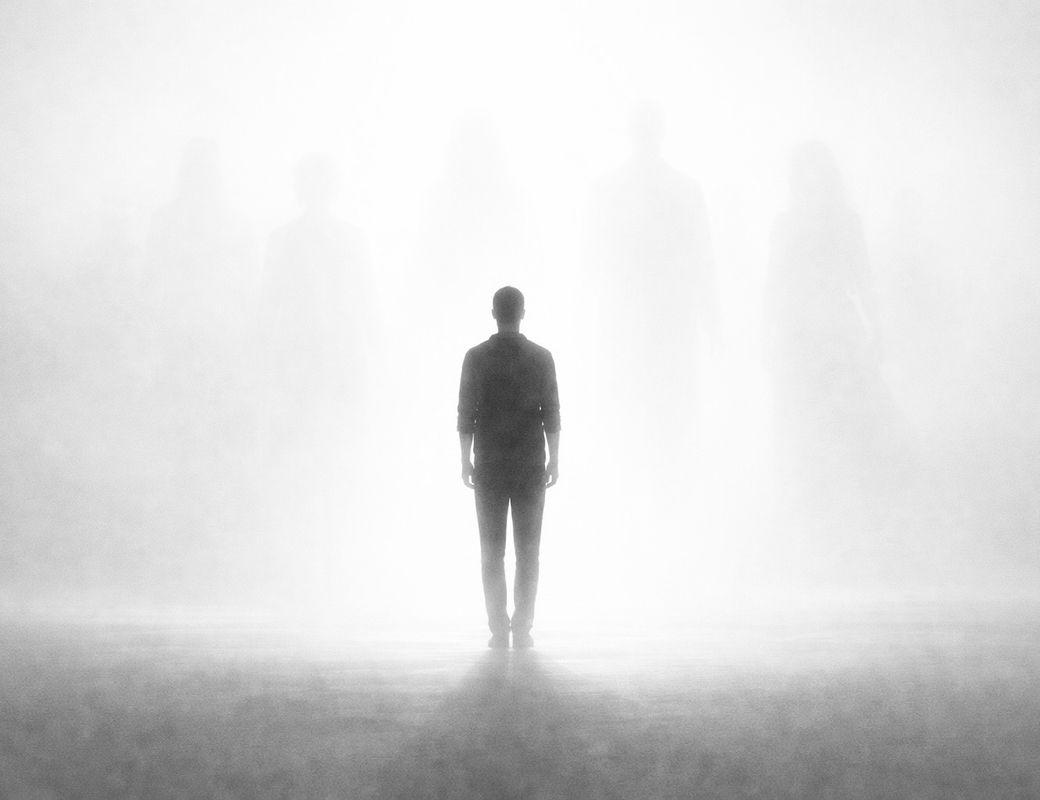
There are pains that have no clear origin. They don't arise from a specific event, nor do they respond easily to the logic of "why." A person observes their own life, reviews choices, analyzes their personal history, and still the feeling remains of carrying something old and heavy, as if living with the consequences of decisions they never made.
This kind of experience isn't uncommon. In many cases, suffering isn't born in the isolated individual, but in a broader field: that of emotional, symbolic, and behavioral inheritance transmitted across generations.
Ancestry as a living field
When we speak of ancestry, we're not dealing with an abstract or merely spiritualized idea. We're talking about a real field of psychic, emotional, and relational transmission. Families don't just transmit genes. They transmit ways of reacting to fear, loss, authority, affection. They transmit silences, implicit beliefs, survival strategies, and stories that were never fully worked through.
When we don't understand the context of our ancestors, we tend to repeat their conflicts unconsciously. This repetition doesn't happen due to lack of will or intelligence, but because what isn't seen continues to act. Awareness interrupts cycles; ignorance perpetuates them.
Understanding the past doesn't mean justifying mistakes or romanticizing old pains. It means recognizing that we exist within a human continuity. Every family carries stories of loss, difficult choices, unsymbolized traumas, and decisions made under extreme conditions. When these experiences don't find resolution, they reappear as recurring emotional patterns.
Where confusion arises
It's at this point that many people feel confused. They go to therapy, study, seek spirituality, try to change habits and behaviors, but something remains off. Not because the work is wrong, but because it's incomplete. What's missing is looking beyond one's own biography.
The person tries to resolve in the present something that belongs to an earlier context. The effort is there, but the field of influence hasn't been fully recognized. This generates exhaustion, frustration, and the feeling of always starting over from the same point.
The inheritance
Every family transmits more than the stories told. It transmits grief that was never mourned, injustices that were never named, ruptures that were never integrated. These contents don't disappear with time. They reorganize.
A fear that couldn't be lived in one generation may emerge as diffuse anxiety in another. An unprocessed loss may manifest as depression with no apparent cause. A secret held for decades may resurface as guilt, inadequacy, or a constant sense of threat.
None of this implies determinism. Inheritance isn't a closed fate. But it establishes a field of influence that needs to be recognized before it can be transformed.
When someone realizes they're carrying a burden that doesn't seem entirely their own, that awareness already signals a movement toward maturity. Consciousness begins to shift from the purely individual plane to a historical and relational one.
Breaking cycles isn't breaking bonds
One of the biggest misconceptions in this kind of work is believing that understanding family history requires rejecting one's ancestors or condemning their choices. That's not it. True understanding is born from contextualization, not judgment.
Each generation responded to the conditions it encountered. Many choices that seem misguided today were, at the time, survival attempts. When this is recognized, something reorganizes internally. Anger loses its grip. Confusion gives way to clarity.
Breaking cycles doesn't mean denying one's origin. It means interrupting unconscious repetition. It's possible to honor the history without reproducing its impasses. It's possible to love the lineage without remaining imprisoned by it.
Transgenerational healing isn't an act against the past, but a responsible gesture toward the future.
The responsibility of those who see
In every lineage, there comes a moment when someone begins to perceive the pattern. It's not always the oldest, nor the strongest. It's simply the one who, for some reason, has developed enough awareness to see.
This person often feels more weight. Questions more. Feels out of place. But this isn't punishment. Seeing the pattern is the first step toward transforming it.
Whoever interrupts a cycle doesn't do it only for themselves. They also do it for those who came before and couldn't see, and for those who will come after and won't need to carry the same burden. This responsibility shouldn't be romanticized, but it should be recognized. It requires courage, patience, and willingness to move through internal discomfort.
Conscious integration
Recognizing inheritance isn't an intellectual exercise. It's a living process. Certain practices help integrate this field in a healthy way:
🥀 Observing recurring emotional patterns without immediate judgment
🥀 Investigating family history with curiosity, not accusation
🥀 Differentiating what belongs to one's own experience from what was inherited
🥀 Taking responsibility for current choices, even while recognizing past influences
Inheritance only becomes a prison when it remains unconscious. When recognized, it transforms into a possibility for choice.
Healing doesn't erase
Healing isn't about forgetting or erasing difficult events. Healing is integration. It's allowing the past to find an appropriate symbolic place, without continuing to govern the present invisibly.
When this happens, repetition loses force. Energy once trapped in conflict is released. Choices become less reactive. Relationships change in tone. Life gains more room for decision.
This process is gradual. But each conscious step reduces the weight transmitted to future generations.
The future begins now
By understanding the context of our ancestors, we stop fighting only against symptoms and begin working with deep causes. Healing ceases to be merely personal and becomes an ethical act with the continuity of life.
Those who make this movement don't become superior. They become more responsible. They learn to live with less repetition and more clarity.
The past cannot be changed. But the way it acts within us can. And that's enough to alter the course of an entire lineage.
A verdadeira cura começa quando reconhecemos o que não escolhemos, para finalmente escolher o que faremos com isso.
Responses (1)
More from the Magazine

A Ritual for Reclaiming Your Personal Power
Create a grounding ritual to reconnect with your values, boundaries, and ability to choose your next
The ADHD Witch's Guide to Practicing Magic When You Forget Everything
Build a practice around your actual brain, not the imaginary organized person you keep trying to be

The Trigger of Embarrassment
Let's tap into the Ego and how we can release the control it desires.