The Hidden Magic of Easter
Symbols of Renewal, Fertility, and Sacred Transformation
Article · 8 min read · ·
Introduction: A Festival of Resurrection and Rebirth
Easter, celebrated this year on Sunday, April 5, is often understood through a Christian lens as a commemoration of resurrection. Yet beneath its modern traditions—pastel colors, chocolate treats, egg hunts—lies a much older, deeply magical tapestry woven from pagan rites, seasonal cycles, and ancient symbols of fertility and renewal.
Easter arrives in the heart of spring, a liminal threshold where the world itself begins to stir awake. The soil softens, green shoots push upward, and life re-emerges where there was once only stillness. In this sense, Easter is not merely observed—it is experienced. It is the moment where transformation becomes visible, where what was hidden begins to reveal itself.
To understand Easter is to step into a symbolic language of magic—one spoken through eggs, rabbits, sweetness, color, and the quiet miracle of returning life.
The Egg: Cosmic Seed of Creation
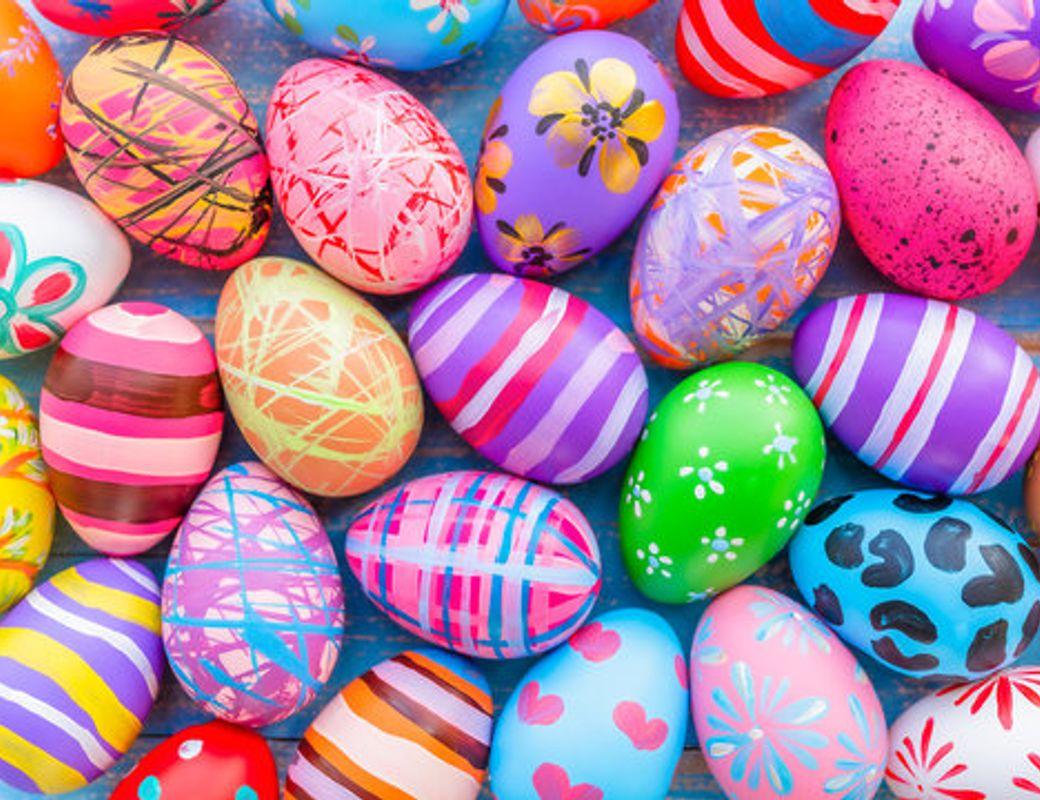
At the center of Easter symbolism rests the egg, deceptively simple yet cosmically profound. Across ancient traditions and cosmologies, the egg was not just seen as a beginning—it was the beginning. In several creation myths, the universe itself emerged from a primordial egg, a sealed and sacred vessel that contained all existence before it was born into form. This idea of the “world egg” appears in cultures across time, suggesting a shared intuitive understanding of the egg as the birthplace of creation itself.
Because of this, the egg represents potential in its purest state, the unseen becoming the seen, and the quiet incubation of transformation. What appears still and lifeless on the outside is, in truth, alive with movement and change within. It is this paradox that gives the egg its enduring magical power.
The tradition of decorating eggs becomes something far more than playful artistry. It echoes ancient ritual practices in which intention was infused into physical objects. To color, adorn, or bless an egg is to symbolically impress desire, hope, and manifestation onto the very essence of becoming. In various folk traditions, eggs were used for cleansing rituals, absorbing negative energy and revealing hidden truths, acting as both protective talismans and instruments of divination.
During Easter, the egg becomes a mirror of the self. It reflects the parts of us still forming, still growing, still waiting for the right moment to break open and emerge into the light.
The Rabbit: Messenger Between Worlds
The Easter Bunny, often seen as a charming figure of childhood imagination, carries within it a far older and more sacred meaning. Rabbits have long been associated with fertility, not only because of their prolific nature, but because they embody the rapid, unstoppable force of life itself when it begins to awaken.
They are also creatures of the liminal, moving between the hidden world of burrows and the visible world above ground. This connection to both realms lends them an almost mystical quality, as though they are intermediaries between what is seen and unseen. Their nocturnal habits and subtle ties to lunar cycles further deepen their association with intuition, mystery, and the rhythms of the natural world.
In many ancient traditions, rabbits were linked to spring deities and goddesses of fertility, reinforcing their role as symbols of renewal. When paired with the egg, their symbolism becomes even more potent—creation delivering creation, life ushering in more life.
The rabbit, then, is not merely a symbol of abundance, but of the unseen forces that stir beneath the surface, preparing the world—and ourselves—for transformation.
Chocolate and Sweetness: The Alchemy of Joy
Chocolate, now inseparable from Easter celebrations, carries a rich symbolic and historical weight that extends beyond simple indulgence. Derived from cacao, it was once considered sacred, used in ritual contexts to connect the physical body with emotional and spiritual states.
Its presence during Easter speaks to something deeper than celebration. Sweetness, in a symbolic sense, represents reward, fulfillment, and emotional nourishment. After the austerity of winter—or, in spiritual terms, after periods of hardship or introspection—sweetness returns as a reminder that life is not only meant to be endured, but also enjoyed.
To consume chocolate during Easter can be seen as an act of quiet alchemy, drawing joy inward, softening the heart, and inviting pleasure back into the body and spirit. It becomes an edible expression of abundance, a small but meaningful ritual of receiving.
Pastels and Spring Colors: The Subtle Language of Renewal
The soft pastel palette of Easter—gentle pinks, pale yellows, fresh greens, delicate purples, and light blues—reflects the earliest expressions of spring’s awakening. These are not the bold, full colors of summer, but the tender, emerging hues of life just beginning to return.
These colors carry an energetic softness, embodying new beginnings in their most fragile and hopeful form. Yellow echoes the returning warmth of the sun and the spark of vitality. Pink speaks to emotional renewal, compassion, and the reopening of the heart. Green emerges as the color of growth and reconnection with the earth, while purple holds the quiet mystery of spiritual transformation and inner awakening. Blue reflects calm, clarity, and the expansive nature of open sky after the heaviness of winter.
Together, these pastel tones create a visual spell—one that gently aligns the observer with the frequency of rebirth, inviting transformation not through force, but through quiet resonance.
Chicks and Lambs: Innocence, New Life, and Sacred Beginnings
Alongside rabbits and eggs, Easter imagery is filled with chicks and lambs—symbols that deepen the theme of renewal through their embodiment of life at its most tender stage.
Chicks, newly hatched, represent the completion of a sacred process. Where the egg symbolizes potential, the chick is its fulfillment—the moment when what was hidden breaks through into existence. Their fragility and softness speak to the vulnerability inherent in all beginnings, reminding us that new life, whether literal or metaphorical, must be nurtured with care.
Lambs carry a parallel, yet distinct, symbolism. As one of the first animals born in spring, they naturally became emblems of renewal, continuity, and the gentle return of life to the land. In spiritual traditions, particularly within Christianity, the lamb also takes on deeper meaning as a symbol of purity, sacrifice, and divine love, representing innocence transformed through offering.
Together, chicks and lambs form a symbolic language of beginnings—one that honors both the miracle of birth and the sacred tenderness required to sustain it.
The Easter Basket: Vessel of Abundance and Intentional Magic
The Easter basket, often filled with colorful eggs, sweets, and small treasures, carries a symbolism that is both ancient and deeply magical. At its core, the basket is a vessel—a container designed to hold, receive, and gather.
In agrarian traditions, baskets were used during harvest to collect what the earth had provided, making them natural symbols of abundance, reward, and gratitude. When this imagery is carried into Easter, the basket transforms into something more intimate: a reflection of what we are ready to receive after a season of waiting, growth, or inner transformation.
The act of filling an Easter basket can itself become ritualistic. Each item placed within it holds symbolic weight, whether consciously intended or not. Eggs speak to potential and becoming, sweets to joy and emotional nourishment, and small gifts to blessings yet to unfold. In this way, the basket becomes a physical manifestation of intention—a curated space where desire, gratitude, and hope converge.
Even the tradition of discovering the basket, often hidden and then revealed, mirrors a deeper spiritual truth. Abundance does not always arrive through force or control; often, it is uncovered, recognized, or received when the time is right. This element of surprise reflects the nature of life’s blessings, which frequently appear in ways we do not expect.
The Easter basket, then, is more than a festive tradition. It is a symbolic container of possibility, a quiet ritual of receptivity, and a reminder that we are not only creators of our lives, but also participants in the act of receiving.
The Resurrection Archetype: The Sacred Cycle of Becoming
At its heart, Easter is a story of resurrection—but this is not a concept confined to religion. It is a universal archetype, woven into the fabric of existence itself.
It is the pattern of descent into darkness, the stillness of transformation, and the eventual return to light. It is winter giving way to spring, grief softening into healing, and endings reshaping themselves into beginnings.
This archetype is deeply magical because it speaks to an eternal truth: nothing truly ends. Everything transforms.
Easter, therefore, becomes a powerful moment for reflection and intention. It invites us to release what no longer serves, to honor the transformations we have undergone, and to step consciously into the next phase of our becoming.
Conclusion: A Living Spell of Renewal
Easter is not merely a holiday—it is a living, breathing spell cast by the turning of the earth itself.
Through eggs, rabbits, chocolate, pastel colors, chicks, lambs, and baskets, we participate in an ancient language of symbolism that speaks directly to the soul. Each element carries within it a story of life returning, of transformation unfolding, of possibility awakening.
To engage with Easter consciously is to align oneself with this rhythm—to recognize that within us, too, something is always being reborn.
And like the primordial egg of creation, like the first bloom, like the fragile chick breaking through its shell, that transformation comes in its own time—quiet, sacred, and undeniably magical. ✨
Responses (3)
More from the Magazine
The ADHD Witch's Guide to Practicing Magic When You Forget Everything
Build a practice around your actual brain, not the imaginary organized person you keep trying to be

The Trigger of Embarrassment
Let's tap into the Ego and how we can release the control it desires.
Protection Magic Is More Than a Jar of Salt
The folklore of warding, the psychology of safety, and the boundaries that matter in real life