The Difference Between Incense and Smudge
Understand the distinction between everyday aromatic incense and culturally specific smoke-cleansing
Article · 4 min read · ·
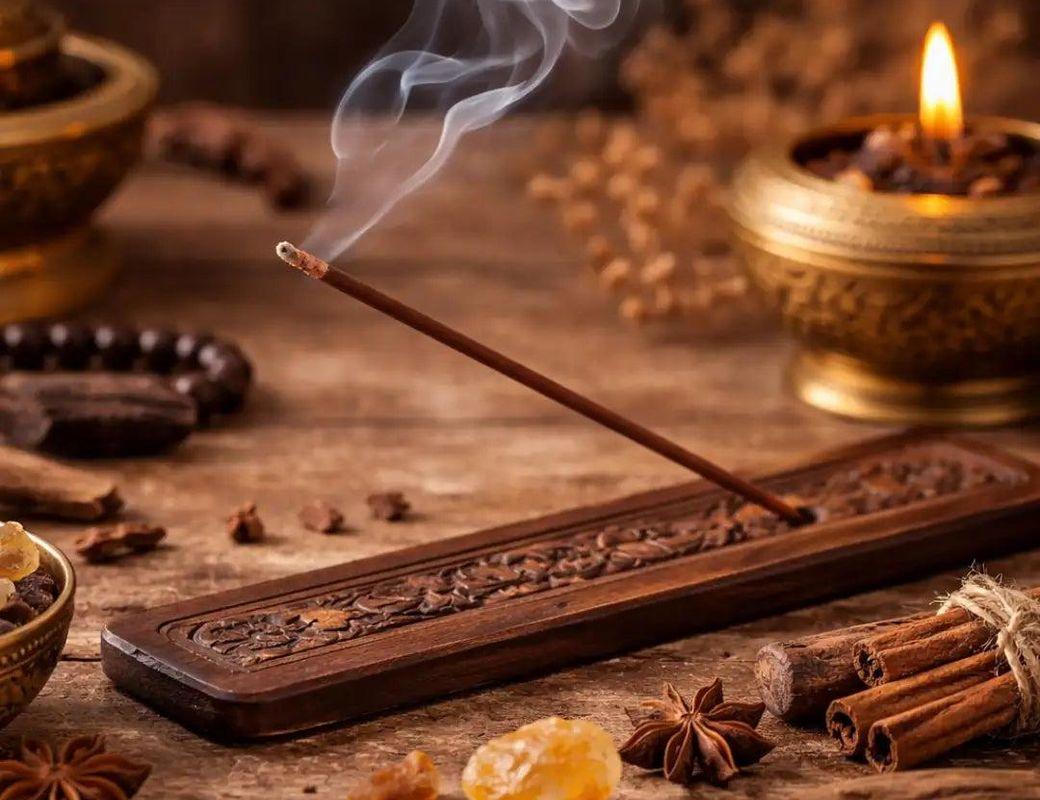
Smoke appears in many religious, spiritual, and cultural practices. It can accompany prayer, mark a ceremonial moment, create a contemplative atmosphere, or symbolize purification and transition.
However, the words used to describe these practices are not always interchangeable. Understanding the difference between incense and smudging means looking at the materials involved, the purpose of the practice, and the cultural context in which it takes place.
What Is Incense?
Incense is a broad category of aromatic materials designed to release fragrance when heated or burned. It can take the form of sticks, cones, loose resins, or other preparations.
Incense has been used in religious ceremonies, domestic settings, meditation, and devotional practices across many parts of the world. Different traditions have their own materials, meanings, and methods of use.
In contemporary witchcraft, incense is often selected according to an intention. Lavender might be associated with calm, rose with affection, and frankincense with contemplation. These associations vary and should not be treated as universal rules.
Incense can also be used simply because someone enjoys a particular fragrance.
What Does Smudging Mean?
The word smudging is often used in English to describe particular smoke-cleansing ceremonies practiced by some Indigenous peoples, especially in North America.
The meaning, materials, prayers, and protocols associated with these practices vary among nations and communities. For some practitioners, smudging is a sacred cultural or spiritual practice connected to identity, community, and relationships with the natural world.
It is therefore misleading to assume that smudging is simply another word for burning any fragrant plant.
Some people use the term more broadly in modern spiritual settings, but that usage can obscure the distinct cultural significance of Indigenous practices.
Are the Materials the Same?
Not necessarily.
Incense products may contain wood powders, resins, herbs, essential oils, and other ingredients. Their composition depends on the manufacturer and product.
Plants used in Indigenous ceremonial practices also vary by community and purpose. A plant that holds sacred significance in one tradition should not automatically be treated as a generic ingredient for any spiritual ritual.
For example, white sage is associated with particular Indigenous traditions, but it is not a universal cleansing plant for every culture. Its widespread commercial use has raised concerns about cultural appropriation and the sourcing of wild plants.
When exploring a practice, look beyond a product's marketing language and learn about the tradition connected to it.
What About Smoke Cleansing?
Some contemporary practitioners use the phrase smoke cleansing for a personal practice involving aromatic plants or incense.
Even then, it is useful to be specific about what you are doing. Burning incense to create a quiet atmosphere is different from participating in a sacred ceremony belonging to a particular community.
If you want to explore a tradition, seek information from knowledgeable practitioners and reliable sources connected to that tradition. Avoid assuming that all cultural practices are open to everyone or that their protocols can be recreated from a short online tutorial.
Choosing a Practice With Respect
If your goal is to mark the beginning of a ritual, create a contemplative atmosphere, or establish a moment of reflection, ordinary incense may be sufficient.
You could also use alternatives that do not involve smoke:
-
Open a window to refresh the room.
-
Clean and organize your space intentionally.
-
Use a bowl of water as a symbol of renewal.
-
Spend a few minutes in silence or meditation.
-
Place fresh flowers or another meaningful object nearby.
These alternatives can help create a ritual transition without claiming to reproduce a specific cultural ceremony.
Remember Smoke Safety
Burning materials indoors can release particles that irritate the respiratory system. Keep any incense use brief and well ventilated, follow the product instructions, and avoid exposure if you or someone nearby is sensitive to smoke.
Never leave burning materials unattended, and keep them away from children, pets, curtains, and other flammable objects.
Learning Before Burning
Incense and smudging may both involve smoke, but that shared element does not make them the same practice.
Understanding the distinction allows you to make more thoughtful choices about what you use, how you describe it, and which traditions you engage with. Curiosity is a valuable part of spiritual exploration, and respect is what helps that curiosity become meaningful learning.
Responses
No responses yet — start the conversation.