The Autumn Witch's Apothecary
Herbs, Folklore, and Blessings for the Changing Season
Article · 15 min read · ·
Autumn has a way of working its own quiet magic. It comes in on the cooler winds, is to be found under fallen leaves and in the earthy scent of herbs put by before the turn of the season.
Herbs have been an integral part of human history for centuries. They have given flavor to our food, been used in traditional medicine and religious rites, and stood as emblems of remembrance, courage, protection, and renewal. In the days before modern pharmacy, gardens planted with plants were thought to have extraordinary qualities. Some were for the table or for their smell, others for remedies and spiritual purposes. The herb gardens of medieval Europe were no exception; sage, rosemary and thyme were standard, each with a long history of use [1].
To the folk witch of today, such plants are a link to the natural world and to those who came before and made much of the everyday. As autumn rolls in, it’s the perfect time to explore four delightful herbs: rosemary, sage, thyme, and bay laurel. Let’s take a closer look at what makes these herbs so special! All have a history that should not be forgotten. Put them to use, and they can make a simple blessing for the home this season.
The Apothecary and the History of Herbal Traditions
An apothecary is a word that evokes images of wooden shelving, glass bottles, and dried flowers alongside handwritten tomes of botanical lore. In the past, apothecaries were in the business of preparing and vending medicinal compounds. They drew their work from current medical knowledge as well as from the old traditions of herbalism and natural philosophy.
In medieval Europe, we would find herbs grown for both the kitchen and medicine in monasteries and homes. Herbals and other texts record the appearance and uses of plants, along with their purported properties. A good example is the University College London’s re-creation of an early medieval garden, which has rosemary, sage and thyme among its offerings, all of which are attested in manuscripts and by archaeology [1].
However, there is a gap between the herbal medicine of history and the evidence-based kind of today. Some remedies come from old religious beliefs or medical ideas that we no longer use. While it’s true that some herbs are now associated with magic, they might not have a magical history to go along with that. It's great to recognize this difference! To get to know the history of folk witchcraft is to tell apart what was done in the past from what modern practitioners have put together. With this understanding, we can open up the autumn apothecary.
Rosemary: The Herb of Remembrance
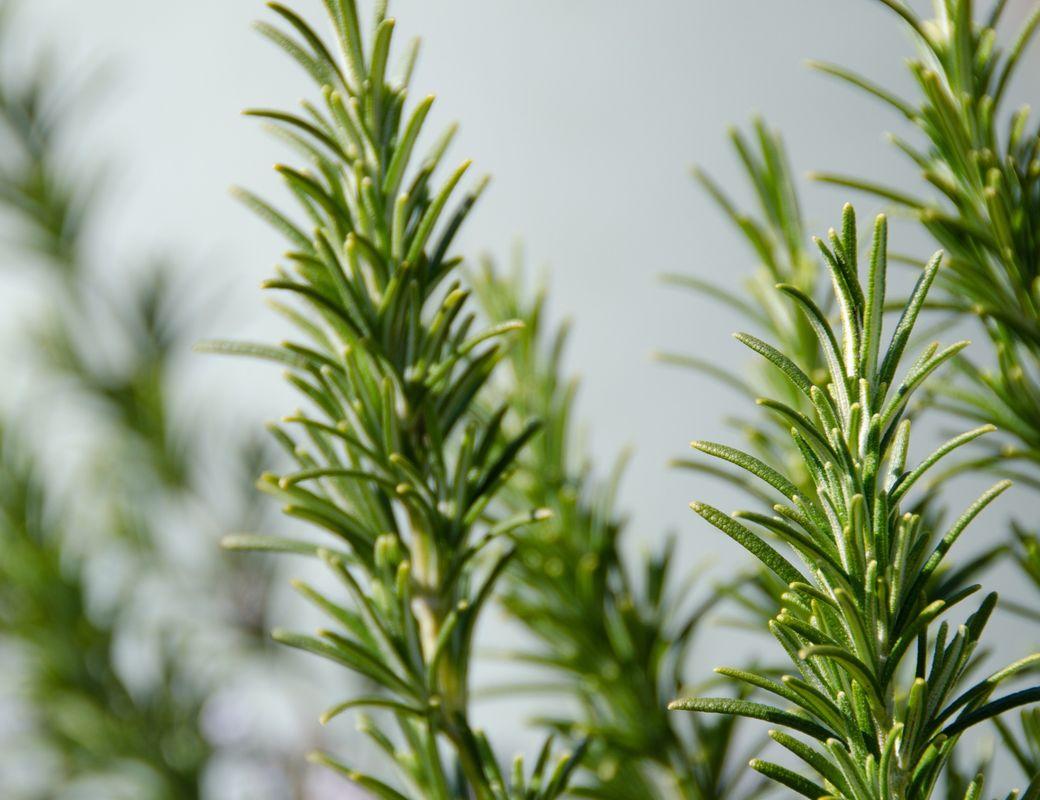
Botanical name: Salvia rosmarinus (formerly Rosmarinus officinalis)
Historical associations: Remembrance, mourning, friendship, and fidelity
Modern ritual associations: Memory, protection, clarity, and emotional connection
In European tradition, rosemary is perhaps the most recognizable herb for remembrance. For centuries, its evergreen leaves and distinctive scent have been a fixture in the garden, the kitchen, and at ceremonies. In early modern England, rosemary was used at weddings and funerals as an emblem of memory, affection, and lasting ties. William Shakespeare put this into words in Hamlet, with Ophelia’s line “There’s rosemary, that’s for remembrance,” capturing the broader cultural view of the plant as a symbol of mourning and memory [2]. It was also used in seasonal decor and celebrations, a symbol not confined to either joy or sorrow. Autumn is a time when rosemary seems especially used. With the shortening days and the world around turning to its more subdued season, thoughts often turn to family and those who have made an impression on one’s life. While modern folk witchcraft has come to link rosemary with protection and purification, any talk of ancient spells should be viewed with some reserve unless there is historical proof to back it up.
A Simple Rosemary Remembrance Practice
Put a sprig of rosemary, fresh or dried, in some fitting spot by way of remembrance: next to a family picture, in the grimoire, or close to a book that you are fond of. Stop for a moment and think of an individual who has made an impression on your life.
If you wish to put it into words, say:
“Through leaf and memory I honor what is left. Let there be lasting gratitude and let the kindness of those who have gone before me be carried on in my deeds.”
Leave the rosemary as a token to yourself. Consider this a modern form of reflection, drawing on the herb's historical symbolism rather than any recreation of an old rite.
Sage: The Herb of Healing and Wisdom
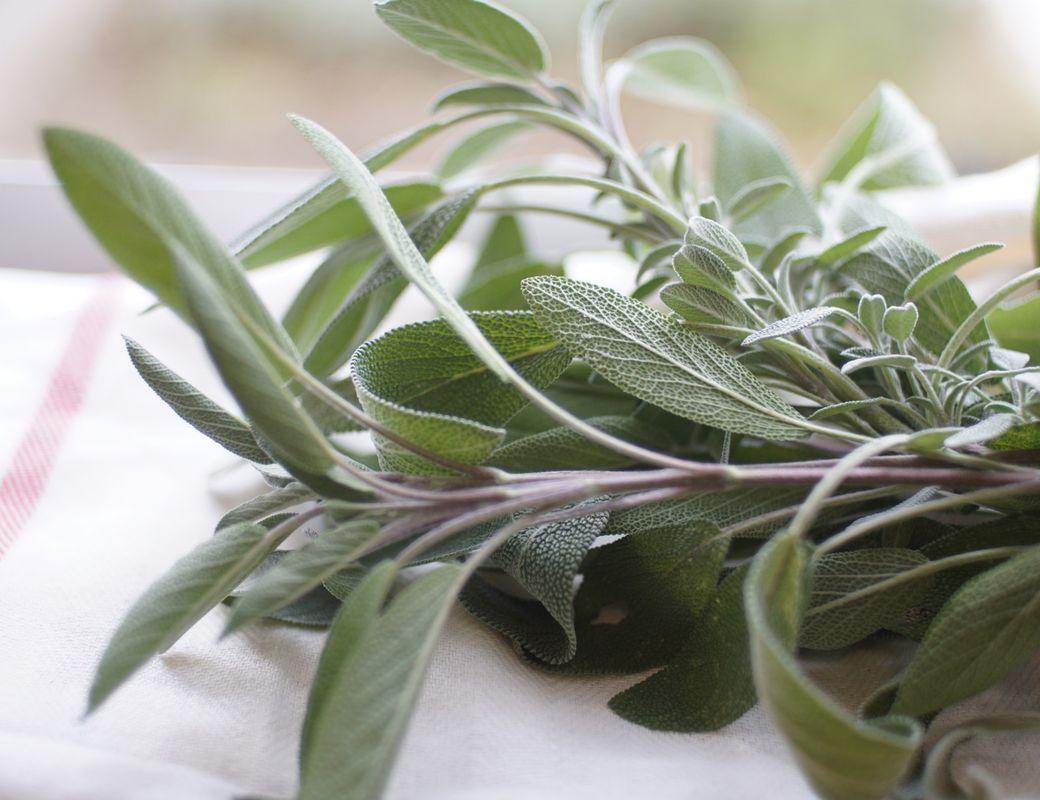
Botanical name: Salvia officinalis
Historical associations: Medicine, well-being, and household cultivation
**Modern ritual associations: **Wisdom, cleansing, protection, and renewal
Sage is a plant with deep roots in European herbal medicine. The very name Salvia harks back to Latin for health and well-being, an indication of the regard the plant has historically commanded. In medieval Europe, it was a medicinal herb of some standing, its applications set down in many a medical and botanical text. The Metropolitan Museum of Art points to sage’s presence in the medical traditions of the day, such as in the works of Hildegard of Bingen and other herbalists [3]. It was so well known that there was even a medieval saying that wondered why anyone would need to die when they could simply have sage growing in their garden! This is more an expression of old belief than any scientific evidence that the herb cures or wards off death. It was prized for its kitchen-handiness as well as for its fragrance and putative medicinal value.
Sage and Spiritual Cleansing
In modern times, sage is often used for spiritual cleansing, but the histories are not all the same. It’s important to distinguish between the European garden sage, Salvia officinalis, and white sage, Salvia apiana. Each has its own unique place, especially since white sage is connected to Indigenous ceremonial practices. Let’s appreciate their differences. While a contemporary witch might make use of garden sage, saying that every present-day ritual of this kind is a continuation of some ancient European practice would misrepresent the facts. I like to work with the herb in my own practice for what it stands for: wisdom, renewal, and well-being.
A Simple Sage Reflection
Put a handful of dried leaves from the garden sage in a small bowl on the altar or writing desk. Take a moment to reflect on everything you've overcome in the past year. Whether it's tackling a tough challenge, recognizing a habit you want to change, or discovering something new about yourself, every step forward is worth celebrating.
You can put it this way: “I honor the lessons that have made me and welcome the wisdom and patience to see my path with greater clarity.”
Let the leaves remain in the bowl as you reflect or journal. There is no need to burn them.
Thyme: The Herb of Courage
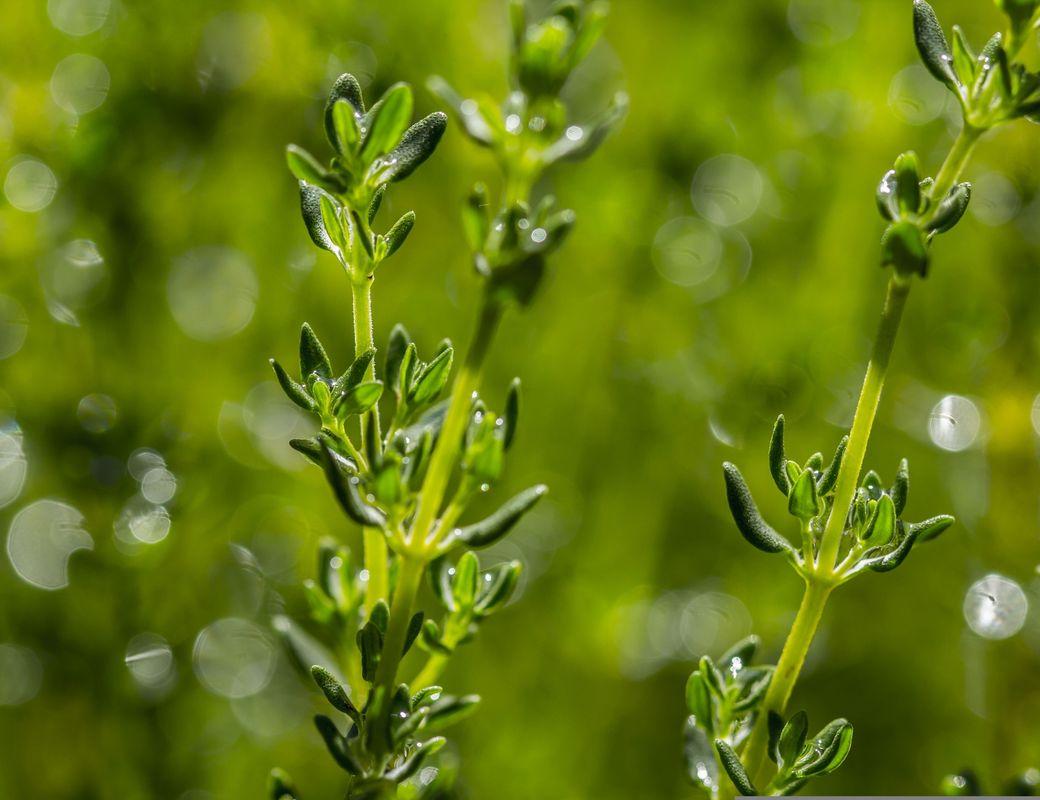
**Botanical name: **Thymus vulgaris
**Historical associations: **Courage, traditional medicine, and household use
**Modern ritual associations: **Strength, perseverance, confidence, and resilience
Thyme is a little herb with a great deal of fragrance and an extensive past to match. Originating in the Mediterranean, it was much prized in the cultures of ancient Greece and Rome and eventually made its way into medieval Europe. The McCormick Science Institute notes that Roman custom linked thyme with courage; in the folklore of the Middle Ages, the herb was tied to bravery and protection. We can find historical records of thyme being presented to soldiers or included in symbolic gifts [4]. It was also held in high regard for its medicinal properties and its scent.
In contemporary folk witchcraft, thyme is regarded as a sign of personal strength, confidence, and courage. Such connotations are especially important in autumn. With the season turning, there is a sense that nothing will be quite as it was. The summer’s ways recede for something more subdued; the plants go, and the temperatures shift. But then again, change is not synonymous with loss. On occasion it takes courage.
A Thyme Blessing for Courage
Hold a sprig of thyme in your hands and consider what you have ahead of you. Be it a matter of some import, a trial of sorts, or just an uncertain time.
You might say: “I am strong enough to keep on growing. I dare to face what comes and will be steady in uncertainty and patient through hardship.”
Put the thyme by your journal or in a small pouch on the desk as a token of that resolve. The herb is not a sure thing for courage or change. Rather, it is meant to stand as a symbol of the strength you are building.
Bay Laurel: The Herb of Victory and Renewal
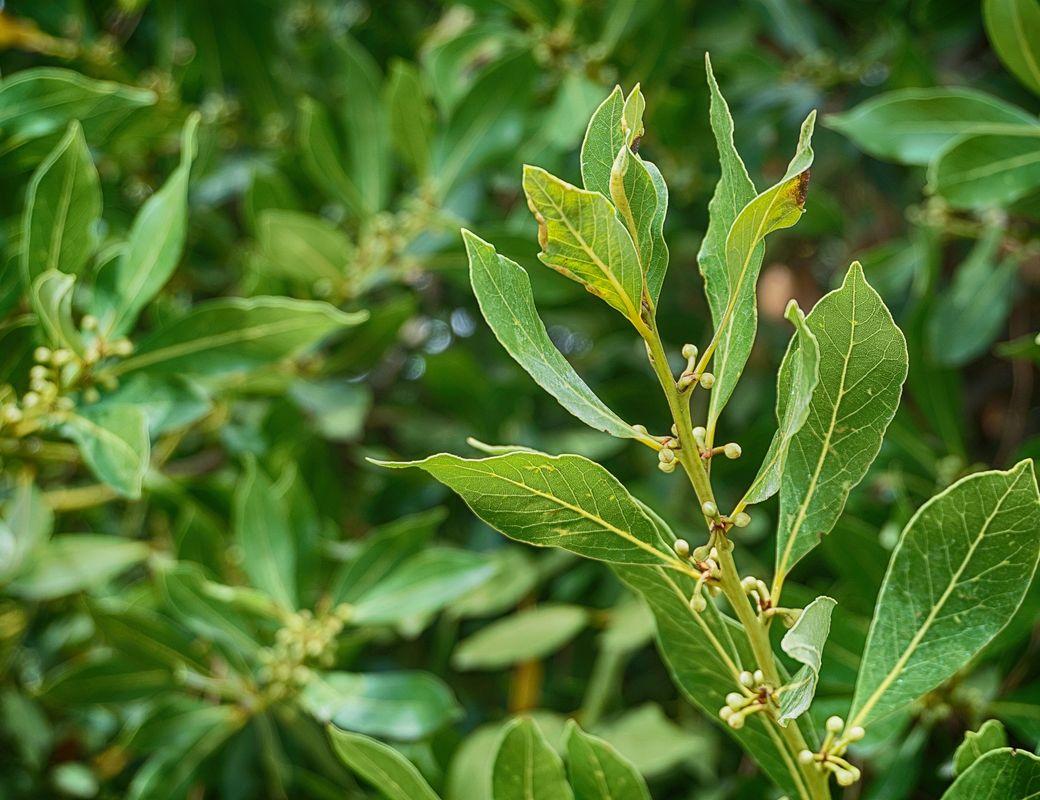
Botanical name: Laurus nobilis
**Historical associations: **Victory, honor, peace, Apollo, and enduring life
Modern ritual associations: Achievement, protection, success, and personal transformation
Of all the Mediterranean flora, bay laurel is hard to beat in terms of symbolic history. In ancient Greek and Roman history, the plant was associated with Apollo as well as with honor and victory. Wreaths of its leaves stood for recognition and accomplishment. The Metropolitan Museum of Art calls it an evergreen emblem of life and victory, and points to its role in classical Mediterranean ways [5]. That importance carried over into later European culture, with the plant figuring in art, ceremony, and gardens. In the right climate, it does not display the seasonal colors of a deciduous tree but remains green year-round. I think that really makes it a great herb for autumn! When the rest of nature appears to be winding down, the evergreen laurel is a reminder that life goes on through change.
A Bay Laurel Intention Practice
All you need is a pen and one dried culinary bay leaf. Put aside any unfinished business and think of something you have put to good use in the last year. Write a word on the leaf to mark what has been achieved:
-
Growth
-
Patience
-
Strength
-
Creativity
Put the leaf in a safe spot, under a stone on your altar or in your journal.
One can say: “I have grown by way of challenge, and I take that strength into the season ahead. I honor the journey that has brought me here.”
It is a modern exercise with roots in the old association of laurel with triumph.
Creating an Autumn Herb Bundle
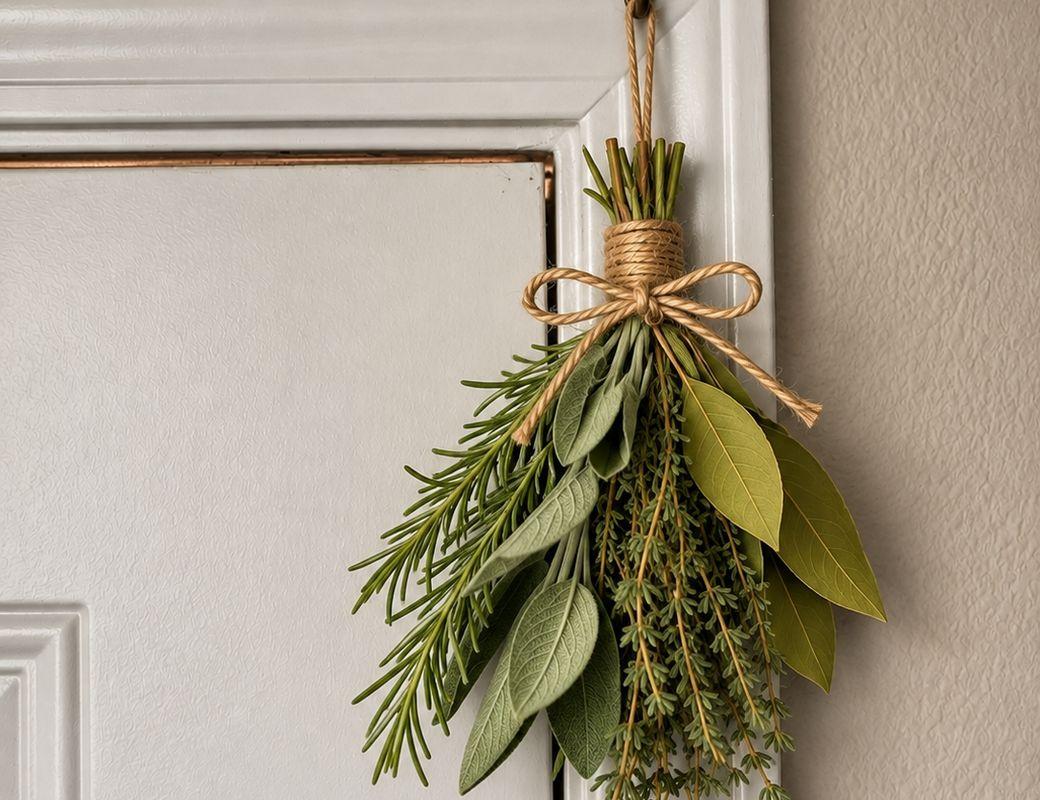
Having looked at the histories of these four herbs, we can put them to use in a simple seasonal ritual. Bundles are useful for decoration, fragrance, storage, and drying. What follows is my own folk-witchcraft version of a combination and blessing. The idea is to make a small bundle of remembrance, wisdom, courage, and achievement.
What You Will Need
- Two or three sprigs each of rosemary and garden sage
- A few sprigs of thyme
- Two or three bay laurel leaves
- Some natural cotton twine or string
- A piece of paper and pen (if desired)
- A dry, cool place to put up the bundle
Herbs should be fresh or well-dried, correctly identified, and free of pesticides.
Step One: Gather Your Herbs
Set the herbs out on a clean bit of wood. Make a small bundle of the rosemary, sage, thyme, and bay laurel. Give some thought to the symbolism of each. Rosemary for gratitude and remembrance. Sage for renewal and wisdom. Thyme for the perseverance and courage it stands for. And bay laurel for growth and achievement. We are drawing on historical lore, but this autumn blessing is new.
Step Two: Bind the Herbs
Bring the stems together and tie them off with the cotton. Make sure it is firm, but do not crush the leaves. Fresh bundles should be hung to dry in a ventilated spot, clear of heat and damp. Do not put them in a jar or pouch while they are still moist; trapped moisture will bring on mold.
Step Three: Speak Your Blessing
When ready, hold the bundle in your hands in a quiet corner.
“Rosemary for the memories I have,
Sage for the wisdom I would have,
Thyme to face what is coming with courage,
And laurel for the strength to grow.
As autumn comes to the land,
Let there be gratitude in this home
and kindness for those in it,
and let the season’s turn be a reminder
that an ending is room for the new.”
There's really no need to say it a bunch of times. Just expressing it once, with genuine feeling, is more than enough!
Step Four: Place Your Bundle
Find a meaningful spot in the house to hang it. Near the door, on a bookshelf, or on a personal altar will do. But keep it away from open flames, food prep, and the reach of children and pets. Think of it as a symbol of your intentions rather than a promise of protection. It's best to wait until the end of autumn or when you're ready to add a new one. Once the herbs start to look dusty and brittle, it's time to say goodbye to them, return them to the earth, and, if you would like, burn them with care.
The Difference Between Folklore and Modern Witchcraft
In studying folk practices, we have to accept that traditions are not static. The link between rosemary and remembrance is well documented; medieval writings attest to its use in herbal medicine. Historical and folkloric sources connect thyme with courage. And classical tradition is replete with bay laurel and its ties to honor and victory [2, 3, 4, 5]. Yet not every current rite with these plants is centuries old. Modern witchcraft is all about blending history with contemporary practices and personal intentions, and that’s totally okay! Just because a tradition is newer doesn’t mean it’s any less valid. For those of us fascinated by anthropology, understanding the origins of practices is important, and being open about them enriches our experience. Folklore illustrates how people have interpreted their world over time, while contemporary rituals reveal how those interpretations are changing. Both are fascinating and deserve our appreciation.
A Note on Herbal Safety
These plants may have a long record of medicinal application, but that history is no guarantee of an herb’s safety or efficacy in treating medical ailments. European garden sage, for example, has essential oils, and some medicinal preparations can be injurious in concentrated form [6]. For those who are pregnant or nursing, on medication, or otherwise under a doctor’s care, it is best to get professional advice before the use of any concentrated herbal product.
The ritual put forward here is for decorative and symbolic ends only. We should not burn the bundle inside, apply concentrated oils to the skin, or put the bundle in one’s mouth. Pet owners, please keep in mind that certain plant materials and essential oils can be bad for animals. A good rule is to conduct a ritual with respect for both tradition and the living things in the home.
Closing Thoughts: What We Carry Into the Changing Season
Autumn is invariably a time for reflection. With the shortening days and the change in the air, the world makes ready for what is to come. Still, life goes on under the leaves and flowers in decline. The herbs in our gardens have been there for centuries, providing fragrance and beauty as well as a link to those who grew them in the past. Rosemary is to remember; sage to pursue wisdom; thyme stands for courage; and bay laurel is a reminder of how far we have gone. Taken together, they derive their meaning not from any supernatural quality we can demonstrate, but from the way people endow the natural world with significance. It is an old kind of magic, to take the ordinary and let its history speak to us of what is important.
As autumn makes its quiet way to winter, let us hold on to the memories, achievements, lessons, and courage that have made us what we are. And let us not forget that even when a season is at an end, there is space for growth.
References and Further Reading
[1] University College London. “ASE's Medieval Garden | 2 | Cuisine and Cures.” UCL Faculty of Social & Historical Sciences, 2021.
https://www.ucl.ac.uk/social-historical-sciences/news/2021/dec/ases-medieval-garden-2-cuisine-and-cures. Accessed 7 Nov. 2026
[2] “Rosemary: The Herb of Ritual and Remembrance.” JSTOR Daily.
https://daily.jstor.org/rosemary-the-herb-of-ritual-and-remembrance/ . Accessed 7 Nov. 2026
[3] Larkin, Deirdre. “Salvia, Save Us.” The Medieval Garden Enclosed, The Metropolitan Museum of Art, 7 Sept. 2010. Accessed 7 Nov. 2026
https://blog.metmuseum.org/cloistersgardens/2010/09/07/salvia-save-us/
[4] “Thyme.” McCormick Science Institute. Accessed 7 Nov. 2026
https://www.mccormickscienceinstitute.com/resources/culinary-spices/herbs-spices/thyme
[5] “Green Victory.” The Medieval Garden Enclosed, The Metropolitan Museum of Art, 27 Jan. 2012. Accessed 7 Nov. 2026
https://blog.metmuseum.org/cloistersgardens/2012/01/27/green-victory/
[6] European Medicines Agency. Assessment Report on Salvia officinalis L., Folium and Salvia officinalis L., Aetheroleum. Committee on Herbal Medicinal Products.
https://www.ema.europa.eu/en/documents/herbal-report/draft-assessment-report-salvia-officinalis-l-folium-and-salvia-officinalis-l-aetheroleum_en.pdf. Accessed 7 Nov. 2026
Rosemary Image by Katharina N. from Pixabay. Accessed 7 Nov. 2026
Sage Image by Cristina Ferrigno from Pixabay. Accessed 7 Nov. 2026
Thyme Image by Benjamin Balazs from Pixabay. Accessed 7 Nov. 2026
Bay Laurel Image by Alexandra_Koch from Pixabay. Accessed 7 Nov. 2026
Autumn Bundle 1 & 2 Images by Damon Robi. Accessed 6 Nov. 2026
Responses
No responses yet — start the conversation.
More from the Magazine

🌿 The Art of Healing: Restoring the Mind, Body, and Spirit
Healing is one of the oldest and most meaningful practices found throughout human history.

Simmer Pot Power 🍲💓
How to cleanse your home with botanical steam.

Silence can protect you, too
You don’t always have to respond. Sometimes, a pause is just what you need to listen to yourself.