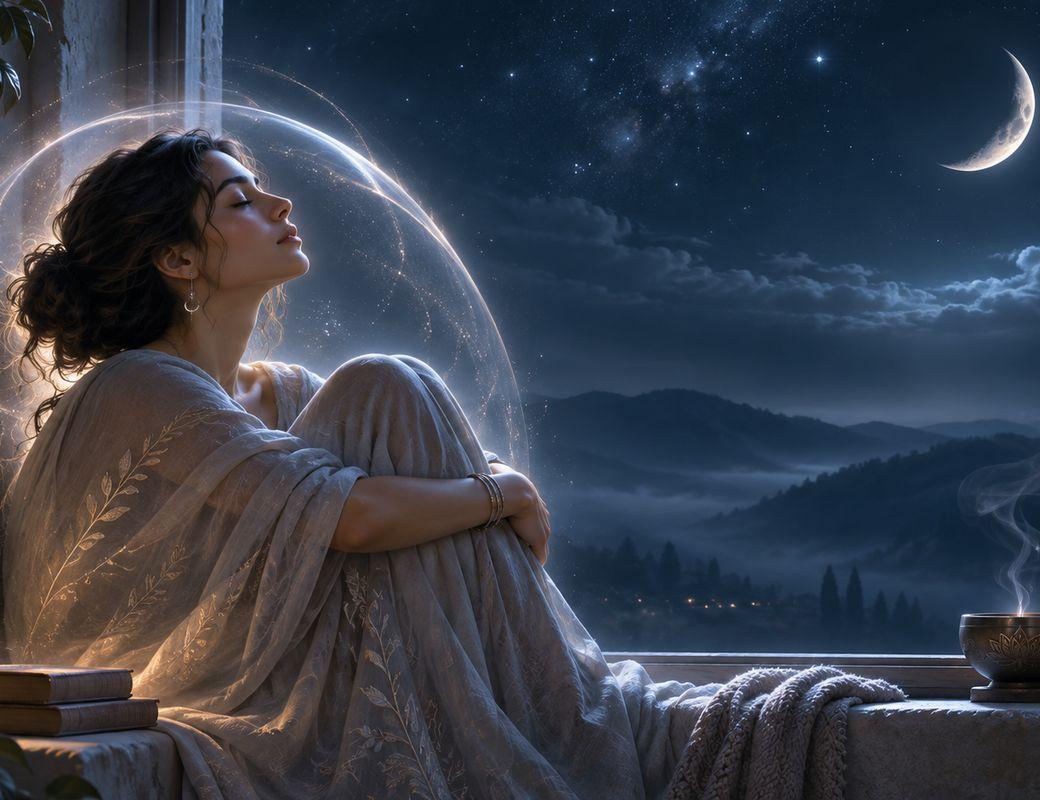
🌿 The Art of Healing: Restoring the Mind, Body, and Spirit
Healing is one of the oldest and most meaningful practices found throughout human history.
Article · 10 min read · ·
Across cultures, generations, and spiritual traditions, people have searched for ways to restore balance, find inner peace, overcome suffering, and reconnect with themselves.
In witchcraft and Pagan spirituality, healing is often viewed as a journey of restoring harmony between the mind, body, spirit, and natural world. It is not simply about removing pain or making difficulties disappear. It is about acknowledging our experiences, nurturing our inner strength, and creating space for transformation.
Healing does not always happen quickly. Sometimes it begins with a single breath, a moment of forgiveness, or the decision to stop carrying something that has weighed upon us for far too long.
🌿 1. What Does Healing Really Mean?
Healing is the process of recovering, restoring, and learning to live with greater balance and well-being.
It can take many forms:
Physical Healing: Supporting the body as it recovers from injury, illness, exhaustion, or physical stress.
Emotional Healing: Processing grief, heartbreak, disappointment, anger, and painful experiences.
Mental Healing: Developing healthier thought patterns, building resilience, and finding ways to manage stress.
Spiritual Healing: Reconnecting with personal beliefs, values, intuition, and a sense of meaning.
These aspects of healing can influence one another. When we feel emotionally overwhelmed, our bodies may experience tension or fatigue. When we neglect our physical needs, our emotional well-being may suffer.
True self-care recognizes that we are whole beings, not separate pieces.
🔮 2. Healing Within Witchcraft and Pagan Traditions
Healing has an important place in many contemporary witchcraft and Pagan practices. It is often approached through intention, symbolism, meditation, ritual, connection with nature, and personal reflection.
A healing practice may involve:
-
Lighting a candle with an intention of peace and restoration.
-
Meditating to quiet the mind and reconnect with the present.
-
Working with crystals as symbolic reminders of personal intentions.
-
Creating herbal sachets or botanical arrangements.
-
Practicing grounding exercises.
-
Performing rituals focused on forgiveness, self-love, and renewal.
-
Spending time outdoors to reconnect with the natural world.
Different traditions have different approaches to healing. There is no single method that every witch must follow.
It is also important to understand that spiritual practices are complementary forms of personal reflection and support. They do not replace medical treatment, mental health care, or professional advice when those are needed.
💜 3. The Importance of Emotional Healing
Emotional wounds can remain with us long after the original experience has passed.
Heartbreak, betrayal, rejection, grief, and disappointment can affect the way we view ourselves and the people around us. Sometimes we become guarded because we are afraid of being hurt again. Other times, we hold onto anger because letting go feels like accepting what happened.
But emotional healing does not mean pretending that something never happened.
It means learning how to acknowledge the experience without allowing it to define your entire identity.
Consider these important steps:
Acknowledge Your Feelings: Give yourself permission to feel sadness, anger, fear, or disappointment without judging yourself.
Practice Self-Forgiveness: Understand that making mistakes does not make you unworthy of love or happiness.
Establish Boundaries: Recognize that protecting your peace sometimes requires saying no or stepping away from unhealthy situations.
Release What You Cannot Control: You cannot change another person's decisions, feelings, or actions. You can choose how you respond and what you allow into your life.
Allow Yourself Time: Healing is rarely a straight line. Some days will feel easier than others, and that does not mean you are going backward.
Remember, you deserve the same patience and compassion that you so freely offer others.
🌙 4. Healing and the Power of the Moon
The Moon has long been associated with cycles, emotions, intuition, transformation, and renewal.
In modern lunar spirituality, different Moon phases can provide symbolic opportunities for different types of healing.
New Moon — Beginning Again
A time for setting intentions, welcoming hope, and establishing new self-care practices.
Waxing Moon — Building Strength
A symbolic period for developing confidence, encouraging positive habits, and nurturing personal growth.
Full Moon — Illumination and Awareness
A time for reflection, emotional awareness, gratitude, and recognizing what needs attention.
Waning Moon — Releasing and Cleansing
A period traditionally associated with letting go of unhealthy patterns, resentment, and emotional burdens.
The Moon does not heal us by itself, but its changing phases can provide a meaningful structure for reflection and personal rituals.
🕯️ 5. A Simple Candle Ritual for Healing
This gentle ritual can help create a peaceful moment for reflection, self-compassion, and emotional renewal.
You will need:
-
One white or lavender candle.
-
A quiet and comfortable space.
-
A small piece of paper.
-
A pen.
-
Optional crystals or calming incense.
The Ritual:
-
Find a quiet place where you can relax without interruption.
-
Place your candle somewhere safe and light it.
-
Take several slow breaths, allowing your shoulders and body to relax.
-
Think about an area of your life where you need healing.
-
Write down what you wish to release, understand, or approach with greater compassion.
-
Place your hands over your heart and repeat:
By the gentle light, I welcome peace.
May the wounds of yesterday soften with time.
May my heart find courage, my mind find clarity, and my spirit find rest.
I release what I cannot change.
I honor the strength within me.
I deserve patience, compassion, and healing.
With every breath, I move toward renewal.
-
Sit quietly for a few moments and reflect on the words you have spoken.
-
Close the ritual by safely extinguishing your candle.
This ritual is not a promise that pain will disappear. It is a reminder to give yourself room to heal.
💎 6. Crystals Associated With Healing
Crystals have been used symbolically in many spiritual and cultural practices. In contemporary witchcraft, certain stones are associated with emotional balance, protection, calmness, and self-love.
Here are several commonly used examples:
Amethyst: Associated with tranquility, spiritual awareness, and meditation.
Rose Quartz: Symbolizes compassion, tenderness, forgiveness, and self-love.
Clear Quartz: Often associated with clarity, intention, and focus.
Black Tourmaline: Traditionally used as a symbol of grounding and protection.
Moonstone: Associated with intuition, emotional reflection, and feminine lunar symbolism.
Lepidolite: Commonly associated with calmness, transition, and emotional balance.
Crystals can serve as meaningful reminders of personal intentions, but they have not been established as medical treatments. Their use should complement, rather than replace, appropriate care.
🌱 7. Herbs and Their Traditional Healing Associations
Plants have played an important role in traditional medicine, folklore, and spiritual practices for thousands of years.
In witchcraft, herbs may be incorporated into rituals, sachets, baths, incense, and altar arrangements.
Some commonly used botanical correspondences include:
Lavender: Traditionally associated with peace, relaxation, and purification.
Rosemary: Associated with remembrance, protection, and cleansing.
Chamomile: Traditionally connected with comfort, tranquility, and prosperity.
Rose Petals: Symbolize love, compassion, and emotional tenderness.
Sage: Associated in some contemporary traditions with purification and cleansing. Different sage species have distinct cultural and ecological considerations.
Lemon Balm: Traditionally associated with comfort, happiness, and soothing energy.
Always research an herb before using it. Some plants can cause allergic reactions, interact with medications, or be unsafe during pregnancy. Never assume that a plant is safe to consume simply because it is natural.
🧘 8. Meditation, Grounding, and Energy Restoration
Healing often begins by slowing down.
Meditation and grounding practices can help us become more aware of our thoughts, emotions, and physical sensations.
A simple grounding exercise is to sit comfortably, place both feet on the floor, and slowly notice:
-
Five things you can see.
-
Four things you can physically feel.
-
Three things you can hear.
-
Two things you can smell.
-
One thing you appreciate about the present moment.
You can also try mindful breathing, gentle stretching, journaling, or spending time in nature.
In some spiritual traditions, energy work is used as a symbolic way of exploring balance and personal intention. Practices such as Reiki and chakra meditation are approached differently across traditions, and their spiritual meaning should be distinguished from scientifically established medical treatment.
🖤 9. Shadow Work: Healing the Parts We Hide
Shadow work is a contemporary spiritual and psychological practice involving reflection on aspects of ourselves that we may avoid, suppress, or struggle to accept.
It can involve examining fears, insecurities, emotional triggers, unhealthy patterns, and unresolved experiences.
The purpose is not to punish yourself for having difficult feelings. It is to develop greater self-awareness and understanding.
Consider these questions:
-
What situations tend to trigger strong emotional reactions in me?
-
What am I afraid other people might discover about me?
-
Do I find myself repeating patterns that I know are unhealthy?
-
What beliefs about myself might no longer be true?
-
What would I say to a younger version of myself who was hurting?
-
Where do I need to show myself more compassion?
Shadow work should be approached gently. You do not need to revisit painful memories before you feel ready. If reflection becomes overwhelming, pause and seek appropriate support.
🌸 10. The Most Important Healing Practice: Self-Love
Of all the spiritual practices associated with healing, self-love may be one of the most difficult to develop.
Many people find it easier to forgive others than to forgive themselves. They offer compassion to friends and family while holding themselves to impossible standards.
But healing requires a different relationship with yourself.
Self-love means:
-
Recognizing that your worth is not determined by other people's opinions.
-
Understanding that mistakes are opportunities to learn.
-
Refusing to accept mistreatment as the price of being loved.
-
Respecting your emotional and physical needs.
-
Celebrating progress, even when it seems small.
-
Allowing yourself to rest without feeling guilty.
-
Accepting that you are still growing.
You do not have to become a completely different person to deserve happiness. You are worthy of care and kindness exactly as you are.
📖 11. Healing Journal Prompts
Use these prompts during meditation, a quiet evening, or your next lunar ritual.
-
What does healing mean to me personally?
-
What emotional burden am I ready to put down?
-
What parts of myself have I neglected?
-
What do I need to forgive myself for?
-
What makes me feel safe, peaceful, and supported?
-
Which boundaries would help protect my well-being?
-
What positive changes would I like to make in my life?
-
How can I treat myself with more patience?
-
What does my heart need most right now?
-
What would moving forward look like for me?
Do not rush your answers. Sometimes the most meaningful discoveries come from allowing yourself to be completely honest.
✨ 12. The Deeper Meaning of Healing
Healing is not about becoming untouched by life's difficulties. It is about discovering that painful experiences do not have to determine the rest of your story.
You may carry memories of things you wish had happened differently. You may have experienced moments that changed how you trust, love, or see yourself.
But your past is not the entirety of who you are.
You are allowed to grow beyond old patterns. You are allowed to establish new boundaries. You are allowed to change your mind, rediscover your strength, and begin again.
Healing is not weakness. It takes courage to look inward, acknowledge pain, and choose a healthier path.
🌿 Final Thoughts: Give Yourself Permission to Heal
The journey of healing is deeply personal. There is no universal timeline, no perfect ritual, and no single spiritual practice that works for everyone.
Some days, healing may look like lighting a candle and meditating beneath the Moon. Other days, it may look like asking for help, attending an appointment, setting a boundary, or simply getting out of bed and trying again.
Every small step matters.
Remember that you do not have to carry every burden alone, and you do not need to have everything figured out today.
May your heart find peace, your spirit find strength, and your journey lead you toward a life filled with compassion, balance, and renewal.
Healing begins when you give yourself permission to become whole in your own time. 🌿
Responses
No responses yet — start the conversation.