The Alchemy That Lives in Alone Time
How sacred solitude rewires the nervous system
Article · 6 min read · ·
I want to tell you about the afternoon I accidentally rewired my nervous system.
I had been practicing the stillness for weeks. Ten minutes here. Twenty minutes there. Nothing dramatic. Just me and the quiet, learning to share space.
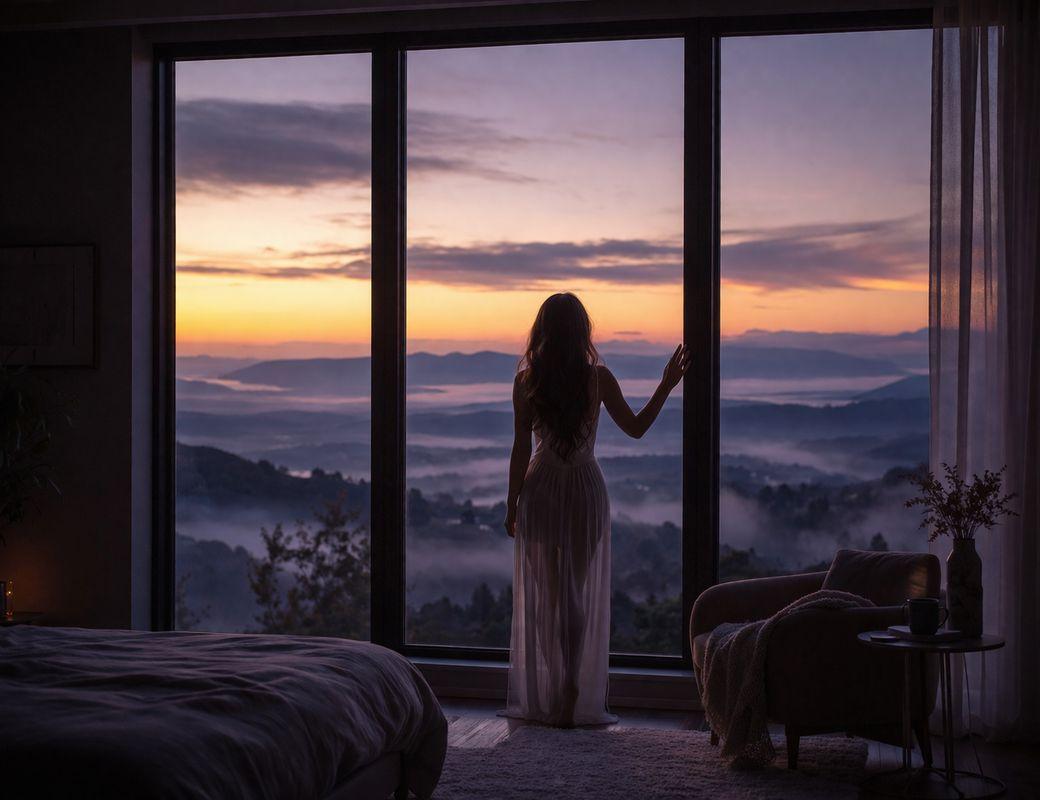
One Saturday, I woke up early—too early for plans, too early for obligations. The apartment was dark. The world was asleep. I made tea without thinking, sat by the window without checking my phone, and watched the sun rise.
No agenda. No timer. No "inner work."
Just me, the steam from my mug, and the slow, patient light spreading across the sky.
About an hour in, I noticed something strange. My shoulders had dropped. Not because I had forced them. They had just… relaxed. My jaw was unclenched. My breath was slow, deep, automatic—the kind of breath you don't have to manage because nothing is asking you to brace.
I wasn't doing anything. I wasn't fixing, healing, processing, or becoming. I was just being.
And my nervous system, for the first time in memory, had no reason to scan for threat.
This was the alchemy. Not a dramatic breakthrough. Not a spiritual awakening. Just the slow, invisible work of repetition—my body learning, finally, that it was safe enough to rest.
What Happens When You Stop Performing
Most of us live in a state of low-grade activation. Not panic. Not crisis. Just… ready. Ready to respond, to defend, to perform, to please. Our nervous systems learned, somewhere along the way, that stillness was dangerous—that if we stopped moving, something bad would happen.
So we kept moving. Even when we were tired. Even when we were alone. Even when there was no threat in sight.
But the body doesn't distinguish between real threats and remembered ones. It just knows: brace. prepare. don't stop.
Solitude, practiced gently over time, teaches the body something revolutionary: you are not in an emergency.
Not because the world is safe. Because you are safe enough to pause. To feel. To be. Without performing, without pleasing, without preparing for the next shoe to drop.
This is not about meditation. It's not about mindfulness. It's about repetition. The more you practice being alone with yourself—without agenda, without distraction, without the pressure to become anything—the more your nervous system updates its threat assessment.
"Oh," it learns. "This is not danger. This is just… me. Sitting. Breathing. Existing. Okay."
The Shadow Reflection: When Stillness Feels Like Selfishness
Even after I started to feel the shift, there was a part of me that resisted.
The Productivity Guilt.
This part whispered that I was wasting time. That I should be working, creating, achieving. That sitting by a window watching the sunrise was for people who had already earned the right to rest.
The Productivity Guilt is not wrong that action has value. It just doesn't know that rest is also action. It's the action of repair, of integration, of allowing the nervous system to settle into the state where real change becomes possible.
The Existential Dread.
This part whispered that if I stopped moving, I would have to feel things I'd been avoiding. The grief. The longing. The quiet, terrifying question: "What do I actually want?"
The Existential Dread is not wrong that the stillness can surface uncomfortable truths. But it mistakes discomfort for danger. And not everything uncomfortable is dangerous. Some of it is just information.
Both of these parts are not enemies. They are loyal employees, still using old job descriptions. And they can be updated—gently, with patience, and with the evidence of repeated experience.
What the Alchemy Actually Looks Like
Here is what changed, imperceptibly, over months of practicing solitude:
-
I stopped needing to fill every silence.
-
I started recognizing the difference between loneliness and the simple fact of being alone.
-
I noticed my own wants—small ones, at first. The kind of tea I actually liked. The music I reached for when no one was watching.
-
I learned to trust my own company. Not because I was special. Because I had practiced.
This is not magic. This is neuroplasticity. The brain rewires itself based on repeated experience. Every time you sit in the quiet without running, you strengthen the neural pathways that associate stillness with safety. Every time you notice a sensation without fixing it, you build the capacity for interoception—the felt sense of your own internal state.
This is the alchemy that lives in alone time. Not transformation as a single event. Transformation as a cumulative effect of small, consistent choices.
The Sanctuary Question
"What is one piece of myself I've been too busy to inhabit?"
Not "what am I avoiding." Just: What part of me has been waiting, patiently, for me to slow down enough to notice?
The Integration Prompt: The Sacred Hour
Your task is not to quit your job and move to a monastery. It is to claim one hour this week for deliberate, unstructured solitude.
1. Choose Your Hour. A Sunday morning. A Tuesday evening. A Saturday afternoon when no one expects you. Put it on your calendar like a doctor's appointment.
2. Protect It. No phone. No tasks. No "I'll just check this one thing." This hour belongs to you and the quiet.
3. No Agenda. You are not meditating, journaling, or "working on yourself." You are simply being in a room with yourself. You can sit. You can walk. You can stare out a window. You can lie on the floor and feel your breath.
4. Notice What Surfaces. Not to analyze. Just to witness. Maybe you feel restless. Maybe you feel sad. Maybe you feel nothing at all. All of it is welcome.
5. No Judgment. If the hour feels awful, that's not failure. That's data. Your nervous system is telling you that stillness is still unfamiliar. That's okay. Unfamiliar things become familiar with practice.
6. One Sentence. At the end of the hour, write one sentence about what you noticed. Not a revelation. Just a record. "My mind kept going to work." "I felt a tightness in my chest." "I heard birds."
This is not about achieving anything. It's about practicing presence. And presence, practiced over time, becomes the foundation for everything else—the shadow work, the healing, the becoming.
What I Know Now
The alchemy didn't happen in a single afternoon. It happened in the accumulation of afternoons. The mornings I chose stillness over scrolling. The evenings I let myself be bored. The hours I sat by the window and watched the light change, with nothing to prove and nowhere to be.
My nervous system didn't transform overnight. It learned. Slowly. Imperceptibly. Through repetition.
And one day, without noticing exactly when, I realized I wasn't bracing anymore. Not all the time. Not perfectly. But enough. Enough to feel the difference.
This is what the Inhabitation teaches. Not how to escape your life. How to arrive in it. How to be alone with yourself without the performance, without the guilt, without the desperate scanning for the next thing to fill the space.
And on my YouTube channel, I post free soundscapes designed for exactly this—the long, slow, undramatic work of teaching your nervous system that stillness is not a threat. Not to replace the quiet. To hold space while you learn to hold it yourself.
No pressure. Just a practice. Just a door.
For the ones who have been too busy to inhabit themselves. For the productivity guilt and the existential dread. For the sacred hour you didn't think you had, but somehow, miraculously, you do.
The alchemy is not dramatic. It is cumulative. And it begins the moment you stop running long enough to notice you were never being chased.
With you in the sacred hour,
Star
Responses (2)

More from the Magazine
A Ritual for Reclaiming Your Personal Power
Create a grounding ritual to reconnect with your values, boundaries, and ability to choose your next
The ADHD Witch's Guide to Practicing Magic When You Forget Everything
Build a practice around your actual brain, not the imaginary organized person you keep trying to be
The Trigger of Embarrassment
Let's tap into the Ego and how we can release the control it desires.