Tea Ritual for One
The Ritual of Slowing Down
Article · 6 min read · ·
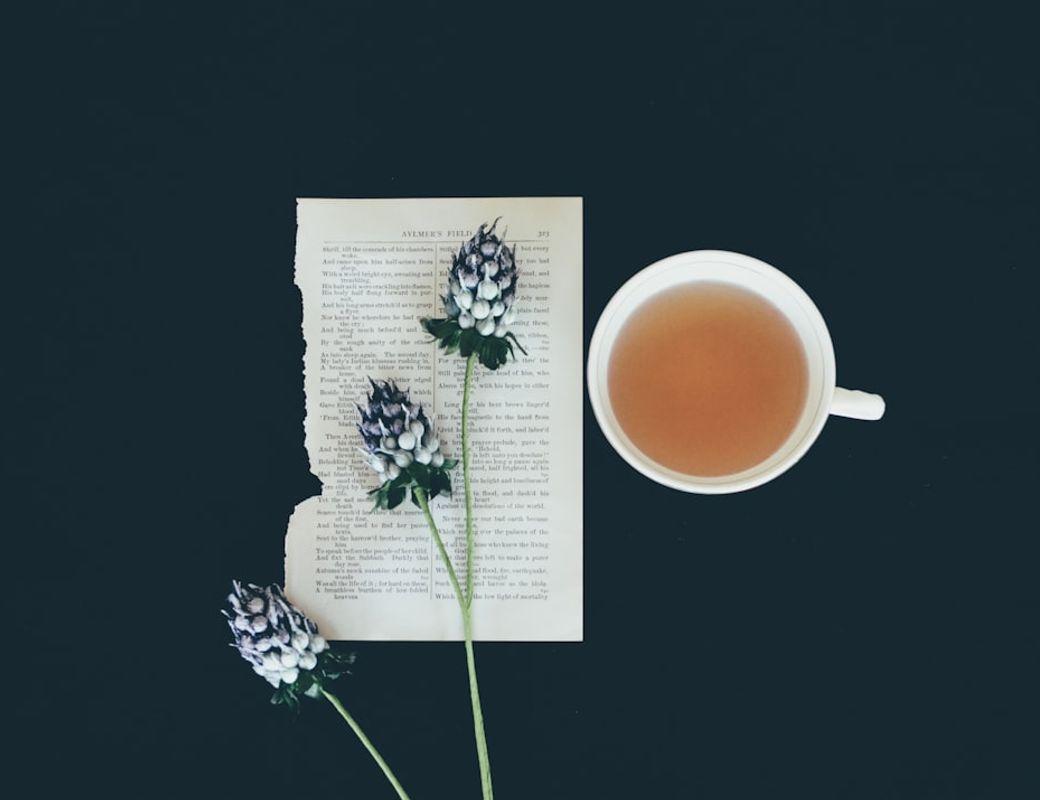
There’s a moment right before the kettle screams when everything gets quiet. Not the world. The world doesn’t care about your tea. But something inside you shifts, if you let it. Your hands reach for the cup. Your breath changes.
That’s where the magic lives. Not in some elaborate ceremony you saw on a wellness influencer’s feed. Not in the $90 matcha set collecting dust on your counter. In the pause. In the choosing to be here, doing this one thing, instead of fourteen things at once.
The Feathered Chronicles is a reader-supported publication. To receive new posts and support my work, consider becoming a free or paid subscriber.
The Ceremony Nobody Teaches You
Traditional tea ceremonies , Japanese chanoyu, Chinese gongfu cha, the British afternoon ritual, they all share one brutal truth that gets lost in the aesthetics: they force you to stop.
That’s it. That’s the whole secret.
Not the perfect water temperature. Not the handmade ceramic bowl. Not the whisking technique. Those are beautiful, yes. But they exist in service of one purpose: making you slow down long enough to actually inhabit your body for five damn minutes.
We’ve turned stillness into a commodity. Meditation apps with streak counts. Breathwork classes with price tags. Journaling prompts that feel like homework. Meanwhile, the simplest ritual in human history sits in your kitchen cabinet, waiting.
How to Build a Tea Ceremony for One
Forget everything you think you know about doing this “right.” There is no right. There’s only present.
Choose your vessel. Not the travel mug. Not the one you grab without looking. Pick up a cup with intention. Feel the weight of it. Notice if it’s cold. This isn’t about owning something beautiful; it’s about paying attention to something ordinary long enough for it to become beautiful.
Heat the water. Stay in the room. Don’t check your phone. Don’t wipe the counter. Don’t start a mental to-do list. Just stand there like some kind of feral creature who’s never seen a kettle before, and watch the water do what water does.
Prepare the tea. Loose leaf, bag, instant, it doesn’t matter. What matters is that you watch it happen. The color blooming. The steam rising. This is alchemy, and you’ve been ignoring it your whole life.
Sit down. Not at your desk. Not in front of a screen. Somewhere that isn’t asking anything of you. Hold the cup with both hands. Feel the heat seep into your palms.
Drink. Slowly. Like you’ve got nowhere to be. Because for the next few minutes, you don’t.
Why This Works When Everything Else Feels Like Too Much
Shadow work is heavy. Spiritual practice can be exhausting, especially the kind that asks you to look at the parts of yourself you’ve spent decades running from. Sometimes you don’t need another deep dive into your psyche. Sometimes you need to hold something warm and let your nervous system remember what safe feels like.
Tea ceremony for one isn’t about enlightenment. It’s about regulation. It’s about teaching your body through repetition, through warmth, through the deliberate choreography of small movements, that not every moment requires a fight-or-flight response.
The Norse had a concept embedded in their culture: the importance of the hearth. The fire at the center of the home wasn’t just heat. It was the axis around which daily life turned. Sharing drink, sharing warmth, sharing presence. You can create that axis for yourself, even alone. Especially alone.
The Hard Truth About Slowing Down
Here’s what nobody tells you about rituals of stillness: they will make you uncomfortable at first. Not because they’re hard. Because they’re simple. And simplicity exposes all the noise you’ve been using to avoid yourself.
The first time you sit with just tea and silence, your brain will riot. It’ll throw tasks at you. Worries. Guilt about “wasting time.” That’s not failure, that’s the ritual working. You’re meeting the part of yourself that’s terrified of having nothing to do, because having nothing to do means having nothing to hide behind.
Stay anyway.
The Morrigan didn’t stand on the battlefield because it was comfortable. She stood there because presence that is an unflinching, undecorated presence is the most powerful thing a person can practice.
Your kitchen isn’t a battlefield. But some mornings, it feels close.
Make It Yours
Add honey if you need sweetness. Light a candle if you need warmth beyond the cup. Say something to yourself, a blessing, a curse, a single word that means I’m here, if you need sound.
Or say nothing at all.
The point isn’t to build another obligation. The point is to carve out three minutes where you are not producing, performing, or problem-solving. Three minutes where you are simply a creature with warm hands and a beating heart, doing the most ancient human thing there is.
Boil water. Pour. Drink. Breathe.
That’s the whole ceremony.
What Comes After the Cup
Here’s what I’ve noticed, after months of doing this imperfectly: skipping days, burning my tongue, sitting down with tea and immediately thinking about emails: the ritual starts to change you even when you do it badly.
Not in some grand, transformative, post-it-on-Instagram way. In the small ways. The ways that actually matter.
You start noticing transitions. The space between tasks. The breath before you speak. You start catching yourself in the middle of a spiral and thinking, hold on, when did I last stop? And then you stop. Not because you’ve mastered mindfulness or unlocked some ancient wisdom. Because your hands remember what warm feels like, and your body knows how to find its way back.
The old stories understood this. Every mythology has its version of the sacred pause in the space between worlds, the threshold moment, or the fire that burns but doesn’t consume. In the Norse tradition, even the gods gathered at the well. Even Odin, who sacrificed an eye for wisdom, understood that some knowledge only comes when you stop seeking it.
Your tea is not Mímir’s well. But the principle is the same: you have to be still long enough for something true to rise to the surface.
Some mornings, what rises is grief. Some mornings, it’s clarity. Some mornings, it’s just the quiet recognition that you’re tired and that being tired is allowed.
All of it counts. All of it is the practice.
So tomorrow morning, or tonight, or whenever the weight of the world gets heavy enough that you need to set it down for a minute? Put the kettle on. Choose a cup. Sit somewhere soft. And give yourself the thing you keep giving to everyone else: your full, unhurried attention.
You don’t need to earn rest. You don’t need to optimize stillness. You just need a cup, some heat, and the willingness to stay.
The tea will do the rest.
Responses (6)


More from the Magazine
Protection Magic Is More Than a Jar of Salt
The folklore of warding, the psychology of safety, and the boundaries that matter in real life

Paws, Hooves, Fins & Furry Energy 🐙💕
How Animals Protect Your Aura & Heal Your Soul.
The Difference Between Incense and Smudge
Understand the distinction between everyday aromatic incense and culturally specific smoke-cleansing