Reiki: The Art of Healing Through Universal Life Force Energy
The ancient Japanese art of energy healing.
Article · 9 min read · ·
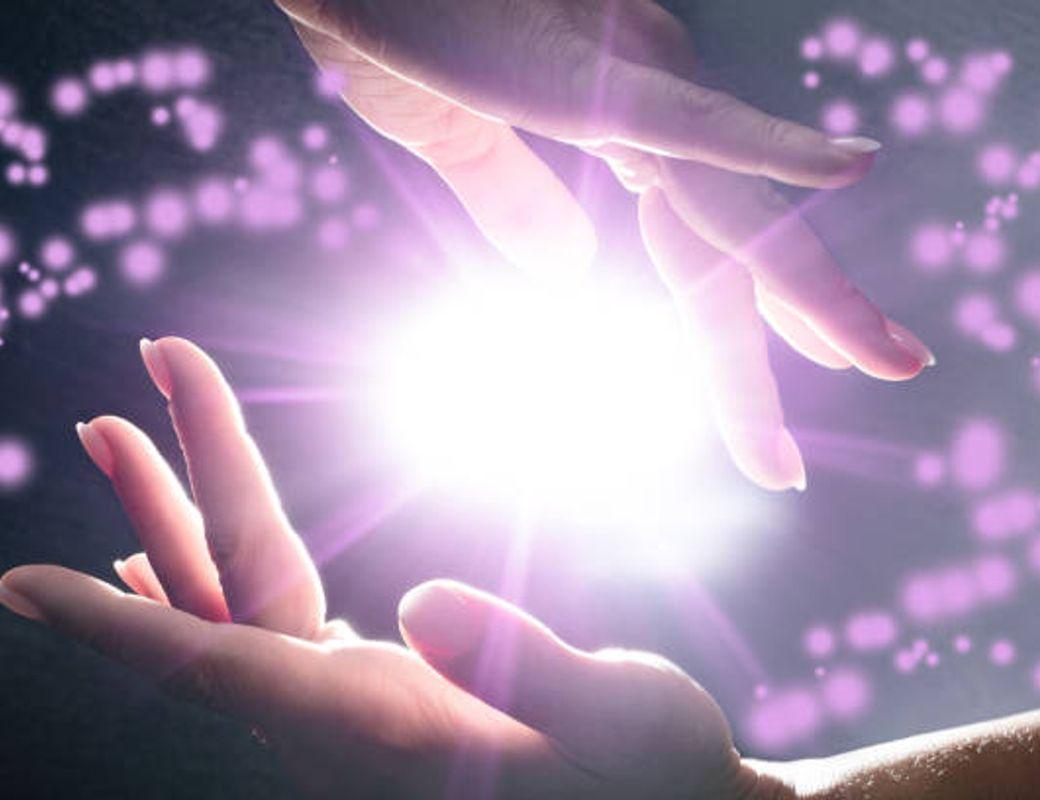
In today’s fast-paced world, many of us seek healing that goes beyond the physical. Reiki, a gentle yet powerful form of energy healing, offers a path to balance, peace, and wholeness by connecting us to the universal life force that flows through all living things. Whether you’re curious about receiving Reiki or feel called to practice it yourself, this ancient modality invites you to experience healing on every level—body, mind, heart, and soul.
The Origins of Reiki: A Journey of Enlightenment
Reiki (霊気) is a Japanese term meaning “spiritual energy” or “universal life force energy.” It is composed of two words: Rei, meaning “universal” or “divine consciousness,” and Ki, meaning “life force energy.” This same energy is known as Chi in Chinese medicine and Prana in Indian yogic traditions, all referring to the invisible force that animates life.
Reiki was founded in the early 20th century by Mikao Usui, a Japanese lay Buddhist, scholar, and seeker of spiritual truth. After a lifelong spiritual and philosophical quest, Usui embarked on a 21-day retreat on Mount Kurama, a sacred mountain near Kyoto. He fasted, meditated, and prayed for enlightenment. On the final day, he experienced a profound spiritual awakening—a vision of sacred symbols and the direct transmission of healing energy. From this experience, the system of Usui Reiki Ryoho was born.
Usui began treating and teaching others, eventually initiating a group of dedicated students. One of them, Dr. Chujiro Hayashi, a retired naval officer, helped organize Reiki into levels and treatment protocols. Hayashi went on to train Hawayo Takata, a Japanese-American woman living in Hawaii, who became instrumental in bringing Reiki to the West during the 1930s. Through Takata, Reiki spread throughout the United States and Canada, eventually branching into various lineages and styles including Holy Fire Reiki, Karuna Reiki, and Jikiden Reiki, each with their own unique expressions and teachings.
The Heart of Reiki: Its Philosophy and Principles
Reiki is more than a technique; it is a way of life. Usui emphasized ethical living and spiritual development as the foundation of healing. He developed Five Reiki Precepts that practitioners are encouraged to reflect upon daily:
Do not anger.
Do not worry.
Be grateful.
Work diligently.
Be kind to others.
These principles are simple, yet deeply transformative. They promote emotional balance, mindfulness, compassion, and gratitude—core qualities that support true healing.
Many practitioners view these precepts as the spiritual backbone of Reiki, encouraging a life of inner peace, accountability, and conscious living.
How Reiki Works: Energy, Intuition, and Balance
Reiki is based on the idea that a vital life force energy flows through all living beings. When this energy becomes weak, stagnant, or blocked—due to stress, trauma, illness, or emotional turmoil—it can lead to imbalance and dis-ease. Reiki practitioners act as channels or conduits for this universal energy, allowing it to flow through their hands to the recipient for healing and realignment.
This energy does not originate from the practitioner but is drawn from a higher, limitless source—often described as divine consciousness, source energy, or the quantum field. Because Reiki is not bound by physical matter or time, it intuitively flows where it is needed most, targeting the recipient’s deepest energetic imbalances—even those they may not be consciously aware of.
Reiki sessions often work in harmony with the chakra system, the seven main energy centers in the body that correspond to different aspects of physical and emotional health. Practitioners may sense blockages in specific chakras and intuitively focus healing energy there, helping to restore flow and alignment.
Tools and Enhancements in Reiki Practice
While Reiki can be practiced with no tools at all, many practitioners incorporate complementary aids to deepen the experience:
-
Aromatherapy: Essential oils like lavender, frankincense, rose, and eucalyptus help calm the nervous system and elevate the energetic vibration of the space.
-
Crystals: Stones such as amethyst, clear quartz, selenite, and black tourmaline are placed on or near the body to support chakra alignment and energy clearing.
-
Sound healing: Tibetan singing bowls, chimes, and tuning forks are sometimes used to shift energetic frequencies and aid relaxation.
-
Visualization & Breathwork: Reiki practitioners may guide recipients through grounding exercises or visual meditations during the session to deepen their receptivity.
These tools are not essential, but they can enhance the effectiveness and ambiance of the healing experience.
What to Expect During a Reiki Session
A typical Reiki session lasts between 45 and 90 minutes. The recipient remains fully clothed and lies down comfortably, often on a massage table or reclining chair. The space is usually tranquil, with soft lighting, peaceful music, and calming scents to create a nurturing environment.
The practitioner places their hands gently on or just above the body in a series of positions, beginning at the head and moving down toward the feet. These positions often correspond to the chakras and vital energy centers. The practitioner allows Reiki energy to flow naturally, holding each position for several minutes while tuning in to energetic shifts.
Recipients may feel a variety of sensations during a session—tingling, warmth, pulsing, waves of emotion, or simply deep relaxation. Some even report vivid visuals or spiritual messages, while others may drift off into a meditative state or gentle sleep. Each session is uniquely personal.
Afterward, it’s recommended to drink plenty of water, rest, and allow time for integration. Some people feel immediate relief or clarity, while others notice gradual shifts over the following days.
The Benefits of Reiki Healing
Reiki offers holistic benefits that address physical, emotional, mental, and spiritual health. Some commonly reported effects include:
-
Physical: Reduced pain, tension, inflammation, fatigue, and improved sleep quality.
-
Emotional: Alleviation of anxiety, depression, trauma, and grief.
-
Mental: Enhanced clarity, focus, and decision-making abilities.
-
Spiritual: Heightened intuition, inner peace, and a sense of connectedness to something greater.
Reiki is especially useful during life transitions, periods of stress, illness, or recovery. Hospitals and hospices around the world have begun integrating Reiki into patient care, recognizing its ability to support healing and comfort. While Reiki is not a substitute for conventional medicine, it is increasingly accepted as a complementary therapy that works alongside medical treatment to enhance wellness.
Learning Reiki: A Path of Self-Discovery
Anyone can learn Reiki—it requires no special background, only a sincere desire to grow and help others. Training must be received from a Reiki Master Teacher, who performs energetic attunements (also called reiju) that open the student’s energy channels to Reiki.
The Three Traditional Levels:
-
Level I (Shoden): Focuses on self-healing and hands-on healing for others.
-
Level II (Okuden): Introduces sacred symbols and techniques for distant healing.
-
Level III (Shinpiden): The Master level, which deepens spiritual connection and enables you to teach and attune others.
Some lineages include a separate “Master Practitioner” level before Teacher status. Training may be completed over months or years, depending on the tradition and the student’s personal journey. Daily self-Reiki practice is strongly encouraged, helping to integrate the energy and maintain balance.
The Sacred Symbols of Reiki
Reiki symbols are tools introduced in Level II and above to focus intention and amplify healing. Each symbol carries a unique vibrational frequency and is considered sacred.
Some core symbols include:
-
Cho Ku Rei (“Power Symbol”) – Increases energy flow and offers protection.
-
Sei He Ki (“Mental/Emotional Symbol”) – Balances emotional and mental patterns, supports trauma healing.
-
Hon Sha Ze Sho Nen (“Distance Symbol”) – Connects across time and space, enabling distant healing.
These symbols are activated through visualization, drawing in the air, or silently repeating their names. They are used with respect and are taught directly through the attunement process.
Distance Reiki: Healing Across Time and Space
One of Reiki’s most profound capabilities is its ability to transcend time and space. Distance Reiki—introduced at Level II—allows practitioners to send healing energy to someone who is not physically present. This can be used for:
-
People in another city, country, or hospital
-
Healing the past (trauma, inner child work)
-
Preparing for the future (surgery, childbirth, interviews)
-
Healing relationships and situations
Distance Reiki works because energy is not bound by physical laws. According to quantum theory, everything is interconnected at a subatomic level. When a Reiki practitioner uses the Hon Sha Ze Sho Nen symbol and focuses their intention, they create an energetic link between themselves and the recipient, no matter where they are.
Many people report feeling the effects of Distance Reiki just as strongly as they would in person—sometimes even more vividly. Practitioners may use a photo, name, or written intention to help focus the energy, and sessions are often scheduled in advance so the recipient can relax and receive at the appointed time.
There are also techniques to send Reiki through time, helping to heal the energetic imprint of past experiences or empower future events.
Common Misunderstandings and Ethical Questions
Despite its rising popularity, Reiki is sometimes misunderstood:
-
“Is it just placebo?” While belief can enhance results, Reiki has shown positive effects even on unconscious or skeptical recipients.
-
“Is Reiki religious or occult?” No, it is a spiritual practice, but not tied to any religion or dogma.
-
“Is it cultural appropriation?” This is a growing conversation. Many practitioners now seek to honor Reiki’s Japanese roots by learning traditional methods like Reiji-ho, Gassho, and Byosen scanning, and acknowledging its cultural lineage with respect.
Reiki practitioners are also taught to practice with informed consent, non-attachment, and a clear code of ethics—ensuring clients are empowered and respected in their healing journey.
Reiki Among Other Energy Healing Modalities
Reiki is one of many energy healing systems. It often complements:
-
Pranic Healing: Focuses on cleansing the aura using hand movements and breath.
-
Qi Gong: A Chinese system involving movement, meditation, and breath control.
-
Therapeutic Touch: Developed by nurses and often used in medical environments.
-
Crystal Healing and Sound Therapy: Frequently integrated with Reiki to raise vibrational frequencies.
Reiki is often the bridge between spiritual healing and everyday wellness, and many holistic practitioners combine it intuitively with other methods.
Closing Thoughts: A Gentle Light in a Chaotic World
Reiki is more than a technique—it is a return to inner peace, balance, and trust in the body’s natural ability to heal. In a world where stress and disconnection are rampant, Reiki offers a sacred pause, a moment to remember that healing is not something we force—but something we allow.
Whether you’re exploring Reiki as a recipient or considering training as a practitioner, the journey will gently open your heart, elevate your spirit, and reconnect you with the life force that moves through all things.
Responses
No responses yet — start the conversation.
More from the Magazine
Protection Magic Is More Than a Jar of Salt
The folklore of warding, the psychology of safety, and the boundaries that matter in real life

Paws, Hooves, Fins & Furry Energy 🐙💕
How Animals Protect Your Aura & Heal Your Soul.
The Difference Between Incense and Smudge
Understand the distinction between everyday aromatic incense and culturally specific smoke-cleansing