Lighting Your Way Through Dark Times
The Candle Ritual
Article · 12 min read · ·
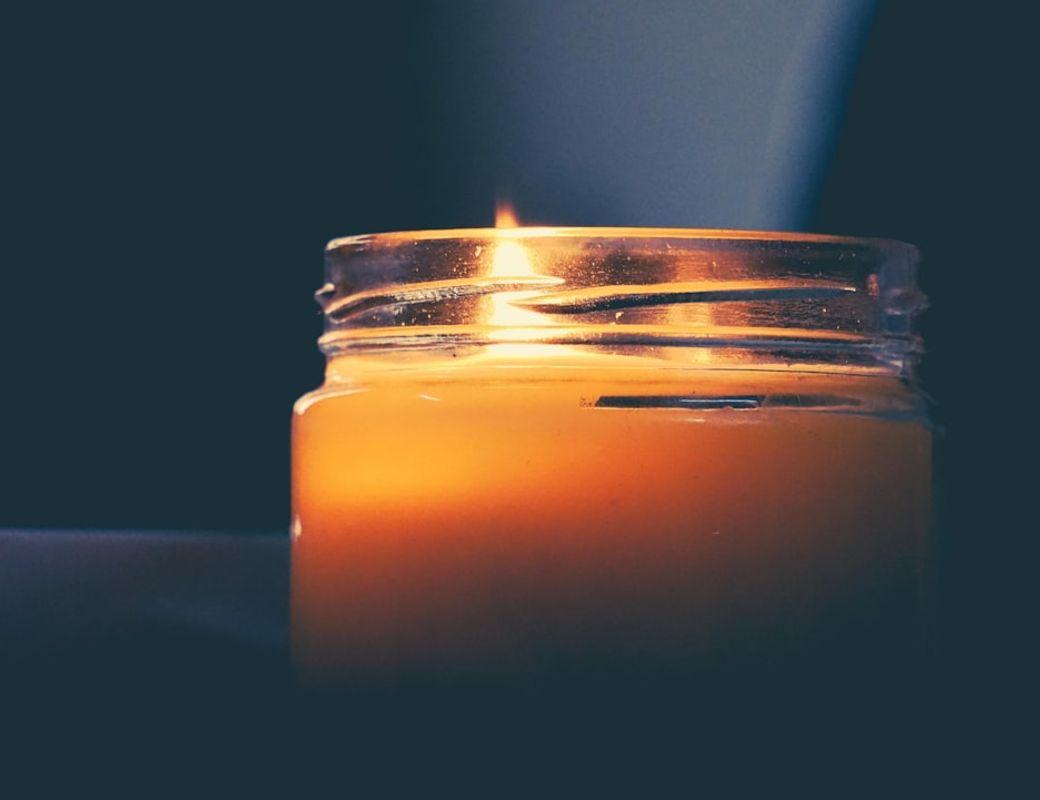
One candle. Five minutes. That’s all you need.
Not elaborate ceremony. Not expensive tools. Not years of mystical training or the “right” spiritual credentials.
Just you, a candle, and the willingness to create light in darkness.
This is the oldest, simplest, most accessible form of magic humans have practiced. For thousands of years, across every culture, in every tradition, lighting a flame in darkness has been sacred.
And it still is.
Please note: I am not a doctor, therapist, or medical professional. Nothing in this article constitutes medical or therapeutic advice. Candle rituals can be a beautiful practice, but they are not a replacement for professional mental health support. If you’re struggling, please reach out to a qualified professional. There is no shame in asking for help. You deserve support.
Why Candles Work
What makes candle magic so powerful? It’s sensory and immediate.
You’re not trying to visualize something abstract in your mind. You’re watching an actual flame burn. You’re feeling actual warmth. You’re seeing actual light push back actual darkness.
Your nervous system responds to this. Your ancient brain, the part that’s been keeping humans alive for millennia, recognizes: Light in darkness means safety. Warmth means survival. Fire means hope.
It focuses your attention.
Try this right now: Think of a flame. A candle burning.
Did your mind immediately go there? Did everything else fade slightly into the background?
Fire captures attention. It’s movement, light, warmth, transformation happening right in front of you. Your mind naturally focuses on it.
This makes candles perfect for intention-setting. You’re not trying to “concentrate really hard” on your intention because the flame does that work for you by holding your attention naturally.
It creates liminal space.
When you light a candle in a dark room, you’re not in full light or full darkness. You’re in the in-between, the threshold, and the liminal space where transformation happens.
The ancient wisdom traditions knew: magic happens at thresholds. Dawn and dusk. Crossroads. Shorelines. And candlelight in darkness, that flickering space between light and shadow.
When you light a candle with intention, you’re creating a threshold moment and a space where change becomes possible.
What Candle Magic Can Do (And Can’t Do)
Let me be clear about something:
Lighting a candle will not:
-
Fix your problems
-
Manifest what you want through magical thinking
-
Replace actual action or professional help
-
Make difficult things suddenly easy
But it will:
-
Give you a focal point when your mind is scattered
-
Create a moment of intention in chaotic days
-
Offer comfort when you need to feel less alone
-
Remind you that you can create light even in darkness
-
Help you mark transitions, process emotions, or honor what matters
-
Give your nervous system a signal: “This moment is different. We’re pausing. We’re being intentional.”
Think of candle magic as creating a container for your attention, your intention, and your presence, not as a shortcut to getting what you want.
The Basic Candle Ritual (For Beginners)
If you’ve never done candle magic before, start here. This is the simplest version. You can build on it later, but this alone is powerful.
What You Need:
-
One candle (any kind: tea light, votive, pillar, whatever you have or can afford)
-
A safe place to burn it (candle holder, plate, bowl, something that won’t catch fire)
-
Matches or lighter
-
5 minutes of uninterrupted time
That’s it. You don’t need special candles, specific colors, fancy holders, or “blessed” tools.
A candle is a candle. Your intention makes it sacred.
Step 1: Set Your Space
Find somewhere you won’t be interrupted for a few minutes. Turn off or silence your phone. Sit comfortably.
Place the candle in front of you at a safe distance (close enough to see clearly, far enough that you’re not going to accidentally touch the flame).
Take three deep breaths. You’re shifting from “regular day” into “intentional moment.”
Step 2: Hold Your Intention
Before you light the candle, pause.
Ask yourself: What am I lighting this candle for?
Not in an abstract, cosmic way, but in a real, honest, right-now way.
Maybe you’re lighting it:
-
For comfort when you’re struggling
-
For clarity when you’re confused
-
For hope when things feel dark
-
For witness when you’re grieving
-
For courage before something difficult
-
For gratitude for something good
-
For presence when your mind is scattered
-
For companionship when you’re lonely
-
For release of something you’re carrying
-
Simply to mark this moment as sacred
There’s no wrong answer. Just name what’s true. You can say it out loud or hold it silently. Either works.
Step 3: Light the Candle
Strike the match. Touch it to the wick. As the flame catches, say (out loud or silently): “I light this flame for [your intention].”
For example:
-
“I light this flame for comfort in this difficult time.”
-
“I light this flame for clarity about what to do next.”
-
“I light this flame to honor my grief.”
-
“I light this flame for hope that things can change.”
Speak it simply. Speak it honestly.
Step 4: Sit With the Flame
Now just… sit. Watch the flame. Notice how it moves. How it flickers. How the light shifts.
You don’t have to “do” anything. You don’t have to meditate perfectly or empty your mind or achieve some special state.
Just watch the flame and breathe.
If thoughts come, let them. If emotions come, let them. If your mind wanders, gently bring your attention back to the flame.
The flame holds your intention. You’re not holding it alone anymore.
Sit for as long as feels right; this could be two minutes, could be ten. There’s no required time.
Step 5: Close the Ritual
When you’re ready to end, say: “Thank you for this light. I carry it with me.”
Then blow out the candle or let it burn down completely (if it’s a tea light and you’re staying nearby for safety).
That’s it. You just did candle magic.
When to Light a Candle
You can do this ritual:
-
When you wake up and need to start the day with intention instead of immediately checking your phone or diving into stress.
-
Before something difficult such as a hard conversation, a challenging task, a doctor’s appointment, or any time you need to remind yourself: I can do this. I’m creating light even in darkness.
-
When you’re overwhelmed and scattered and need something to focus on for just a few minutes to ground yourself.
-
When you’re grieving, light a candle for the person/dream/version of yourself you lost. Sit with the flame as witness.
-
When you’re grateful and want to mark something good instead of just rushing past it.
-
At transitions like the end of a workday, before bed, or the start of a new week to consciously shift from one mode to another.
-
When you’re lonely and need to feel less alone. The flame is companionship. You’re not the only light in the room anymore.
-
Anytime you need to mark a moment as sacred, intentional, or different from the ordinary flow of your day.
Choosing Your Candle (It’s Simpler Than You Think)
Walk into any metaphysical shop and they’ll tell you: white candles for purity, red for passion, green for money, black for protection, purple for spirituality…
But truth is, you can use whatever candle you have.
Yes, color symbolism exists. Yes, some traditions assign meanings to different candle types.
But the magic is in your intention, not in the “correct” color.
That said, if choosing a candle intentionally helps you focus your intention, here’s a simple guide:
White: All-purpose. Clarity, peace, new beginnings. (This is why white candles are traditional; they can be used for anything.)
Red: Courage, passion, strength, action. Good for when you need to feel powerful or take bold action.
Blue: Calm, healing, truth, peace. Good for when you’re anxious or need clarity.
Green: Growth, abundance, healing (especially physical). Good for new projects or health-related intentions.
Yellow: Joy, optimism, mental clarity. Good for when you’re stuck in heaviness and need lightness.
Purple: Spiritual connection, wisdom, transformation. Good for deep inner work.
Black: Protection, release, banishing. Good for getting rid of what doesn’t serve you.(Contrary to superstition, black candles aren’t negative; they’re more about creating boundaries and clearing space.)
But again, if you only have a white tea light from the junk drawer, use that. Your intention matters more than the color.
Making It Yours (Simple Variations)
Once you’re comfortable with the basic ritual, you can add layers:
Variation 1: Write on the Candle
Use a pin, needle, or sharp object to scratch a word into the candle wax before lighting it.
Use one word that represents your intention: HOPE. CLARITY. COURAGE. RELEASE. PEACE. STRENGTH.
As the candle burns, the word burns with it. The intention transforms into flame and light.
Variation 2: Anoint the Candle
Rub a tiny bit of oil on the candle before lighting (olive oil works; you don’t need special ritual oils).
As you rub the oil from bottom to top, speak your intention.
The oil represents your energy, your touch, and your intention being absorbed into the candle.
Variation 3: Create a Simple Candle Altar
Place objects around your candle that represent your intention:
-
Photo of a loved one if you’re grieving
-
Written intention folded underneath the candle
-
Crystals/stones (if you have them, but not required)
-
Flowers or natural objects
-
Anything that holds meaning for you
The candle becomes the center of a small, sacred space.
Variation 4: Let It Burn Completely
If you’re using a small candle (tea light or votive), you can let it burn all the way down in one sitting (as long as you’re present and it’s safe).
Watching a candle burn completely can be powerful; you’re witnessing the full transformation from solid wax to liquid to flame to smoke to nothing.
The candle becomes the visual representation of transformation itself.
Variation 5: Daily Flame-Tending
Light the same candle every day for a week (or until it burns down).
Each day, speak your intention again. Sit with the flame. Notice how your relationship with the intention changes over time.
This is what the priestesses of Brigid did when they tended the sacred flame daily. It wasn’t an elaborate ritual, just a consistent presence with fire.
Safety Matters (Because Magic Requires Responsibility)
Never leave a burning candle unattended. Ever. Don’t fall asleep with candles burning. Don’t leave the room for “just a minute.” If you need to step away, blow it out.
Keep candles away from anything flammable. Curtains, papers, bedding, your hair if you’re leaning over it. Fire doesn’t care about your intentions; it will catch whatever it can reach.
Use a proper holder. Even a small tea light can get hot enough to crack glass or damage surfaces. Use a plate, metal holder, or something designed for candles.
Trim the wick if it gets too long. A long wick creates a bigger, less controlled flame. Blow out the candle, let it cool, trim the wick to about 1/4 inch, then relight.
If you can’t burn candles where you live (dorms, apartments with smoke detectors, anywhere fire isn’t allowed), you can use:
-
Battery-operated LED candles (yes, really; intention still works)
-
Visualization of lighting a candle (Accessible in even your busiest moments0
-
A candle app on your phone (not the same, but something)
The ritual is about the intention and the attention. The physical flame helps, but it’s not the only way.
What to Do With Candle Remains
After your candle burns down, you might have wax remnants: These absorbed your intention as they burned. You can:
-
Bury them in earth (returning the intention to the ground)
-
Dispose of them normally (the work is done; they can be released)
-
Keep them if they formed interesting shapes (some people read meaning in wax formations, but this is optional)
Wash the holder and reuse it for future candles, or keep it on your altar space. The magic happened while the flame burned. Once it’s out, the work is complete for that session.
You don’t need to “do” anything special with remains unless it feels right to you.
The Goddess Connection (Kept Simple)
Two goddesses are particularly associated with sacred flames:
You don’t have to worship Brigid or even know much about her. But knowing that flame-tending is an ancient, sacred practice, not something you’re making up, can add weight to your ritual.
If you’re lighting a candle for clarity or decision-making, you’re working with Hecate energy whether you name it or not.
But you don’t have to invoke goddesses to make this work. The practice stands alone.
When It Feels Like “Nothing Happened”
Sometimes you light a candle, sit with it, speak your intention… and feel nothing. No cosmic shift. No sudden clarity. No overwhelming emotion. Just… you sitting with a candle feeling kind of silly.
This is normal. This doesn’t mean it didn’t work.
Magic isn’t always (or even usually) dramatic. Most of the time, it’s quiet, subtle even. The shifts happen under the surface or over time, not in big obvious moments.
The work was done when you:
-
Paused your day to be intentional
-
Named what you needed
-
Created light in darkness
-
Focused your attention instead of scattering it
-
Sat with yourself for five minutes
That IS the magic. Not fireworks. Not visions. Just the quiet act of showing up for yourself with intention.
The results might show up later:
-
A little more clarity the next day
-
Slightly more courage when you need it
-
A moment of comfort you didn’t expect
-
A subtle shift in how you hold your intention
Or the result might simply be that you practiced being intentional. You tended a flame. You created a moment of sacredness in ordinary time.
That alone is worth it.
Start Tonight (Or Right Now)
You don’t need to wait for the “right” time or the “right” candle or until you “know more” about magic.
Find a candle. Any candle. Light it tonight. Sit with it for five minutes. Name what you’re lighting it for. Watch the flame.
That’s it. That’s the practice. No pressure. No performance. No doing it “right.” Just you and a flame in the darkness.
You creating light when things feel dark.
That’s real magic. Ancient magic. Simple magic.
And it’s available to you right now.
Light the candle. Watch the flame. You’re not alone in the darkness anymore.
Responses (8)


More from the Magazine
The ADHD Witch's Guide to Practicing Magic When You Forget Everything
Build a practice around your actual brain, not the imaginary organized person you keep trying to be

The Trigger of Embarrassment
Let's tap into the Ego and how we can release the control it desires.
Protection Magic Is More Than a Jar of Salt
The folklore of warding, the psychology of safety, and the boundaries that matter in real life