Freyja: The Goddess Who Chooses with Discernment
Understanding discernment and when something is meant for a different path.
Article · 10 min read · ·
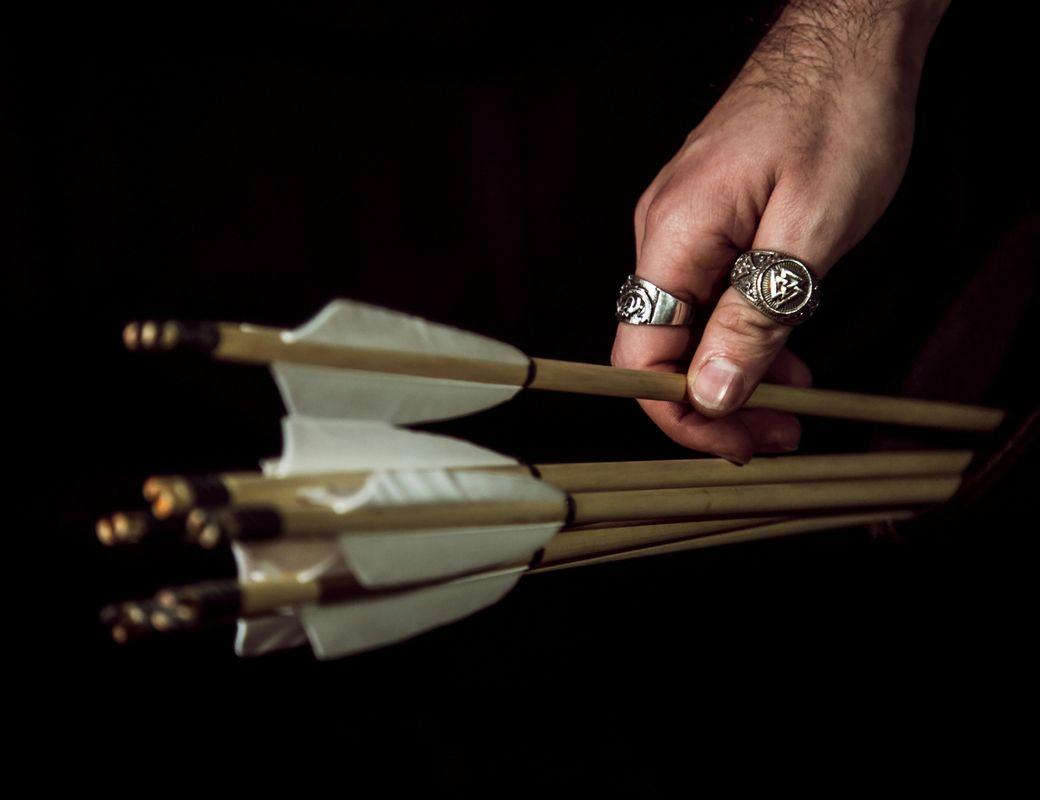
Half of the battle-slain go to Freyja’s hall, Fólkvangr. Half go to Odin’s Valhalla.
But here’s what the myths make clear: Freyja chooses first. She selects which warriors come to her. She decides who enters her death realm. She determines who belongs in her hall and who does not.
She doesn’t accept everyone. She doesn’t take whoever shows up. She doesn’t say yes to every soul that dies in battle.
She chooses with discernment. And what she doesn’t choose goes elsewhere.
For those new to her: Freyja is the Norse goddess of love, war, magic, and death. She rules Fólkvangr, her own afterlife realm separate from Odin’s more famous Valhalla. She receives half of those who die in battle, but she chooses which half. She is not a passive receiver of the dead. She is an active chooser, claiming sovereignty over who enters her domain and who does not. Her relationship with death is one of deliberate selection, not obligation.
The teaching? You have the right to choose what continues in your life and what reaches its natural ending. You are allowed to practice discernment about what you allow into your space, your time, your energy.
Note: This article explores endings, transitions, and letting go of what no longer serves us, not literal death or self-harm. If you’re experiencing thoughts of harming yourself, please reach out to a crisis helpline or mental health professional. You deserve support.
The Teaching: Sovereignty Through Discernment
We’ve been taught that endings mean failure. That letting things go means we didn’t try hard enough, didn’t love enough, didn’t work enough, didn’t sacrifice enough. We’ve been conditioned to believe that choosing to transition away from something, a relationship, a job, a commitment, an identity, means giving up.
That keeping things going, no matter how much they’re depleting us, is noble. That persistence in the face of diminishing returns is virtue.
But what if that’s not always true?
Freyja doesn’t keep every warrior who dies in battle. She chooses. She selects. She allows some things into her hall and denies others. She exercises discernment about what continues in her realm and what does not.
She recognizes that not everything is meant to continue forever. With intention. With thoughtfulness. With clarity about what truly belongs.
Because sovereignty includes the right to say no. The right to choose what you allow into your space, your life, your heart, your time, your energy. The right to look at something and say, “This has run its course.”
The right to recognize when something has reached its natural ending.
The Shadow Work: Recognizing What May Have Reached Its End
Where might you be maintaining something that has run its course?
This is a question to sit with gently, with self-compassion. Not something to force or rush. Not something to decide in a moment of anger or pain. This is discernment work, which requires honesty and kindness toward yourself.
We’ve been taught that choosing to let something go makes us quitters, failures, not strong enough to keep going. We’ve been taught that love means never giving up, that commitment means forever regardless of cost, that persistence is always virtue.
But Freyja doesn’t accept every warrior. She looks at what’s in front of her and decides. Some enter her hall. Others do not. This is not cruelty. This is discernment: the ability to see clearly what truly belongs and what doesn’t.
Please note: If you’re struggling with your mental health, feeling overwhelmed, or experiencing crisis, please reach out to a therapist, counselor, or crisis line before making major life changes. Professional support can help you navigate these questions with care.
Consider (gently, when you’re ready):
Relationships that extract without reciprocating. The friendships that only exist when they need something. The romantic relationships that demand your transformation while refusing their own. The family dynamics that require your continued shrinking to maintain their comfort. You may choose to set boundaries with these, or to transition away from them. You deserve reciprocity.
Identities you’ve outgrown. The version of yourself you were five years ago. The role you played in your family. The personality you performed to stay safe. The beliefs you held before you knew better. These can evolve. You’re not required to keep them fixed out of loyalty to who you used to be.
Obligations built on guilt. The commitments you said yes to before you knew you could say no. The responsibilities you took on to prove your worth. The work you do because you’re afraid of what people will think if you stop. These can be renegotiated. Your guilt is not a binding contract.
Dreams that no longer fit. The life you thought you wanted before you knew yourself better. The goals you chased because someone else said they mattered. The version of success you’re pursuing out of habit rather than desire. You’re allowed to change direction. Changing your mind is not failure—it can be growth.
The Practice: Exercising Thoughtful Discernment
This is not about burning everything down. This is not about making impulsive decisions during difficult times. This is about exercising the same careful discernment Freyja uses when she chooses among the battle-slain.
She doesn’t take everyone. She doesn’t save everything. She chooses what belongs in her hall, and what does not.
-
Make the list. What in your life might have reached its natural ending? What relationship, commitment, identity, obligation, dream is depleting you, diminishing you, keeping you smaller than you could be? Write it down. Look at it honestly. Not “what should I probably work on” or “what could be better if I just tried harder.” What might genuinely be complete. What would you not choose again if you were choosing now.
-
Consider the cost of continuing. Every time you maintain something past its natural ending, there’s a cost. Energy that could go elsewhere. Time that could be spent differently. Emotional capacity that could be used for what actually nourishes you. Belief in yourself that erodes when you ignore your own knowing. What might continuing this actually cost you?
-
Sit with it before deciding. This is not a decision to make rashly. Discernment requires time, reflection, and often outside perspective. Consider talking with a therapist, trusted friend, or counselor before making major changes. Get support. This doesn’t have to be done alone.
-
If you choose to transition, do so with intention. Not dramatically. Not with cruelty. But with clarity. Say no. Set the boundary. Renegotiate the commitment. Walk away. Let the identity evolve. Release the dream. Exercise sovereignty over what continues in your life and what completes.
-
Allow space for grief. Freyja is a goddess of death, but also of love. Choosing to transition away from something doesn’t mean it never mattered. You can grieve what you’re releasing while still knowing it’s time. You can honor what something was while recognizing it’s complete. Grief and sovereignty can coexist. Often they must.
Recognizing Natural Completion
Endings aren’t always failures. Sometimes they’re completions. Sometimes they’re boundaries. Sometimes they’re the exercise of discernment about your own life.
When you recognize something has reached its natural ending, you make space for something else. When you let something complete, you make room for what wants to begin. When you choose to transition away from one thing, you often choose toward something else.
Freyja doesn’t fill her hall with every warrior who dies. She chooses. And what she doesn’t choose goes elsewhere: to Odin’s hall, to other realms, to whatever comes next for them.
But her hall? Her space? Her realm?
She decides what enters. She exercises discernment about what she allows into her domain and what she does not.
You’re allowed to practice that same discernment in your own life.
The Ritual: Recognizing Completion
This ritual helps you consciously recognize what may have reached its natural ending and practice discernment about transitions. You’ll need:
-
Paper and pen
-
A candle (any color that feels right to you)
-
A fireproof bowl or container
-
Matches or lighter
-
A quiet space where you won’t be disturbed
Note: This ritual is about letting go of what no longer serves you—relationships, patterns, obligations that have run their course. If you’re experiencing thoughts of self-harm or crisis, please skip this ritual and reach out to a mental health professional or crisis line instead.
Step 1: Reflect on what may be complete
On your paper, write: “What might have reached its natural ending.”
Under this heading, gently consider what in your life might be complete. Include:
-
Relationships that deplete without reciprocating
-
Identities you’ve outgrown
-
Obligations built on guilt
-
Dreams that no longer fit
-
Patterns that keep you small
Don’t force this. Just notice what comes up.
Step 2: Choose one to explore
From your reflections, circle one thing. Not necessarily the biggest or scariest; choose something you’re genuinely ready to examine right now. Something you have the capacity to explore in this moment.
This is about discernment, not impulsivity.
Step 3: Consider the cost of continuing
Write a second heading: “What continuing this costs me.”
List what maintaining this costs you by continuing past its natural ending. Energy. Time. Authenticity. Joy. The dreams you might pursue instead. The person you’re becoming.
Look at the cost honestly. This is information for your discernment.
Step 4: Light the candle of clarity
Light your candle. As you do, say out loud:
“I practice discernment. I recognize what has completed. I honor transitions with intention.”
Sit with the candle for a few moments. Watch the flame. This represents your capacity to see clearly, to recognize completion, to make thoughtful choices.
Step 5: Release what’s complete (if you’re ready)
If, after reflection, you genuinely feel this thing has reached its end, tear off that section of paper. Hold it in the candle flame and let it burn in your fireproof container. As it burns, say:
“I recognize this completion with intention. I release what has finished its time. I make space for what wants to begin.”
If you’re not ready, that’s okay too. Keep the paper. Sit with it longer. Discernment takes time.
Step 6: Name what you’re choosing toward
On a fresh piece of paper, write:
“In the space where [what you released] lived, I now welcome _______.”
What are you choosing toward? What gets to grow in the space you’ve created? Name it. This gives the transition meaning.
Step 7: Seek support before acting
Before taking concrete action on major life changes, consider talking with a therapist, counselor, or trusted advisor. Get perspective. Make sure you’re making this decision from clarity, not crisis.
Within a reasonable timeframe, and with appropriate support, take one intentional step to honor the completion you’ve recognized.
The Challenge
You may have something in your life that has reached its natural ending. Something you’ve known for a while has run its course. You’ve been maintaining it out of guilt, out of fear, out of the belief that letting it complete would make you a bad person, a failure, someone who gives up.
Freyja chooses which warriors enter her death realm with discernment. She doesn’t accept everyone out of obligation. She doesn’t maintain things that don’t truly belong.
She practices thoughtful sovereignty over what continues and what completes.
You’re allowed to practice the same discernment.
What might have reached its end? What would you not choose again if you were choosing now? What are you maintaining at the cost of your own vitality, your own space, your own wellbeing?
Consider the completion. Sit with it. Get support if you need it. Make space for grief if it comes.
Not everything is meant to continue forever. Not everything deserves your energy indefinitely. Not everything belongs in your hall permanently.
Practice discernment about what does. Let yourself recognize what’s complete.
If you’re struggling with this work or feeling overwhelmed, please reach out to a mental health professional. You deserve support as you navigate these questions.
Responses (2)

More from the Magazine

Paws, Hooves, Fins & Furry Energy 🐙💕
How Animals Protect Your Aura & Heal Your Soul.

The Difference Between Incense and Smudge
Understand the distinction between everyday aromatic incense and culturally specific smoke-cleansing

The Reluctant Kitchen Witch
Five-minute rituals, everyday ingredients, and zero recipes, for those who would rather never cook