The Winter Night Sky
Silence, clarity, and the rhythms of the Universe
Article · 2 min read · ·
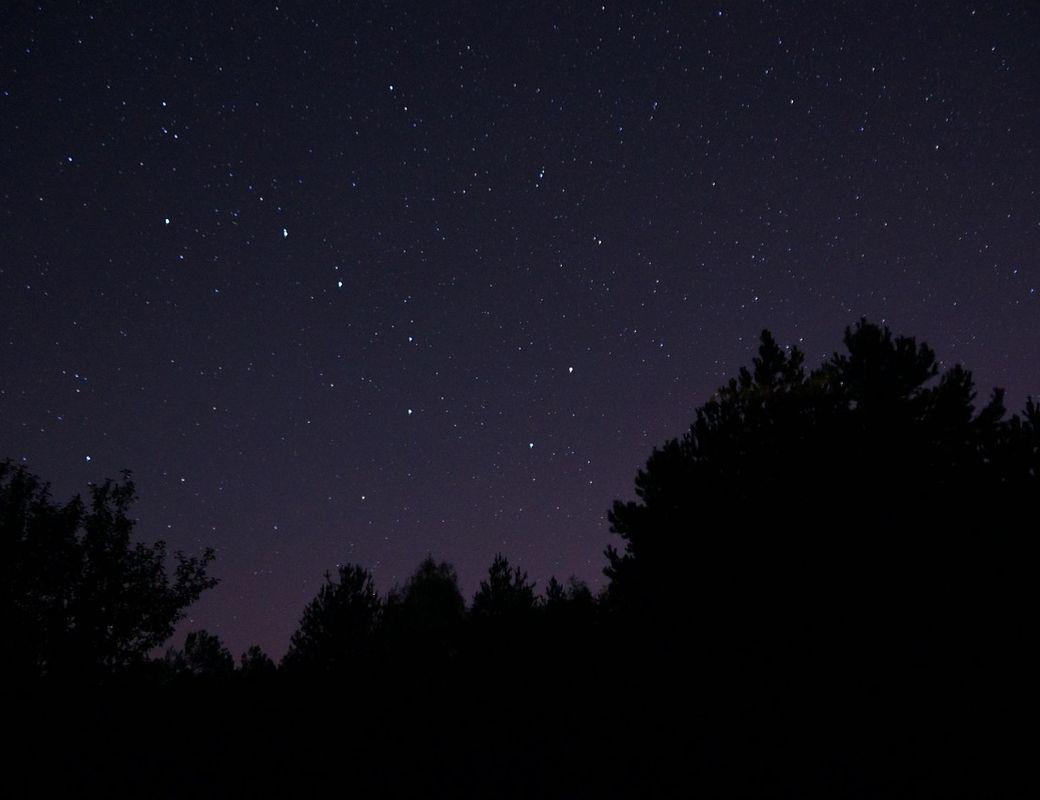
Winter is one of the best seasons for observing the night sky. The cold air becomes drier and clearer, making the stars appear brighter, sharper, and closer. During these long, dark nights, the sky seems to open itself fully, inviting us to pause, slow down, and feel part of something far greater than ourselves.
Watching the winter sky is not only an astronomical interest but also a gentle mindfulness practice. When we lift our gaze upward, thoughts gradually quiet, the breath becomes steady, and the inner space fills with stillness.
In winter, many constellations are especially easy to recognize, even without prior knowledge. Their clear shapes help us learn to “read” the sky like a map. One such constellation is Ursa Major. It is almost always visible in the Northern Hemisphere and has long served as a reliable guide, helping observers locate the direction of north.
Orion is another striking landmark of winter nights. Its bright stars form a recognizable figure often referred to as “the Belt.” Even a brief moment of observing Orion can help us sense the vastness of the sky and our own place within it.
The Pleiades, a small yet prominent cluster of stars, appear like a soft veil of light. Their gentle glow naturally draws the eye and often becomes the starting point for a deeper love of stargazing.
The Sky as a Natural Calendar
For centuries, people observed the movement of the stars to orient themselves in time. The appearance of certain constellations in the evening sky marked seasonal changes, rhythms of work, and periods of rest. The winter sky reflects this cyclical nature especially clearly, reminding us that darkness is not an ending, but a phase of renewal and gathering strength.
Even today, this awareness can help us align with natural rhythms - allowing ourselves more quiet, rest, and inward focus during the colder months.
A Practice of Winter Sky Contemplation
To make your observation more intentional, try this simple practice. Step outside or stand by a window on a quiet winter night. Find one bright star or a familiar constellation. Spend a few minutes simply observing, without analyzing or naming. Notice your breath, sensations in the body, and your inner state.
This small ritual helps ground the mind, release tension, and restore a sense of stability during times of change.
Conclusion: Returning to Stillness
The winter starry sky is a space of clarity and silence. It requires no knowledge or interpretation - only openness. In moments when the world feels too loud, it is enough to look up and remember that we are part of a vast, ordered rhythm.
May the winter stars become a source of calm, inner balance, and gentle light for you throughout the dark season.
Responses (2)