𝓛𝔂𝓻𝓲𝓭 𝓜𝓮𝓽𝓮𝓸𝓻 𝓢𝓱𝓸𝔀𝓮𝓻 🌌
𝚙𝚎𝚊𝚔𝚜 𝚘𝚗 𝚝𝚑𝚎 𝚗𝚒𝚐𝚑𝚝 𝚘𝚏 𝙰𝚙𝚛𝚒𝚕 22-23
Article · 2 min read · ·
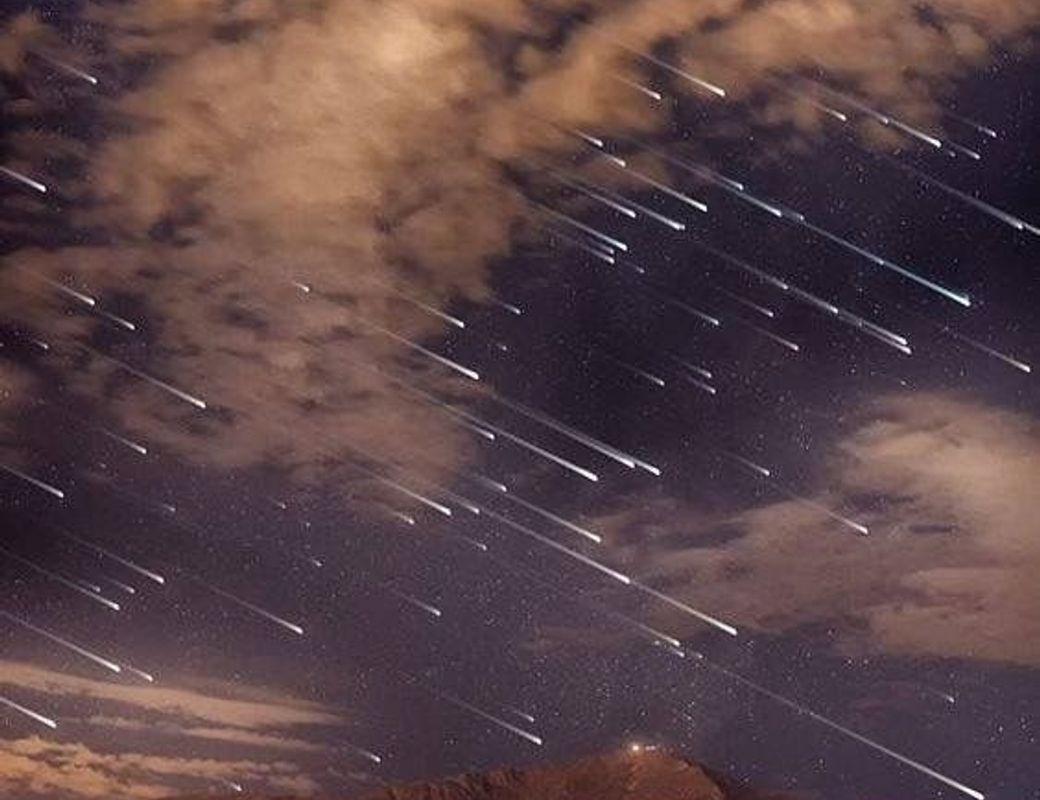
Every year in April, Earth crosses an ancient trail left by a comet.
The result is one of the most beautiful phenomena in the sky: the Lyrids.
In 2026, the peak occurs on the night of April 22-23.
It's not the most intense shower of the year.
But it's one of the oldest on record — observed for over 2,700 years.
⸻
The Lyrids are a meteor shower caused by debris from comet C/1861 G1 (Thatcher).
When Earth passes through this trail, tiny particles enter the atmosphere and burn up, creating what are called "streaks of light."
Key facts:
- Active: April 14-30
- Peak: April 22 (~19:40 GMT)
- Average rate: about 18 meteors per hour
- Radiant: constellation of Lyra (near the star Vega)
Despite the name, meteors can appear anywhere in the sky.
⸻
During the peak, you can observe:
- "shooting stars" streaking across the sky quickly
- some brighter meteors (fireballs)
- spaced-out events — not continuous
It's important to set expectations:
it's not a "constant shower."
They're quick, unpredictable appearances… and that's what makes them special.
⸻
The main challenge with the Lyrids is patience.
You might go minutes without seeing anything —
and then, suddenly, several meteors appear in sequence.
Other factors also play a role:
- light pollution
- presence of the Moon (though minimal in 2026)
- position of the radiant in the sky
Additionally, in the Southern Hemisphere, activity tends to be lower, as the radiant sits lower in the sky.
⸻
1. Choose a dark location
Get away from city lights. The darker, the better.
2. Watch at the right time
- Northern Hemisphere: after 10 PM until dawn
- Southern Hemisphere: best after midnight until dawn
3. Give your eyes time
Wait 15 to 20 minutes to adapt to the darkness.
4. Look at the wide sky, not just the radiant
Meteors can appear from any direction.
5. Be patient
Stay at least 1 hour observing.
⸻
More than just watching, you can transform this moment into an experience:
- lie down and watch the sky without distractions
- avoid using your phone
- be present, without expectations of control
This type of phenomenon can't be predicted with precision.
And that's exactly what makes it special.
⸻
The Lyrids aren't about quantity.
They're about the moment.
Each meteor lasts seconds…
but creates a memory that stays.
What's quickest is precisely what leaves the deepest mark. ✨
Light on your paths ☀︎︎
𝐵𝓎
𝒮𝒶𝓃𝓉 𖦹
Responses
No responses yet — start the conversation.