Artemis II Lunar Flyby: A Mark on the 🌕 & Our ❤️
NASA timeline, highlights & photos
Article · 5 min read · ·
The Artemis II mission completed a historic seven-hour flyby of the Moon — marking humanity’s first return since Apollo 17 and revealing the Moon’s far side once again.
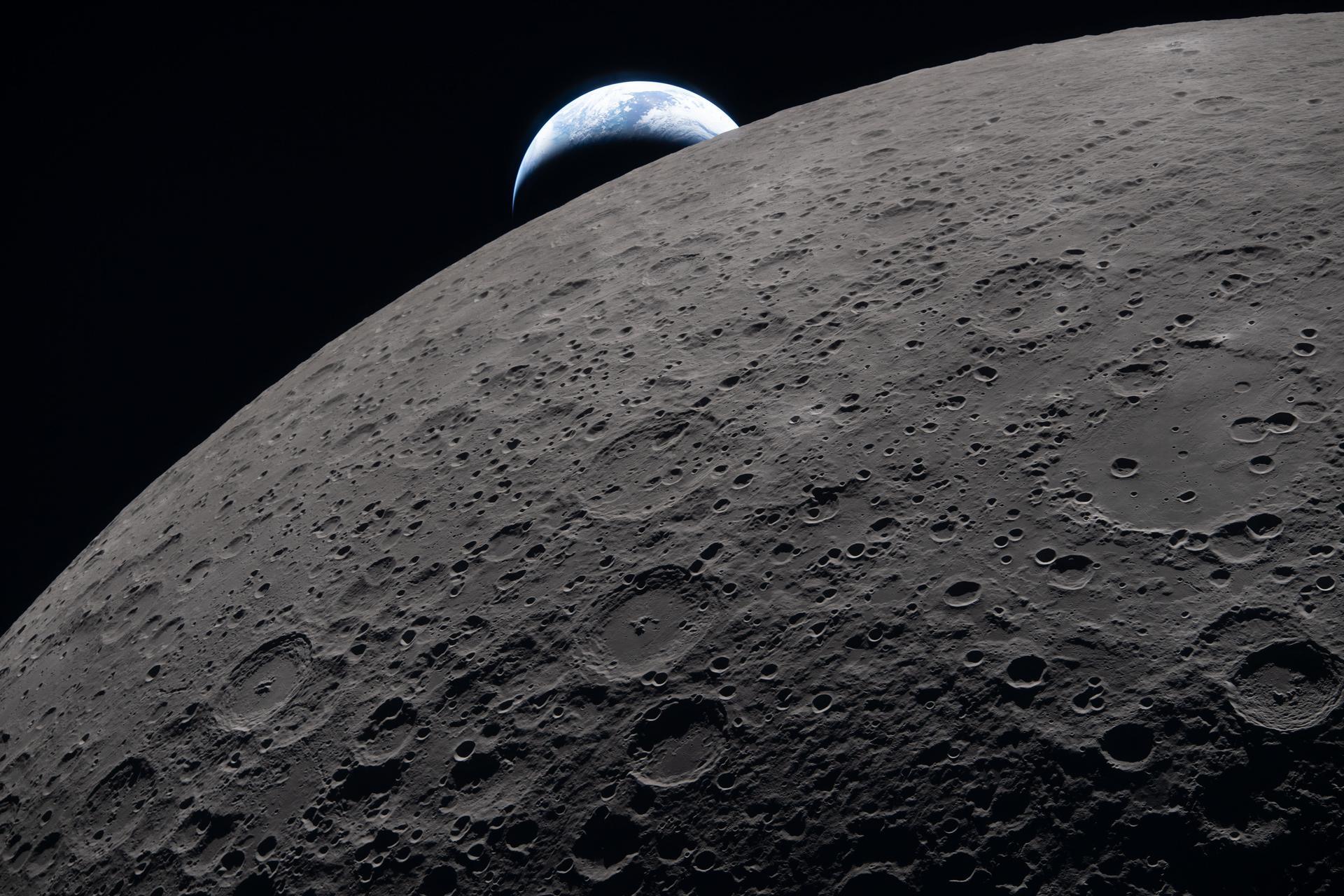
Image Credit: NASA
The day before…
On the evening of Flight Day 5, just before rest, the crew captured a quiet image of the Moon — now closer, almost within reach.
At 00:37 ET on April 6, Orion entered the Moon’s sphere of influence — the moment when lunar gravity gently took over, pulling the spacecraft more strongly than Earth.
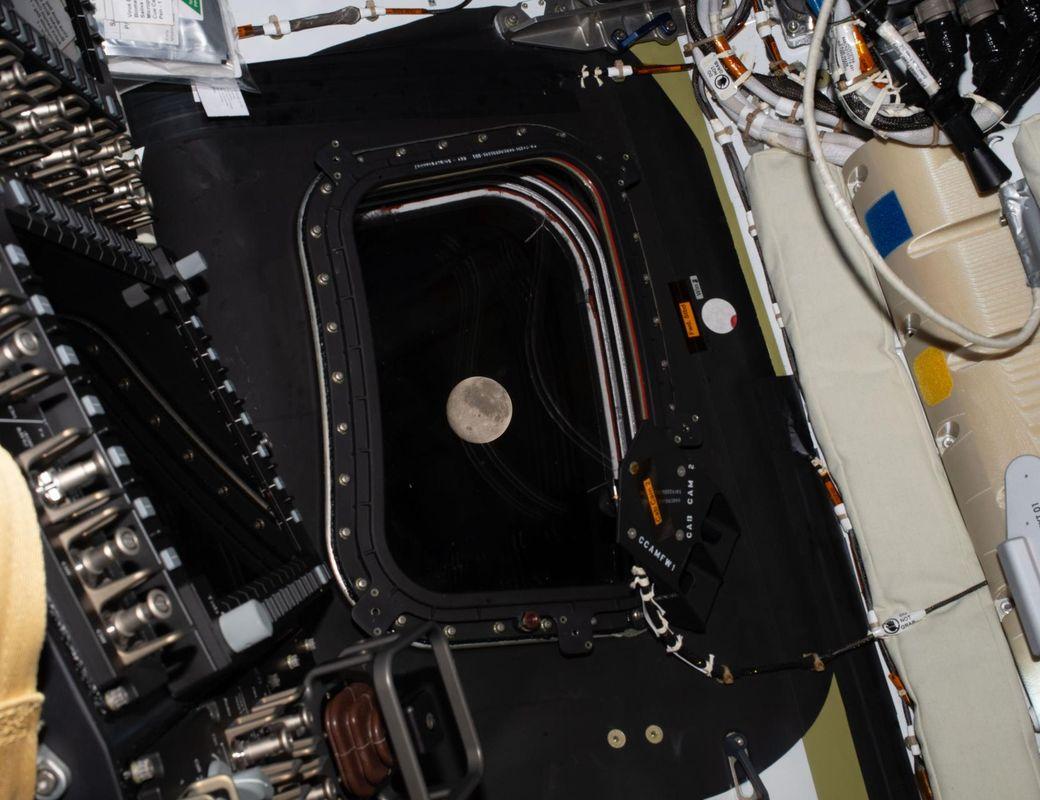
Image Credit: NASA
About an hour later, Mission Specialist Christina Koch shared:
“We are now falling to the Moon rather than rising away from Earth. It is an amazing milestone!”
The Lunar Flyby
On Flight Day 6 at 13:56 ET, astronauts Reid Wiseman, Victor Glover, Christina Koch, and Jeremy Hansen traveled farther from Earth than any humans before — surpassing the record of Apollo 13.
During a planned 40-minute signal loss, as Orion moved behind the Moon, the spacecraft made its closest approach at 19:00 ET — about 4,067 miles above the surface.
Just two minutes later, the crew reached the farthest point in human spaceflight history: 252,756 miles from Earth.
Flying over the far side, they observed and photographed the Moon’s ancient surface — shaped slowly over billions of years.
One of the images captured during the flyby reveals the Moon in full light (April 6, 2026).
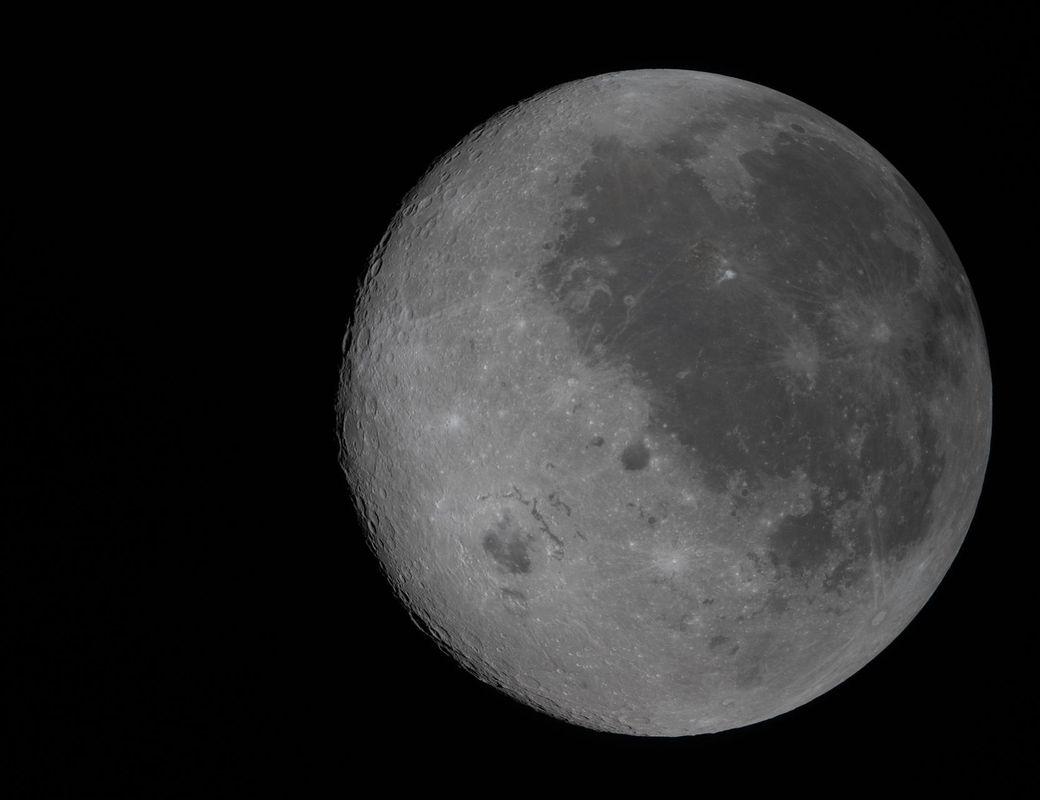
Image Credit: NASA
On the right lies the near side — the hemisphere visible from Earth, marked by its dark patches, ancient lava flows formed during the Moon’s early volcanic past.
To the west of these plains stretches the vast Orientale Basin, spanning nearly 600 miles across both the near and far sides. From Earth, only part of it can be seen — but here, it appears in its entirety.
Beyond it lies the far side — the hidden hemisphere we never see from Earth, as the Moon rotates on its axis at the same rate it orbits our planet.
The crew witnessed a breathtaking Earthset — as our planet slowly dipped below the lunar horizon while Orion moved behind the Moon — followed by a quiet, powerful Earthrise, as Earth reappeared on the other side.
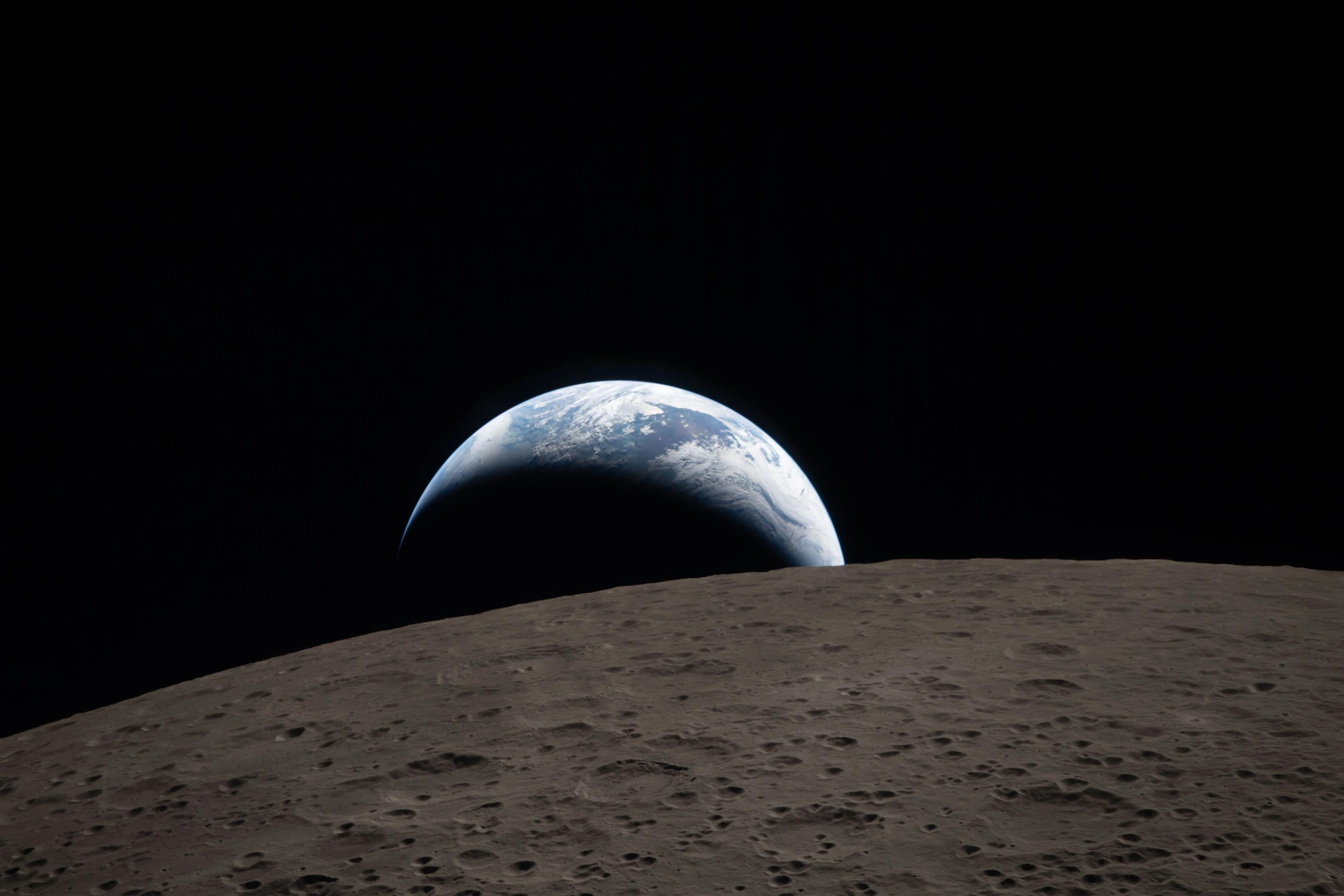
Image Credit: NASA
After completing their lunar observations, the crew experienced nearly an hour-long solar eclipse, as the spacecraft, Moon, and Sun aligned. With most of the Sun hidden, they studied the delicate glow of the solar corona — the Sun’s outer atmosphere — shimmering along the Moon’s edge.
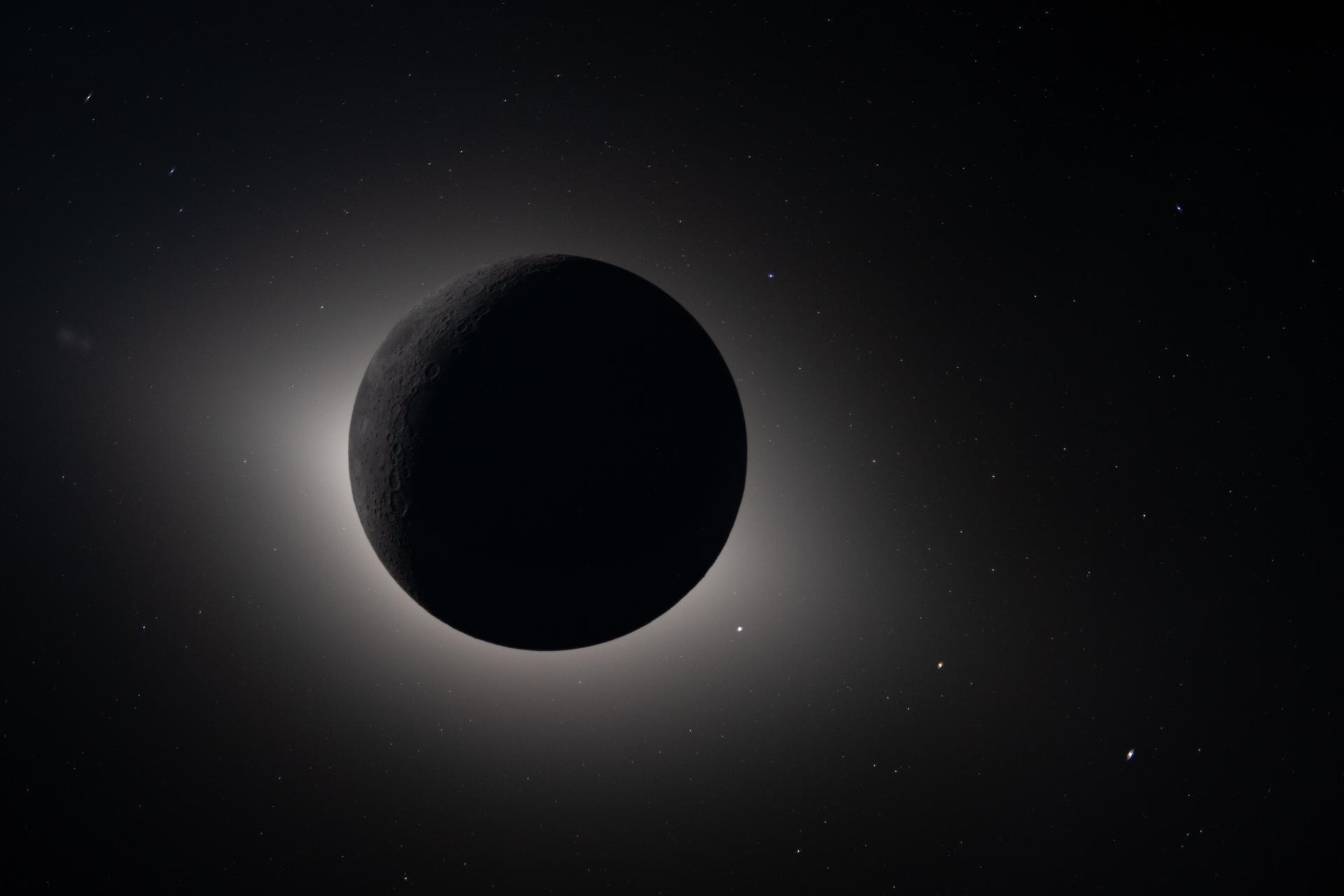
Image Credit: NASA
Captured by the Artemis II crew during their lunar flyby on April 6, 2026, this image shows the Moon fully eclipsing the Sun.
During the eclipse, they also observed rare phenomena visible only on the Moon’s dark side: six brief flashes of light, caused by meteoroids striking the lunar surface at incredible speeds.
And as we await more images and data from this historic mission, let’s pause and revisit the most moving moments — the ones that have already found their place in history… 🚀🌙
Leaving a mark on our hearts — on Earth and on the Moon
Beyond the flyby itself, the mission revealed something more — small, deeply human moments unfolding along the way.
About 12 hours ago
NASA shared a deeply touching moment on social media: the Artemis II crew proposed a name for a newly observed lunar crater — Carroll.
The name honors the late wife of mission commander Reid Wiseman, who passed away in 2020.
“No matter how far we travel, the ones we love stay with us.”
April 6, 2026
All in a Day’s Work
A Quick Shave Before the Lunar Flyby
Artemis II mission specialist and Canadian Space Agency astronaut Jeremy Hansen takes a moment for a quick shave inside the Orion spacecraft during Flight Day 5 — just ahead of the crew’s lunar flyby on April 6, 2026.
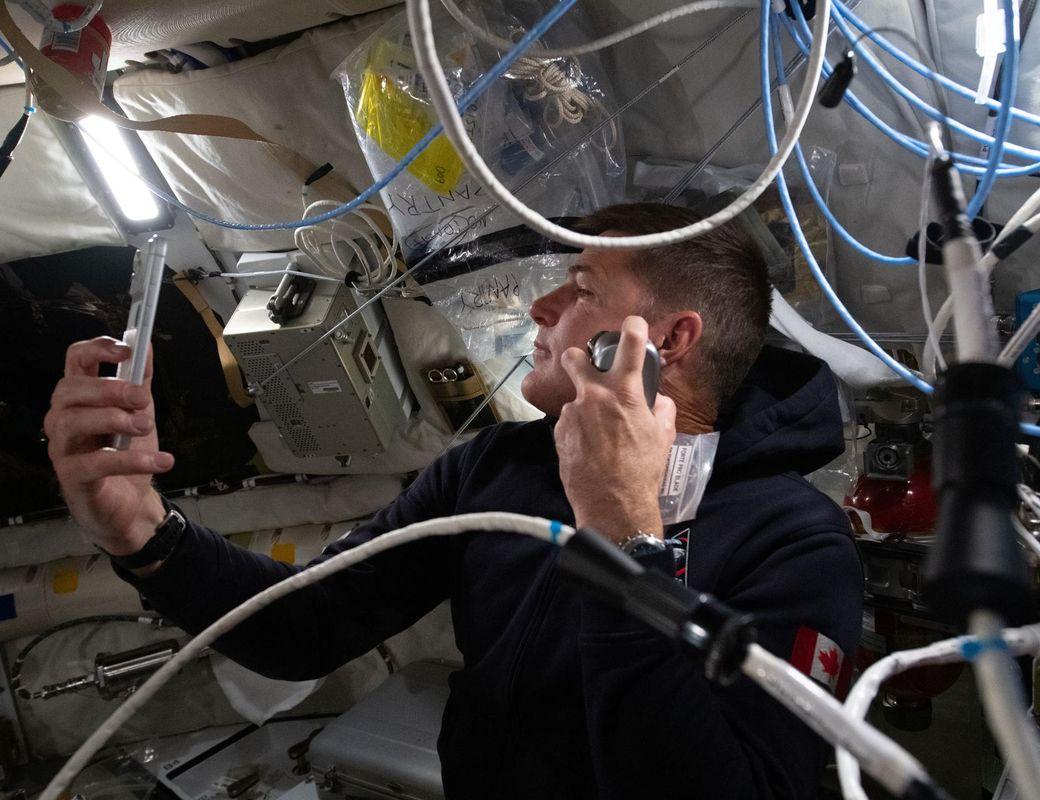
Image Credit: NASA
April 4, 2026
The Near Side of the Moon
A view of the Moon’s near side — the hemisphere we always see from Earth. Along the left edge, just beyond the dark stretch of the Orientale Basin — a vast crater nearly 600 miles wide — a glimpse of the far side appears.
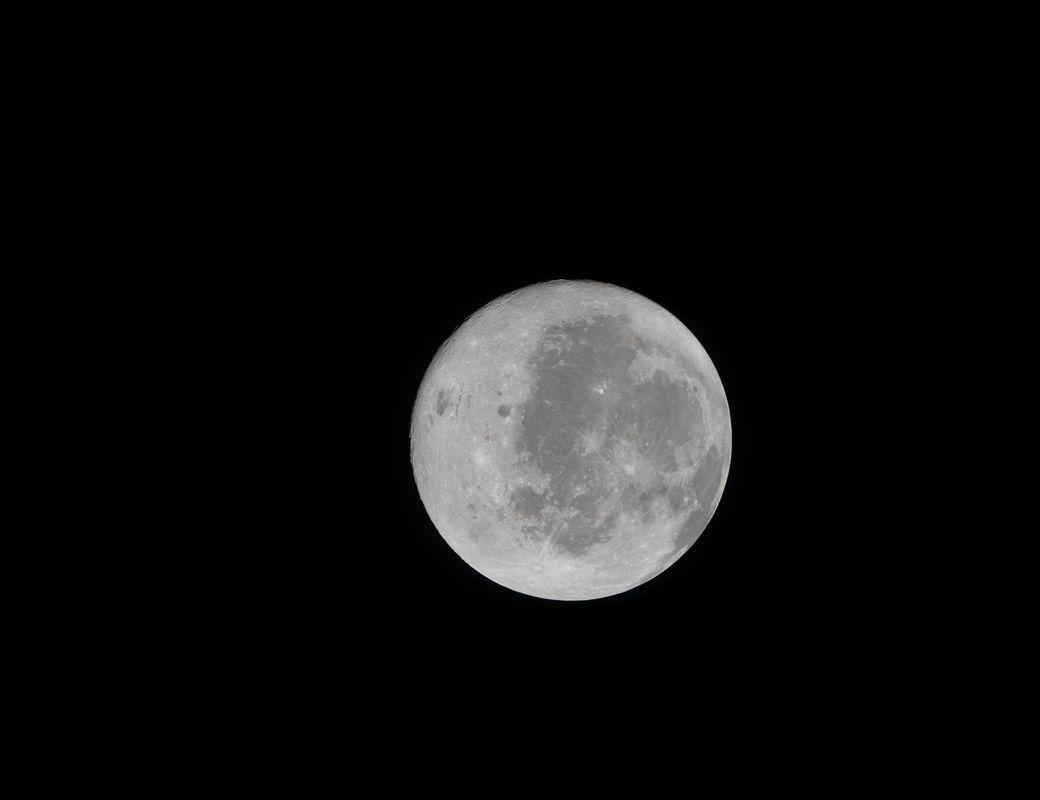
Image Credit: NASA
The darker regions across the center and right are ancient lava plains, formed during the Moon’s early volcanic past — a signature feature of its near side.
At the bottom of the disk, a bright spot with rays extending outward marks Tycho crater — one of the Moon’s younger formations, about 108 million years old.
April 3, 2026
Artemis II Captures the Terminator Line
A view of Earth, captured by Artemis II Commander Reid Wiseman from one of Orion’s four windows, just after completing the translunar injection burn.
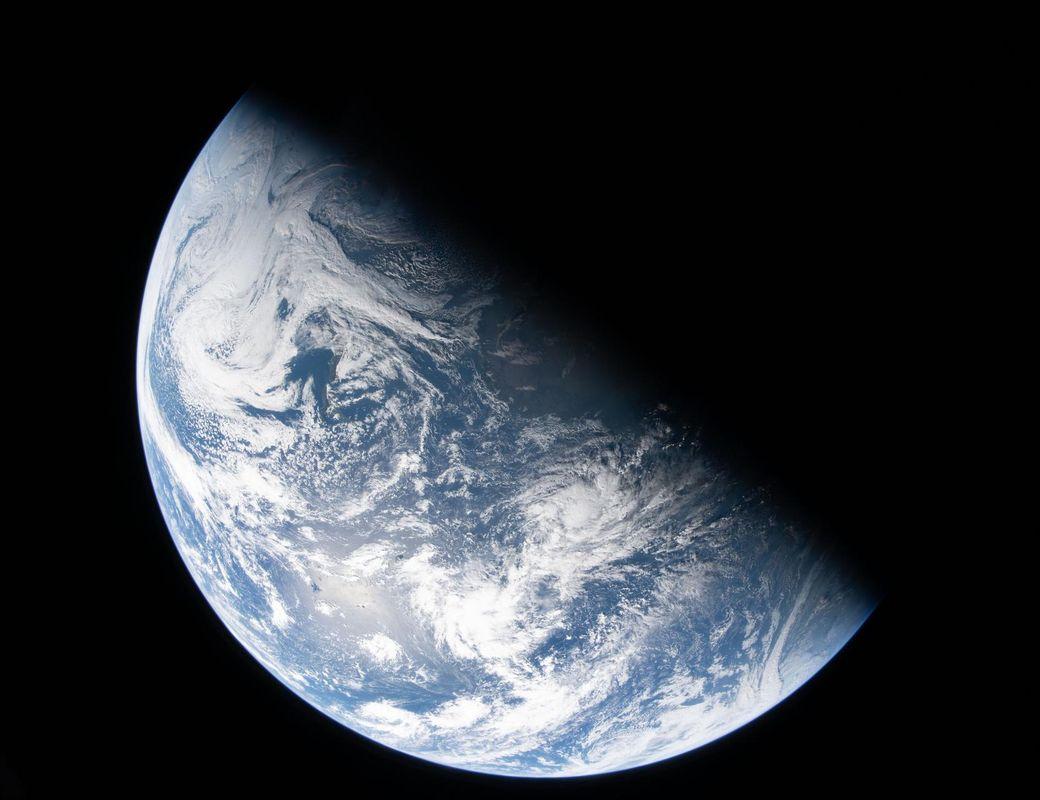
Image Credit: NASA
Spaceship Earth
NASA astronaut and Artemis II mission specialist Christina Koch looks back at Earth through Orion’s cabin window — a quiet, almost surreal moment as the crew continues its journey toward the Moon.
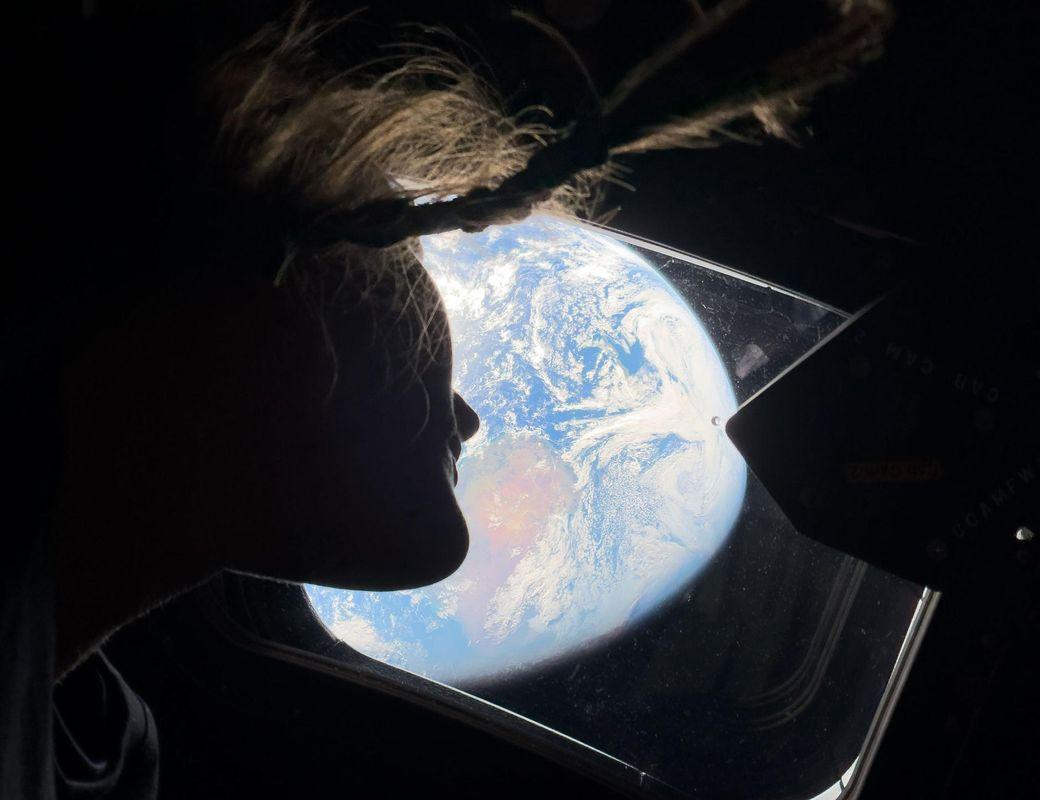
Image Credit: NASA
Looking at these images and following the mission, there are moments that take my breath away…
Watching these scenes unfold right before our eyes —
bathed in the soft light of the Moon, a light that feels both distant and deeply familiar.
Moments where human memory and gratitude exist alongside scientific discovery and modern technology — all at once.
And as I look at these images, I find myself wishing something simple:
to witness something truly beautiful — more often. 🌙
Responses (5)