Energy of Fasting (Western approach)
Article · 3 min read
If you have decided to practice fasting, we recommend that you check the lunar cycles and choose the best days.
The Moon is believed to influence our physical and mental health and to control our body’s metabolism. Most religious fasts and practices of physical and spiritual purification have been tied to the lunar calendar since ancient times.

Any fasting is a spiritual practice that involves asceticism beyond food. However, for many, fasting is only a way to cleanse the body and lose weight. Adepts of this approach in alternative medicine believe that during fasting the body activates its self-cleansing function to get rid of harmful substances and old cells. As a result, not only extra pounds are lost, but also the body’s resistance to various diseases increases.

Types of fasting differ in their duration, frequency, and time. There is also fasting without drinking water, the so-called dry fasting, and with the consumption of various liquids (water, juices).
Fasting should be an informed choice of any individual and should be practiced in consultation with a medic, since there are many medical contraindications.
Fasting according to the Western lunar calendar
In the Western tradition, there are fasting practices that are tied to the lunar days. It is believed that lunar energy helps you lose excess weight and get your body back in shape.
Unlike Ekadashi (the Hindu tradition), this type of fasting is associated with the days when the phases of the Moon change.
There are several days when you can start fasting. Below you can read about some of them.
24-hour Full Moon fasting
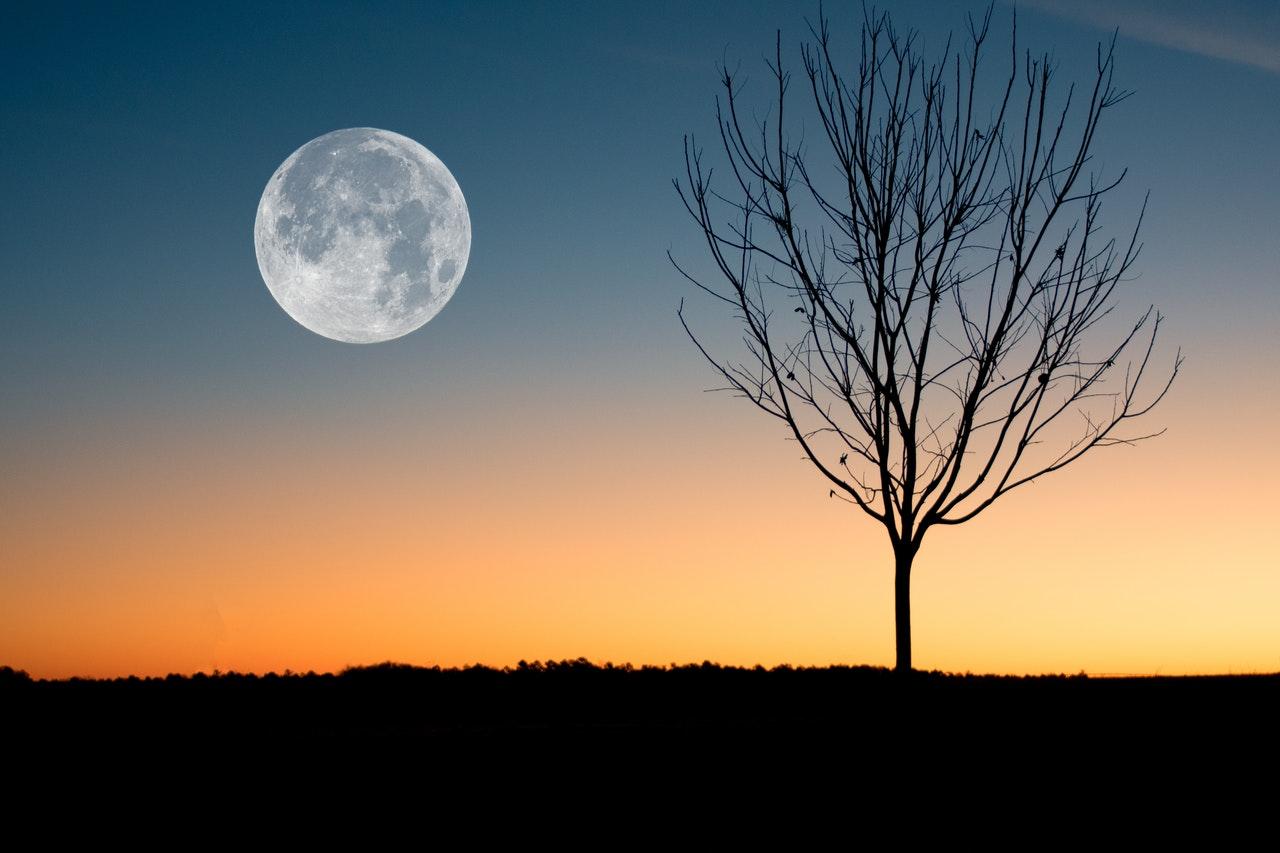
It is believed that on the Full Moon, lunar energy has the maximum influence on a person. On this day, the body, which is already subjected to the rich spectrum of lunar energy, should not be overloaded with heavy food, lest energy to digest it be withdrawn from the body. The Full Moon day is suitable not only for cleansing your body, but also for putting your house, your thoughts and to-do lists in order.
24–36-hour New Moon fasting
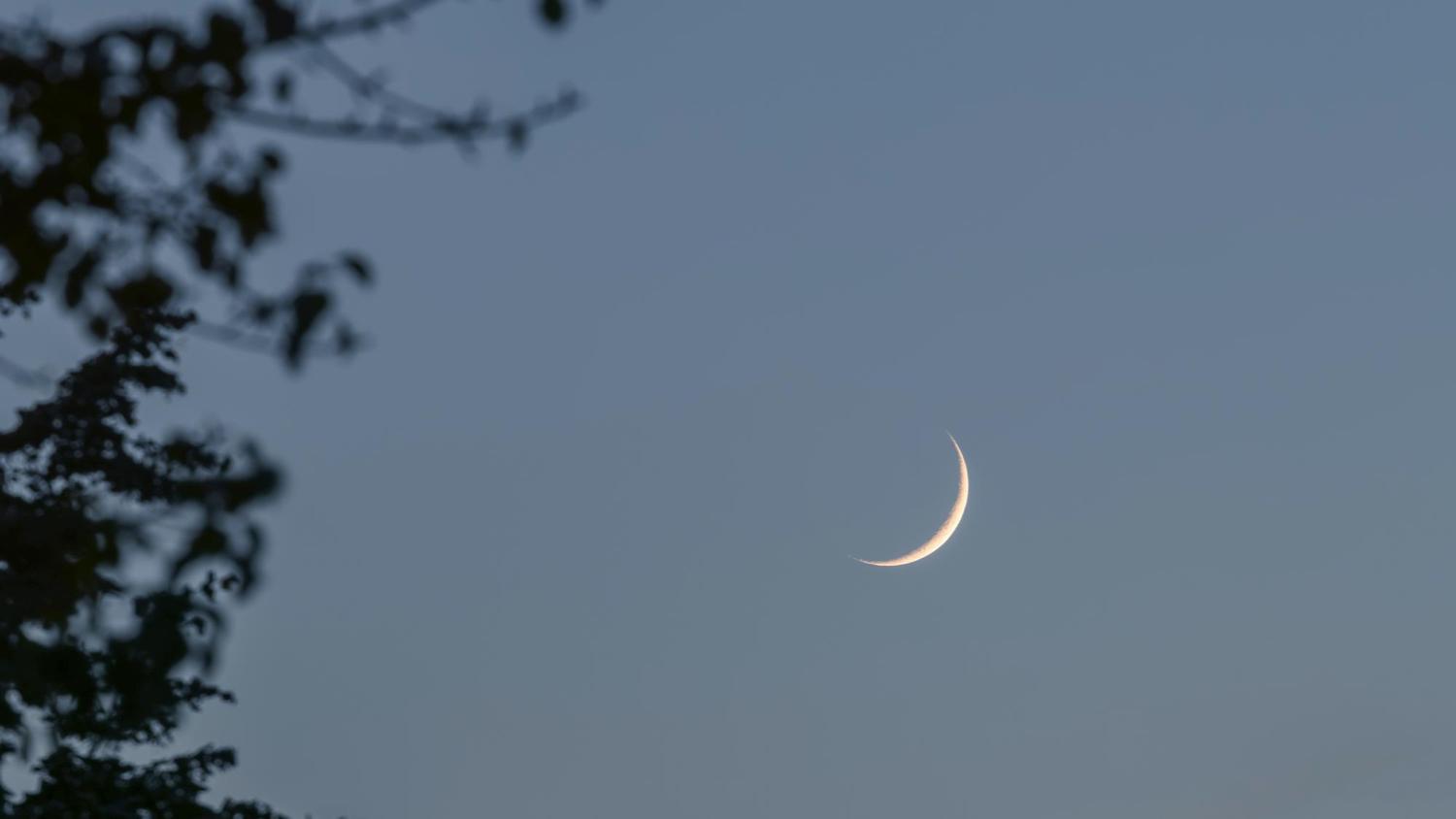
During the New Moon, a person has very little strength left, and fasting gives the body a chance to rest from digesting food. The short 24-hour diet does not envisage food consumption, but one can drink water and sugarless juices. During a 36-hour fasting effort, though, a person may eat vegetable broths and soups or have tea with honey and juices.
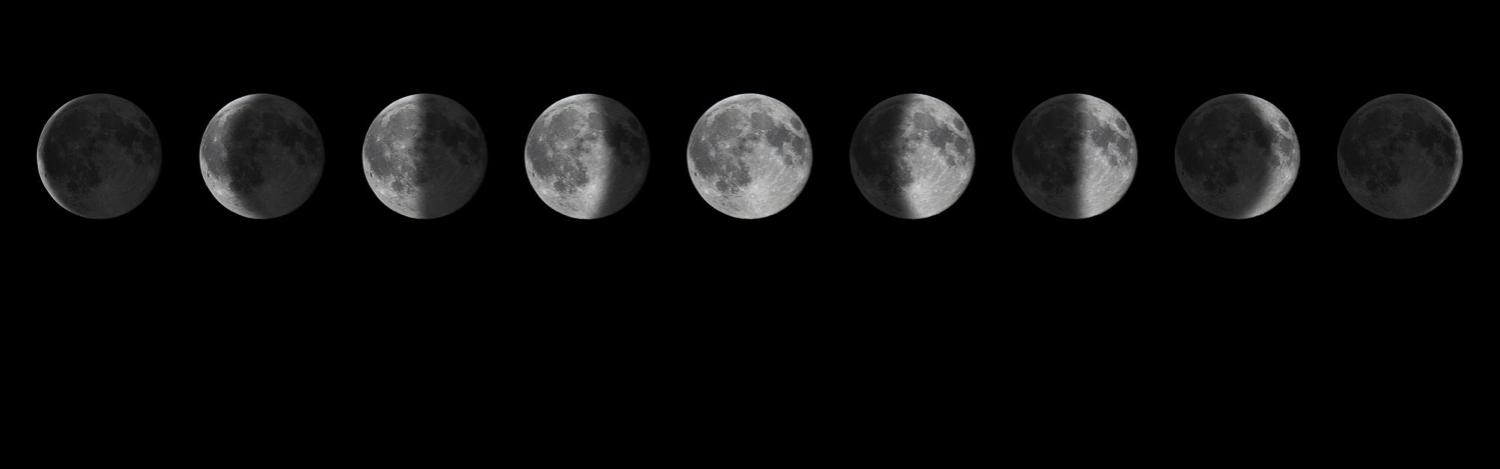
If a person chooses to fast once a week, it is better to stop food intake during the days when the lunar phases change, such as the New Moon, the first quarter, the Full Moon, and the last quarter. Incidentally, starting a diet on one of these days will make it more effective.
In western astrology, when choosing a day for fasting, it is also important to pay attention to the Moon in the signs. Fasting is not recommended when the Moon is in Taurus or Aries, whereas when the Moon is in Capricorn or Virgo, then fasting will be smooth.
Preparation for and withdrawal from fasting

It is important to prepare for fasting well in advance and to break a fast properly.
The day before you should refrain from taking any heavy food, whereas later that day you should only drink water and abstain from food altogeher.
After a day of fasting it is important to gradually come out of it. You should start your morning with water, possibly with lemon, then have some fruit, such as a banana. After a while, have some light breakfast.
On the day after a fast, it is important to eat small helpings, while gradually increasing them to the regular amount. Abstain from alcohol, coffee, and salt on this day. Most of your diet on this day should consist of vegetables and dairy products.
Before you choose your fasting system, please consult your doctor, as there are contraindications.
Comments