The Self-Love Tarot Spread
How to Read a Six-Card Tarot Spread for Healing, Boundaries, and Inner Sovereignty
Article · 4 min read · ·
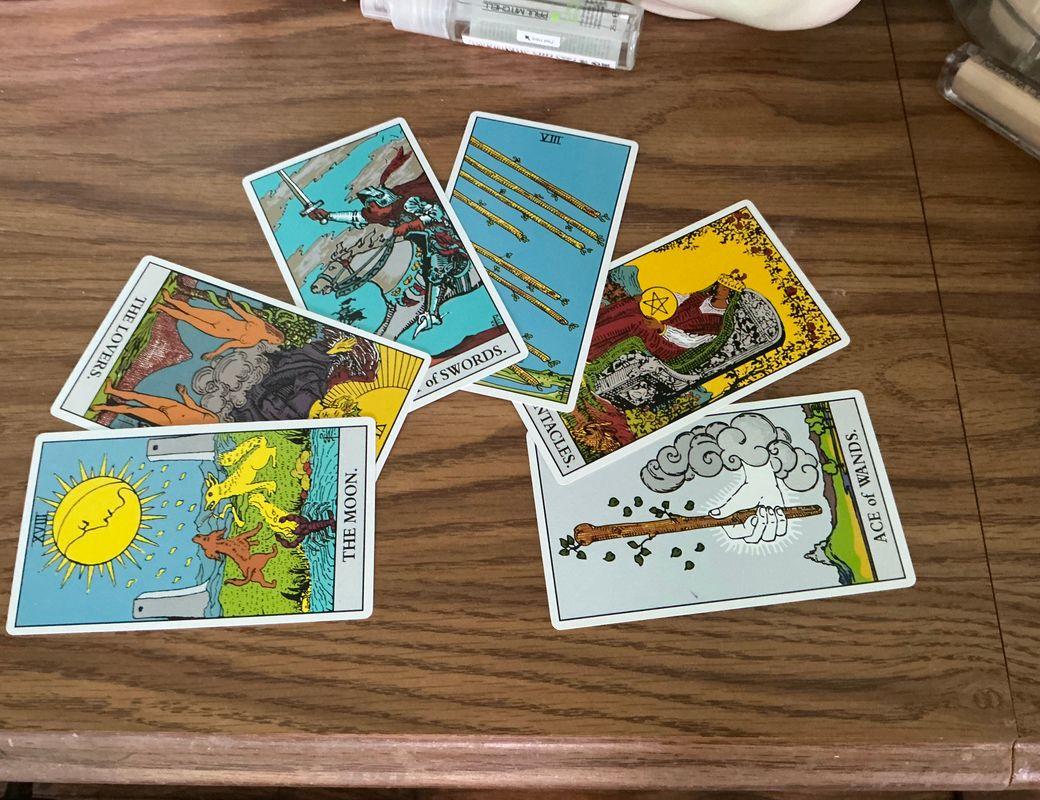
Self-love is not a single realization, it is an ongoing practice of awareness, choice, and responsibility. Tarot offers a powerful framework for this work because it does not ask us to bypass discomfort; it asks us to understand it. A self-love tarot spread is not about reassurance or prediction. It is about clarity.
This six-card spread is designed to help you identify where self-love is being blocked, how self-abandonment occurs, and what kind of care and boundaries are actually needed, rather than what feels easiest in the moment.
When to Use This Spread
This spread is especially useful when:
-
You feel disconnected from yourself
-
You are struggling with boundaries or over-giving
-
You are repeating emotional patterns
-
You are in a period of transition or renewal
-
You want to deepen self-trust rather than seek external validation
This is not a “quick pull.” It works best when approached slowly and honestly.
How to Prepare for the Reading
Before shuffling, take a moment to ground yourself. You may choose to light a candle, sit in silence, or place a hand over your heart. As you shuffle, hold this intention:
“I am open to understanding what self-love requires of me right now.”
Lay the cards out in a straight line or gentle arc from left to right.
The Six-Card Self-Love Spread
Card 1: The Truth I Must Acknowledge
This card reveals what you already sense on an intuitive level but may not have fully accepted yet. It sets the emotional and psychological tone of the reading.
Examples:
-
The High Priestess: You already know the truth, but you’ve been ignoring your intuition in favor of external opinions.
-
Three of Swords: There is unresolved emotional pain that needs to be acknowledged rather than minimized.
-
The Lovers: A choice is being avoided; self-love requires alignment, not indecision.
When reading this position, ask: What truth keeps repeating in my thoughts or feelings?
Card 2: The Attachment That Binds Me
This position shows where conditioning, fear, or habit interferes with self-love. It often reflects internalized beliefs rather than external situations.
Examples:
-
The Devil: You are attached to a pattern that feels familiar, even though it is harmful. This may involve self-criticism, guilt, or fear of change.
-
Five of Pentacles: You may be operating from a belief of scarcity or unworthiness, assuming support is unavailable even when it exists.
-
Knight of Cups: Emotional idealism or fantasy may be preventing honest self-assessment.
This card asks: What am I holding onto because it feels safe, even if it hurts?
Card 3: The Way I Abandon Myself
Here, the tarot reveals how self-neglect currently manifests. This is often subtle and normalized behavior.
Examples:
-
Ten of Wands: Overextending yourself and carrying emotional burdens that are not yours.
-
Page of Cups (reversed): Dismissing your own feelings or invalidating your emotional needs.
-
Queen of Swords (reversed): Silencing your truth to avoid conflict or discomfort.
This position asks: Where am I prioritizing peace, productivity, or approval over my own needs?
Card 4: What Must End
This is the transformation point of the spread. It reveals what needs to be released in order for self-love to grow.
Examples:
-
Death: A core identity, relationship dynamic, or coping mechanism has reached its natural conclusion.
-
Eight of Swords: Limiting beliefs about what you are capable of must be dismantled.
-
Four of Cups: Emotional stagnation or disengagement is blocking growth.
This card is not about punishment; it is about making space.
Card 5: How to Practice Self-Compassion
This position shows what healthy self-love looks like right now, not indulgence, but supportive care paired with honesty.
Examples:
-
Strength: Approach yourself with patience and firmness. Gentle boundaries are required.
-
The Empress: Prioritize rest, nourishment, and pleasure without guilt.
-
Temperance: Seek balance and moderation; healing comes through integration, not extremes.
*
Ask: What kind of care actually supports my well-being long-term?
Card 6: The Self I Am Becoming
This final card reveals the emerging version of yourself that self-love is calling forth. It represents growth, not perfection.
Examples:
-
Judgement: You are reclaiming your voice and stepping into self-acceptance and accountability.
-
Queen of Pentacles: A more grounded, secure, and self-sustaining version of yourself is developing.
-
The Star: Healing, hope, and renewed trust in yourself are taking root.
This card is an invitation, not a demand.
How to Read the Spread as a Whole
Rather than interpreting each card in isolation, read the spread as a narrative:
-
Notice repeated suits or themes
-
Pay attention to Major Arcana, they indicate deep internal shifts
-
Observe emotional reactions; discomfort often signals truth
You may wish to journal the reading or return to it after a few days. Self-love unfolds through reflection, not urgency.
Closing Reflection
A self-love tarot spread is not about fixing yourself. It is about understanding where you are, how you arrived there, and what conscious care looks like moving forward. Tarot does not demand perfection, it asks for participation.
When you choose to read for self-love, you are choosing awareness over avoidance, and sovereignty over self-abandonment.
That choice, repeated over time, becomes transformation.