The Real, Mostly Unknown, Possibly Made-Up History of Tarot
As Told by a Guy With a Beard and Too Many Opinions
Article · 3 min read · ·
So here’s the thing no one tells you about tarot cards: they weren’t always the mystical, linen-textured, Pinterest-worthy life advice tools we know today. No, once upon a time—before the moon was trendy and before crystals had hashtags—tarot was basically a medieval card game played by drunk nobles who couldn’t handle chess.
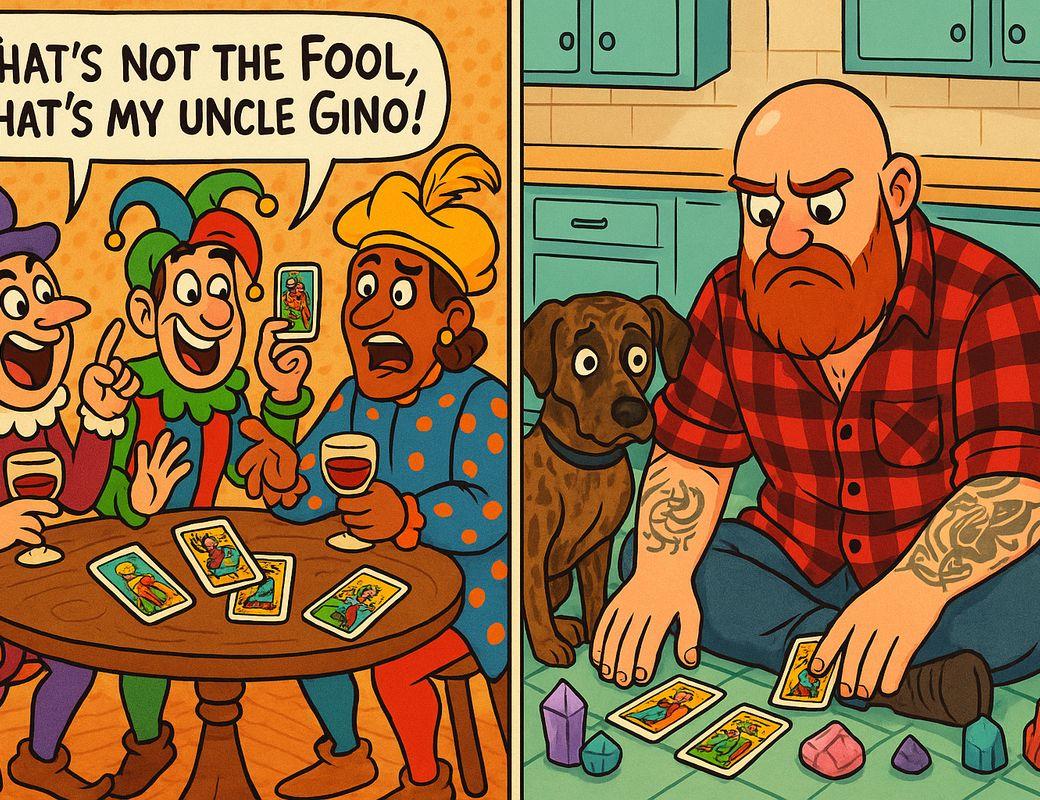
Seriously. Picture a group of 1400s Italian dudes in velvet leggings, drinking fermented grape juice that definitely had floaties in it, yelling things like “That’s not the Fool, that’s my uncle Gino!” as they slapped down hand-painted cards that looked like a weird fever dream had a baby with a church fresco. That was the vibe.
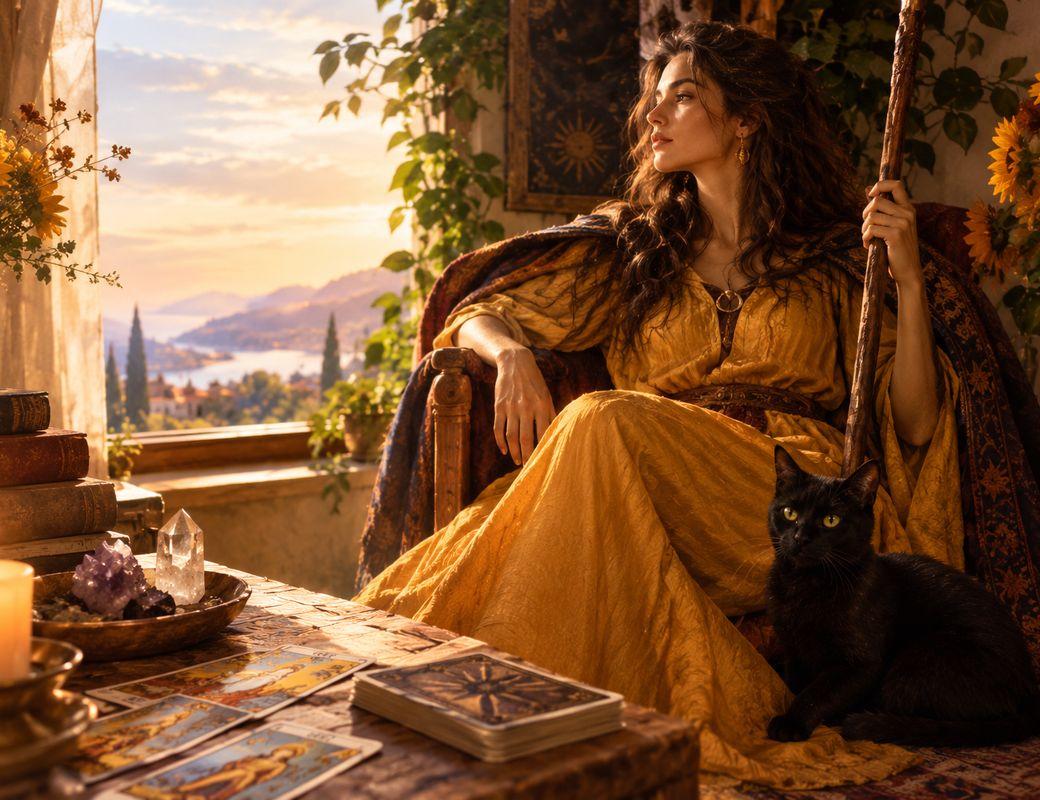
Now fast forward a couple centuries. These same cards somehow become sacred tools of divination, used by mystics, witches, and every one who now owns a Himalayan salt lamp and charges their decks under the full moon. (No shade, by the way. I do the same thing. My deck lives on a chunk of rose quartz like a diva on vacation.)
But here’s the real kicker: tarot survived plagues, witch trials, religious reformations, and capitalism. You think it’s easy for a deck of paper to dodge both fire and Catholic guilt? That’s resilience, my friend.
Eventually, in the 1700s, a few occult nerds in France got hold of the cards and went full conspiracy theory. They were like, “What if these cards aren’t just a game? What if they’re the key to unlocking the secrets of the universe?” Which, to be fair, is the exact kind of unhinged leap I respect. That’s when tarot took a hard left from “medieval Uno” into “sacred spiritual GPS.”
Then the Victorians got involved—because of course they did—and suddenly tarot was all about talking to ghosts, channeling past lives, and asking if Gregory from the haberdashery liked you back. It got real dramatic. Lace. Candles. Séances. Very Bridgerton meets Hot Topic.
And today? Now we’ve got decks for everything: cat tarot, mushroom tarot, trauma-healing tarot, probably a “Corporate Burnout Oracle Deck” somewhere with cards like “The Email Ghoster” and “The Passive-Aggressive CC.”
But here’s what nobody talks about: tarot isn’t about predicting your future like some mystic weather report. It’s about remembering who the you are. It’s a mirror. A wake-up call. A wise old friend who’s not afraid to call you out while offering you a cup of herbal tea and a slap to the soul.
I didn’t get into tarot because I wanted to see the future. I got into it because I needed something—anything—that could help me understand the chaos inside my own head. And the cards? They didn’t give me answers. They handed me better questions.
So yeah, maybe the history of tarot isn’t written in stone. Maybe it’s been pieced together from myth, mysticism, and the imaginations of people desperate to believe in something. But honestly? That makes it more real to me. Because if you’ve ever shuffled a deck while crying on your kitchen floor, praying to whatever’s out there for a
sign—you know tarot is more than history.
It’s survival.
It’s storytelling.
It’s spiritual duct tape when your soul’s falling apart.
And if that’s not sacred? I don’t know what is.
Responses (19)


Show more