The Hanged Man
Shadow of Surrender, and the Vision You Can Only See Upside Down
Article · 10 min read · ·
I want to tell you about the year I stopped fighting.
It wasn't noble. It wasn't enlightened. I didn't meditate my way into serene acceptance or awaken one morning suddenly at peace with uncertainty.
I stopped fighting because I was too exhausted to lift my fists anymore.
A relationship I had poured my entire blueprint into had dissolved. A creative project I had birthed with my own hands had died on the drafting table. My body, which I had treated like a machine for survival, had simply… stopped cooperating. I woke up tired. I moved through days tired. I fell asleep still tired, as if exhaustion was not a state but a permanent climate.
I thought I was failing. I thought I was regressing. I thought all the inner work I had done—the moon rituals, the shadow dialogues, the nervous system regulation—had been a beautiful, elaborate lie.
I didn't realize I had entered The Hanged Man.
The Traditional Blueprint: The Suspended Initiation
The Hanged Man is Card XII—the threshold between the first and second half of the Fool's Journey . He is not a martyr. He is not a victim. He is not, despite centuries of misinterpretation, being punished.
He is suspended. Willingly.
In most Rider-Waite-Smith decks, the Hanged Man's face is serene, almost beatific. A golden halo glows around his head. His bound foot is tied to a living tree, not a dead one. He has not been captured; he has consented to the suspension .
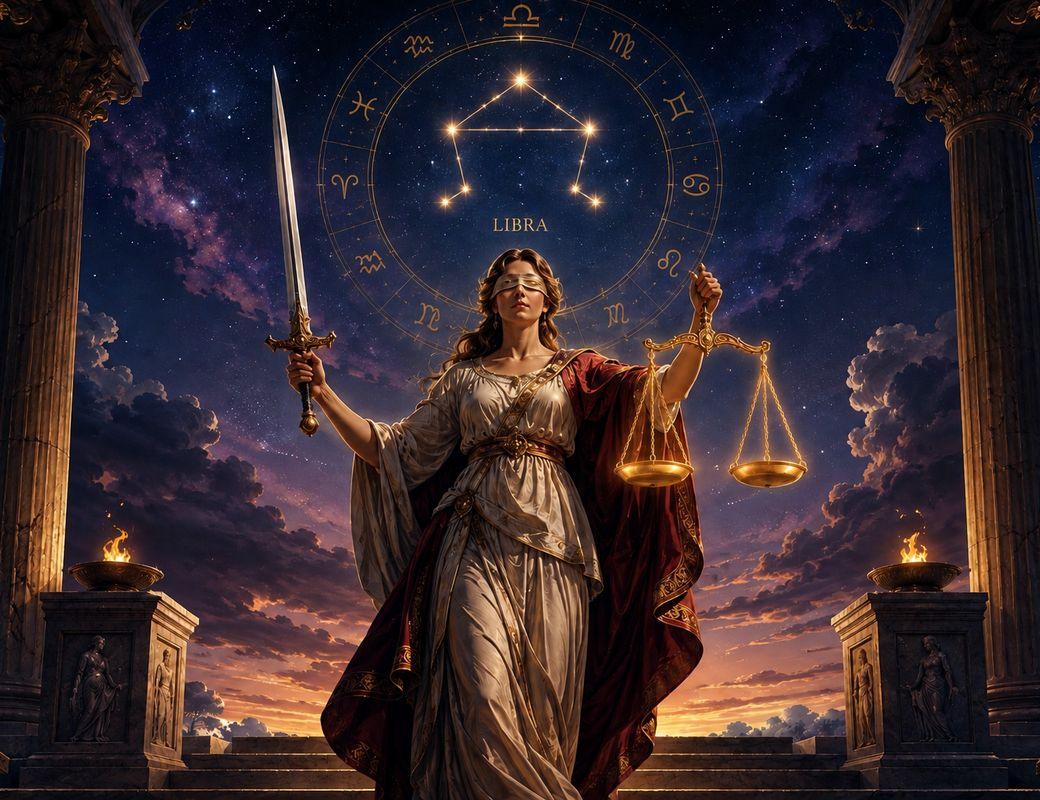
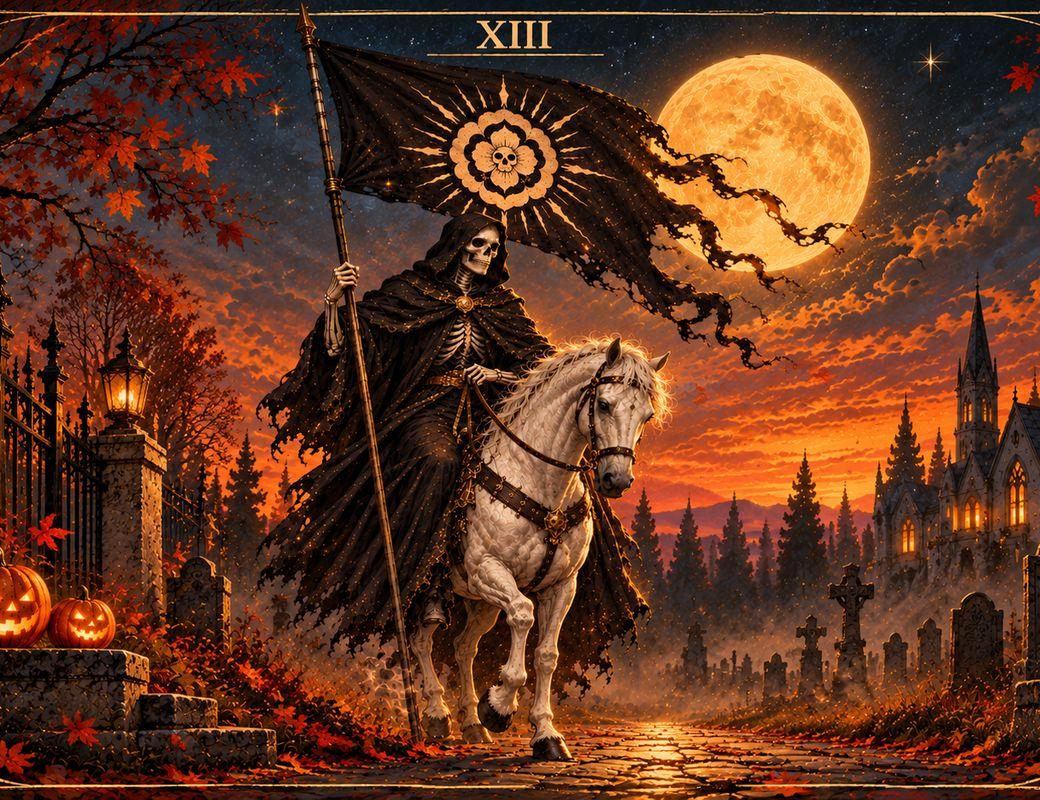
Numerologically, twelve is the number of completion and the beginning of a new cycle. It follows Justice (XI) and precedes Death (XIII). The Hanged Man is the bridge between knowing what is out of balance and being willing to let it die .
This card is associated with the element of Water—emotion, intuition, the unconscious—and with Neptune, the planet of dissolution, dreams, and the vast, boundaryless sea .
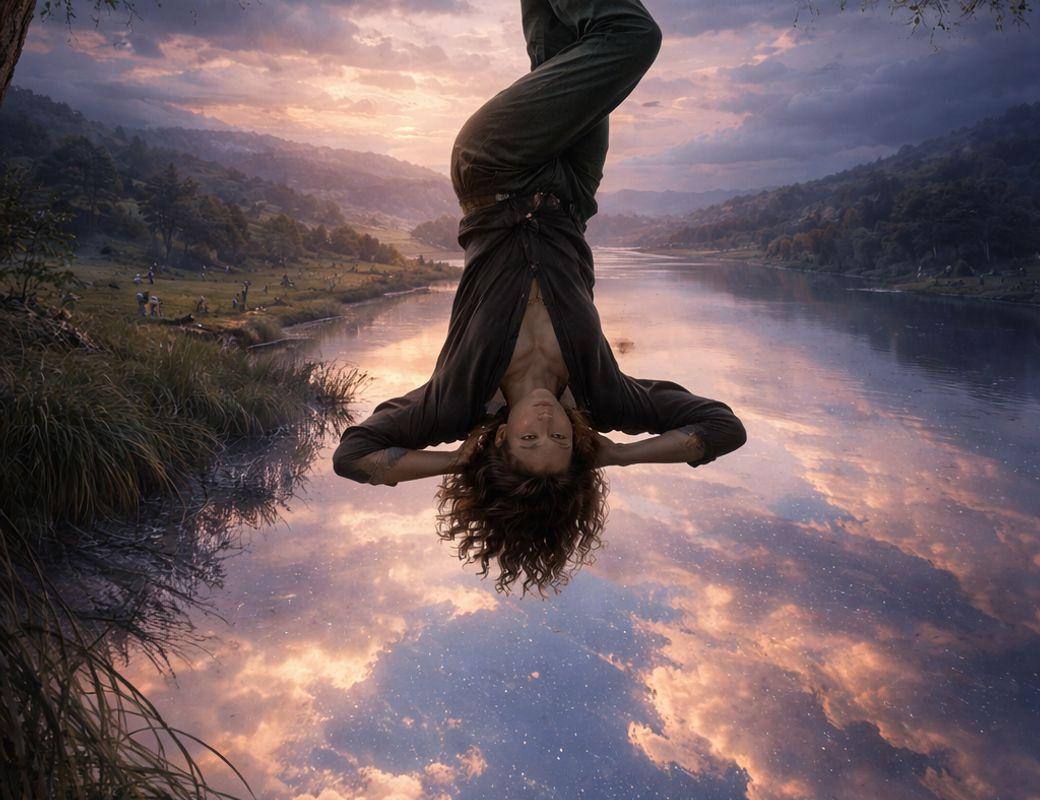
His posture—one leg crossed behind the other, forming an inverted cross or an ancient rune—is not a symbol of suffering. It is a symbol of a different orientation. He has turned the world upside down and found, to his quiet astonishment, that he can still see. He sees differently now.
The Hanged Man is the card of sacred pause. Of not knowing. Of willingly surrendering the illusion of control.
The Shadow Reflection: The Forcer and The Pretender
When The Hanged Man appears in your shadow, it reveals your inability to stop.
Not "stop" as in rest. Not "stop" as in take a nap or go on vacation. Stop as in release the steering wheel entirely. Stop as in admit that your will, no matter how disciplined, is not the primary force moving your life forward.
Your "Hanged Man Shadow" manifests in two desperate postures:
1. The Forcer.
This shadow believes that any pause is failure, any surrender is defeat, any admission of "I don't know" is weakness. It has survived by doing, and it will continue doing until it collapses, because the alternative—admitting that doing isn't enough right now—feels like death.
The Forcer treats life like a math problem. If I just find the right variable—the right therapist, the right modality, the right manifestation technique—I can solve for X and make everything move again. It researches surrender as a strategy, reads books about "letting go," and then turns letting go into another productivity metric.
It cannot hear the irony. It is too busy trying to master stillness.
2. The Pretender.
This shadow has learned the aesthetic of surrender without its substance. It says, "I'm just going with the flow," while secretly clinging to every passing log. It calls avoidance "trusting the universe." It mistakes paralysis for patience, dissociation for detachment.
The Pretender hangs on the tree, but its eyes are squeezed shut. It is not seeing anything new. It is just waiting for the suspension to end so it can get back to controlling things.
Both shadows are terrified of the same thing: the vulnerable, fertile void of true not-knowing.
The Forcer believes that if it stops pushing, everything will crumble. The Pretender believes that if it admits it's still gripping, it will be exposed as a fraud. Neither has experienced what The Hanged Man knows: suspension is not emptiness. It is a different kind of seeing.
What I Saw When I Finally Stopped Struggling
I spent months in my Hanged Man year trying to figure out how to get out of it.
I manifested. I affirmed. I set intentions until my journal overflowed. I treated my stagnation like a problem to be solved, a knot to be picked apart with increasingly frantic fingers.
And then, one afternoon, sitting on my bedroom floor with no energy left to pretend I was "working on myself," I just… stopped.
I lay down on the carpet. Looked at the ceiling. Felt the hard floor beneath my spine. And for the first time in years, I asked nothing of myself.
No growth. No healing. No progress.
Just presence.
And in that terrible, spacious quiet, a voice I hadn't been able to hear through all my striving said, very softly:
"What if this isn't a setback? What if this is the actual work?"
I didn't receive a revelation. I didn't see my entire future unfold. I didn't suddenly "know" what to do next.
But I felt something shift. Not in my circumstances. In my orientation.
I had been looking at my life from the perspective of forward motion: Where am I going? What's the next step? How do I get there faster?
But The Hanged Man doesn't look forward. He looks sideways. Down. Up. Inward. All the directions that are invisible when you're marching straight ahead.
From his inverted perch, he sees:
-
The patterns you walk past when you're focused on the destination.
-
The wounds you're trying to outrun instead of tend.
-
The people you're leaving behind without saying goodbye.
-
The wisdom you're dismissing because it doesn't arrive in the form you expected.
He sees what you can only see when you stop trying to arrive.
The Sanctuary Question:
"Where in my life am I treating stillness as failure, surrender as defeat, and not-knowing as a problem to be solved?"
And the question beneath it, the one The Hanged Man waits in patient silence for you to ask:
"What might I see, if I stopped struggling long enough to look in a different direction?"
The Integration Prompt: The "48-Hour Moratorium"
Your task is not to "figure out" your suspension. Your task is to stop treating it like an emergency.
1. Identify One Arena of Forcing.
Choose one area of your life where you are currently white-knuckling. A situation you're trying to control, a decision you're trying to force, a timeline you're trying to accelerate. It can be large or small.
2. Declare a Moratorium.
For 48 hours, you are not allowed to:
-
Research solutions.
-
Make pro/con lists.
-
Ask friends for advice.
-
Visualize outcomes.
-
Affirm "better" circumstances.
-
Do any inner work related to "fixing" this situation.
3. Redirect Your Attention.
When the urge to force arises, redirect it to pure observation. Not "What should I do?" but:
-
"What do I notice about this moment?"
-
"What sensations are in my body right now?"
-
"What have I been walking past while focused on the destination?"
4. The Inverted Journal.
At the end of 48 hours, write for ten minutes—not about what you should do next, but about what you saw while you weren't looking forward.
The Suspension Is Not the Enemy
We have been taught to fear The Hanged Man.
Our culture worships forward motion. Progress. Productivity. The relentless optimism of "what's next?" We have no rituals for sacred pause, no vocabulary for honorable surrender, no frameworks for the fertile dark between knowing and not-knowing.
So when the suspension comes—and it comes to everyone—we mistake it for failure.
But The Hanged Man is not a punishment. He is an initiation.
Every significant transformation I have ever undergone began with a period of not-knowing. Every true evolution required me to stop defending my old orientation and allow myself to be turned, slowly, painfully, graciously, until I could see what had been invisible from my upright position.
I could not have accelerated this process. I could not have optimized it. I could only consent to it.
This is what the suspension asks of you. Not certainty. Not strategy. Not a five-year plan illuminated by sudden revelation.
Just consent.
"I don't know what this is. I don't know how long it will last. I don't know what I will see when I finally open my eyes. But I will stop fighting the rope."
The Sanctuary Was Built for the Suspended Ones
I know how terrifying this card is. Not because it's dark, but because it's still.
You have done so much work. You have mapped your shadows, regulated your nervous system, revised your blueprints, sat with your lion, weighed your scales. You have been moving.
And now the wheel has stopped turning, and you are suspended, and your mind is screaming: "This isn't part of the plan! This isn't in the curriculum! What am I supposed to do with this?"
The curriculum includes suspension.
The Blueprint does not end at "identify your patterns." It continues into "sit with what you cannot yet change."
The Cornerstone does not promise perpetual calm. It teaches you how to stay in your body when the forward motion stops and you are left hanging in the strange, inverted quiet.
The Rendering does not demand you always know what you're building. Sometimes the most sacred act of creation is allowing the blueprint to remain blank while you wait for a new orientation to emerge.
And The Inhabitation—The Inhabitation is not about arrival. It is about learning to live inside the question, to make a home in the suspension, to trust that the rope is held by hands larger than your own.
This is the work no one can do for you.
But you don't have to do it alone.
If you are hanging right now—
If you are in the suspension, the pause, the terrible quiet between what was and what will be—
I need you to hear something.
You are not failing. You are being initiated.
The world will tell you to push through, to manifest harder, to "choose joy" and "vibrate higher" and pretend the rope isn't cutting into your ankle. The world is terrified of The Hanged Man.
But I am not terrified of him. He is my teacher. He is the reason I stopped running long enough to see the blueprint of my own heart.
I cannot take you out of the suspension. No one can.
But I can hold the lantern while you hang there. I can share the tools that helped me stop struggling long enough to see. I can point to the other suspended ones, scattered across the branches of the same living tree, who are also learning to look in new directions.
For the ones who have stopped fighting the rope. For the ones who are trying to, but their hands won't unclench. For the ones who didn't choose this suspension, but are beginning to suspect it chose them.
The lantern is lit. The tree is ancient. You are not the first to hang here, and you will not be the last.
But you are the only one who can see what you can see, from this angle, at this moment.
Don't close your eyes.
With you in the sacred suspension,
Star