The Fool’s Journey
Tarot as a Portable Mystery School
Article · 5 min read · ·
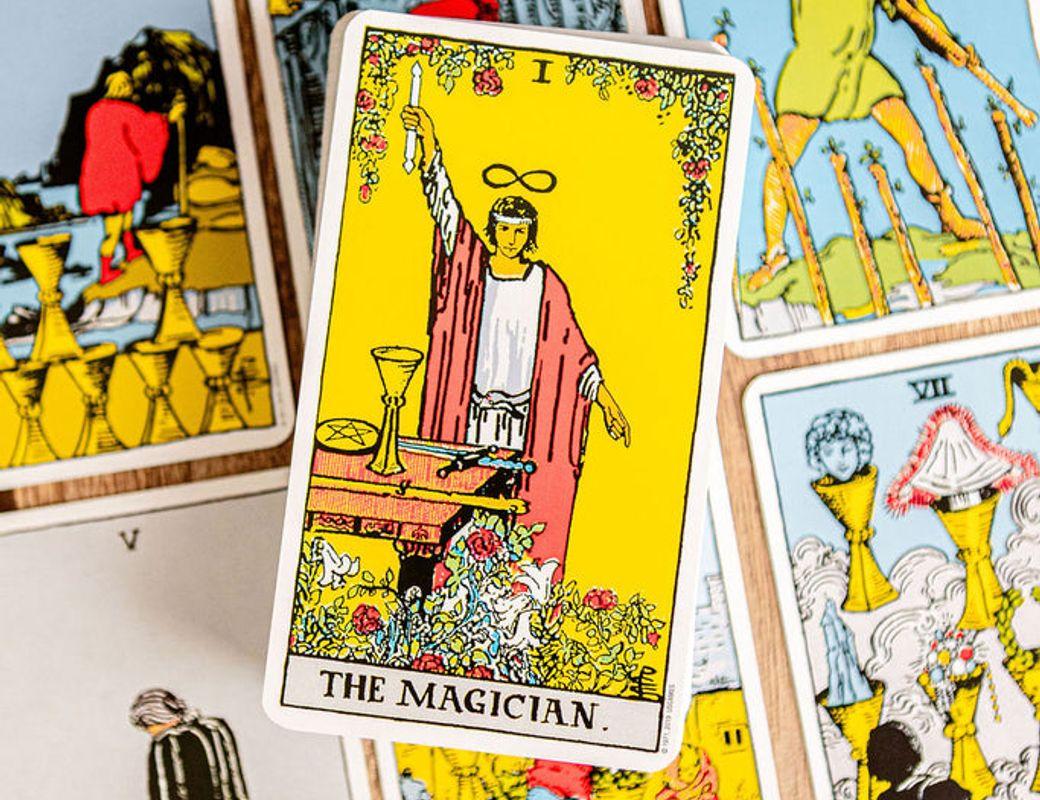
For centuries, mystery schools were hidden sanctuaries where seekers studied sacred truths, initiates were tested through symbolic trials, and wisdom was passed down only to the few deemed ready. These schools—found in Egypt, Greece, and later the Hermetic traditions of Renaissance Europe—offered lessons in philosophy, spirituality, and self-mastery, often through secretive rituals and symbolic practices. Today, most of those ancient temples have vanished, but the essence of their teachings lives on—in an unexpected place. The tarot, often dismissed as a mere fortune-telling tool, is in fact a portable mystery school. Within its seventy-eight cards lie archetypes, elemental forces, and universal principles that mirror the soul’s path of initiation.
At the heart of this hidden curriculum is the Fool’s Journey—the symbolic adventure of the soul through the Major Arcana. Each card represents a stage of growth, a trial, or an awakening. From the Fool’s first step into the unknown to the World’s triumph of integration and wisdom, the journey mirrors the same transformative path initiates once walked in the halls of Eleusis or the chambers of Hermetic adepts. Now, these lessons unfold in the quiet shuffle of cards, waiting for those willing to become both student and initiate.
A Living Mystery Tradition
Ancient mystery schools were never about memorizing facts; they were about transformation. Initiates learned through experience, symbolism, and ritual—understanding not just the world around them, but the hidden workings of the self. Tarot preserves this same spirit of initiation, condensed into images and archetypes anyone can access.
Consider the High Priestess. In an ancient mystery school, a student might have been taught the value of intuition and hidden knowledge through meditative practices or secret texts. In tarot, the High Priestess embodies the same lesson: she reminds us to trust inner knowing, to honor the unseen currents shaping our lives, and to approach wisdom with patience and reverence. Each card functions as a teacher, offering insight through symbolism rather than instruction manuals.
The Curriculum of the Cards
The tarot deck is, in essence, a complete curriculum for spiritual and psychological growth.
-
The Major Arcana: The twenty-two cards trace the Fool’s journey from innocence to enlightenment. Each stage is a symbolic trial. For example, the Tower warns of sudden upheaval, teaching resilience and surrender, while the Star inspires hope and spiritual vision after struggle. The Fool’s Journey is more than a story; it is a roadmap of inner development.
-
The Minor Arcana: These fifty-six cards bring the lessons into everyday life. Wands teach courage and creativity, Cups explore emotions and relationships, Swords challenge intellect and clarity, and Pentacles focus on practical and material mastery. A simple draw like the Three of Pentacles might teach collaboration and skill-building, illustrating how spiritual lessons manifest in mundane contexts.
-
The Court Cards: Pages, Knights, Queens, and Kings act as both guides and mirrors. Drawing the Knight of Cups might encourage you to pursue a creative or emotional quest, while the Queen of Swords invites discernment and clarity. These cards remind us that teachers and fellow travelers exist not only in the deck but within our daily encounters.
Through this structure, tarot provides a layered and holistic curriculum, blending inner exploration with practical application.
The Tarot as Teacher
The tarot teaches through dialogue and reflection. Drawing a card is not simply asking for a prediction—it is opening a mirror to the self. Take the Hanged Man, for example. Pulling this card may indicate a need to pause, surrender, or see a situation from a new perspective. In a mystery school, this would have been a lesson in patience, perspective, and letting go of ego. With tarot, the lesson is immediate, personal, and portable.
Daily draws act like “class sessions,” each offering a lesson tailored to the seeker’s current journey. Keeping a journal or meditating on the card’s imagery deepens the understanding, turning the deck into a living teacher. Over time, patterns emerge, archetypes resonate, and the cards reveal a personal curriculum uniquely suited to the individual.
Practice as Initiation
Tarot study is experiential. Each spread is a ritual; each draw is an initiation. By engaging regularly with the deck, we encounter challenges, confront shadows, and discover hidden potential. For example, encountering repeated appearances of the Devil might signal patterns of attachment or limitation, inviting reflection and transformation. Similarly, drawing the Sun can reaffirm purpose, joy, or clarity when needed most.
This approach mirrors ancient practices: initiation was never passive. Wisdom required engagement, contemplation, and integration. Tarot makes this process accessible—no gates, no hierarchy—yet preserves the depth and rigor of traditional mystery schools.
A School You Can Carry
What makes tarot remarkable is its portability. Unlike lost temples or secret societies, the deck is a mystery school you can hold in your hands, shuffle at home, or carry on a journey. It bridges the wisdom of ancient initiates and modern seekers, condensing centuries of esoteric tradition into symbols and stories that anyone can explore.
The tarot adapts to each seeker. While one person may use it for daily guidance, another may explore its depths through meditation, pathworking, or creative reflection. The cards invite us into the mysteries, offering lessons in spiritual, emotional, and practical realms, all within a format that fits in a pocket or sits on a bedside table.
Conclusion
The tarot is far more than a tool of divination—it is a lifelong journey of initiation. Through its seventy-eight cards, it teaches us to navigate the trials of the soul, engage with archetypal wisdom, and integrate spiritual lessons into everyday life. The Fool’s Journey is our journey: a call to awaken, to learn, and to embody the lessons once hidden in ancient halls of initiation.
The true temple of mystery is not built of stone or guarded by secrecy; it is found within us. And with the tarot, the keys to that temple are always at hand, waiting for the seeker brave enough to shuffle the deck and step into the path of transformation.
Responses (2)