🔮 The Art of Tarot: Unlocking the Mysteries of the Cards
Exploring the history, symbolism, spiritual meaning, and ancient wisdom of tarot.
Article · 13 min read · ·
Introduction: A Journey Into the World of Tarot
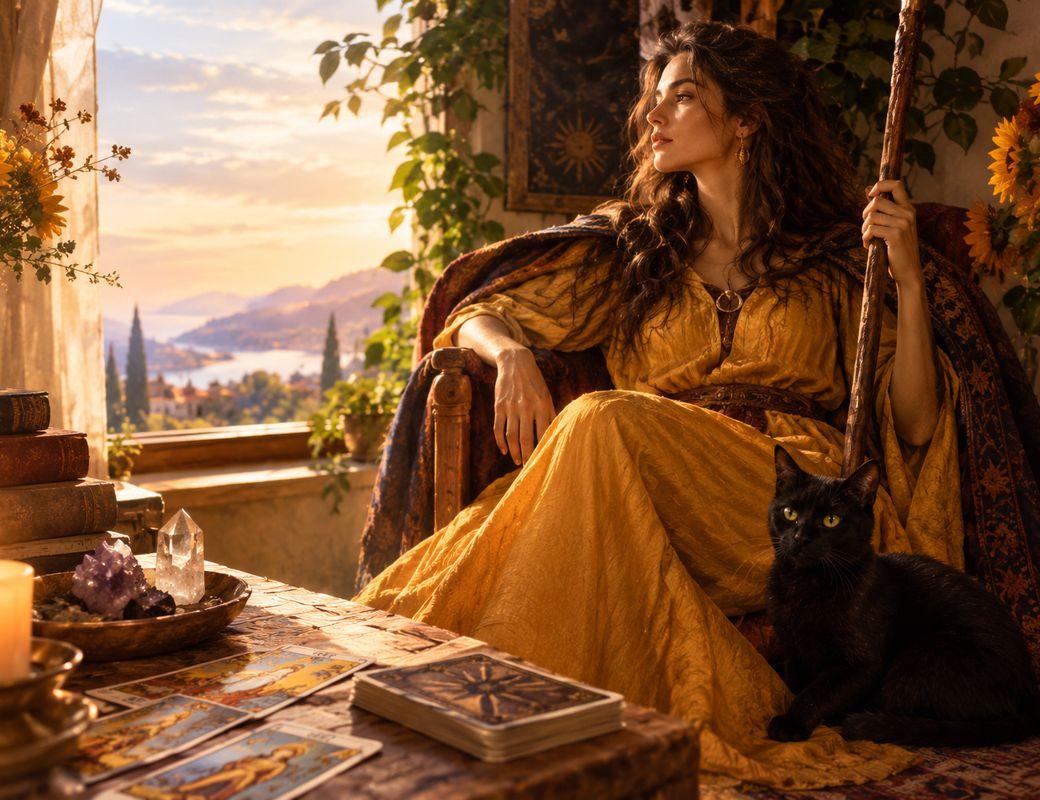
For centuries, tarot cards have fascinated people with their mysterious imagery, symbolic meanings, and connections to spirituality. Often associated with witches, mystics, fortune-tellers, and spiritual practitioners, tarot has become one of the most recognizable forms of divination in the modern world.
But tarot is much more than a collection of beautifully illustrated cards.
For many practitioners, it is a tool for self-discovery, spiritual exploration, personal reflection, and understanding life's complicated circumstances. Each card carries its own symbolism, representing different experiences, emotions, challenges, opportunities, and stages of human development.
Some people use tarot to explore questions about love, relationships, family, career, and personal growth. Others incorporate it into their witchcraft practices, meditation routines, lunar rituals, and spiritual ceremonies.
Whether approached as a spiritual practice or a symbolic tool for reflection, tarot invites us to look beyond the surface of everyday experiences and consider the deeper meanings behind our choices.
But where did tarot originate, and how did an ordinary card game become one of the most recognizable tools of modern divination?
Let's explore the fascinating world of tarot.
1. The History and Origins of Tarot
Although tarot is frequently associated with ancient Egypt, mystical civilizations, and secret spiritual traditions, its documented history begins in fifteenth-century Europe.
The earliest known tarot decks appeared in northern Italy during the 1400s. These cards were originally created for playing a trick-taking card game rather than performing spiritual readings.
One of the best-known early examples is the Visconti-Sforza tarot deck, commissioned by wealthy Italian families.
These beautifully decorated cards featured elaborate illustrations of royalty, virtues, allegorical figures, and symbolic scenes.
Tarot's transformation into a divination system happened much later.
During the eighteenth century, French occultists began assigning esoteric meanings to tarot cards. Writers such as Antoine Court de Gébelin helped popularize the idea that tarot contained hidden spiritual wisdom and connections to ancient Egyptian mysteries.
Although these historical claims were not supported by reliable evidence, they significantly influenced the development of occult tarot.
In the nineteenth century, tarot became increasingly connected to Western esoteric movements.
Later, the Hermetic Order of the Golden Dawn developed influential systems of correspondences connecting tarot with astrology, Hebrew letters, Kabbalah, and ceremonial magic.
In 1909, artist Pamela Colman Smith illustrated the Rider-Waite-Smith tarot deck under the direction of Arthur Edward Waite.
This deck became enormously influential because its illustrated Minor Arcana cards made symbolic interpretation more accessible to readers.
Today, countless tarot decks exist, each presenting its own artistic interpretation of traditional tarot symbolism.
2. Understanding the Structure of a Tarot Deck
A traditional tarot deck contains 78 cards divided into two major groups: the Major Arcana and the Minor Arcana.
Each group serves a different purpose within tarot interpretation.
The Major Arcana: The Great Lessons of Life
The Major Arcana contains 22 cards, numbered from 0 through 21.
These cards are often associated with major life experiences, spiritual development, personal transformation, and significant turning points.
They represent powerful themes that can influence a person's journey.
The 22 Major Arcana cards are:
-
The Fool — New beginnings, innocence, adventure, and taking a leap of faith.
-
The Magician — Manifestation, personal power, creativity, and resourcefulness.
-
The High Priestess — Intuition, hidden knowledge, mystery, and inner wisdom.
-
The Empress — Fertility, abundance, nurturing, creativity, and growth.
-
The Emperor — Authority, structure, stability, leadership, and discipline.
-
The Hierophant — Tradition, spiritual teachings, institutions, and established beliefs.
-
The Lovers — Relationships, meaningful choices, harmony, and personal values.
-
The Chariot — Determination, ambition, control, and forward movement.
-
Strength — Courage, compassion, patience, and inner resilience.
-
The Hermit — Solitude, introspection, wisdom, and spiritual searching.
-
Wheel of Fortune — Change, cycles, destiny, and unexpected developments.
-
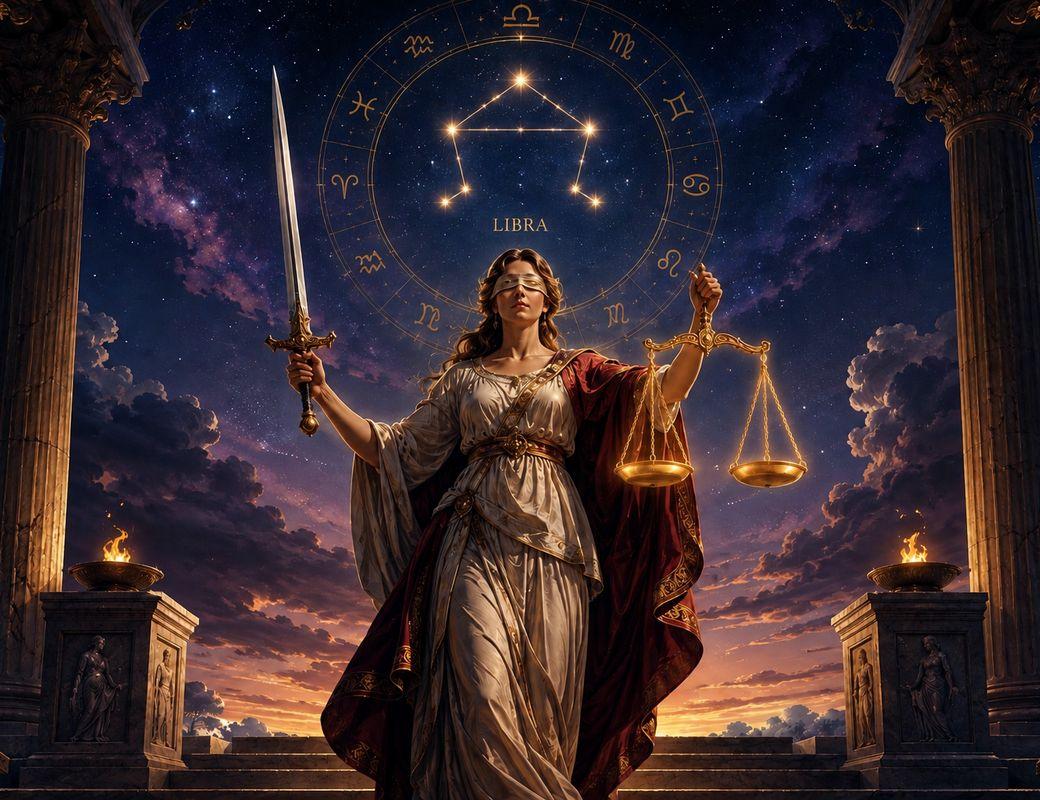
Justice — Truth, accountability, fairness, and consequences.
-
The Hanged Man — Surrender, patience, sacrifice, and a different perspective.
-
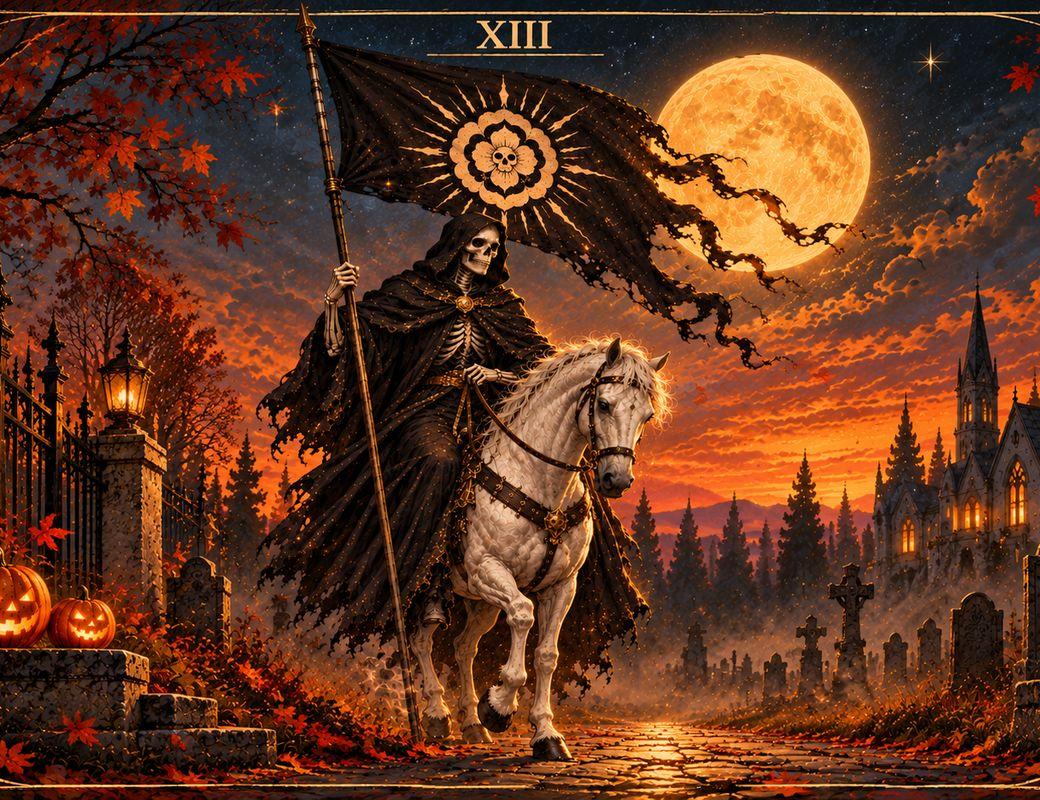
Death — Endings, transformation, release, and rebirth.
-
Temperance — Balance, moderation, healing, and harmony.
-
The Devil — Attachments, temptation, unhealthy patterns, and limitations.
-
The Tower — Disruption, revelation, sudden change, and the collapse of unstable foundations.
-
The Star — Hope, inspiration, renewal, and spiritual guidance.
-
The Moon — Dreams, intuition, uncertainty, illusion, and the subconscious.
-
The Sun — Happiness, success, confidence, and vitality.
-
Judgement — Awakening, reflection, accountability, and personal transformation.
-
The World — Completion, achievement, fulfillment, and the closing of a cycle.
The Major Arcana can be understood as a symbolic journey through the human experience.
This journey is sometimes called the Fool's Journey, beginning with The Fool and progressing through the lessons represented by the remaining cards.
The Minor Arcana: Everyday Experiences
The Minor Arcana contains 56 cards divided into four suits.
These suits explore the everyday situations, emotions, decisions, relationships, and challenges that influence our lives.
Wands — The Element of Fire
Wands represent creativity, ambition, passion, inspiration, and action.
They are often associated with motivation, new projects, personal determination, and the desire to pursue meaningful goals.
Cups — The Element of Water
Cups represent emotions, love, relationships, intuition, and the inner world.
They frequently appear in readings involving romantic connections, friendships, family matters, emotional healing, and personal fulfillment.
Swords — The Element of Air
Swords represent thoughts, communication, truth, conflict, and intellectual challenges.
They can reveal situations involving difficult decisions, misunderstandings, anxiety, honesty, and the need for clarity.
Pentacles — The Element of Earth
Pentacles represent finances, work, physical resources, stability, health-related routines, and material security.
They often appear in readings involving employment, financial decisions, education, home life, and long-term planning.
Each suit contains ten numbered cards and four court cards: Page, Knight, Queen, and King.
Together, the four suits provide a symbolic representation of many different aspects of everyday life.
3. How Tarot Readings Work
A tarot reading involves selecting cards from a deck and interpreting their imagery, symbolism, traditional meanings, and relationships to one another.
Some readers shuffle their decks while concentrating on a particular question. Others use meditation, prayer, or a short ritual before beginning.
There is no single universally required method.
A reader might ask a question about a relationship, a difficult decision, personal development, or an uncertain situation.
The cards are then placed into a predetermined arrangement called a tarot spread.
Each position within the spread represents a different aspect of the question.
For example, one card might represent the past, another the present, and another a possible direction for the future.
The interpretation comes from considering both the individual cards and the larger story they create together.
Importantly, tarot should not be treated as a guaranteed prediction of future events or a substitute for professional advice when dealing with serious medical, legal, or financial decisions.
4. Upright and Reversed Tarot Cards
One of the most recognizable features of tarot is the distinction between upright and reversed cards.
An upright card appears in its normal orientation when drawn.
A reversed card appears upside down.
Many tarot readers interpret reversed cards as representing blocked energy, internal struggles, delays, excesses, or the more challenging expression of a card's traditional meaning.
For example:
The Sun Upright: Happiness, optimism, achievement, and clarity.
The Sun Reversed: Temporary setbacks, diminished confidence, unrealistic expectations, or difficulty recognizing positive circumstances.
The Lovers Upright: Connection, harmony, meaningful relationships, and important choices.
The Lovers Reversed: Disharmony, conflicting values, communication difficulties, or relationship imbalance.
The Magician Upright: Confidence, creativity, manifestation, and the ability to use available resources.
The Magician Reversed: Self-doubt, manipulation, scattered energy, or unused potential.
Not every reader uses reversed cards. Some prefer to interpret all 78 cards through their surrounding context and the symbolism within each reading.
Both approaches are widely practiced.
5. Tarot and Witchcraft: A Spiritual Connection
Tarot has become an important tool within many modern witchcraft traditions.
Although tarot did not originate as a specifically witchcraft-based practice, its symbolic structure makes it useful for contemporary spiritual work.
Witches may incorporate tarot into rituals, spell preparation, meditation, seasonal celebrations, and lunar observances.
For example, a practitioner might draw The High Priestess during a Full Moon meditation to reflect on intuition and inner wisdom.
The Death card might be used symbolically during Samhain to explore endings, transformation, and the release of old habits.
The Star could represent hope and renewal during a difficult period.
The Empress might inspire reflection on creativity, abundance, nurturing, and connection with nature.
Tarot can also be used as a complementary practice alongside other forms of divination.
Some practitioners combine tarot with astrology, numerology, runes, pendulums, or oracle cards.
There is no requirement to incorporate every spiritual practice into tarot. The most meaningful approach is one that reflects the reader's personal beliefs and intentions.
6. The Four Elements and Their Connection to Tarot
The four elements are frequently used to interpret the Minor Arcana.
Each element represents a different dimension of human experience.
Fire — Wands
Fire represents passion, transformation, motivation, creativity, and action.
It is associated with the spark that inspires us to pursue something meaningful.
Water — Cups
Water represents emotions, intuition, compassion, love, and spiritual connection.
Like water itself, emotions can be gentle, powerful, unpredictable, and constantly changing.
Air — Swords
Air represents thoughts, communication, logic, intellectual activity, and clarity.
It reminds us that the way we think about a situation can influence how we respond to it.
Earth — Pentacles
Earth represents stability, physical existence, resources, security, and practical matters.
It reminds us that spiritual growth also requires attention to our everyday lives.
These elemental associations help readers understand the relationships between different cards and recognize patterns within a spread.
7. Popular Tarot Spreads for Beginners
You do not need to be an experienced tarot reader to begin exploring the cards.
Simple spreads provide an excellent starting point.
The One-Card Reading
This is one of the easiest ways to become familiar with tarot.
Draw one card and consider its meaning.
Questions might include:
-
What should I reflect on today?
-
What energy should I bring into my day?
-
What lesson deserves my attention?
The Three-Card Reading
A three-card spread provides more context.
A traditional arrangement is:
Card One — Past: What influenced the current situation?
Card Two — Present: What is happening now?
Card Three — Future: What direction or possibility should I consider?
Other interpretations include mind, body, and spirit; situation, challenge, and advice; or what to release, what to embrace, and what to understand.
The Celtic Cross
The Celtic Cross is one of the best-known traditional tarot spreads.
It uses ten cards to explore a situation from multiple perspectives.
Its positions commonly examine:
-
The present situation.
-
The immediate challenge.
-
The foundation of the situation.
-
Recent influences from the past.
-
Conscious goals or possibilities.
-
Near-future developments.
-
The reader's perspective.
-
External influences.
-
Hopes and fears.
-
The potential outcome.
Because it contains many positions, the Celtic Cross can provide a more detailed interpretation than simpler spreads.
8. Tarot and the Moon: Working With Lunar Energy
The Moon and tarot have a particularly interesting relationship in modern spiritual practice.
Both are associated with cycles, intuition, reflection, and the changing nature of human experience.
Many tarot practitioners choose particular cards to represent different lunar phases.
New Moon — The Fool
New beginnings, possibilities, and the courage to start something different.
Waxing Moon — The Magician
Action, creativity, motivation, and developing intentions.
Full Moon — The Sun
Illumination, confidence, accomplishment, and recognizing what has come to fruition.
Waning Moon — Death
Transformation, endings, release, and preparing for renewal.
These are symbolic associations rather than fixed historical rules. Other cards may be equally appropriate depending on the reader's tradition.
Lunar tarot readings can help practitioners establish a regular spiritual reflection routine.
A simple practice is to draw one card during each major lunar phase and record its meaning in a journal.
Over time, the journal may reveal recurring themes, changing priorities, and personal patterns.
9. How to Choose and Care for Your First Tarot Deck
Choosing a tarot deck is a personal experience.
Some readers prefer traditional illustrations, while others enjoy modern artwork, nature-inspired imagery, gothic designs, celestial themes, or fantasy illustrations.
When selecting a deck, consider the following:
-
Choose artwork that you find visually meaningful.
-
Look for a deck that includes explanations of the cards.
-
Consider whether you prefer traditional Rider-Waite-Smith symbolism or a different artistic interpretation.
-
Select imagery that makes you comfortable and encourages curiosity.
-
Spend time becoming familiar with the cards before attempting complicated readings.
Some practitioners create personal rituals around their decks.
They may store cards in a special box, wrap them in cloth, place them on an altar, or spend time studying individual illustrations.
Others simply keep their cards together in their original packaging.
There is no scientifically established requirement to cleanse, charge, or consecrate tarot cards.
These practices are personal spiritual traditions rather than necessities.
10. Common Tarot Misconceptions
Despite its popularity, tarot is surrounded by many misconceptions.
Misconception One: The Death Card Means Someone Will Die.
The Death card generally symbolizes transformation, endings, transitions, and the conclusion of a particular chapter.
It does not automatically indicate physical death.
Misconception Two: You Must Be Psychic to Read Tarot.
Anyone interested in learning the cards can study their symbolism and traditional interpretations.
Psychic abilities are not a requirement.
Misconception Three: Tarot Predicts an Unchangeable Future.
Many readers view tarot as a tool for exploring possibilities rather than determining an unavoidable outcome.
Personal decisions and circumstances continue to matter.
Misconception Four: Tarot Is Automatically Evil or Dangerous.
Tarot cards are illustrated playing-card-derived objects. Their spiritual meaning depends on how people choose to use and interpret them.
Different religious and spiritual traditions hold different views about divination.
Misconception Five: Someone Else Must Give You Your First Deck.
This is a popular modern superstition, not a historical requirement. You can absolutely purchase your own tarot deck.
11. Developing Your Own Tarot Practice
Learning tarot takes patience, curiosity, and consistent study.
Rather than attempting to memorize all 78 cards immediately, begin with a few cards each day.
Study their imagery, traditional meanings, elemental associations, and symbolism.
Keep a tarot journal and record your readings.
Write down the question, the cards you drew, your initial interpretation, and any thoughts that arise.
Return to your entries later and consider whether the reading helped you recognize something about your situation.
Over time, you will develop a personal relationship with the cards and become more comfortable interpreting their messages.
Remember that tarot is not about surrendering your decisions to a deck of cards.
It is about developing greater awareness of your thoughts, circumstances, choices, and possibilities.
Conclusion: The Wisdom Within the Cards
Tarot is a fascinating blend of history, art, symbolism, spirituality, and personal reflection.
From its beginnings as a fifteenth-century European card game to its development as a modern divination system, tarot has evolved into a meaningful practice for countless people around the world.
Its 78 cards explore the many dimensions of human existence, from love and ambition to uncertainty, loss, transformation, and renewal.
Whether you are drawn to tarot because of its connection to witchcraft, its spiritual symbolism, or its beautiful artwork, the cards offer an opportunity to explore the questions that matter most to you.
Perhaps the greatest lesson of tarot is that understanding does not always come from knowing what will happen next.
Sometimes, it comes from learning to understand where you stand today.
The cards do not need to control your destiny. They can simply invite you to look more closely at the path you are walking.
🔮 May your intuition remain curious, your interpretations remain thoughtful, and your journey through the mysteries of tarot bring wisdom, clarity, and self-discovery.
Responses
No responses yet — start the conversation.