Between Magic and Mind… and the discovery of Who You Are through the Tarot
A mix of history, psychology, and intuition. And in the end, a quiz to discover which Major Arcana represents you.
Article · 6 min read · ·
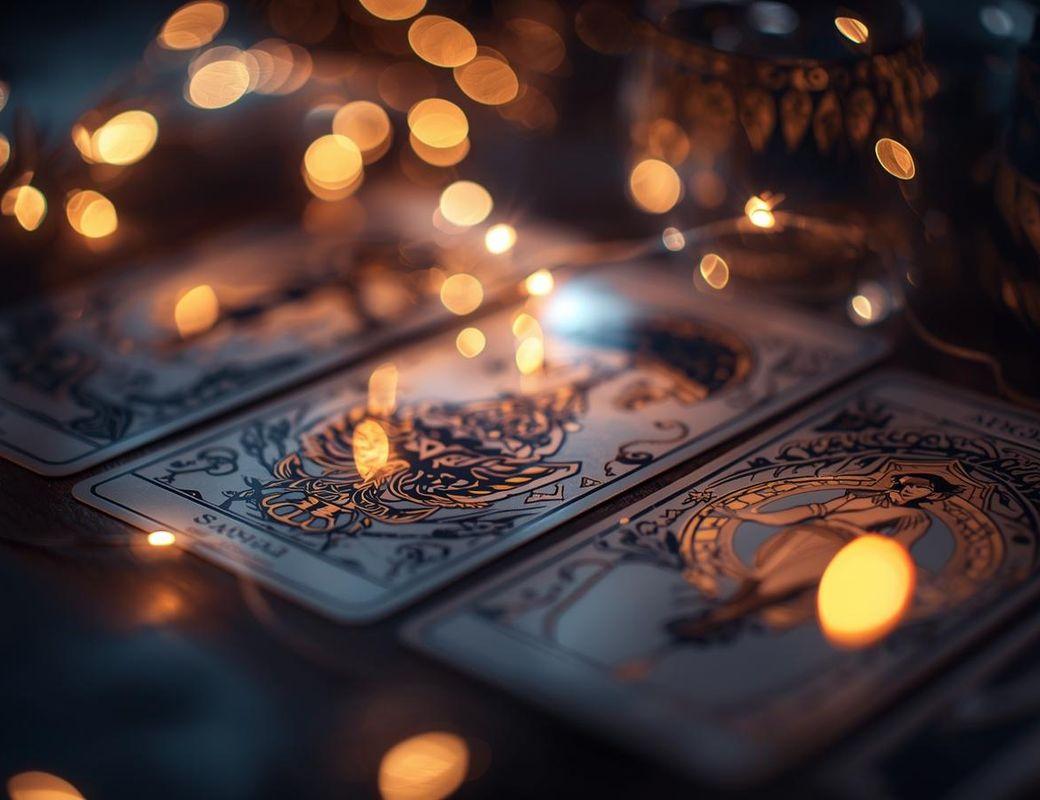
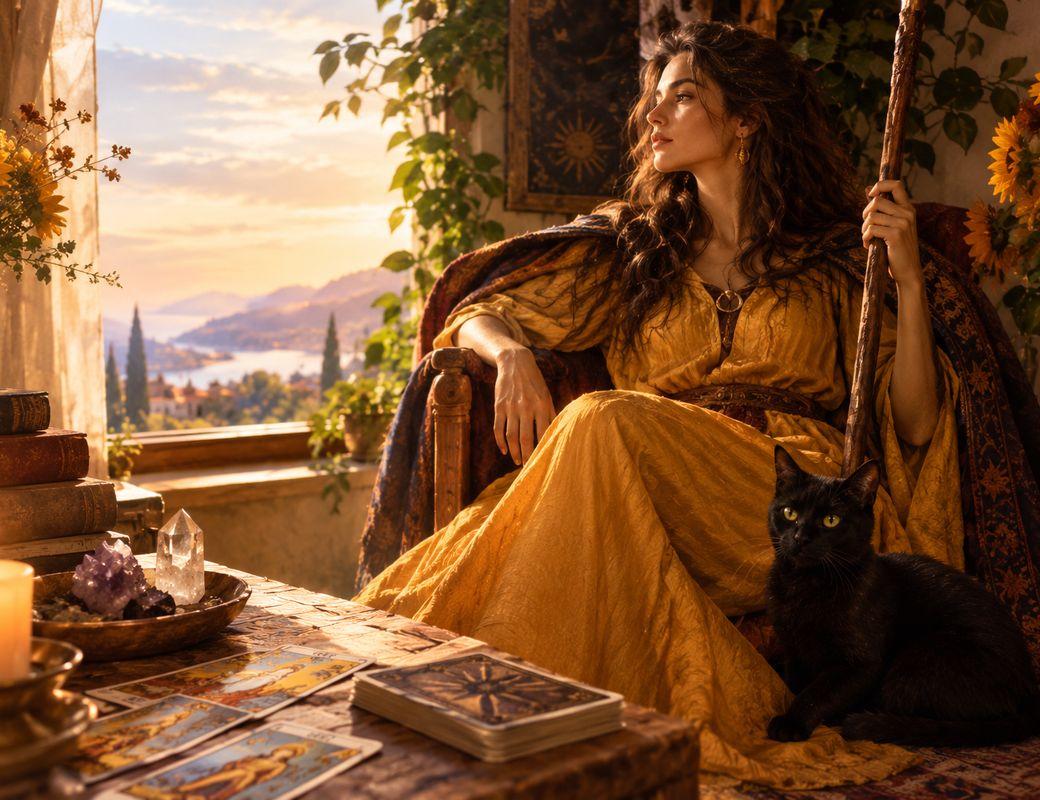
By now forms of art as well as divination, tarot cards have spread in the new era and are transmitters of advice. They are the light that guides choices when they are too dark to understand.
You can now find them almost everywhere illustrated by the hands of various artists who nevertheless remain faithful to the symbolism of the tarot.
With this first article, I would like to recount the history of these wonderful divination tools. And at the end, you can also take a quiz to discover which arcana you are.
Every week we will explore a different side of the tarot to eventually have a generic map that will allow us to use them during our lives.
A BIT OF HISTORY:
The Tarot was born in the north of the Italian peninsula during the 15th century, as an evolution of the “triumphs” in Renaissance courts, and only later were they reinterpreted in an esoteric and divinatory key between the 18th and 19th centuries.
Deck composition:
A standard deck has 78 cards: 22 Major Arcana and 56 Minor Arcana. The Minors are divided into four suits (Wands, Swords, Cups, Pentacles), with 10 numbered cards and 4 court cards per suit.
TAROT AND PSYCHOANALYSIS:
During my personal journey of self-discovery, I came into contact with the figure of Jung.
Carl Gustav Jung was one of the most influential psychiatrists and thinkers of the 20th century, founder of analytical psychology. His theory of the collective unconscious and archetypes revolutionized the way we understand the human mind, dreams, symbols, and inner images.
Jung did not write a specific treatise on the Tarot, but he spoke about it in various contexts, recognizing its symbolic and psychological value.
In fact, he described the Major Arcana as “psychological images, symbols with which one plays, as the unconscious seems to play with its contents.”
The cards were not only able to predict the future but represented true inner states; for this reason, Jung cited the Tarot as useful tools to dialogue with and understand one's unconscious.
🌟 Major Arcana (22 cards)
The 22 Major Arcana thus represent universal archetypes and fundamental stages of the inner journey. There is often the prejudice of believing that the Tarot predicts the future, dictating an immutable premonition, whether good or bad. In reality, this is not entirely true. Indeed, these are divinatory tools but act as guides, providing advice and predicting what that advice will bring.
But the choice is ours alone. The future is ours.
Below is a brief preview of the Major Arcana:
- The Fool
Beginning, freedom, trust in the journey
- The Magician
Personal power, initiative, creativity
- The High Priestess
Intuition, mystery, inner knowledge
- The Empress
Fertility, abundance, care
- The Emperor
Structure, authority, stability
- The Hierophant
Wisdom, tradition, spiritual guidance
- The Lovers
Choices, relationships, harmony
- The Chariot
Will, direction, conquest
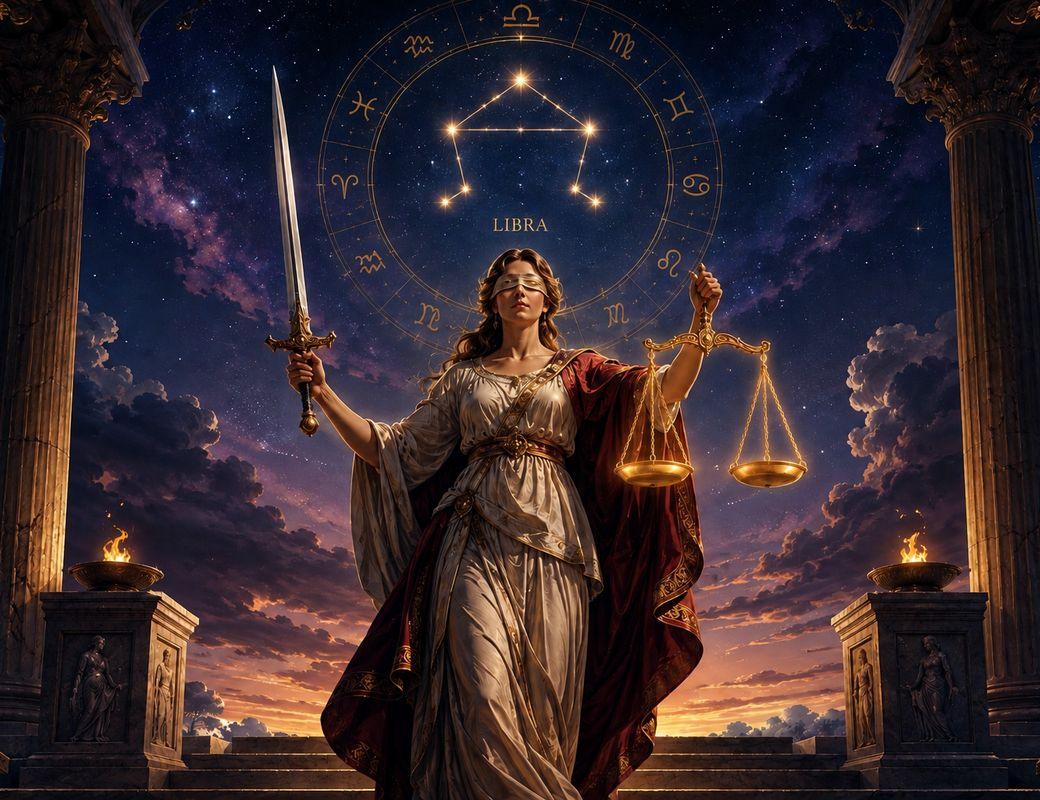
- Justice
Balance, truth, responsibility
- The Hermit
Inner search, solitude, reflection
- Wheel of Fortune
Fate, cycles, change
- Strength
Courage, patience, gentle mastery
- The Hanged Man
Suspension, sacrifice, new perspective
- Death
End, transformation, rebirth
- Temperance
Harmony, healing, balance
- The Devil
Desires, addictions, shadow
- The Tower
Breakdown, revelation, liberation
- The Star
Hope, inspiration, faith
- The Moon
Illusion, dream, unconscious
- The Sun
Joy, clarity, vitality
- Judgement
Awakening, calling, spiritual rebirth
- The World
Completion, integration, fulfillment
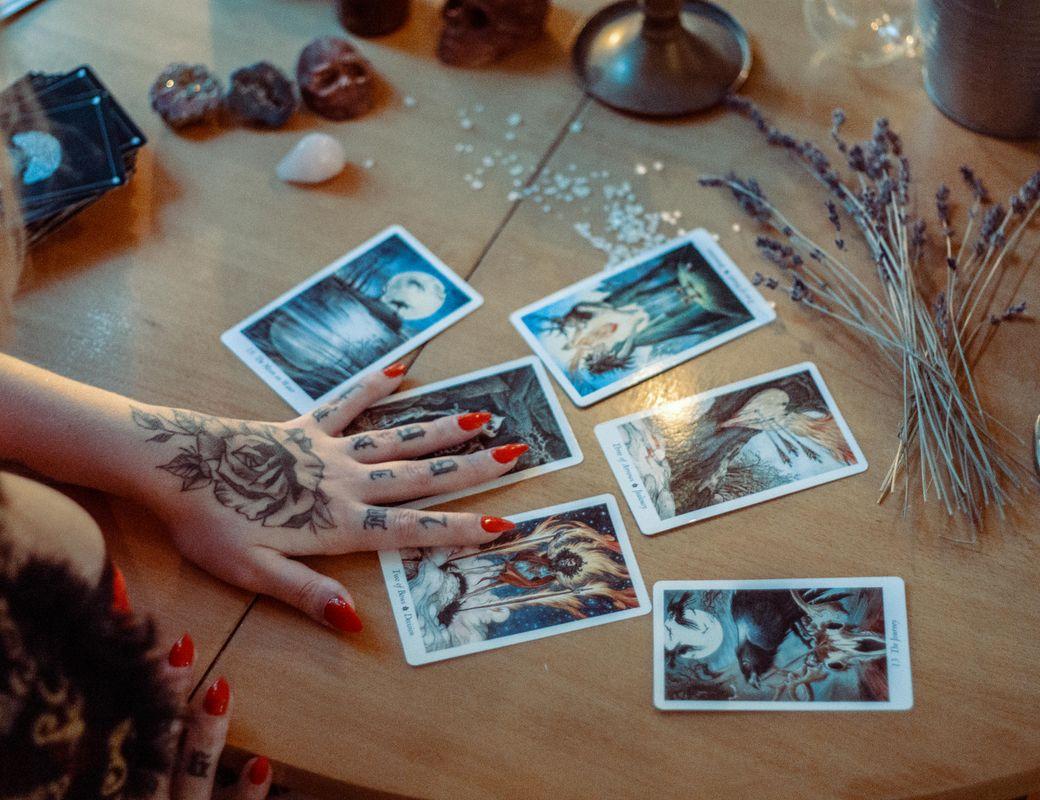
Each card, although disseminated with different illustrations, contains within it the symbols that give the card its meaning and that, depending on the spread, provide answers to the question.
🃏 Minor Arcana (56 cards)
The Minor Arcana represent everyday life, emotions, thoughts, actions, and concrete situations. They are divided into 4 suits, each with 10 numbered cards (from Ace to 10) and 4 court cards (Page, Knight, Queen, King).
-
Wands are associated with fire/creativity and impulse;
-
Swords with air/mind and challenges;
-
Cups with water/emotions and relationships;
-
Pentacles with earth/material world.
But not only the suit is important in the minor arcana, numerology also produces a meaning based on the associated suit.
Numerology / General Meaning / Reading Example
Ace (1)
Beginning, pure potential
New energy in the suit (e.g., Ace of Cups = new love/emotion)
2
Duality, choice, relationship
Balance or tension between two forces
3
Expansion, creativity, growth
Collaboration, birth of something
4
Stability, structure, foundation
Security, but also rigidity
5
Conflict, change, challenge
Necessary crisis for evolution
6
Harmony, exchange, progress
Overcoming conflict, balance restored
7
Search, introspection, strategy
Mental or spiritual challenge
8
Power, movement, realization
Concrete action, inner strength
9
Maturation, wisdom, near completion
Reflection, preparation for the end
10
Conclusion, end of a cycle
Achievement, but also transition
Page
Beginning of the journey, curiosity, learning
Knight
Action, movement, determination
Queen
Emotional maturity, intuition, nurturing
King
Leadership, control, responsibility
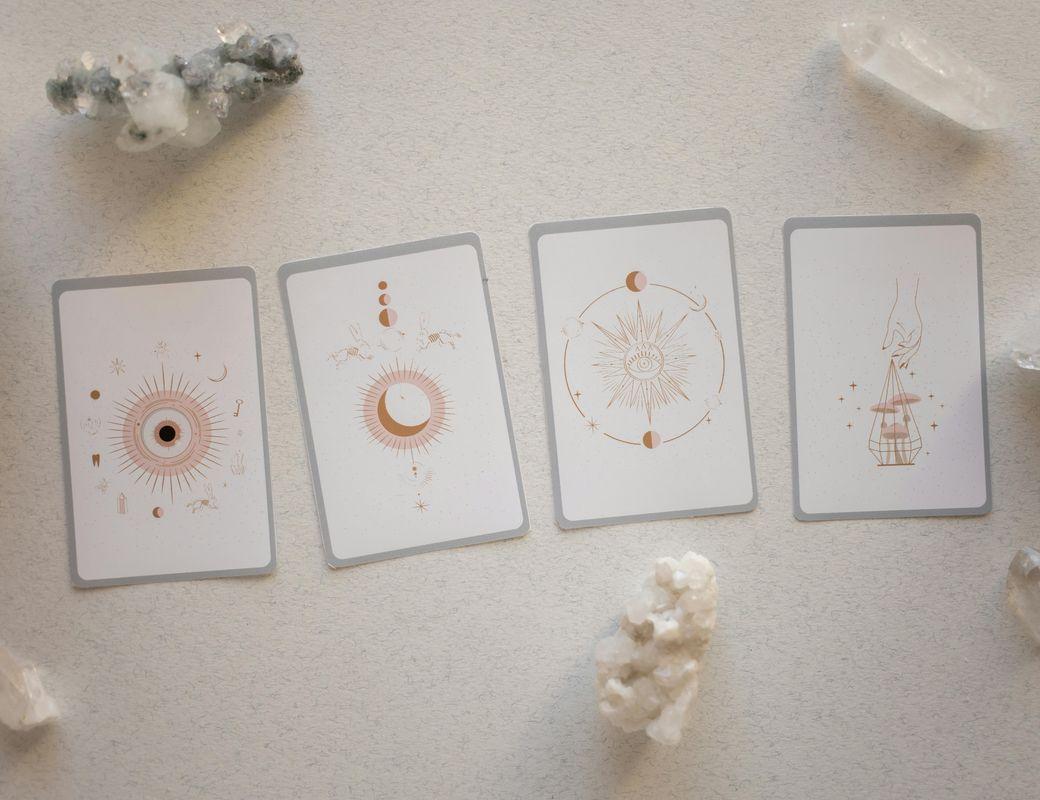
There is so much to say about Tarot and so much still to learn and discover. But this is the foundation to start from if deep inside you feel that this is the divinatory art suited to you.
I feel they are very much in tune with my aura, I perceive them, their vibrations travel on the same waves as mine. And the deck I chose captivated me. I still remember the sensation on my skin in that little shop on the riverbank in Dublin.
But we will talk about the decks in the next article.
So I hope that these words of mine have been helpful to you and have sparked your curiosity to explore a vast world, and I hope you do it together with me.
🔮 Which Major Arcana are you?
Below I have prepared a small quiz to discover which arcana you are. I ask you to comment by writing your answers; I will make sure to respond to everyone with the solution. And of course, I am available to explain each arcana in more detail.
✨ Questions
1. How do you react to a sudden change?
-
A) I try to maintain control and guide the situation
-
B) I stop to reflect and seek meaning
-
C) I jump in without thinking too much
-
D) I rely on my intuition and observe silently
2. What is your main strength?
-
A) Discipline and sense of justice
-
B) Resilience and inner strength
-
C) Creativity and ability to generate new ideas
-
D) Big-picture vision and ability to integrate
3. What guides you in important choices?
-
A) Values and tradition
-
B) Heart and emotions
-
C) Logic and data
-
D) Passion and desire for conquest
4. How do you face failure?
-
A) I reflect and seek a new perspective
-
B) I start over enthusiastically
-
C) I stop and try to understand what to transform
-
D) I try to harmonize what remains
5. Which environment makes you feel most comfortable?
-
A) A creative and welcoming environment
-
B) A structured and orderly context
-
C) A place full of stimuli and novelty
-
D) A quiet and reserved space
I look forward to your comments ✍️
Meanwhile, I thank you from the bottom of my heart ♥️
-V