Why Folk Witches Should Know Their Herbs
Before you use an herb in folk witchcraft, learn its story, its history, and why it mattered.
Article · 6 min read · ·
There is a certain simplicity to the way modern witchcraft is often presented. One is given lists that are easy to put about: rosemary for protection, lavender for peace, basil for prosperity. They are convenient to share and to remember, but also all too easy to regurgitate without ever putting the matter to its most vital test: Why?
The practice of folk witchcraft has more depth when we do not view plants as mere components of a magical formula, but take time to consider the history, the folklore, and the everyday human lives that have been part of their environment. Long before any correspondence chart was drawn up, many of these botanicals were already in the garden, on the farm, in the medicine cabinet, or as part of religious custom.
Rosemary – Remembrance and Protection
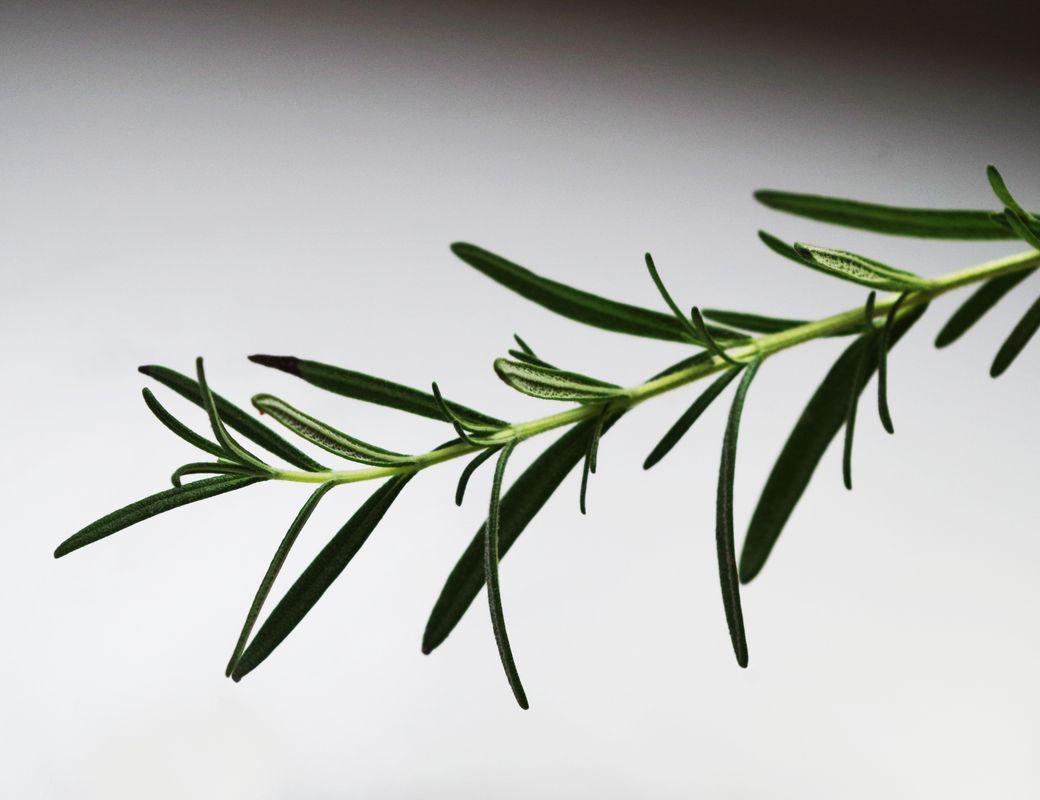
For centuries, this plant has been tied to memory. The Royal Botanic Gardens at Kew can tell you that rosemary has served as a symbol of remembrance for hundreds of years, appearing at weddings and funerals alike (“Rosemary”). Its evergreen nature, its medicinal past, and the strength of its aroma have made it a fixture of domestic life. When one uses rosemary in a rite of protection or remembrance, there is more to it than following the instructions in a contemporary spell book. One is making use of a plant with which generations have had a connection. And it is wonderfully unpretentious; it will be happy in a pot by the door or with the other herbs in the kitchen.
Basil – Sacredness, Home, and Daily Life
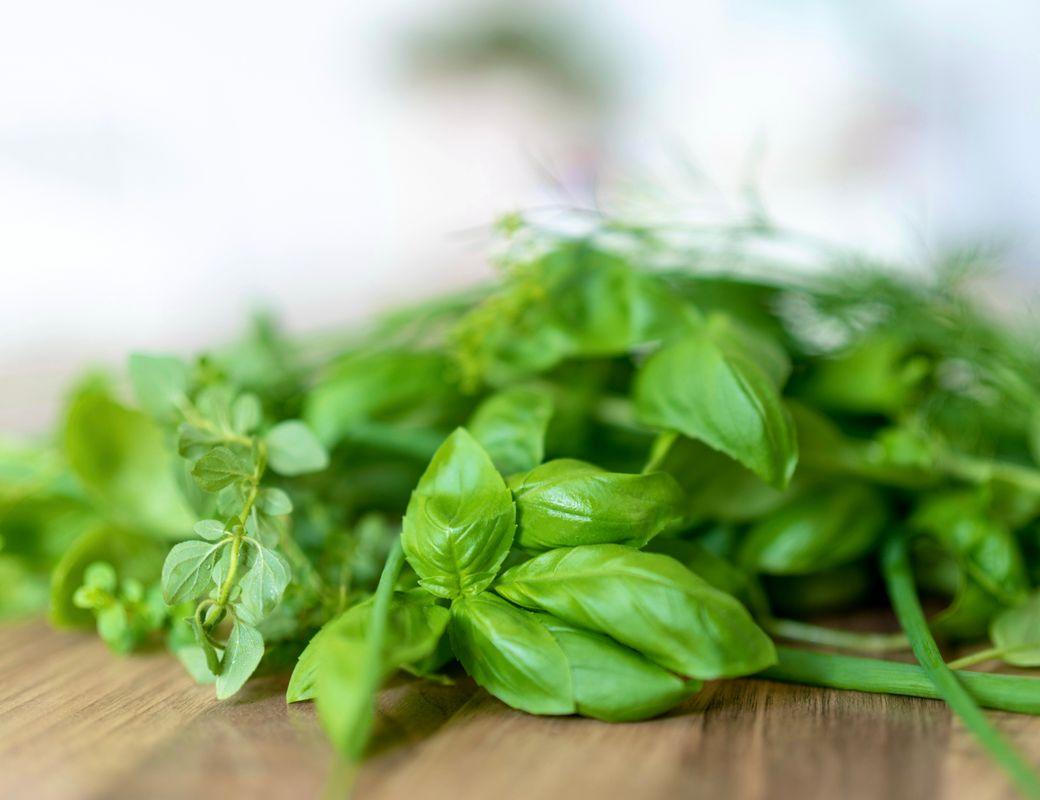
You will hear in modern circles that basil is for love or prosperity, yet the cultural record is more involved. Take holy basil, or tulsi, which has been sacred in Hindu traditions for ages and is grown around the home and temple for its medicinal properties as well as its sanctity (“Ocimum tenuiflorum”). It is reductive to label a plant “money” or “love.” Meaning is what the culture living with the plant makes of it. Basil was traded, eaten, tended, and put to medicinal use; its value came from those human relationships, not some universal rulebook.
Lavender – Cleansing, Calm, and the Household
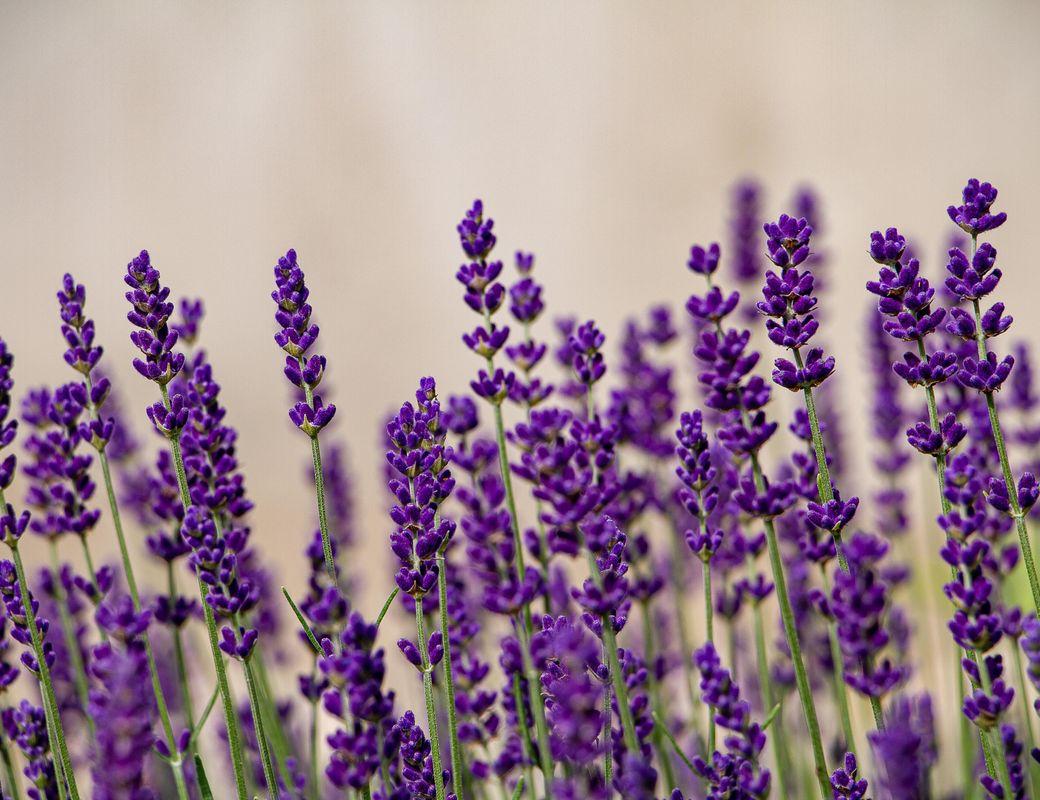
The current vogue for using lavender to bring calm or to cleanse is rooted in the past. The name itself harks back to the Latin lavare, or “to wash,” in keeping with the plant’s long history in bathing and household matters. For centuries, it has been in our soaps, perfumes, and linen sachets (“English Lavender”; “Bring Lavender into Your Home”). So when lavender is put to work for purification or a restful night’s sleep, it is not hard to see how such an idea might have come to be over the course of generations. We need not just memorize that lavender means peace; we can understand it as something people have used to make their surroundings more pleasant. History provides the bones for the practice.
Bay Laurel – Victory, Honor, and Achievement
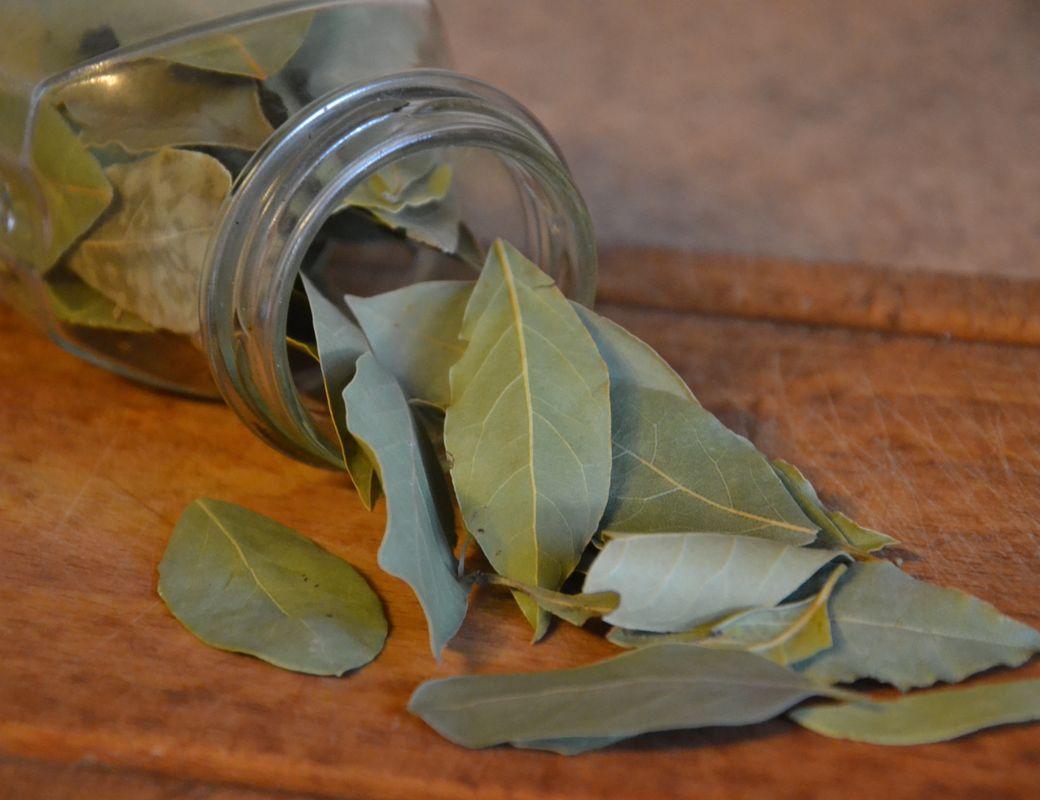
It is common to see bay leaves in manifestation work, written upon for wishes or success. But the bay laurel has an older pedigree. In Greek and Roman traditions, it was the domain of Apollo, associated with poetry, honor, and victory. A Roman would see it as a mark of military triumph (“Green Victory”), and artists have been depicting Apollo with his laurel for as long as anyone can tell (“Apollo Chasing Daphne”). That gives context to the modern use of the leaf for confidence or goals. The bay in the spice jar has a story to it.
Mint – Everyday Medicine, Food, and Abundance
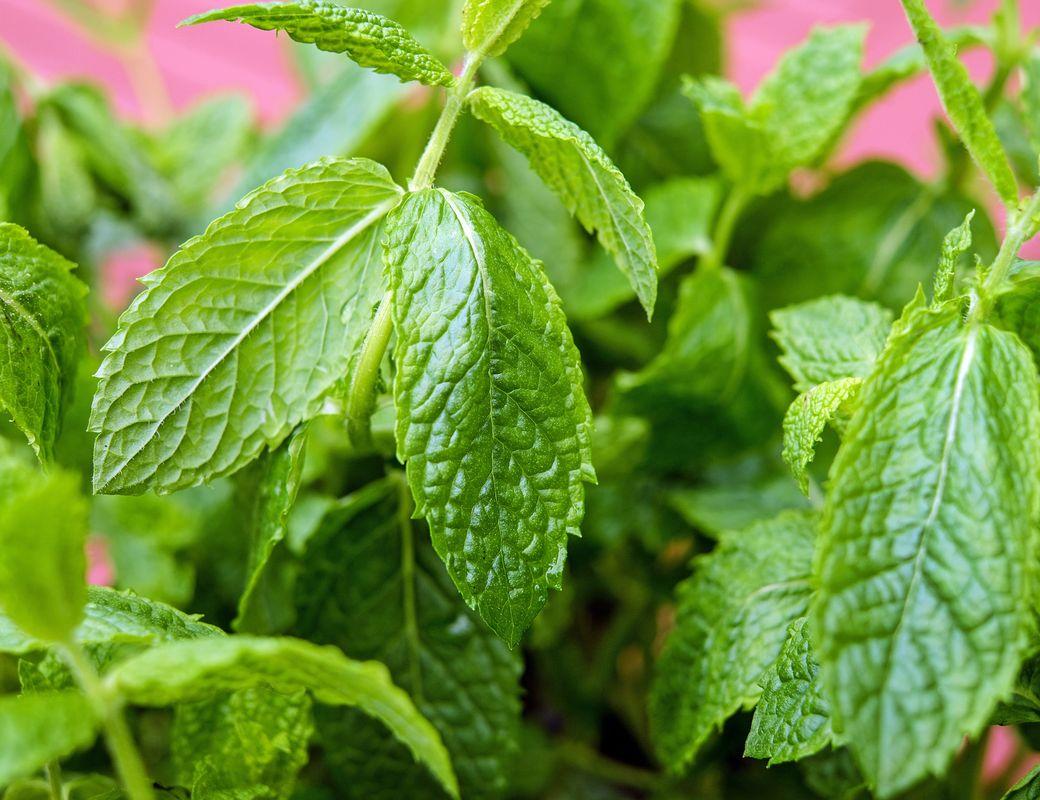
Mint has been used in teas, cosmetics, and as a digestive aid in many parts of the world (“Mentha”; “Spearmint”). Then there is the matter of its growth. Anyone who has put mint in the ground knows it will eventually begin to assert its claim on the property. Such vigor is enough to explain why it is seen as a symbol of abundance and vitality. The symbolism holds up when you look at the plant.
Folk witchcraft is like that. How a thing smells or survives becomes part of its story.
Your Backyard May Already Be a Grimoire
One does not need an online shopping cart to be a folk witch. Go outside and have a look. You will find your share of oak leaves, pine needles, dandelions, clover, stones, and feathers, depending on where you are. There is no need to assign a magical correspondence to everything in sight. Approach it with some curiosity.
Is it native?
What did people make of it in the past – food, building material, insect repellent?
What animals are drawn to it?
Put yourself to those questions and the work becomes your own.
There is no need for your grimoire to open with fifty correspondences you have lifted from another’s work. Let it start with something as unassuming as a plant by your driveway. Make an identification of it and do the legwork: put in the time to research its ecology and history, to note down any folklore you can find (with the understanding that such stories vary widely from one culture or locale to the next).
Then exercise some caution. Do not be tempted to burn or put in your mouth a plant you do not know well on the strength of an internet article calling it magical. Proper identification is essential; there are plenty of specimens out there that are toxic or otherwise hazardous to both people and animals.
You are not here to amass ingredients so much as to come to terms with them. It is one thing to know that rosemary stands for remembrance, or lavender for peace, or bay for success. But the real interest lies in uncovering the reasons behind those associations. That is what will make a mere list of herbs evolve into a living tradition.
References
“Bring Lavender into Your Home.” Royal Botanic Gardens, Kew, 21 May 2020. https://www.kew.org/read-and-watch/lavender-sleep-eyemask.
“English Lavender — Lavandula angustifolia.” Royal Botanic Gardens, Kew. https://www.kew.org/plants/english-lavender.
“Green Victory.” The Medieval Garden Enclosed, The Metropolitan Museum of Art, 27 Jan. 2012. https://blog.metmuseum.org/cloistersgardens/2012/01/27/green-victory/.
“Mentha L.” Plants of the World Online, Royal Botanic Gardens, Kew. https://powo.science.kew.org/taxon/urn:lsid:ipni.org:names:30016176-2/general-information.
“Ocimum tenuiflorum L.” Plants of the World Online, Royal Botanic Gardens, Kew. https://powo.science.kew.org/taxon/urn:lsid:ipni.org:names:453130-1/general-information.
“Rosemary — Salvia rosmarinus.” Royal Botanic Gardens, Kew. https://www.kew.org/plants/rosemary.
“Spearmint — Mentha spicata.” Royal Botanic Gardens, Kew. https://www.kew.org/plants/spearmint.
“The Story of Apollo and Daphne.” The Metropolitan Museum of Art. https://www.metmuseum.org/art/collection/search/364068.
Photos
Rosemary - Image by Andrea from Pixabay
Basil - Image by Mariya Muschard from Pixabay
Lavender - Image by Sabrina Wisian from Pixabay
Bay Laurel - Image by Anna from Pixabay
Mint - Image by Ilona Frey from Pixabay
Responses
No responses yet — start the conversation.