Understanding Inner Peace
Understanding Inner Peace
Article · 4 min read · ·
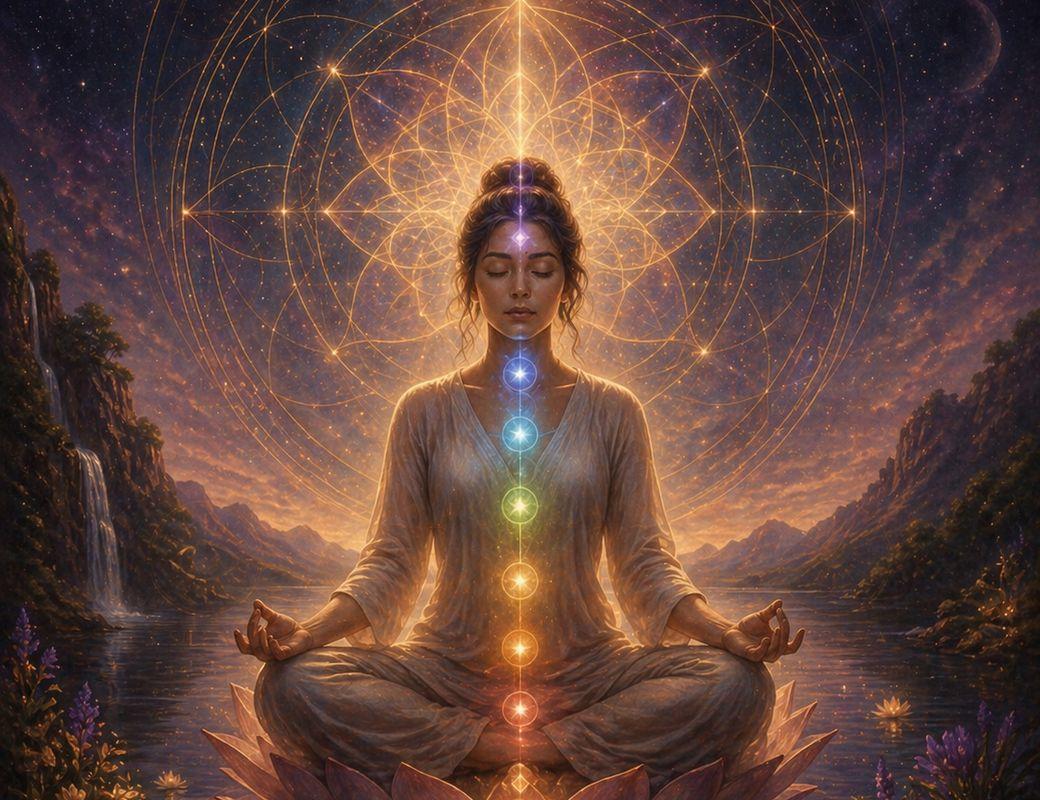
Inner peace isn't something you search for—it's something you remember.
It lives within you, like a dormant seed that only needs silence to sprout. Sometimes we think calm is a reward that comes after we've solved everything, but in truth, it's the starting point.
Peace doesn't arrive when life gets organized; life gets organized when you return to your peace. We live in times when the soul is asking for rest.
The mind is overstimulated, the senses saturated, and the body tired of carrying what the heart won't say. This book isn't here to teach you how to escape the noise, but to help you hear what lies beneath it: the gentle pulse of your soul, the voice whispering that all is well.
The rituals you'll find here are simple yet profound tools.
They're pauses, breaths, conscious acts that bring you back to your center. You don't need to do them all, nor do them perfectly. You only need presence, and the desire to meet yourself.
What does inner peace mean from a spiritual perspective?
Inner peace is how your soul remembers who you are when the mind quiets. It's the natural state of being when consciousness frees itself from fear and excessive thinking. It's not a forced silence, but a fertile one: the kind that lets you hear what life wants to tell you.
From a spiritual perspective, peace isn't achieved by eliminating conflict, but by integrating it. It's the ability to remain balanced even as life moves. It's trusting that the universe has its own rhythm and that you're part of it, without needing to control every step.
In moments of calm, your energy expands and your vibration rises. The soul breathes and the body relaxes. You begin to see things without the fog of fear or the urgency of time. You reclaim the inner space from which everything is perceived clearly.
Peace is the wisest voice dwelling within you. When you listen to it, the internal struggle disappears. You don't need to be right, or prove anything, or chase after what's already yours. Inner peace is the certainty that you're in the right place, at the right time, and that nothing external can steal what is essence.
How is peace lost in daily life?
Peace isn't lost all at once; it unravels little by little. First come the small tensions, the "I have to's," the worries that seem harmless. Then, without realizing it, the body tenses, the mind speeds up, and the soul begins to fall silent. Routine fills with obligations and spaces for rest become nonexistent.
We live in a system that teaches us to do, but not to be. To produce, but not to breathe. We disconnect from the present because we believe happiness lies in the next step, in the future that hasn't arrived yet. And so, the soul keeps waiting for you to look at it.
Peace dims each time you compare yourself, carry others' guilt, or forget your own rhythms. It weakens when you try to hold more than you can or when you move away from your truth to fit what others expect of you. But even when it hides, peace never disappears. It's like a still lake covered with leaves: you only need to brush them aside for the water to reflect the light again.
No matter how much noise there is in your life, you can always return to that stillness. You only need to remember that inner silence isn't found outside: it's built with small daily choices—each time you choose to breathe, to pause, or to say "no" with love.
Why do rituals help us return to center?
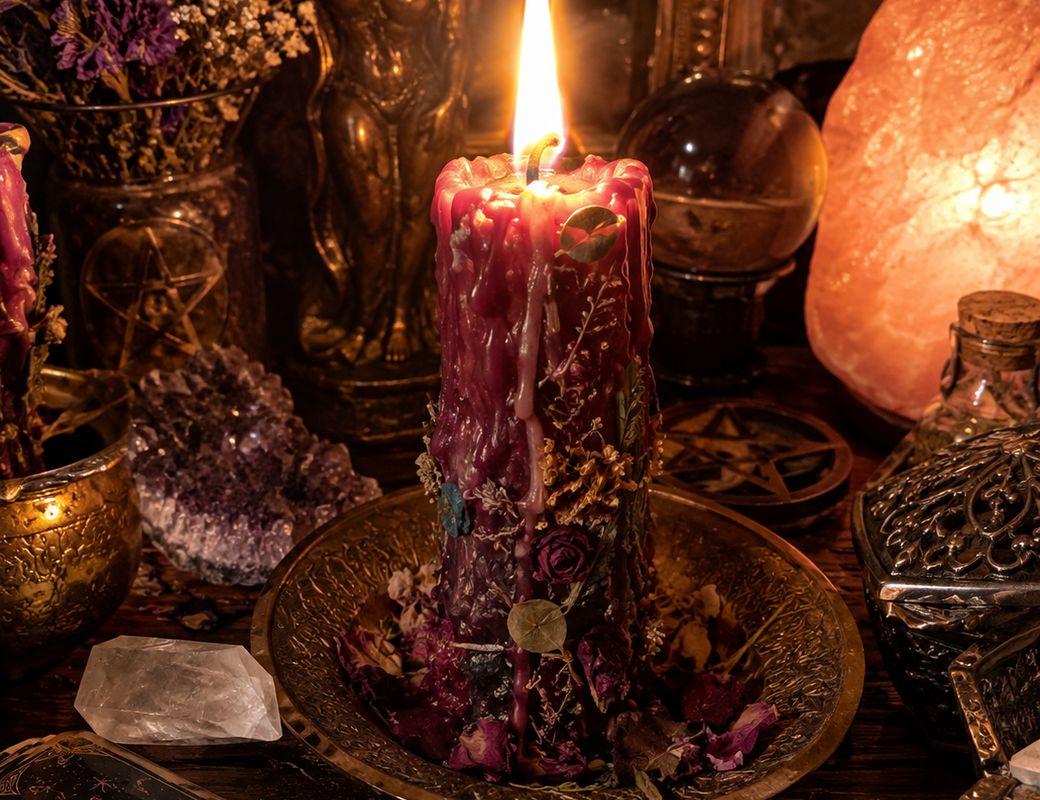
The soul communicates in symbols, and rituals are its language. When you light a candle, the fire doesn't just illuminate the space; it awakens an energy within you. When you clean a corner, you also clean thoughts.
When you take a salt bath, you don't just purify the body; you release what the soul no longer needs to carry. Rituals are gestures of presence. They force you to stop the autopilot and be here, in the moment. By focusing your energy on an action with intention, your mind calms and your energetic field aligns.
It's as if the soul said: "now I can breathe."
Moreover, rituals create bridges between the visible and invisible worlds. They give shape to silence, body to emotion, and direction to thought. When you perform a ritual with awareness, you're reminding your being that life is sacred, even in the everyday.
That's why every practice you'll undertake in this book has a profound intention: to help you return to center. Some rituals liberate, others calm, others elevate. All of them, without exception, bring you back to yourself.
Responses
No responses yet — start the conversation.