The Stillness That Started as an Echo
hat I found when I stopped running from the quiet
Article · 6 min read · ·
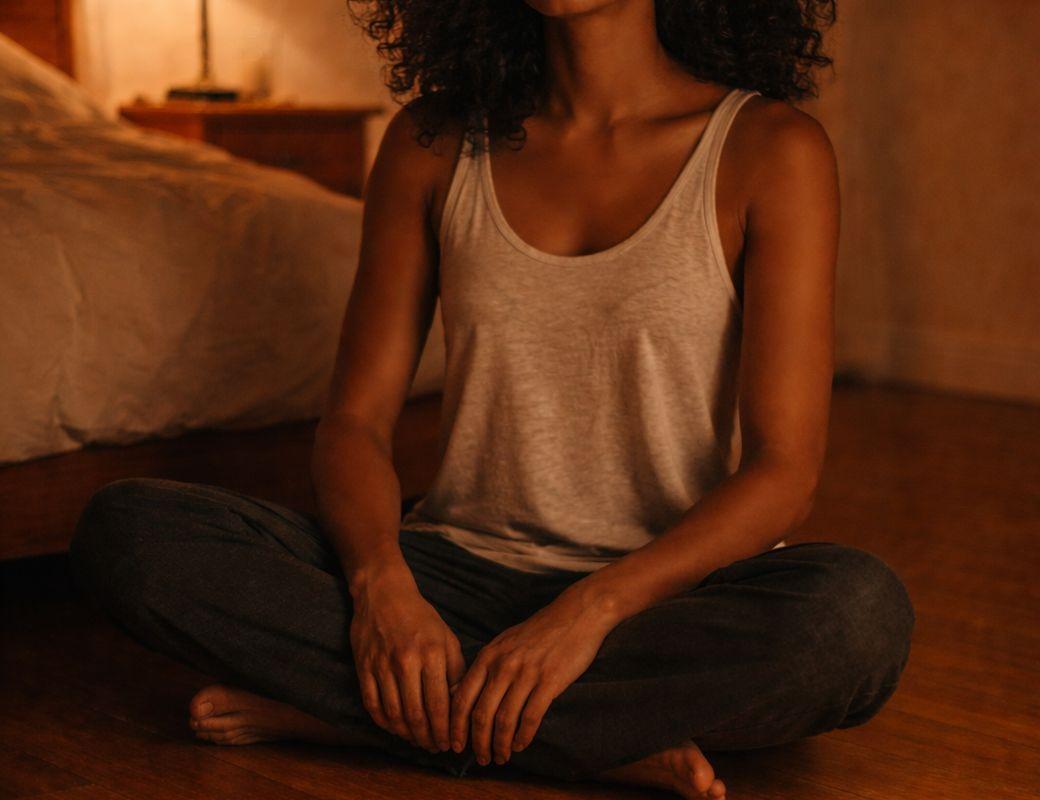
After I stopped running from loneliness—after I learned to sit with the 2 AM hum instead of scrambling to silence it—something unexpected happened.
The loneliness didn't disappear. It shifted.
The sharp edges softened. The ache became less like a wound and more like a presence. A quiet roommate who no longer needed to shout because I had finally stopped pretending she wasn't there.
I started to notice things in the silence. Small things. The way morning light moved across my floor. The sound of my own breath, steady and reliable. The strange, unfamiliar sensation of not needing to fill every empty space with noise.
I didn't have words for this yet. I just knew that something was different. The room that had felt so empty now felt… spacious. Not cold. Not hollow. Just room to move.
This was the beginning of solitude. Not loneliness with better lighting. Something else entirely.
The Difference No One Told Me About
Loneliness and solitude feel similar on the surface. Both involve being alone. Both can be uncomfortable at first. But they are not the same nervous system state.
Loneliness is a signal of disconnection. It's your body saying, "I need safe contact and I don't have it right now." It scans for threat. It feels like hunger—urgent, uncomfortable, impossible to ignore.
Solitude is a choice. It's not about absence. It's about presence with yourself. Your nervous system, when it feels safe enough, can shift from scanning for connection to resting in your own company. The difference is not in the external circumstance. It's in the internal experience.
I didn't know this for years. I thought being alone was just… being alone. Either you were okay with it (strong, independent, evolved) or you weren't (needy, broken, behind). I didn't understand that my nervous system had to learn how to be alone. That it wasn't a character flaw—it was a skill.
And like any skill, it required practice.
What My Nervous System Was Learning
The first time I deliberately sat in silence—no phone, no book, no agenda—I lasted about ninety seconds. My skin crawled. My mind screamed for stimulation. I felt like I was forgetting something important, even though I wasn't.
This wasn't weakness. This was my nervous system, habituated to constant input, reacting to the sudden absence of noise. It wasn't punishing me. It was adjusting.
I started small. Five minutes a day. Just sitting. No meditation technique, no breath counting, no "clearing my mind." Just… being in a room with myself, like two strangers learning to share a bench.
The first week was uncomfortable. The second week was less so. By the third week, something shifted. I wasn't waiting for the time to be up anymore. I was noticing things. The way my shoulders felt when I wasn't bracing for the next demand. The quiet thoughts that surfaced when I stopped drowning them out. The strange, fragile sense of okayness that had been there all along, buried under the performance of being fine.
This was solitude. Not an absence. A presence.
The Shadow Reflection: When Stillness Feels Like Danger
Most of us don't arrive at solitude easily. We have parts that resist, for understandable reasons.
The Avoider.
This part believes that stillness is dangerous. It equates silence with abandonment, empty space with threat. It keeps the phone in hand, the podcast queued, the calendar full. It says, "I'll rest later. I'll be still when I have time. Right now I just need to stay busy."
The Avoider is not lazy. It is vigilant. It learned, somewhere, that stopping meant being caught, that quiet meant being forgotten, that rest was a luxury only safe people could afford.
The Guilt-Tripper.
This part believes that taking time for yourself is selfish. It whispers that you should be productive, helpful, available. That sitting in silence is a waste of time when there's so much to do. That you don't deserve stillness until you've earned it.
The Guilt-Tripper is not cruel. It is conditioned. It absorbed messages—from family, from culture, from survival—that worth must be earned through output. It doesn't know that rest is not a reward. It is a requirement.
Both of these are not enemies. They are protectors. They kept you moving when moving was necessary. They are just… still using old maps. And they can be updated, gently, with patience and repetition.
The Sanctuary Question
"What might I hear in the silence that I've been too busy to listen for?"
Not "what's wrong with me." Not "how do I fix this." Just: What is here? What has been waiting for me to stop running?
The Integration Prompt: The 10-Minute Truce
Your task is not to become a master of stillness. It is to declare a temporary truce with the discomfort.
1. Choose Your Container. Set a timer for ten minutes. This is not forever. This is just ten minutes.
2. Sit Where You Are. No special position. No candle required. Just a chair, a couch, a floor. Wherever you are right now.
3. No Agenda. You are not meditating. You are not trying to clear your mind. You are simply being in a room with yourself. Thoughts will come. That's fine. Let them. You don't have to follow them or fight them.
4. Notice One Sensation. When the timer goes off, write down one thing you noticed. Not an insight. Not a revelation. Just a sensation. "My shoulders were tight." "I heard a bird." "My mind kept going back to that conversation."
5. No Judgment. If the ten minutes felt awful, that's not failure. That's data. Your nervous system is telling you that stillness is unfamiliar. That's okay. Unfamiliar things become familiar with practice.
This is not a cure. This is repetition. The more you sit in the quiet, the more your nervous system learns that stillness is not danger. That being alone with yourself is not abandonment. That you are safe enough to stop performing, even for ten minutes.
What I Know Now
The stillness that started as an echo became, over time, the most reliable relationship I've ever had.
Not because it was always comfortable. Because it was always there. The quiet didn't demand anything from me. It didn't need me to be better, smaller, more agreeable. It just… held space. While I learned to breathe. While I learned to feel. While I learned, slowly, that I was not the emergency I had been taught I was.
Solitude is not something you achieve. It is something you return to. Again and again. Like a language you're learning to speak, one halting word at a time.
And eventually, without noticing exactly when, you realize you're fluent.
This is what the Cornerstone teaches. Not how to meditate. How to tolerate the wobble of being alone with yourself. How to let your nervous system know, through repetition and gentleness, that stillness is not a threat.
And on my YouTube channel, I post free soundscapes designed specifically for this—for the moments when the quiet feels too loud, when your skin crawls, when you need something to hold the space while you learn to hold it yourself. Not to fill the silence. To give it a gentle container.
No pressure. Just a practice.
🌙 [Linktree]
For the avoiders and the guilt-trippers. For everyone who has been too busy to hear what the quiet has been trying to say. For the ten minutes you didn't think you had, but somehow, miraculously, you do.
The stillness is not an enemy. It's not even a stranger. It's just you, without the noise, learning that you were never as alone as you thought.
With you in the quiet practice,
Star
Responses (1)
More from the Magazine

21 DE OCTUBRE
LA VELA DE MIEL, UN RITUAL PARA ABRIR LAS PUERTAS A LA ABUNDANCIA

Stop Healing and Start Living
What if your biggest obstacle to moving forward wasn’t your past, but the need to keep going back to it?

EL APOCALIPSIS HA LLEGADO… Y MUY POCOS SE HAN DADO CUENTA
No habrá necesariamente trompetas en el cielo ni señales de fuego en el horizonte.