The Hidden Meanings of Magical Herbs
Explore the folklore, symbolism, and spiritual associations behind common herbs.
Article · 4 min read · ·
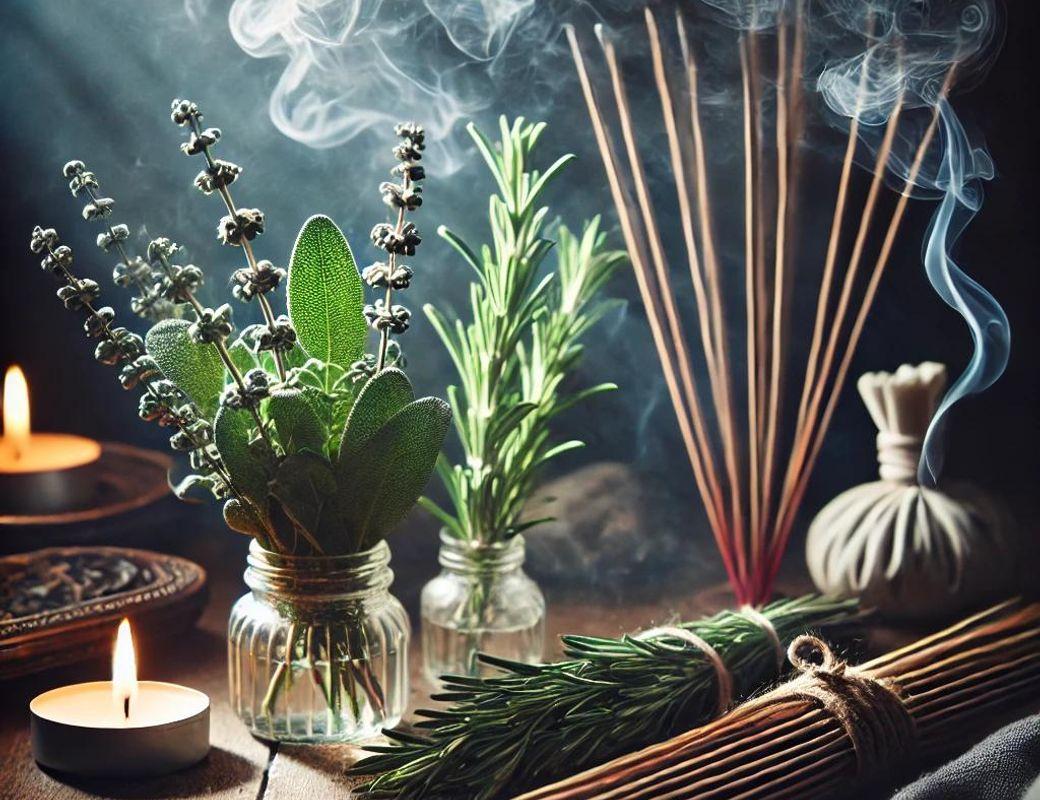
Some of the most meaningful objects in a spiritual practice can be found in the simplest places.
A sprig of rosemary in the kitchen, a handful of lavender beside the bed, or a bay leaf tucked into a journal may seem ordinary. Yet throughout history, plants have carried cultural, medicinal, culinary, and spiritual significance.
In different magical traditions, herbs have been associated with protection, love, purification, prosperity, and remembrance.
Learning about these associations is a way to connect with the stories people have attached to the natural world for generations.
Rosemary: Memory and Protection
Rosemary has a long history of symbolic associations with remembrance and fidelity.
Its strong fragrance and evergreen leaves have made it a familiar plant in culinary traditions, gardens, and various cultural rituals.
In contemporary witchcraft, rosemary is also commonly associated with protection and cleansing.
You can incorporate rosemary into a symbolic practice by placing a small sprig on your altar, keeping it in a decorative bowl, or using its presence as a reminder to protect your time and emotional boundaries.
A simple intention might be:
I honor what I have learned and protect the peace I am creating.
Lavender: Peace and Rest
Lavender is widely recognized for its distinctive fragrance and its association with calm and relaxation.
Its symbolic meanings often include peace, harmony, rest, and emotional balance.
For a simple evening ritual, place a small sachet of dried lavender near your bedside or add a few minutes of quiet reflection to your bedtime routine.
You might use the moment to consider what you want to leave behind at the end of the day.
Lavender's fragrance can be enjoyable, although individual sensitivities vary, and its spiritual associations should not be confused with a medical treatment.
Bay Leaves: Wishes and Prosperity
Bay leaves have appeared in ancient symbolism associated with victory, honor, and achievement.
In modern folk-magic practices, they are also frequently used in rituals involving wishes, prosperity, and intentions.
To explore this symbolism, write a goal on a piece of paper and place a dried bay leaf beside it.
Reflect on why the goal matters to you and identify one practical action that could bring you closer to it.
Some practitioners write intentions directly on bay leaves, but you can keep the leaf intact and use it as a symbolic reminder instead.
The ritual does not guarantee a particular outcome. Its value can lie in clarifying your intentions and encouraging purposeful action.
Rose: Love and Compassion
Roses have symbolized love, beauty, passion, grief, and devotion across many cultures.
In contemporary spiritual practices, rose petals are often associated with self-love, romance, and emotional openness.
You might place a few dried petals in a bowl on your altar or include them in a journaling ritual focused on relationships.
Ask yourself:
-
How do I express love to myself?
-
What does a healthy relationship look like to me?
-
Where could I offer more compassion?
The rose reminds us that love can be gentle without being weak, and beautiful without being effortless.
Cinnamon: Warmth and Abundance
Cinnamon is a familiar kitchen spice with a long history of use in food and traditional practices.
In modern witchcraft, it is often associated with warmth, energy, success, and abundance.
You can explore this symbolism without burning or consuming anything. Place a small amount of cinnamon in a closed container on your altar and use it as a visual reminder of a goal you want to pursue.
Whenever you see it, consider one step you can take toward creating the life you want.
Creating Your Own Herbal Practice
You don't need dozens of herbs to begin.
Choose one plant whose symbolism resonates with you and learn about its history, cultural associations, and practical uses.
Keep a journal with three simple notes:
-
The herb's traditional symbolism.
-
What it personally represents to you.
-
How you want to incorporate that meaning into your practice.
Over time, you may discover that your personal associations differ from traditional ones. That is an opportunity to reflect, while still respecting the cultures and practices from which these traditions come.
A Note on Safety
Never assume that a plant is safe to eat, drink, apply to your skin, or burn simply because it is used in a spiritual ritual.
Some herbs can cause allergic reactions, interact with medications, or be harmful to people and pets. Essential oils are concentrated and require particular care. Keep burning herbs and incense away from flammable materials, ensure adequate ventilation, and never leave them unattended.
You can enjoy the symbolism of plants without burning or ingesting them.
Herbs remind us that nature can be meaningful in both ordinary and extraordinary ways.
A familiar fragrance, a small green leaf, or a flower drying on a windowsill can become a reminder of what we value and what we hope to cultivate.
The magic is not necessarily in the plant itself, but in the history, intention, and personal meaning we bring to it.
"Sometimes, the smallest leaves carry the oldest stories."
Responses
No responses yet — start the conversation.