It runs in my family...
...a wider story of our pain.
Article · 3 min read · ·
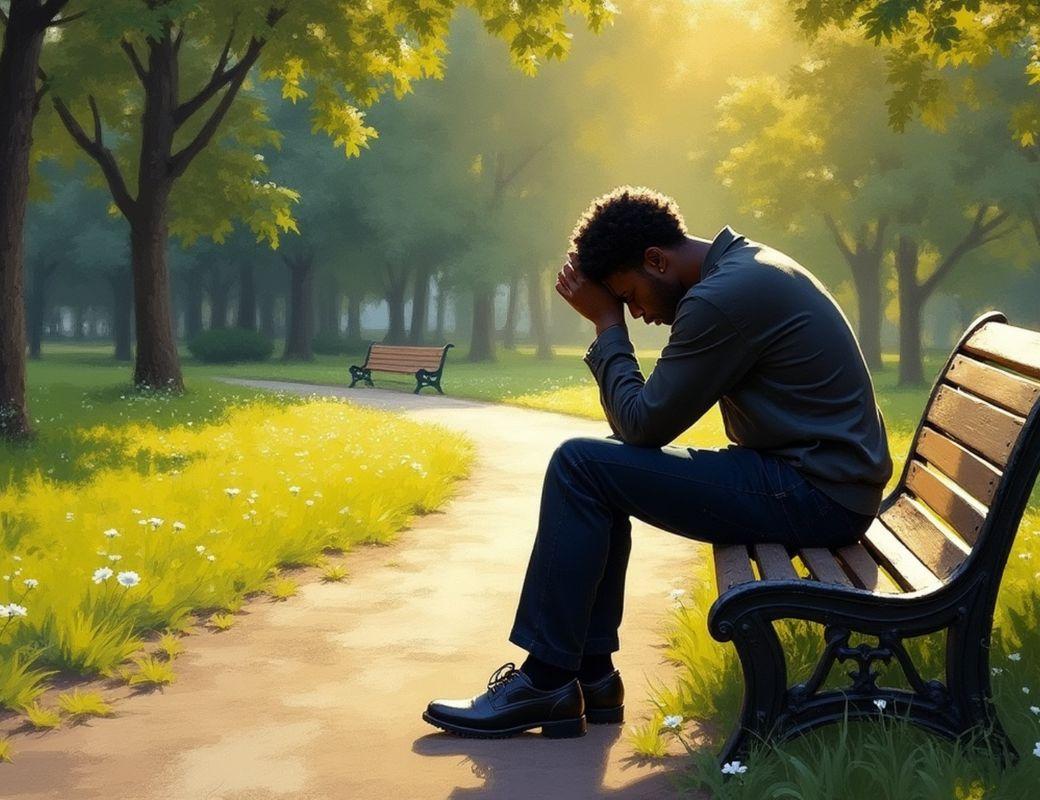
“We're all ghosts. We all carry, inside us, people who came before us.” - Liam Callanan
When I was in my 30s, I discovered I had polycystic ovarian syndrome (PCOS), which is connected to insulin resistance. Meaning that when I eat, my body doesn’t process fuel as fast as it should, turning it into sugar instead. When I realized this, I felt both relieved and anxious because diabetes runs on both sides of my family.
From that point forward, my goal became clear: I don’t want to develop diabetes. I began to take care of my health and ensure this didn’t become my story. So I took the supplements, followed the diet, and continued to exercise. However, while on my treadmill this morning, I had an aha moment.
I had recently listened to an episode of a podcast, where Dr. Bayo Akomolafe, philosopher, writer, activist, and professor of psychology, was a guest, in which he mentioned, not to quote, how we are quick to eradicate our illness before trying to understand why they are there in the first place. In other words, what stories are our “dis-eases” telling us?
Because of the somatic, energy, and spiritual work I do, I had to ask: What is the bigger story my ancestors left through this diagnosis? What else are they trying to communicate through their sickness and disease while we run against the clock trying to medicate ourselves and “heal”?
There’s no judgment here. If you have an illness or disease, you should take care of yourself in the best way possible. But what is the bigger story? I always say that everything is information, so I asked my ancestors: “What are you communicating through this diabetic narrative that runs in our family?”
Immediately, I thought of Dr. Louise Hay, author of Heal Your Body, where she discusses the mental causes of physical illnesses and the metaphysical ways to overcome them. I picked up the book and looked up diabetes.
The book describes:
-
Problem: Diabetes
-
Probable Cause: Longing for what might have been, a great need to control, deep sorrow, no sweetness left.
Seeing that left me flabbergasted. My grandmother used to mourn the loss of her engagement to her fiancé before my grandfather, who ended things after she contracted tuberculosis. She always talked about what her life would have been like if not for that illness—embodying that exact “longing for what might have been.”
I also had an overbearing and manipulative mother, which brought to mind that “great need to control.”
The goal then becomes more than just exercising and staying physically healthy; it’s about addressing the emotional weight we carry. I realized one of my biggest longings is for the mother, family, and relationships I never had. And how I need to control certain aspects of my life, fearing that otherwise, everything will fall apart.
Recognizing this creates the possibility to change these narratives going forward. This information shows us, “This is what I’m carrying from them, and this is how it’s showing up in my body.” The correlation between the two is profound: my insulin resistance is connected to my longings and need for control.
So yes, alongside taking care of your physical health, what new emotional narratives do you want to create going forward?
Reflections:
-
How can I begin exploring the emotional or ancestral roots of my own health conditions?
-
How do I balance medical treatment with emotional or spiritual healing practices?
-
Are there group practices or exercises we can do together to uncover and shift these narratives?
-
What emotions, experiences, or family narratives have I learned to carry shame around?
-
What specific somatic or spiritual practices can help process these inherited emotional patterns?
Responses (6)
More from the Magazine

EL APOCALIPSIS HA LLEGADO… Y MUY POCOS SE HAN DADO CUENTA
No habrá necesariamente trompetas en el cielo ni señales de fuego en el horizonte.
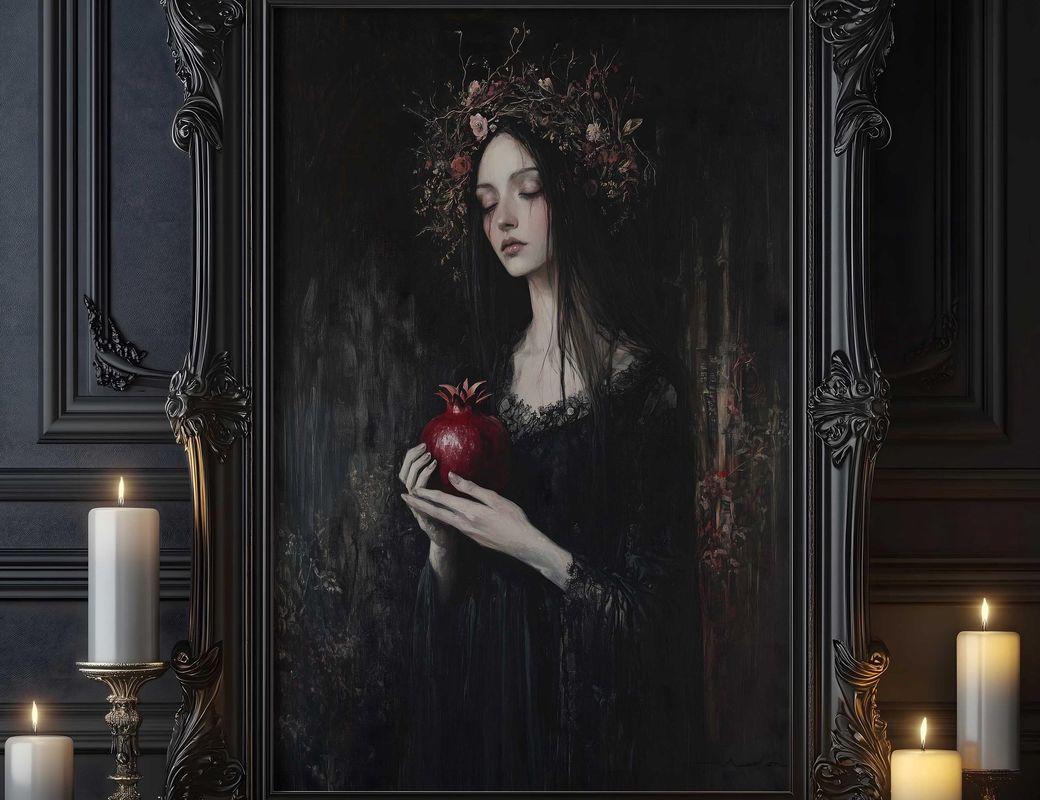
Persephone and the Power of Transformation
Explore the Greek goddess whose myth connects the changing seasons with loss, return, and renewal.

VENUS RETRÓGRADO: EL REGRESO AL CORAZÓN
Cuando el amor deja de mirar hacia fuera y se atreve a descubrir la verdad que habita dentro.