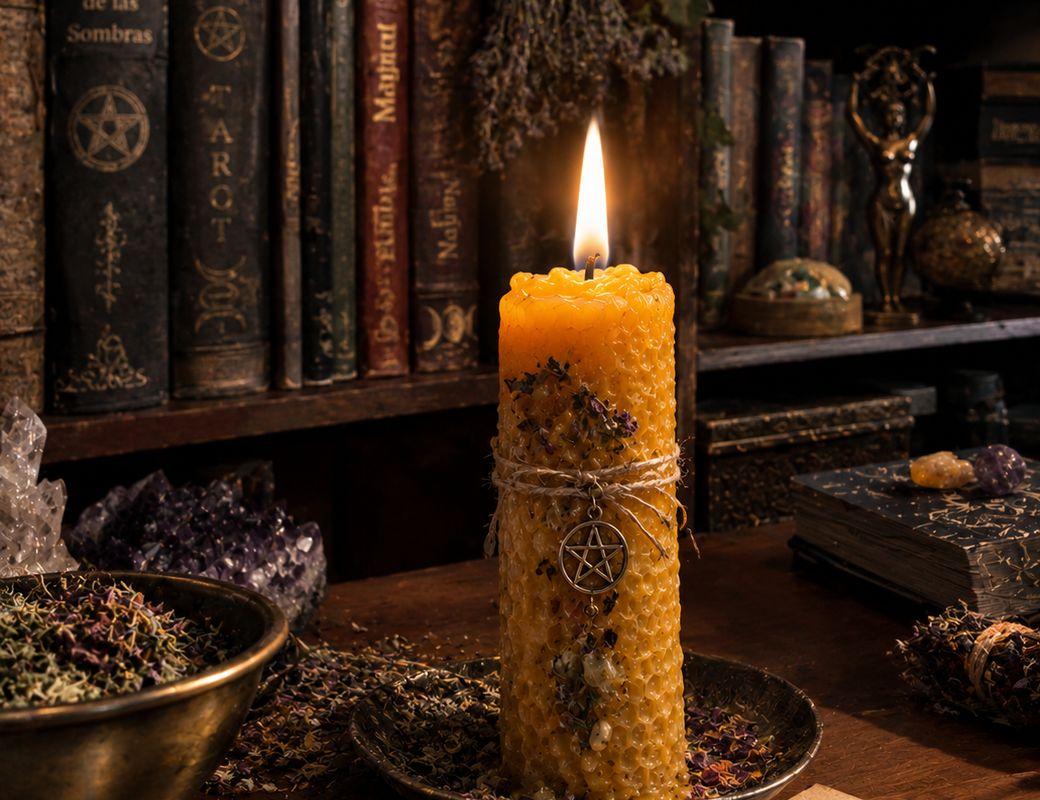
Astral Parasites
Astral Parasites: Between Belief, Experience, and Personal Well-being
Article · 3 min read · ·

Throughout history, cultures around the world have described the existence of invisible entities or influences that can affect a person's emotional, mental, or spiritual well-being. Among these traditions is the concept of what are called "astral parasites," an idea found in esoteric and spiritual currents, as well as certain energy-based practices.
According to those who hold this view, astral parasites are thought to be forms of energy or presences that feed on intense emotions such as fear, sadness, or anger. From this perspective, they may influence an individual's sense of well-being, contributing to feelings of exhaustion, blockage, or emotional distress. However, it's important to note that there is no scientific evidence confirming the objective existence of these entities.
Even so, the topic continues to generate interest because many people describe experiences they interpret through this symbolic framework. For some, talking about astral parasites is a way of explaining internal states that are difficult to understand; for others, it's a spiritual reality that forms part of their worldview.
Mental health professionals emphasize that symptoms such as anxiety, depression, chronic stress, or certain conditions can produce intense experiences that warrant professional attention. Therefore, any persistent distress should be evaluated by healthcare professionals, without ruling out spiritual support if the person finds it valuable and compatible with their treatment.
Beyond the different interpretations, there is common ground: the importance of self-care. Getting adequate sleep, maintaining healthy relationships, practicing relaxation techniques, cultivating spaces for reflection, and seeking help when necessary are measures that promote overall well-being.
Astral parasites will continue to occupy a place in the debate among spirituality, psychology, and popular culture. While some consider them an energetic reality and others a metaphor for internal processes, the phenomenon invites us to reflect on how people make sense of experiences that are sometimes difficult to explain.
If approached from a spiritual or symbolic perspective—and not as a proven fact—many traditions propose rituals designed to promote a sense of cleansing, calm, and personal renewal. Here's one example:
Symbolic Energy Cleansing Ritual
Materials
-
A white candle.
-
A bowl of water.
-
Some salt.
-
Paper and pen.
Preparation
Find a quiet place where you won't be interrupted. Turn off devices that might distract you and spend a few minutes breathing slowly and deeply.
Step 1: Intention
Light the candle and observe its flame for a few moments. Set a simple intention, such as: "I wish to release what no longer contributes to my well-being and strengthen my inner balance."
Step 2: Identification
Write down on the paper what worries you, drains you, or weighs on you emotionally. It doesn't need to be perfect; it's enough to express what you feel.
Step 3: Symbolic Purification
Add a pinch of salt to the water and stir it slowly. In many traditions, both elements symbolize cleansing and renewal. Wash your hands with that water or gently pass it over your wrists while imagining that you're leaving behind tensions and burdens.
Step 4: Release
Fold the paper and say aloud: "I acknowledge these worries and choose not to let them govern my life." Then, tear the paper into small pieces and discard them.
Step 5: Closing
Remain silent for a few minutes. Focus on your breathing and on the sensation of stability and calm. Finally, extinguish the candle.
These types of rituals can be useful for some people as an exercise in reflection, intention, and self-care. If emotional distress, fear, or certain experiences are intense or persistent, it's advisable to seek professional health support in addition to any spiritual practice considered meaningful.
Responses
No responses yet — start the conversation.