The Void of Course Moon
Why Witches Know When to Put Down Their Wands
Article · 6 min read · ·
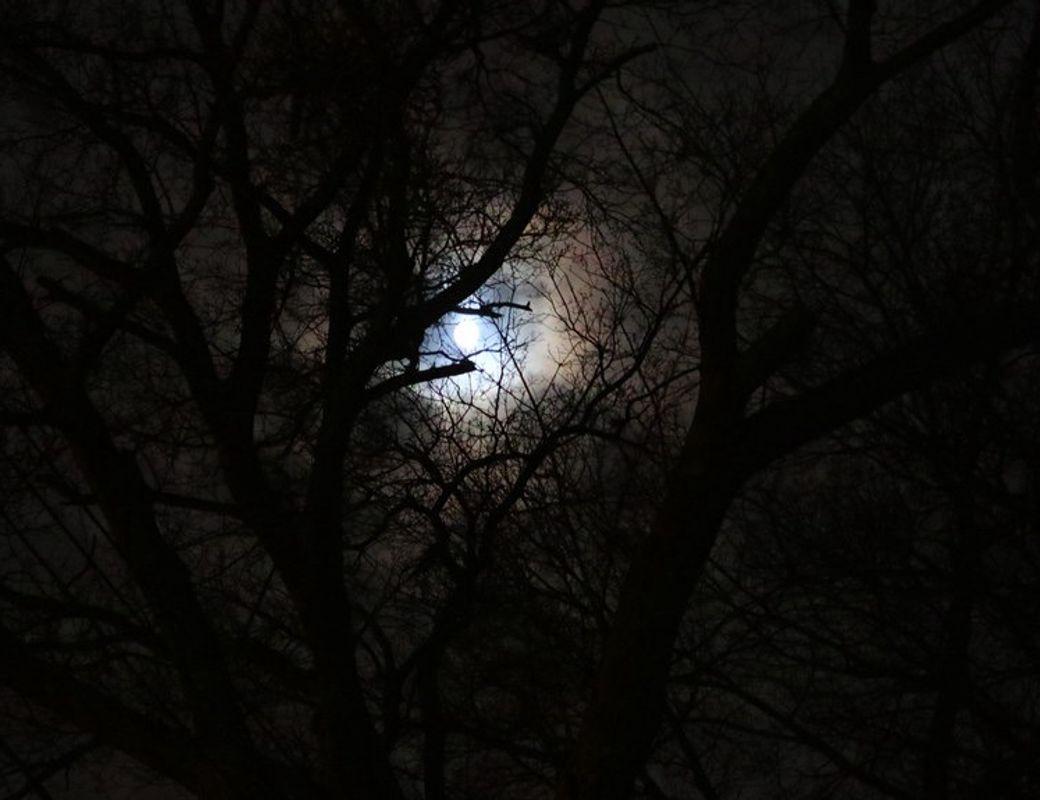
There is a moment, recurring roughly every two to three days, when the moon goes quiet. Not dark, not new, not full. Just… between. Suspended in the space between one zodiac sign and the next, making no major aspects to any planet, the moon enters what astrologers call the void of course period. It is one of the most practical and underutilized concepts in modern astrology, and once you understand it, you will start timing your life around it.
What “Void of Course” Actually Means
The term sounds mystical, but it has a precise technical definition. The moon is considered void of course from the moment it makes its last major aspect to a planet while still in its current zodiac sign, until the moment it enters the next sign. Major aspects include conjunctions, sextiles, squares, trines, and oppositions. Once the moon completes its final connection and has nothing left to do in that sign, it goes void.
The duration can be surprisingly variable. Sometimes the void lasts only a few minutes. Other times it stretches for hours, or occasionally more than a day. Astrology apps and lunar calendars typically track these windows, and if you are not already checking them, that is about to change.
The moon moves through all twelve signs in approximately 28 days, spending roughly two to three days in each. That means void of course windows happen frequently, cycling through your month like small pockets of cosmic white noise.
The Energy of the In-Between
To understand why the void matters, it helps to understand what the moon does when it is active. The moon governs emotion, instinct, habit, and the subconscious. When it is moving through a sign and making aspects to other planets, it is transmitting energy, coloring the mood of the day, activating different parts of your chart, and creating the emotional weather we all move through whether we notice it or not.
When the moon goes void, that transmission pauses. The signal drops. Ancient astrologers described this as a period when “nothing will come of the matter,” meaning that actions initiated under a void moon tend to fizzle, go sideways, or simply fail to materialize as intended. The energy just does not stick.
Think of it like sending an email during a server outage. You can write it. You can hit send. But it may not arrive where you intended, or it may arrive changed, delayed, or ignored.
What Not to Do During a Void of Course Moon
This is where the void becomes genuinely useful as a practical tool, not just an astrological curiosity.
Do not launch anything new. Starting a business, launching a website, announcing a project, signing a contract, making a major purchase: all of these carry void moon risk. Beginnings initiated during this window tend to lack staying power. They may stall before gaining momentum, or develop in unexpected directions that are difficult to course correct.
Do not make major decisions. If you can wait, wait. The clarity and emotional grounding needed for good decision-making is simply not available in the same way during a void. You may feel certain in the moment, only to find that your perspective shifts significantly once the moon moves into the next sign.
Do not send important communications. Job applications, pitches, proposals, confrontational texts you have been sitting on, declarations of love: hold them. The void has a way of making things land differently than intended, or not land at all.
Do not schedule important events. Job interviews, first dates, medical appointments that are non-urgent, public events you want to go well: all are better placed outside the void window.
Do not begin spellwork or rituals with specific outcomes in mind. This is where practitioners in particular should take note. Spells cast during a void moon are believed to be less effective, their energy dissipating before it can fully form and manifest. If you are working magic with a particular goal, timing matters.
What the Void Is Actually Good For
Here is where most articles stop, and where the real wisdom begins. The void of course moon is not wasted time. It is liminal time, and liminal time has its own power.
Rest and introspection flourish during the void. It is an ideal window for journaling, meditation, dream work, and any inner-directed practice that does not require a specific external outcome. The quieting of lunar energy makes it easier to hear your own signal clearly.
Routine and maintenance tasks are also well suited to the void. Cleaning, organizing, finishing existing projects, returning calls, doing laundry: anything that is continuation rather than initiation moves through the void just fine.
Shadow work and release practices thrive here. Letting go, reflecting on what is ending, processing grief or transition: the between-space quality of the void supports this beautifully. You are not trying to build anything new. You are sitting with what is.
Creative exploration without attachment to outcome also fits naturally in the void. Freewriting, sketching, brainstorming without any pressure for the ideas to become something: these activities use the void’s unattached energy to your advantage.
How to Track It
You do not need to memorize planetary positions. Several tools make void of course tracking straightforward.
Astrology apps like Time Passages, Astro Gold, and Deluxe Moon include void of course notifications. The Lunar Living website publishes monthly void moon tables. Many witch and pagan planners also include this information as a standard feature of their lunar calendars.
Once you start tracking, you will likely notice patterns: meetings that went nowhere, purchases that disappointed, plans that quietly collapsed. Many of these may cluster around void windows. You may also notice how differently things feel when the moon enters a new sign and the signal switches back on.
A Note on Skeptics and Purists
Some astrologers argue that only applying aspects, those moving toward exact rather than separating from it, should count. Others use only Ptolemaic aspects, or exclude minor planets, or calculate void windows differently depending on their tradition. You will find variation in the tables depending on which system your source uses.
The wisest approach is experimentation. Track the void for a month or two. Note what you initiate during those windows and what happens to those things. Let your own experience become the teacher. Astrology at its best is not a rigid rule system but a living language, and you are learning to read it in relationship with your own life.
The Pause Is the Point
We live in a culture that treats every moment as an opportunity to produce, initiate, and achieve. The void of course moon offers a different invitation: to recognize that not all time is equal, that strategic rest is not laziness, and that the pause between actions is not empty.
Ancient practitioners understood that timing was not superstition but skill. Knowing when to act and when to wait, when to plant and when to let the soil rest, when to speak and when to be silent: these are forms of intelligence that modern life tends to rush past.
The void of course moon asks you to slow down long enough to feel the difference. And once you do, you may find that working with the rhythm rather than against it changes not just your magic, but everything.