The Howl Beneath the Moon
The History and Mythology of the Werewolf
Article · 7 min read · ·
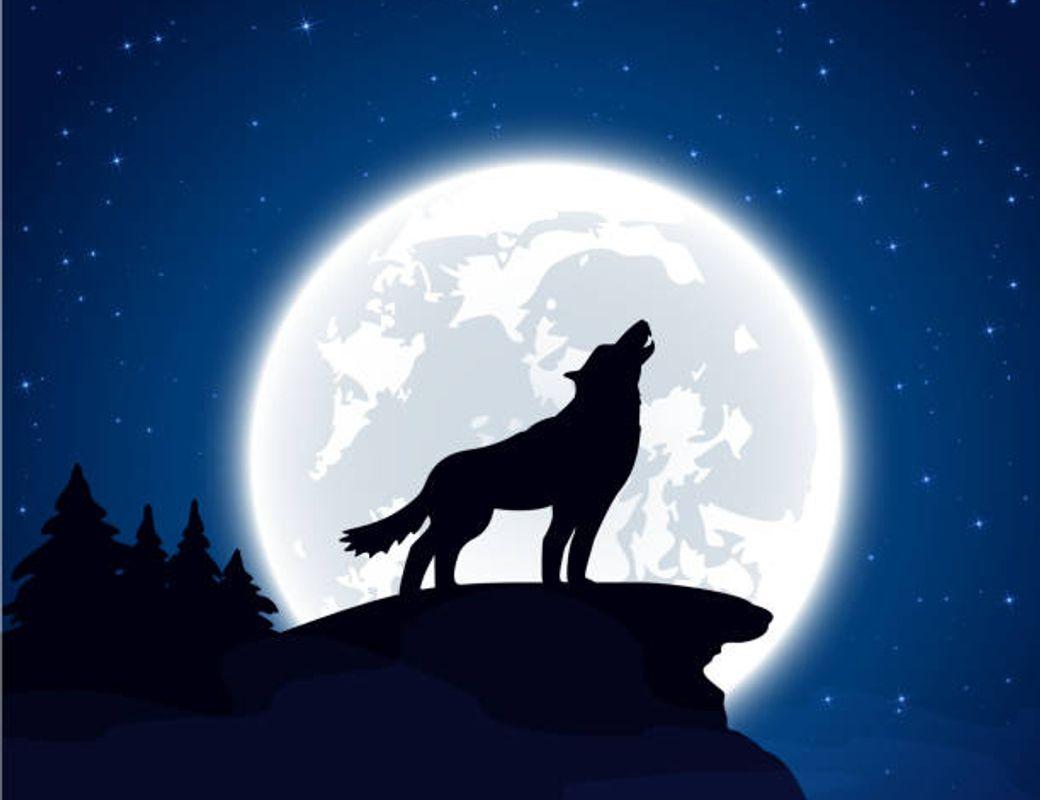
Since humanity first gathered around firelight, we have told stories of transformation — of men who shed their skin beneath the moon and became something other, something ancient and untamed. The werewolf, half human and half beast, embodies our oldest fears and desires: the struggle between reason and instinct, civilization and wilderness, the mind and the blood. Beneath its fur and fangs lies not just horror, but history — an echo of humankind’s eternal fascination with the animal within.
The Primal Shadow: Humanity’s Oldest Shape-Shifter
Long before the word werewolf entered language, myths of human-to-animal transformation were woven through the oral traditions of nearly every culture on Earth. To early societies, this change was not yet a curse — it was mystical, shamanic, and deeply spiritual.
Shamans, warriors, and hunters from Siberia to Scandinavia practiced ritual shapeshifting, donning animal skins and entering trance states to channel the power of the creatures they revered. These rites were meant to dissolve the boundary between human and beast — a sacred union with nature’s raw force. Transformation, in its earliest form, symbolized empowerment, communion, and divine connection.
The wolf, with its keen instincts and haunting intelligence, stood as both kin and rival to humankind. Living and hunting in close family packs, the wolf mirrored the structure of early human tribes. It was feared for its cunning and strength, yet admired for its loyalty and courage. In this tension — fascination and fear — the seed of the werewolf myth took root.
Divine Wrath and Sacred Transformation in the Ancient World
The earliest known record of a human turned wolf appears in the Epic of Gilgamesh, the great Sumerian epic written over 4,000 years ago. In this tale, the goddess Ishtar (Inanna in older Mesopotamian texts) transforms a shepherd who once loved her into a wolf. His fate is cruel — his own herds now turn against him, his dogs attack him, and he becomes an exile from human society.
This episode reflects a theme that would echo through later myths: transformation as divine punishment. To the Sumerians, such a change was not simply physical but spiritual — a fall from divine favor, marking the boundary between civilization and wildness. The man becomes not just a wolf, but an outcast, stripped of his humanity and his place in the ordered world.
Centuries later, the Greeks inherited and reshaped this theme. In Arcadia, the mountainous heart of the Peloponnese, stood the ancient sanctuary of Lykaion Zeus — the Wolf Zeus. Here, legend tells of King Lycaon, who sought to test Zeus’s omniscience by serving him a meal of human flesh. Disgusted, the god overturned the table, struck the king down, and transformed him into a wolf.
This tale, first recorded by Apollodorus and later immortalized by Ovid in Metamorphoses, gives us both the word and the concept of lycanthropy — from lykos (wolf) and anthropos (man). But the story’s roots dig deeper still.
Ancient sources such as Pausanias describe the secret Lycaea festivals of Arcadia, during which initiates offered sacrifices to Zeus Lykaios and were said to transform into wolves for nine years if they partook in human flesh. Whether this transformation was literal, symbolic, or part of ancient mystery rites is lost to time — but it reveals how, in Greek thought, the werewolf was not yet a monster. It was a spiritual threshold, a liminal being walking the line between the human and the divine, the civilized and the wild.
The Wolf-Spirit Across the Ancient North
While the Greeks framed transformation as divine punishment, the northern peoples saw it as a sacred inheritance. Among the Norse, wolves were intimately tied to both gods and destiny. Odin himself was accompanied by his two wolves, Geri and Freki, and at the end of the world, the monstrous wolf Fenrir would devour the sun.
Norse warriors known as ulfhednar (“wolf-coats”) believed they could summon the spirit of the wolf through ritual and battle frenzy, entering a trance that made them immune to pain and fear. These men, revered and feared in equal measure, were said to howl like wolves as they fought, embodying their totem animal’s power.
In Celtic and Slavic lands, similar beliefs persisted. Irish tales speak of warriors who could become wolves at will, while Eastern European legends of the volkodlak or vukodlak — half man, half wolf — blurred the line between hero and monster. In these cultures, the werewolf was not merely a beast of darkness but a guardian of the borderlands, a creature of power, passion, and transformation.
The Church and the Curse: From Rite to Damnation
With the spread of Christianity, old pagan symbols were recast in shadow. The shapeshifter, once a vessel of divine power, became an agent of the Devil.
Medieval Europe was filled with tales of men who turned into wolves through witchcraft, pacts, or possession. The transformation was no longer sacred — it was a sign of sin.
The Werewolf Trials of the 16th and 17th centuries, particularly in France and Germany, mirrored the witch hunts of the same era. Peasants and outcasts were accused of roaming the night in lupine form, attacking livestock and children. One of the most infamous cases, that of Gilles Garnier (1573), ended with his execution after being condemned as “the Werewolf of Dole.”
In this era, the werewolf became the embodiment of everything the Church feared — lust, violence, and the untamable body. The myth had fully turned: from divine transformation to infernal curse.
The Moon’s Shadow: From Madness to Metamorphosis
Though the werewolf’s origins lie in ancient ritual and retribution, its connection to the full moon is a later evolution — one born of medical superstition, astrology, and the mystery of human behavior.
Ancient physicians like Hippocrates and Galen observed that mental illness seemed to fluctuate with the lunar cycle. They believed the moon’s pull on bodily fluids — the humors — could disturb the mind, causing lunacy. The term lunaticus, meaning “moonstruck,” arose from this belief.
Over time, folklore began to intertwine these lunar associations with the myth of transformation. Wolves were nocturnal creatures whose haunting howls pierced the night; their cries were seen as answering the moon’s call. In early modern Europe, the belief spread that a man afflicted with the werewolf’s curse would transform under the full moon’s light — the same celestial body said to stir the blood, the tides, and the madness within.
By the Romantic and Gothic eras, the lunar transformation became central to the myth’s imagery. Writers of the 18th and 19th centuries, entranced by the symbolism of the moon — its mystery, beauty, and danger — recast the werewolf as a creature of tragic duality. No longer purely villain, the werewolf became a victim of cosmic rhythm, bound to change beneath the silver gaze of the moon.
Hollywood would later seal this image into legend with The Wolf Man (1941), forever marrying the beast to the full moon’s glow.
The Moon and the Wolf: Symbols of the Human Soul
The enduring bond between wolf and moon speaks to something deeper than superstition. Both mirror the cycles of existence — the tides, the blood, the rise and fall of instinct.
In esoteric symbolism, the moon governs the emotional and subconscious realms, illuminating what lies hidden. The werewolf, likewise, embodies the shadow self — the primal instincts and desires buried beneath the surface of civility. When the moon is full, its light reveals what we conceal: our hunger, our rage, our longing to be free.
Thus, the werewolf is not merely a monster of horror, but a mirror of the soul — a reminder that beneath our human skin, the wild still lives.
The Beast Within
From the temples of Arcadia to the midnight forests of medieval Europe, the werewolf’s legend has stalked the edges of our imagination for millennia. Its story has changed with our own — from sacred transformation to curse, from divine communion to tragic duality — yet its essence remains constant: the eternal struggle between reason and instinct, light and shadow.
When the full moon rises, we feel that pull — the ancient stirring that whispers of fur, fang, and forgotten freedom. The werewolf’s howl is the voice of the wild within us all, echoing through the centuries, calling us to remember what we once were beneath the endless, watchful moon.