The Eternal Pull of the Moon
Tracing Humanity’s Love Affair with the Moon
Article · 12 min read · ·
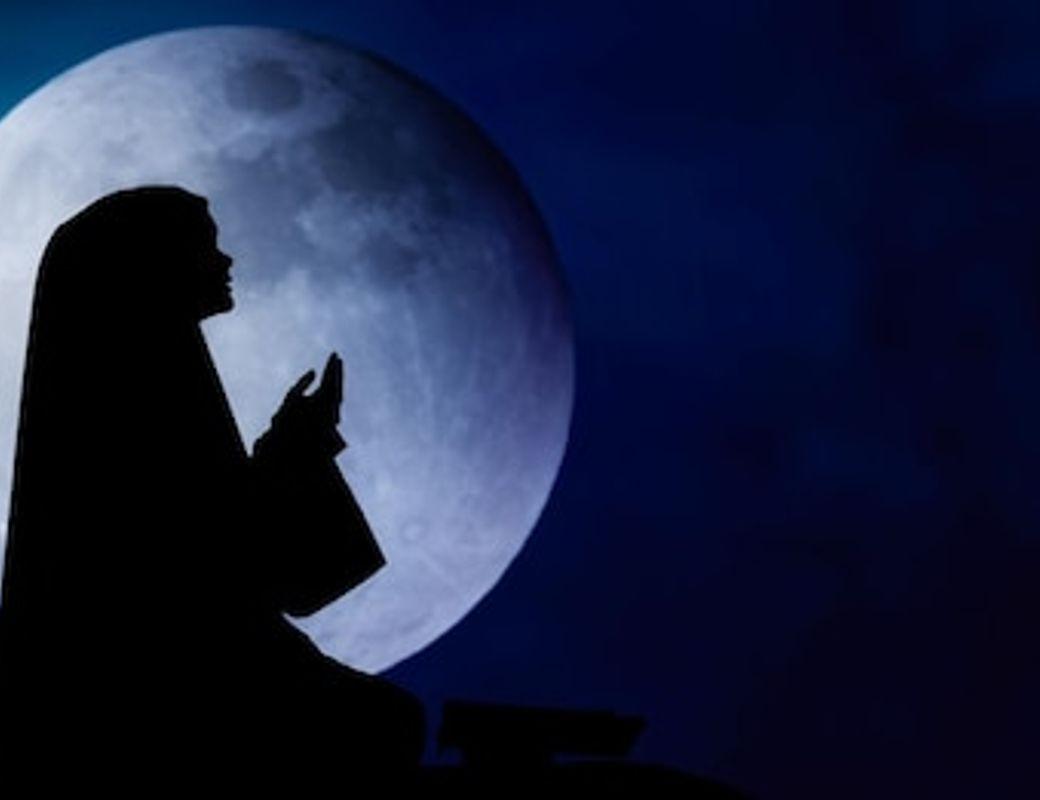
Since the dawn of time, humanity has lifted its eyes to the night sky and found a constant companion glowing above—the moon. Unlike the distant stars, the moon feels close, almost within reach, its silver light casting both comfort and mystery over the earth. It has watched over our ancestors as they lit their first fires, guided travelers across deserts and oceans, and marked the rhythms of planting and harvest. Long before clocks and calendars, the moon was our most faithful timekeeper, its steady waxing and waning a universal reminder of cycles: birth, growth, decline, and renewal.
Yet the moon has always been more than a marker of time. It is a mirror of human imagination. In every culture, stories sprang up to explain its power and beauty. Some saw the moon as a goddess, luminous and protective; others as a god who brought order to the skies. Myths told of lovers banished to the heavens, tricksters stealing its light, or spirits dwelling within its glowing face. Poets wrote of its melancholy, artists painted its glow, and priests aligned their rituals to its phases.
Even today, despite our scientific understanding, the moon retains its enchantment. We can measure its craters, walk upon its surface, and track its gravitational pull—but its mystery remains intact. Something within us still responds to its quiet glow, just as it did for the earliest civilizations.
The story of humanity’s fascination with the moon is, in many ways, the story of ourselves: our search for meaning, our need for rhythm, and our longing for the eternal.
The Moon in the Earliest Civilizations
For the earliest civilizations, the moon was not simply a glowing body in the sky—it was a god, a goddess, or a divine force that shaped daily life. Its predictable phases offered order in an uncertain world, and its light became a beacon of protection in the dark. To look at humanity’s first great cultures is to see how deeply lunar reverence was woven into their myths, rituals, and systems of time.
Mesopotamia: Nanna and the Keeper of Time
In ancient Mesopotamia, one of the earliest cradles of civilization, the moon was personified as Nanna (later called Sin), a powerful deity who ruled over wisdom, fertility, and the measurement of time. Priests tracked the phases of the moon to mark sacred festivals, harvests, and the passage of months, creating one of the world’s first lunar calendars. Nanna’s great temple at Ur—its ziggurat towering toward the sky—stood as a constant reminder that the rhythms of heaven guided the rhythms of earth.
Egypt: The Moon as Wisdom, Healing, and Balance
In Egypt, the moon’s light was understood as both mystical and practical, woven into the great cosmic balance of ma’at. Two deities were most closely linked with lunar power. The first was Thoth, the ibis-headed god of wisdom, writing, and magic. Thoth was said to measure and regulate the heavens, using the cycles of the moon to mark time and guide the Egyptian calendar. Without him, it was believed, the universe would fall into chaos.
The second was Khonsu, a youthful moon god whose name means “traveler,” reflecting the moon’s nightly journey across the sky. Khonsu was invoked for protection against evil spirits and for healing; some inscriptions even describe him as a god whose light could cure disease. Together, Thoth and Khonsu reveal how Egyptians viewed the moon not just as a celestial body, but as a source of knowledge, order, and life-giving energy.
The Indus Valley and Vedic Traditions: Chandra, the Silver Deity
Farther east, in the Indus Valley and early Vedic culture, the moon was worshiped as Chandra—a radiant, youthful deity who rode across the heavens in a shining chariot pulled by white horses or an antelope. Chandra was linked to fertility, plant growth, and the tides of human emotion, his presence believed to influence the health of crops and the well-being of people. In Vedic astrology (Jyotisha), Chandra is considered one of the most important celestial bodies, symbolizing the mind, emotions, and the flow of time itself. The Vedic texts describe rituals to honor him during full moons, tying lunar cycles to prosperity, fertility, and spiritual offerings.
China: The Moon as Immortality and Beauty
In ancient China, moon worship was deeply tied to themes of beauty, immortality, and cosmic balance. The most famous tale is that of Chang’e, the moon goddess. According to legend, the Jade Emperor entrusted her husband, the archer Hou Yi, with a potion of immortality after he saved the world by shooting down nine scorching suns that once blazed in the sky. Out of either curiosity or sacrifice (depending on the version of the story), Chang’e drank the elixir herself and floated upward, becoming immortal. She was banished to live on the moon, where she dwells to this day in her palace of jade, accompanied by the Jade Rabbit who endlessly pounds the elixir of life.
The Jade Emperor permitted her to remain there, separated from her husband, and her lonely beauty became a symbol of longing and love. Over time, these legends inspired the Mid-Autumn Festival, when families gather beneath the full moon to honor Chang’e with offerings of mooncakes, lanterns, and prayers for reunion.
For humanity’s earliest cultures, the moon was not merely observed—it was lived with, worshiped, and celebrated. It ordered the calendar, inspired myth, and was seen as a bridge between the earthly and the divine. Each civilization found in its silver glow a reflection of their deepest values: wisdom, fertility, beauty, and cosmic order.
The Moon in Myth & Storytelling
As civilizations developed, the moon became more than a deity or calendar marker—it evolved into a symbol, a character, and a source of inspiration in myth, legend, and storytelling. Across the world, cultures projected human traits onto the moon, creating gods, goddesses, spirits, and archetypes that reflected their values, fears, and dreams.
Greek and Roman Traditions: Selene, Artemis, Hecate, and Luna
In Greek mythology, the moon was personified as Selene, a luminous goddess who drove her silver chariot across the night sky. She was often depicted in the company of lovers, especially the mortal Endymion, whom she granted eternal sleep so she could gaze upon him forever. Artemis, the goddess of the hunt and wilderness, also became associated with the moon, representing chastity, protection, and feminine strength. Hecate, goddess of magic, crossroads, and the night, was closely connected to lunar power, usually representing the dark moon. She was revered as a guide of souls and guardian of liminal spaces. The Romans adopted these figures as Luna and Diana, continuing the tradition of lunar divinity in art, poetry, and religious ritual.
Celtic and Norse Mythology: Arianrhod and Máni
In Celtic lore, the moon often appeared as Arianrhod, a goddess associated with the stars, fertility, and the cycles of life. She was believed to govern the fate and destiny of mortals, as well as the cycles of birth, growth, and death. Her connection to weaving and the lunar wheel symbolized the interwoven nature of life and the cosmos. The moon was also used to mark agricultural cycles and sacred events, linking earthly life with celestial rhythm.
In Norse mythology, Máni, a male personification of the moon, was said to drive his chariot across the night sky, chased by the wolf Hati Hróðvitnisson, who would eventually swallow him during Ragnarök. This tale reflects the Norse fascination with the inevitability of fate, the passage of time, and the cycles of cosmic destruction and renewal. The moon was both a guiding light and a reminder of the universe’s unyielding order.
Mesoamerican Moon Goddesses
In the ancient Mayan civilization, the moon was revered as Ix Chel, a goddess of fertility, childbirth, and medicine. She was often depicted as an elderly woman weaving on a loom, her life and labor intertwined with the rhythms of the moon. Ix Chel was considered essential for agricultural success and human reproduction, highlighting the moon’s influence on both the natural and human worlds.
The Aztecs honored the moon through the goddess Metztli, sometimes considered interchangeable with Coyolxauhqui in myths, a powerful lunar deity associated with water, fertility, and the agricultural calendar. She was central to Aztec cosmology, representing both the nurturing and destructive aspects of the moon, influencing crop cycles and human life. Metztli was also connected to lunar eclipses, symbolizing the moon’s vulnerability and cyclical transformations, a reminder of the delicate balance between celestial and earthly forces.
African and Indigenous Traditions
Across Africa, numerous tribes created stories linking the moon to creation, agriculture, and human behavior. In many oral traditions, the moon is a powerful spiritual guide, a marker of time, and a messenger between the living and the divine. Indigenous cultures in North and South America similarly honored the moon through storytelling, rituals, and ceremonies, often depicting it as a feminine presence that nurtures life, guards communities, or mediates between humans and the spirits of the land.
Across these diverse myths, the moon emerges as a mirror of humanity itself: luminous yet distant, predictable yet mysterious, nurturing yet formidable. Whether as a god, goddess, or celestial storyteller, the moon has inspired imagination and devotion, linking us to both our ancestors and the eternal night sky.
Lunar Rituals, Festivals, and Ceremonies
While myths and stories gave the moon symbolic meaning, humans also celebrated her through rituals, festivals, and ceremonies. Across cultures, the lunar cycle guided religious observances, agricultural practices, and spiritual rites, connecting communities to the rhythms of the cosmos.
China: The Mid-Autumn Festival
In China, the moon has long inspired both celebration and reverence. The Mid-Autumn Festival, held during the full moon of the eighth lunar month, honors the moon goddess Chang’e. Families gather to admire the luminous moon, offer mooncakes, light lanterns, and give thanks for abundance and reunion. This festival exemplifies how the moon can unite both spiritual devotion and communal joy, while also marking the harvest season in alignment with the lunar calendar.
Japan: Tsukimi (Moon Viewing)
In Japan, the Tsukimi festival celebrates the beauty of the full moon, usually in mid-autumn. Participants offer seasonal foods, especially rice dumplings (tsukimi dango), to honor the moon’s blessings on the harvest. This festival underscores the connection between lunar observation and agriculture, as farmers historically relied on moon phases to time planting and harvesting. Lanterns, poetry, and contemplation of the moon’s reflection in water all contribute to a spiritual appreciation of nature’s cycles.
Europe: Esbats, Full Moons, and Harvest Festivals
In European pagan traditions, the full moon was considered a time of heightened spiritual energy. Esbats, monthly rituals aligned with the full moon, were occasions to perform magic, honor lunar deities, and conduct personal or communal ceremonies. Beyond spiritual rites, the moon also guided practical agricultural activities. Many harvest festivals—such as Lammas in the Celtic tradition—were timed to coincide with the lunar cycle, ensuring that crops were gathered at the peak of ripeness. The new moon, full moon, and quarter phases all helped farmers determine optimal planting and harvesting times, integrating celestial rhythm with earthly life.
India: Vedic Full Moon Rituals and Agricultural Timing
In Vedic culture, full moon nights (Purnima) were sacred times for offerings, meditation, and purification rituals. Devotees honored the moon god Chandra, seeking blessings for health, fertility, and prosperity. Farmers also used lunar cycles to guide planting and harvesting. Festivals like Sharad Purnima, celebrated on a full moon in autumn, not only hold spiritual significance but also mark the end of the monsoon and the start of the harvest season.
Mesoamerica: Lunar Ceremonies
For the Mayans and Aztecs, the moon was closely tied to cycles of life, agriculture, and the cosmos. Festivals honored goddesses like Ix Chel and Metztli, combining offerings, dances, and ceremonies aligned with lunar phases. Lunar cycles guided planting, irrigation, and harvesting, ensuring agricultural activities corresponded with celestial rhythms. By observing the waxing and waning moon, communities maintained harmony between human life and the natural world.
Africa and Indigenous Traditions
Across Africa and the Americas, lunar rituals often marked planting, harvest, initiation rites, or spiritual cleansing. Farmers and communities used the new moon to plant seeds and the full moon to reap crops, ensuring that agricultural cycles followed the moon’s guidance. Storytelling, dance, and offerings accompanied these ceremonies, reinforcing cultural knowledge and connecting human activity to the lunar rhythm of the sky.
From the lantern-lit courts of China to the full moon gatherings of Europe and Japan, lunar rituals and festivals demonstrate a universal truth: the moon was not merely observed—it was lived, celebrated, and relied upon. Its cycles guided planting and harvesting, inspired communal festivals, and connected humans to the eternal rhythm of the cosmos.
Conclusion: The Moon’s Timeless Influence
From the earliest civilizations to modern times, the moon has been more than a celestial body—it has been a source of inspiration, guidance, and wonder. Humanity’s fascination with the moon has shaped myths, stories, and deities across cultures, from Selene, Artemis, and Hecate in Greece and Rome, to Ix Chel and Metztli in Mesoamerica, to Chang’e in China and Chandra in India. The moon has been a symbol of fertility, wisdom, magic, and transformation, reflecting both the mysteries of the night sky and the cycles of human life.
Beyond myth, the moon has guided practical human activity for millennia. Lunar cycles dictated planting and harvesting, influenced agricultural festivals, and marked sacred ceremonies across the globe. Full moons, new moons, and other phases became natural calendars, linking human labor and spiritual practice to the rhythms of the cosmos. Festivals like the Mid-Autumn Festival, Tsukimi, Lammas, and Sharad Purnima demonstrate how deeply embedded the moon was in the timing of communal and agricultural life.
Even today, the moon continues to captivate our imagination. Its glow inspires poets, artists, and dreamers, while modern spiritual practices honor its phases for reflection, ritual, and intention-setting. The moon connects us across time and space—reminding us of our ancestors who watched the same sky, of the stories and ceremonies that shaped cultures, and of the eternal rhythms that continue to guide life on Earth.
In tracing humanity’s love affair with the moon, we see not only the evolution of myth and ritual but also a universal truth: the moon’s silver light reflects our deepest curiosity, our need for connection, and our timeless desire to understand our place in the cosmos. Its pull is eternal, guiding both our earthly lives and our imagination, just as it has for millennia.
Responses (1)
More from the Magazine
Hunter’s Moon in Taurus — October 26
Focusing on inner stability, self-worth, and the ability to let go of the old
You choose what the moonlight reveals
The Moon can help you see what you've been avoiding. But no light can decide for you.
Filling Your Good Karma Jar 🫙🪙💖
Sweet Giving Under the Taurus Full Moon.