Moon and Agriculture 🌾🌝🌱
How different lunar phases affect our garden
Article · 2 min read · ·
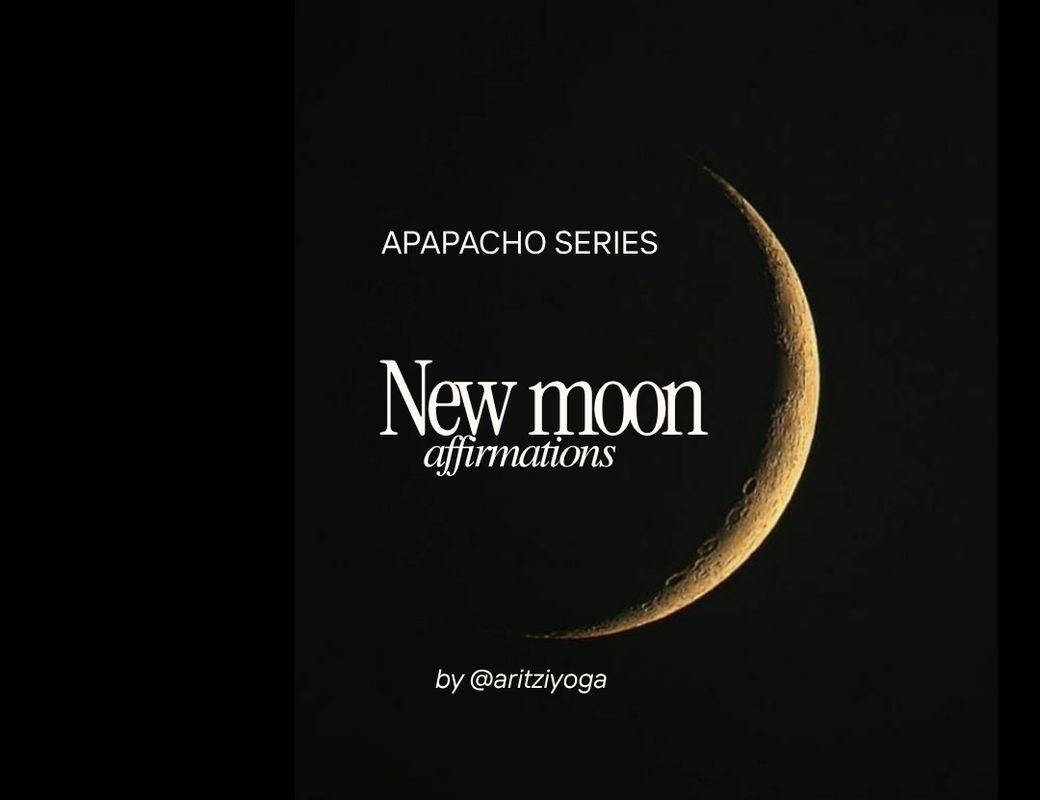
Lunar phases have been taken into account in farming and agriculture for centuries. Just like with the tides, though to a lesser extent, the lunar phase influences our garden, the sap, the amount of water found within the plant itself, and the plant's or crop's life cycle. Today, I'm here to show you what we should keep in mind if we want to stay connected to these age-old beliefs. During phases like the new moon, sap concentrates in the roots of the shrub, tree, or plant, and as the moon gains light and grows, the sap gradually moves upward toward its peak in the plant's crown, with the culminating moment coinciding with the full moon. Days after the full moon, the sap begins its journey back down toward the roots.
To plant seeds, cuttings, or bulbs, you need to follow an agricultural calendar, but it's also important to know the lunar phase:
🌑 New moon to first quarter 🌒: annual leafy plants and herbs
🌒 First quarter to full moon 🌝: Here the spotlight is on plants with year-round flowers, vegetables whose production occurs above ground (melons, eggplants, strawberries...), and climbing herbs
🌝 Full moon to last quarter 🌗: root vegetables such as carrots, potatoes, bulbs, etc.
🌘 Last quarter to new moon 🌑: ideal for working the garden, removing unwanted weeds that might affect your crops, fighting pests (perfect if you use a mix of natural potassium soap and water in a spray bottle), preparing the soil for new crops.
If we look closely, the moon's phases also have similarities with the different life stages of a plant:
🌱 New moon: seeds
🌱 First quarter: sprouts and shoots
🌱 Waxing moon: growth and flowering
🌱 Full moon: fruit
🌱 Waning moon: harvest
🌱 New moon: cut or remove plants that have inevitably died to make room for new ones
I'll also share some other tips on which signs are most favorable for garden work:
Planting : moon in Cancer, Scorpio, and Pisces
Harvest🌾: Moon in Aries, Gemini, and Leo
Work the soil👩🌾: Moon in Virgo, Sagittarius, and Capricorn
I hope you enjoyed this, and I'll see you in the next lunar phase 🕯️✨🌝
Siena
Comments