Low Set-Up Traditions
How to work within your practise a bit easier.
Article · 9 min read · ·
If you ask any witch or spiritual individual what their practise looks like, you’ll get a range of answers. Some will tell you they’re always observing the Moon cycle, journaling nightly, pulling cards, lighting candles, tracking transits. Others will shrug and say they don’t remember the last time they sat down to do anything that looked like a ritual at all.
Sometimes, we don’t have the energy to sit down and actually observe. Some days, we’re incredibly astute and connected. There is no clean line of connection. Each individual connects differently.
To practise, doesn't require doing a ritual. A ritual is typically defined as something that follows a set procedure and is created to be repeated. Some witches (myself included), never remember what we did to create a feeling we had, unless we painstakingly plan it. And that's okay!
The beautiful thing about our Spirit, is that we are able to make it look however we chose it to look.
There is no clean line of connection
One of the quiet truths of spiritual practice is that connection isn’t constant. It ebbs. It sharpens. It dulls. Some days you notice everything. Other days, you’re just trying to get through.
That isn’t failure; it’s human.
We often talk about practice as if it should be consistent, visible, and intentional in the same way every day. But most traditional spiritual systems (including Irish-rooted ones) were built around living, not performing. Attention waxed and waned with energy, health, season, and responsibility.
There was never an expectation that someone would be equally observant every day of their life.
What “low set-up” actually means
Low set-up isn't about doing less because you care less. They don't mean you're putting in less effort into your practise. They’re about recognizing that attention doesn’t always require preparation, and that most of what we do is part of our practise.
A low set-up ritual:
-
doesn’t require special tools
-
doesn’t demand a certain emotional state
-
doesn’t ask you to carve out time you don’t have
It fits into life instead of sitting on top of it.
These are the kinds of practices that survive long winters, illness, grief, burnout, and ordinary exhaustion — which is exactly why they matter.
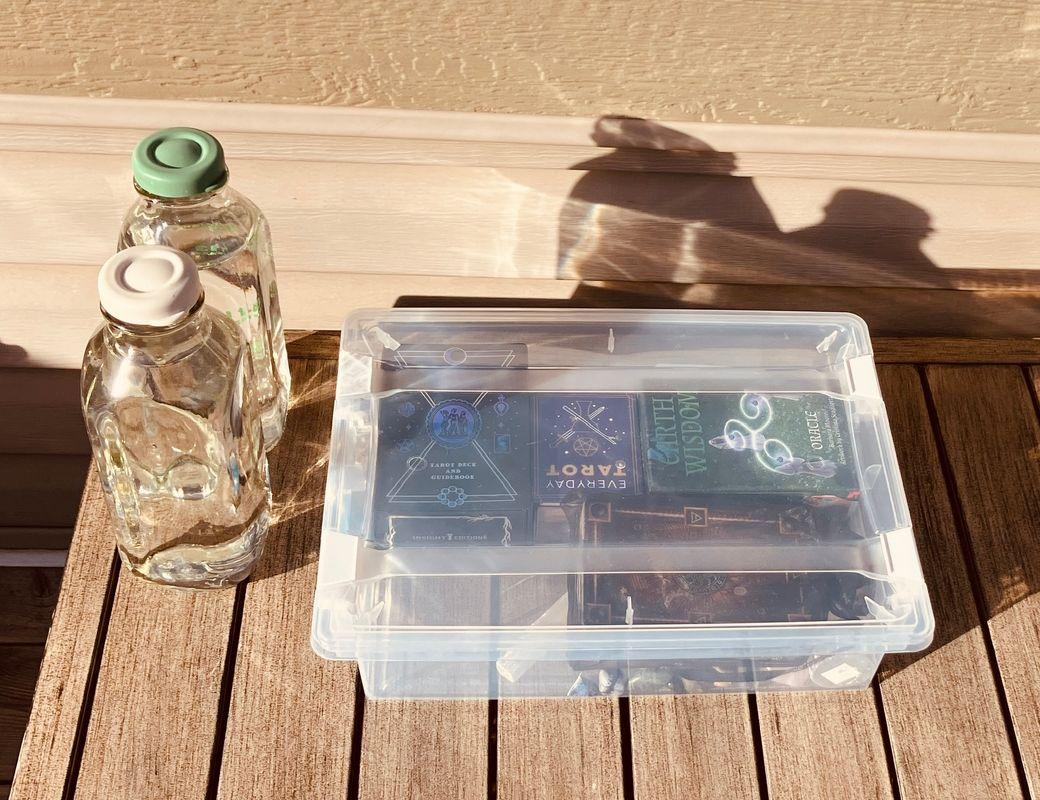
This image is of my actual set up for full moon. Full moon occurs midday for me, so I brought all of my crystals and decks out to charge next to my moon water. I will be using moon water to water my plants, as well as for my fish’s tank (it’s properly treated, not to worry for his health!)
How this shows up in my own practice
My own traditions are not elaborate. They’re shaped by energy, season, and honesty.
Some days, my practise looks like sitting quietly and noticing the light outside my window; how it’s changed, how it hasn’t. Some days it’s lighting a candle without ceremony, simply because the room feels cold or dark.
At Imbolc, I observed late at night in my bedroom and briefly on the back porch. There was no altar. No extended ritual. Just fire, cold air, and attention.
Sometimes I burn sage; not as an inherited Irish practise, but as part of my Irish-Canadian tradition, shaped by where I live now. Other times, I don’t light anything at all. Observation alone is enough.
There are weeks where I don’t pull a card, track the moon, or write anything down. And there are days where a single moment of noticing feels more meaningful than any structured ritual I could plan.
Some days, it’s just a notification from the MoonX app letting me know that the earth is shifting. That inconsistency is not a flaw.
Sometimes I sketch a sigil into the corner of my notebook, or say an intention to the Universe before writing an exam. Those are all a part of my practise.
It’s a reflection of my reality.
Low set-up or low-effort doesn’t mean low intention
There’s a common misconception that if a ritual is simple, it must be shallow. Historically, that hasn’t been true.
Many older traditions relied on repetition and restraint, not complexity. Small acts done honestly; tending a fire, washing hands, stepping outside, marking a threshold- carried meaning because they were embedded in daily life.
Low set-up rituals work because they don’t ask you to become someone else before you can practice. They meet you where you already are.
They also reduce the pressure to “do it right,” which often disconnects people from practice entirely.
When low set-up rituals matter most
Low set-up rituals are especially important:
-
during burnout
-
during illness
-
during grief
-
during heavy seasons
-
when mental health makes focus difficult
These are not times when practice should disappear. They are times when practice needs to simplify.
Sometimes the most honest ritual is:
-
noticing you’re tired
-
acknowledging the season you’re in
-
choosing rest over performance
That is still connection, and at times, it's the strongest one we can find.
Letting practice change with you
No one practices the same way their entire life; and no tradition expects them to.
Your practice will change with:
-
age
-
environment
-
health
-
responsibility
-
belief
Low set-up rituals allow practice to evolve without breaking. They create continuity without rigidity.
They make it possible to stay connected even when everything else feels fragile.
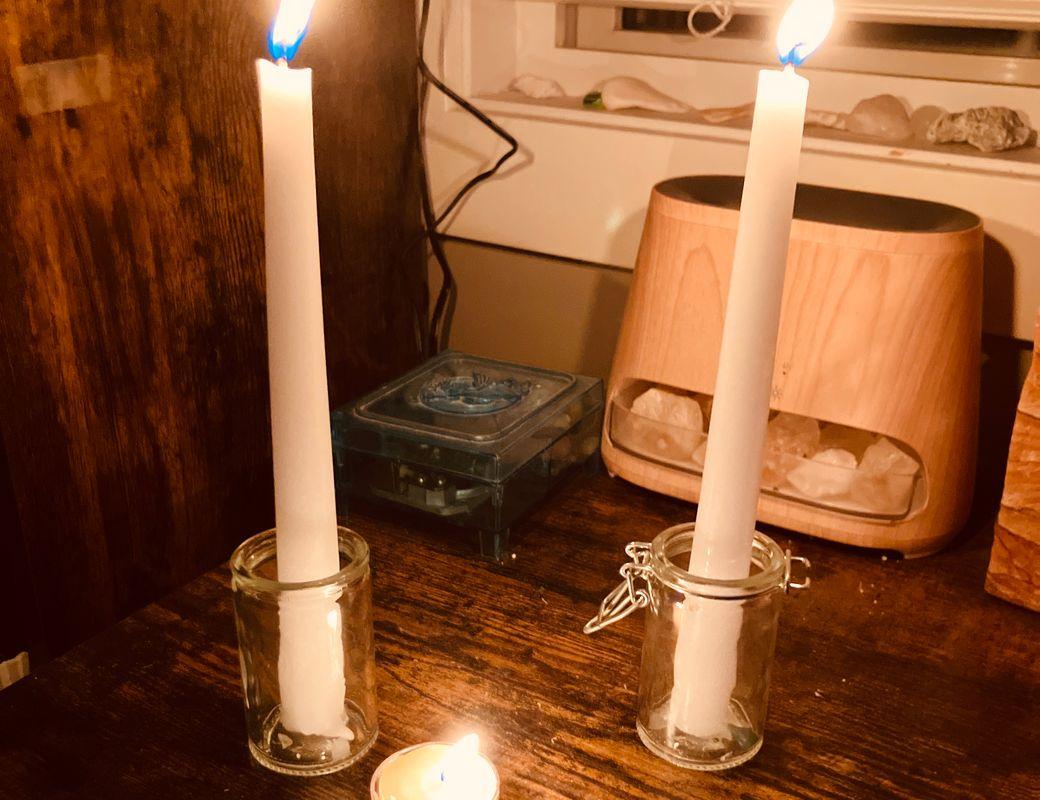
Above is a picture from part of my Imbolc practise. I took it so that I could show you all how I partake. Photos are not typically part of my practise, but each practise looks different. If documenting through photos connects you, I truly encourage it!
Examples of Low Set-Up Rituals
Small acts that still count
Low set-up rituals don’t ask you to prepare. They ask you to notice. These are practices that fit into real life; on tired days, busy days, quiet days, and everything in between.
None of these require special tools. None of them demand the “right” mood. All of them rely on attention rather than performance.
And none of these are required to be followed to the letter, unless that is how it resonates with you. I offer these examples so that you can follow whatever your heart enjoys.
I firmly believe that anything you do with intention, is what makes it part of our practise. :)
1. Lighting a candle without ceremony
Light a candle because the room feels dark or cold. Let it burn while you do something ordinary. No words. No intention-setting. Just warmth and light where you are.
Historically, tending fire was about continuity, not ritual theatre.
If you are in a space where you are unable to light a candle, electric tea lights can have the same focussing effect if that alligns with you.
2**. Standing outside for one minute**
Step outside (porch, balcony, yard, doorway) and notice the air. Temperature. Wind. Smell. Light. Then go back inside.
This is a threshold practice. It doesn’t require interpretation or writing about how it made you feel (unless you want it to). Presence is enough.
3. Washing hands slowly
Wash your hands and stay with the sensation instead of rushing through it. Water has always been part of seasonal and domestic practice because it’s already there.
No cleansing language needed, unless you want it to.
Just care.
4**. Noticing light**
Notice where the light is coming from today. What time it appears. How long it stays. Whether it feels different than it did last week.
This is one of the oldest forms of seasonal observation.
5**. Sitting with a warm drink**
Make tea, coffee, or anything warm and drink it without multitasking for a minute or two. Warmth is not symbolic — it’s practical. That’s why it matters.
6**. Touching the same object daily**
Choose one ordinary object (a mug, a stone, a piece of wood, a ring) and touch it intentionally once a day. No meaning assigned. The repetition is the practice.
7**. Opening a window briefly**
Open a window, even in winter. Let fresh air in for a moment. Then close it. This acknowledges change without discomfort.
8**. Saying nothing at all**
Sit quietly for a minute without reaching for your phone or filling the space. Silence doesn’t need explanation to be useful.
If you need something to focus on, you can put yourself into a meditative state and focus on your breathing, or you can stare at a candle flicker. Whatever brings you peace.
9**. Burning a plant simply**
If you burn herbs or plants, do so plainly. No invocation. No ceremony. Light it, acknowledge the moment, and extinguish it.
The honesty of the act matters more than tradition labels.
10. Writing one sentence
Write one line about how you actually feel — not how you think you should feel. Stop there.
That’s enough.
11. Noticing what you avoided
At the end of the day, notice one thing you avoided — a thought, a task, a feeling. No judgment. Awareness alone is the ritual.
12. Letting something go undone
Intentionally leave one non-essential thing unfinished. Rest can be an act of alignment, not neglect.
13. Reading this
Reading this can also be a part of your practise if you chose. A lot of individuals, myself included, feel connected to our practise when we’re researching.
Heck, writing this article has me feeling more connected to my practise. I write these, because I keep them in my own grimoire/spell book. I just decided one day to share my writing with you all.
14. Building or creating something
Part of my practise comes from building or making things. Carving wood, tending to my plants. Drawing, writing, painting. Sitting in the moment and focussing on what is in front of you, is what makes your practise a practise.
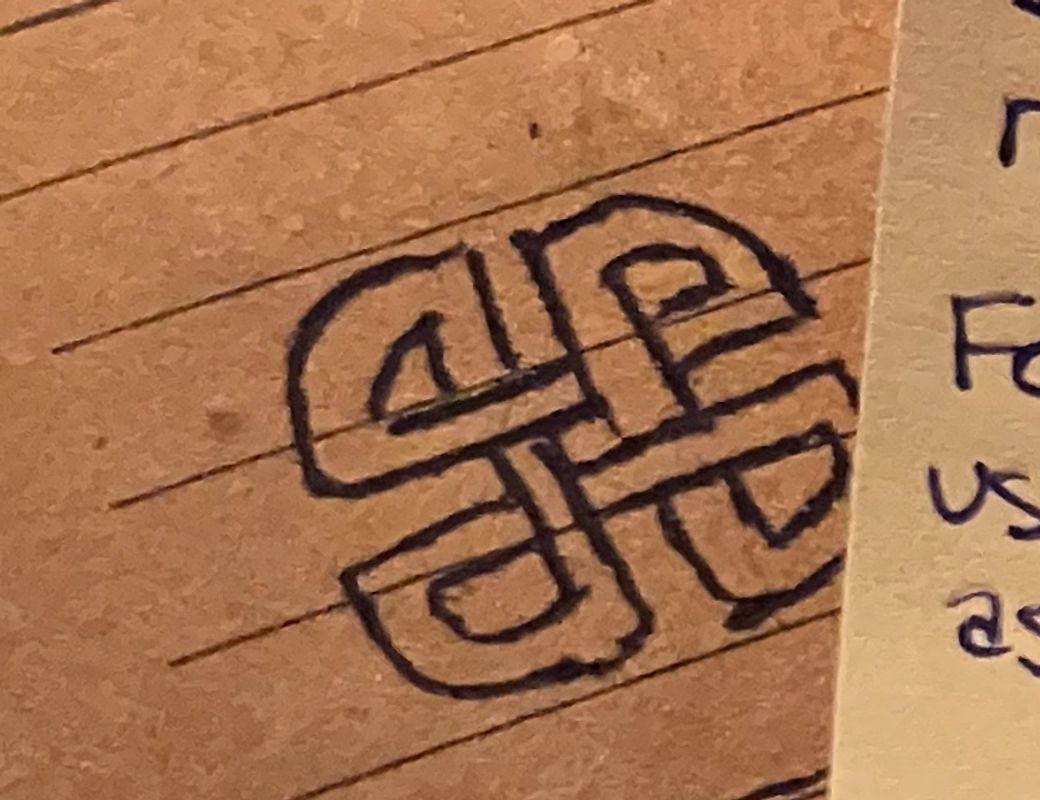
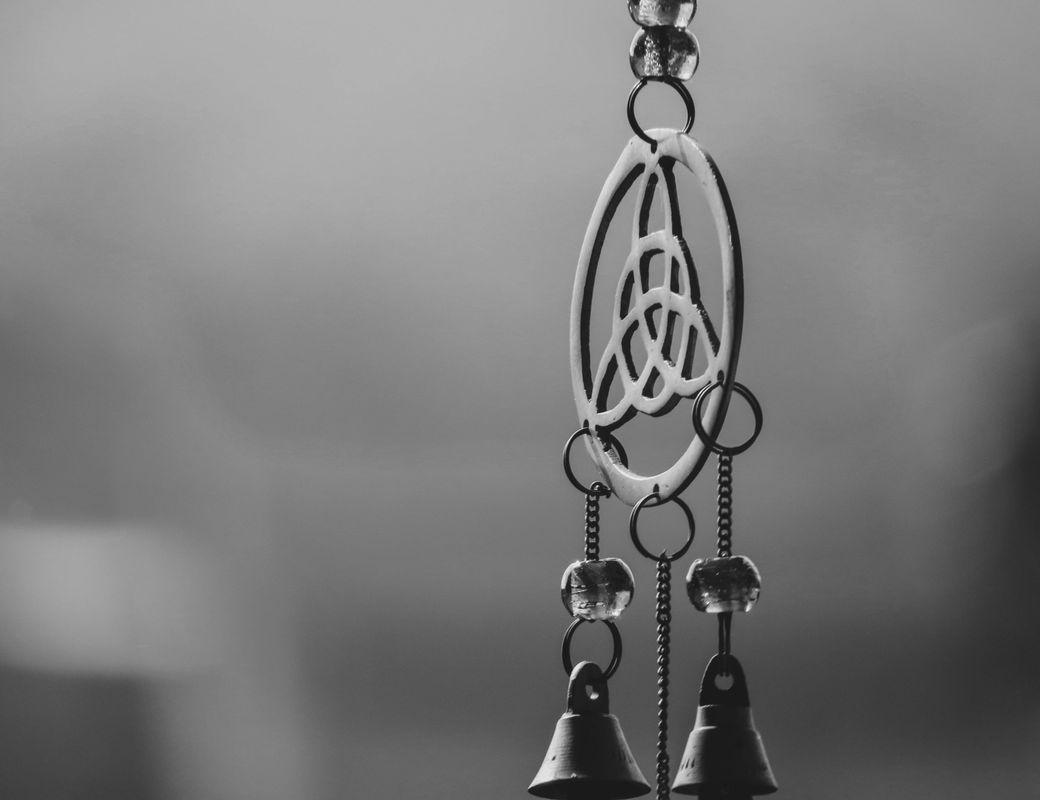
This is the Celtic knot that represents protection. It is called the Celtic Shield knot, and is portrayed in many ways. This just so happens to be my personal favourite. I like to draw it in my books, and will use pen or washable marker to put it on my skin when I need a bit more strength.
Closing reflection
Not every ritual needs candles.
Not every practice needs structure.
Not every day needs interpretation.
Practise is all about intention.
Sometimes, the most meaningful thing you can do is notice where you are — and let that be enough.
Go forward in good faith ☘️✨
Responses (3)