Healing Through the Moon Cycle
Why the moon’s rhythm matters more than we think
Article · 6 min read · ·
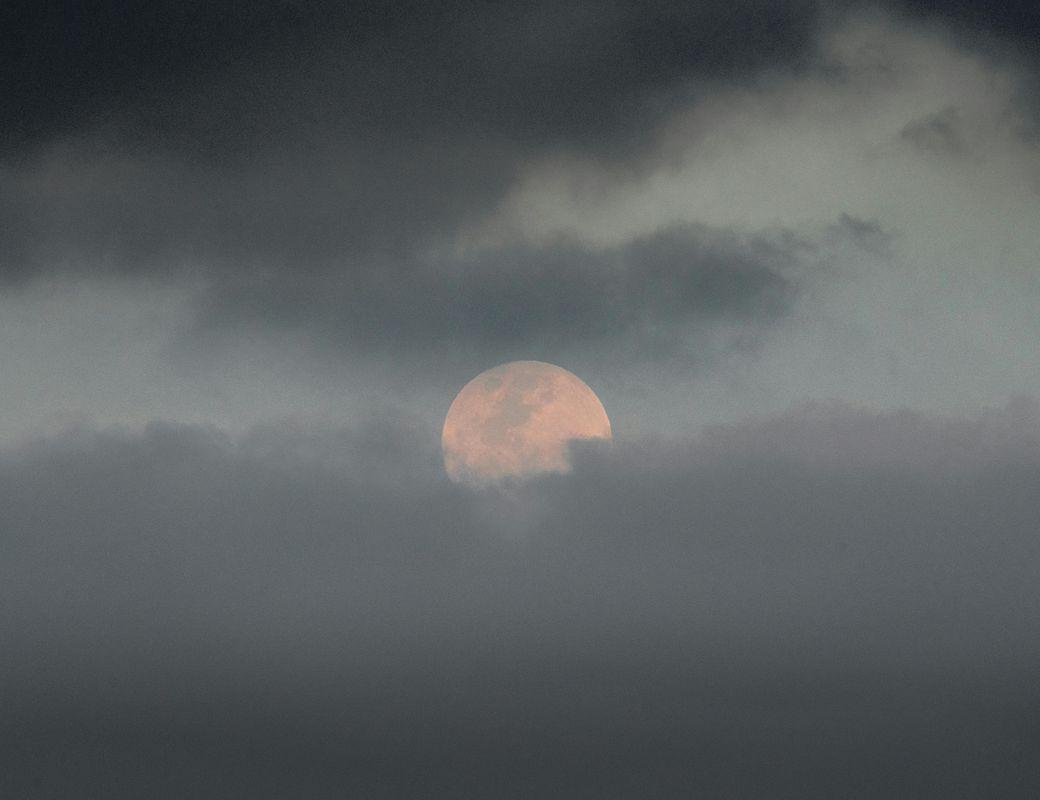
An Irish-Canadian reflection on rhythm, rest, and return
The moon has always marked time.
Long before printed calendars, before electric light, before we tracked dates digitally, people looked up. In Ireland — as elsewhere — the moon helped structure agricultural timing, nighttime travel, and the rhythm of work and rest.
But in Irish tradition, the moon was not treated as something to command.
It was something to observe.
And observation, historically, mattered more than control.
The Moon in Irish Seasonal Understanding
Irish tradition is deeply seasonal. The year turns through Samhain, Imbolc, Beltane, and Lughnasadh — agricultural thresholds rather than abstract spiritual markers.
The moon does something similar on a smaller scale.
While Ireland is more commonly associated with solar fire festivals, lunar timing still shaped daily life. The Irish language itself reflects this — the word for month, mí, historically tied to the moon’s cycle. Time was measured in recurring patterns, not fixed declarations.
This matters.
Because healing — real healing — follows pattern, not force.
Why the Moon Is Useful Right Now (Late February)
Late February is not dramatic.
Imbolc has passed. Spring is not here. Winter hasn’t released its grip. It’s a middle place.
The moon, however, continues its rhythm regardless of seasonal frustration.
It grows.
It peaks.
It recedes.
It disappears.
It returns.
When the earth feels stuck, the moon keeps moving.
That alone can be stabilizing.
Working with the Moon Without Overworking Yourself
Moon practice doesn’t need to be elaborate. Historically, attention was often enough.
Here’s how I integrate the moon into my own Irish-Canadian practice — especially during low-energy seasons.
🌑 New Moon — Rest Without Announcement
The new moon is dark. You can’t see it. There is nothing to perform.
In Irish seasonal thinking, darkness was not negative — it was part of the cycle. Samhain begins in darkness. Winter begins in darkness. The new moon fits this pattern.
On new moon nights, I don’t set intentions. I don’t declare new beginnings. I let the night be dark.
I light a candle, and stare at it, and write things down that come to mind.
Sometimes I just go to bed early.
That’s the ritual.
🌓 First Quarter — Half Known, Half Hidden
The half-lit moon reminds me that clarity is rarely total.
In Irish tradition, thresholds were acknowledged — not rushed through. The first quarter feels like a threshold phase. Something is visible. Something is not.
On these nights, I might step outside briefly and ask:
What is half-formed right now?
What doesn’t need solving yet?
No journaling required unless I feel like it.
🌕 Full Moon — Illumination Without Drama
The full moon makes everything visible. Historically, it extended working hours and allowed movement at night. It was practical before it was mystical.
In my practice, full moons are about noticing what feels loud or obvious in my life.
Not fixing it.
Not releasing it.
Just noticing.
Sometimes I stand on the porch and let the light sit on my face for a minute. That’s enough.
I light candles a lot, and enjoy sitting with the feeling. I put out water bottles, and sometimes charge my crystals. It depends on how heavy the last cycle was.
Sometimes, I don't even notice until I look up in the night sky, while walking home from work.
🌘 Waning Moon — Shrinking Light, Honest Release
After fullness comes reduction.
The waning moon feels similar to late winter in Irish tradition — quieter, less expansive, more internal.
If something feels ready to drop away, I let it. If it doesn’t, I don’t force it.
Healing doesn’t always align with the calendar. The moon reminds me of that.
Irish Tradition and Rhythm
Irish spirituality — whether folk, agricultural, or seasonal — is less about commanding nature and more about moving alongside it.
The moon cycle offers a smaller rhythm inside the larger seasonal year.
It gives us:
-
pattern
-
repetition
-
reassurance
-
return
And in times when energy is inconsistent, repetition is grounding.
An Irish-Canadian Note
Living in Canada means the sky often feels bigger. The moon feels sharper in winter air. Sometimes it’s the only visible reminder that time is moving forward.
For me, moon work isn’t about aesthetic ritual. It’s about steadiness.
It’s about remembering that:
Nothing stays full.
Nothing stays dark.
Everything turns.
You Don’t Need to Be Irish to Observe the Tradition
One thing I worry doesn’t get communicated enough is this:
You do not need to be Irish to observe Irish seasonal traditions.
These practices — marking Imbolc, tending a small fire, noticing the turn at Samhain, watching the length of light — are not closed ceremonies. They are seasonal frameworks. They are ways of paying attention.
Irish tradition, especially in its agricultural and folk forms, was built around land, weather, animals, and survival. It was not a priesthood. It was not an exclusive spiritual order. It was a rhythm of life.
And rhythms can be learned.
Heritage and Practice Are Not the Same Thing
Being Irish by ancestry is not the same as being attentive to Irish tradition.
Likewise, not having Irish ancestry does not disqualify you from observing seasonal markers that resonate with you.
Traditions rooted in land and season are fundamentally observational. If you live somewhere with winter, with spring stirrings, with harvest and darkening, you already understand the structure these traditions sit inside.
What matters is not bloodline.
What matters is respect.
What Respect Looks Like
Respect looks like:
-
Learning where a tradition comes from.
-
Not rewriting it to suit aesthetic preference.
-
Not claiming it as something it historically was not.
-
Acknowledging diaspora influence when applicable.
-
Being honest about adaptation.
It does not require ancestry tests.
It requires integrity.
Irish seasonal tradition is not a closed Indigenous practice with living ceremonial guardians. It is a cultural inheritance shaped by history, colonization, famine, migration, and survival. It has already adapted across continents — especially through diaspora communities.
That adaptation is part of its story.
Living Traditions Travel
Irish people carried their seasonal markers with them to North America, Australia, Britain, and beyond. Over time, those observances changed shape. Climate altered timing. New plants entered practice. Local landscapes influenced expression.
Tradition did not break.
It evolved.
That evolution does not belong only to those with Irish surnames. It belongs to those who approach it thoughtfully and without erasure.
A Note on Cultural Awareness
There is a difference between participating in a cultural tradition and appropriating a closed ceremonial system.
Irish seasonal observances are part of a broader European folk heritage that has always been porous, shared, and influenced by neighboring cultures. They are not guarded rites requiring lineage permission.
However, that does not mean they should be stripped of context or turned into aesthetic trend pieces.
Participation without context is flattening.
Participation with awareness is connection.
Why I Say This
I say this because I don’t want anyone to feel like they are trespassing simply because they are not Irish.
And I also don’t want anyone to approach these traditions casually, as if they are interchangeable with every other aesthetic spiritual system.
You don’t need to be Irish.
You do need to be thoughtful.
Closing
Tradition is not about ownership.
It is about continuity.
If you are willing to:
-
learn,
-
observe honestly,
-
acknowledge origins,
-
and adapt responsibly,
then you are not intruding.
You are participating.
Healing doesn’t require spectacle.
Sometimes it just requires rhythm.
The moon doesn’t rush its phases.
It doesn’t skip ahead.
It doesn’t hold onto fullness longer than it should.
It moves.
And that movement — quiet and consistent — is enough.
Responses
No responses yet — start the conversation.