December Holiday Magic
The Witches’ Monthly Almanac
Article · 11 min read · ·
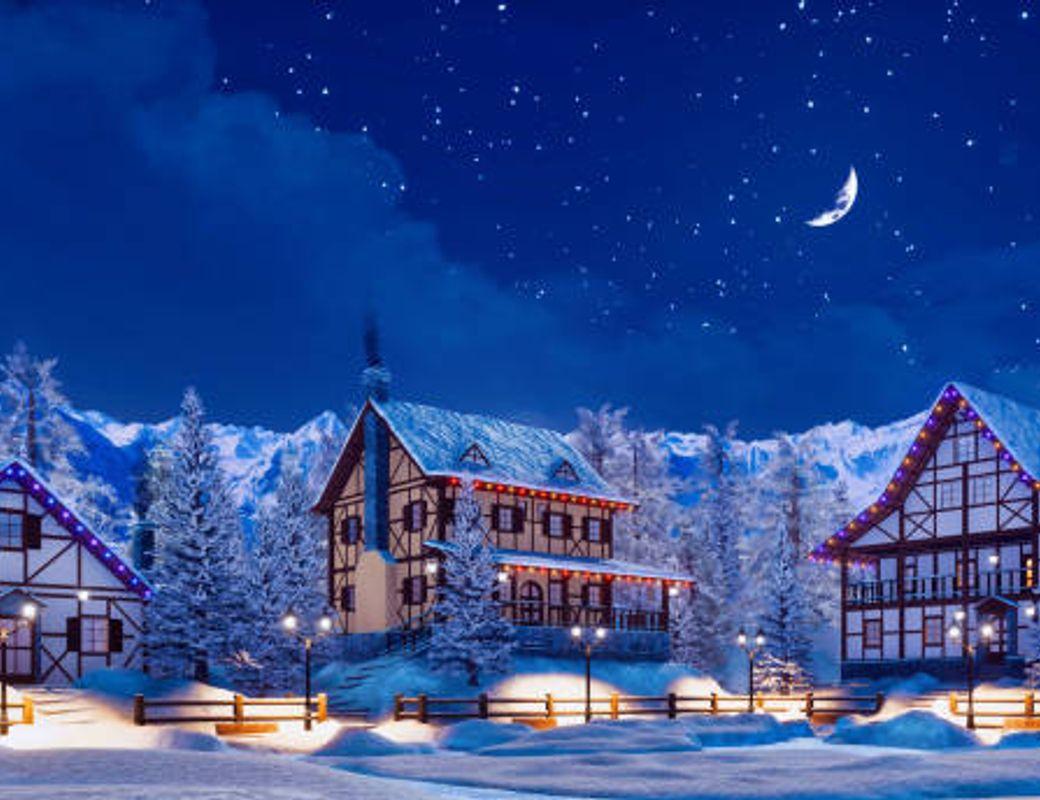
December arrives wrapped in frost, folklore, and quiet enchantment, inviting witches to step into one of the most spiritually resonant months of the year. Before we explore the specific magical dates that shape this season, it is important to begin with an overview of the ancient traditions, sacred creatures, and seasonal rites that lend December its enduring mystical character.
Throughout the British Isles, winter was marked by the presence of three steadfast birds: the robin, the wren, and the thrush. While many creatures sought warmer climates, these three remained, singing through the coldest and darkest days. Their unwavering voices made them deeply symbolic to the Celts, who viewed their winter songs as omens of resilience and guardianship. The wren, especially revered by the Druids, was called the king of all birds, believed to carry divine messages and to embody the subtle intelligence of the season. An old folk charm warns: “When you kill a robin or a wren, you’ll never prosper, boys nor men,” a testament to the belief that these birds housed the very spirit of winter, protectors of its silence and keepers of its magic.
As communities turned inward for warmth and companionship, another tradition emerged to honor the slumbering land: wassailing. In its truest form, wassailing was an act of awakening, a ritual carried out to rouse the spirits of the orchards from their winter sleep. Villagers would enter the orchards at dusk, creating a cacophony of sound—banging pots and pans, beating the bare trunks with hazel rods, or firing guns into the branches—to stir the unseen energies dwelling within the trees. Once awakened, these spirits were honored with libations of cider or ale poured at their roots. This was not merely celebration but a pact between humans and the land, ensuring protection, vitality, and abundant crops in the year to come.
At the heart of December’s sacredness lies the Winter Solstice, one of the most profound turning points on the Wheel of the Year. This is the longest night—a threshold moment when time seems to pause, and the world holds its breath. With the Solstice comes the rebirth of the Sun, the first spark of returning light after months of deepening darkness. The festival of Yule, celebrated across numerous pre-Christian and pagan traditions, honors this renewal. Families feasted, exchanged gifts, and illuminated their homes with candles to symbolize the triumph of the light half of the year. As a fire festival, Yule emphasizes warmth and regeneration: candles lit on altars, hearth fires tended with reverence, and bonfires built where tradition allowed—all to welcome the returning power of the Sun.
Thus, December stands as a month woven from the songs of winter birds, the awakened spirits of sleeping orchards, and the ancient fires of Yule burning against the darkness. It is a season of transition, resilience, and rebirth, offering witches a powerful landscape of magic to work with as the year draws to a close.
Magical Dates of December
As the month unfolds, December reveals a tapestry of enchanted days, each carrying its own folklore, spiritual significance, and seasonal magic. These dates form waypoints along winter’s path—moments when the veil shifts, blessings stir, or old superstitions rise to the surface. From luminous moons to protective customs, from sacred festivals to peculiar warnings, each day offers witches a unique opportunity to connect with the rhythms of the season and the ancestral wisdom woven into the darkest time of the year. Below are the key dates that shape December’s mystical landscape.
December 4 — Full Moon in Gemini (Supermoon)
The month opens with brilliance as the Full Moon in Gemini rises on December 4, arriving as the third and final supermoon of the year. Appearing larger and brighter in the night sky, this supermoon amplifies emotional tides and deepens magical currents. Gemini, ruled by Mercury, lends its traits of curiosity, adaptability, duality, and heightened communication. Under this moon, spells concerning clarity, writing, insight, truth, or interpersonal healing are especially potent. Known as the Cold Moon, marking winter’s tightening grip, or the Oak Moon, honoring the Oak King who rules this season of endurance and inner strength, this lunar event reminds us that even in the darkest nights, the seeds of renewal are already stirring.
December 6 — Feast of Saint Nicholas
Celebrated throughout Scandinavia and parts of Northern Europe, the Feast of Saint Nicholas honors a figure of generosity, protection, and winter blessing. Children place their shoes upon windowsills, and Saint Nicholas fills them with candies, fruits, and small toys. This tradition reflects older beliefs about household spirits, thresholds, and the exchange of goodwill between the seen and unseen worlds. For practitioners of magic, this day resonates with themes of charity, ancestral guardianship, and winter kindness.
December 12 — Beware the Fairy Night
Old folklore warns that on December 12 one must not go to bed hungry. Those who fail to take supper before nightfall risk being swept away by the fairies in the middle of the night. Tales speak of sleepers lifted gently from their beds, carried into the icy air, and flown over the rooftops of their own homes before being returned at dawn—dazed, disoriented, and marked by uncanny misfortune. This date highlights December as a month watched closely by the Unseen Folk, and reminds us that tending the hearth and honoring nightly rites of nourishment guard against their mischief.
December 14–22 — Hanukkah
Beginning on the evening of December 14 and continuing through December 22, Hanukkah—the Festival of Lights—honors the rededication of the Temple and the miracle in which a single night’s worth of oil burned for eight. For witches who honor multicultural traditions or appreciate the symbolic resonance of winter celebrations, Hanukkah reflects universal themes: light preserved through darkness, hope sustained against adversity, and the enduring flame of spiritual resilience. Each candle kindled on the menorah becomes both a remembrance and an invocation of perseverance.
December 15 — The Day the Cold “Takes Hold”
Folk tradition names December 15 as the day when the cold truly settles into the land. An old superstition warns against allowing one’s cat to sleep in the bed on this night, for doing so is believed to invite ill health throughout the coming year. Cats—creatures who walk between worlds—are thought to draw in or deflect unseen currents; thus, on this particular night, one is meant to sleep alone, untethered from familiar spirits, to protect the body and aura as winter’s harshest winds begin to stir.
December 16 — The Start of Mince Pie Season
December 16 marks the traditional beginning of mince pie season, a custom threaded with old-fashioned good fortune. According to folklore, if one eats thirteen mince pies from thirteen different cooks, the coming year will be blessed with thirteen months of good luck—a symbolic overflow of abundance. The number thirteen, often misunderstood, was once associated with lunar cycles, feminine mysteries, and the turning of magical seasons. By sampling pies crafted by many hands, one symbolically weaves together a tapestry of shared blessings and community prosperity.
December 19 — New Moon in Sagittarius
The new moon on December 19 arrives in the adventurous, far-seeing fire sign of Sagittarius. Ruled by Jupiter, Sagittarius represents expansion, faith, truth-seeking, higher wisdom, travel, and personal freedom. This new moon invites witches to plant intentions related to growth, long-range visions, intellectual exploration, spiritual study, and liberation from old constraints. It is a moon of fresh pathways and renewed optimism. In the quiet darkness of the new moon, Sagittarius sparks a flame that points toward horizons not yet traveled.
December 20 — Saint Thomas’s Eve
On the eve of Saint Thomas’s Day, rooted in the story of Doubting Thomas, folklore warns that the spirits begin to rise and walk the Earth. From this night until Christmas Day, the veil thins once more—not with the wildness of Samhain, but with the cold whisper of midwinter presences. It is a night for listening, for honoring the unseen, and for keeping a respectful distance from what moves in the dark. The lore suggests heightened intuition and prophetic dreams, as the spiritual world draws close to the mortal realm.
December 21 — Winter Solstice & the Festival of Yule
The Winter Solstice, falling this year at 9:19 AM, marks the shortest day and longest night of the year, offering only about seven hours of daylight. At this moment, the Sun stands directly over the Tropic of Capricorn, signaling both the astronomical and astrological shift into the sign of Capricorn. This earth sign carries the qualities of discipline, structure, endurance, responsibility, wisdom, and long-term vision—traits that harmonize with the season of planning and perseverance before spring’s renewal.
The solstice heralds the ancient festival of Yule, a celebration of the Sun’s rebirth and the return of the light half of the year. Fires are kindled—candles on altars, logs in hearths, bonfires where tradition allows—to honor warmth, renewal, and the slow but certain lengthening of the days. Yule is a festival of hope, communal feasting, gift-giving, and spiritual illumination, reminding us that even in the depth of winter, the promise of returning light is assured.
December 24 — Christmas Eve
Christmas Eve is steeped in enchantment and old-world magic. At midnight, church bells ring, signaling both celebration and spiritual protection. Folklore tells that animals gain the ability to speak at this hour, though anyone who attempts to witness it will be denied the sight. Rosemary is said to bloom at midnight, a sign of purity and blessing, while spirits are believed to be particularly active, drifting through the night with a mixture of solemnity and wonder. It is a time of heightened sensitivity, ancestral presence, and quiet miracles.
December 25 — Christmas Day (Falling on a Thursday This Year)
This year, Christmas falls on a Thursday, a day ruled by Jupiter. According to old belief, this ensures that the coming year will be marked by luck, prosperity, mild winter weather, plentiful crops, and abundant fishing. Historically, Christmas overlays the Roman festival of Saturnalia, a celebration of reversal, revelry, and renewed order. In the British Isles, this night was once called Modraniht, or Mother’s Night, honoring household deities, female ancestral spirits, and the nurturing forces of winter.
The practice of breaking the wishbone—originally from the Etruscans, traces back centuries. They used the bone for divination, believing that whoever received the larger piece in the break would be blessed with good fortune. Today, the tradition endures through the holiday turkey, preserving the ancient act of bone magic within a modern custom.
December 26–January 1 — Kwanzaa
Kwanzaa begins on December 26 and continues through January 1, celebrating African heritage, community, unity, and cultural renewal. Each of the seven days honors a principle—such as Umoja (Unity) or Imani (Faith)—reflected through candle lighting and communal reflection. While not a witchcraft tradition, its themes of ancestral reverence, community strength, and cultural resilience resonate deeply with the spirit of winter observances.
December 26 — The Hunting of the Wren
This day also marks the start of the traditional Wren Hunt, a custom once sacred to the Druids. Though modern practices are symbolic rather than literal, the wren—king of the winter birds—was honored as a creature of prophecy, endurance, and midwinter magic. Its presence during the coldest season made it a symbol of life persisting through darkness.
December 27 — Chocolate Day
A lighter observance, Chocolate Day, offers sweetness in the heart of winter. Chocolate, associated with comfort, heart-healing, and mild euphoria, becomes a small magical indulgence—one that warms the spirit and nourishes the senses.
December 28 — The Unluckiest Day of the Year
According to old lore, December 28 is the unluckiest day of the year, said to commemorate the day King Herod slaughtered the innocent children while seeking the infant Jesus. Traditionally, people avoided beginning new ventures, traveling long distances, or taking unnecessary risks. It is a day for quiet reflection, protection work, and honoring the vulnerable.
December 31 — New Year’s Eve
New Year’s Eve is rich in magical superstition and ritual. One must finish all tasks before midnight, for it is considered ill luck to carry unfinished business into the new year. At the stroke of twelve, the first person to cross your threshold should be a tall, dark, handsome man, symbolizing protection and prosperity. He should carry coal for warmth, sugar for sweetness, and salt for necessity; whiskey may also be brought as a gift to the head of the household. He must enter silently and solemnly, the silence honoring the sacred transition.
Homes should be adorned with mistletoe, sacred to the Druids. It must have berries, and with each kiss given beneath it, one berry is plucked. Once the berries are gone, the mistletoe’s magic for the year is complete.
Open the back door to release the old year’s negativity, and open the front door to welcome the good luck and blessings of the year to come.
December stands as a month woven from ancient rites, flickering lights, sacred birds, watchful spirits, and the enduring pulse of winter magic. Each date carries its own legacy—some rooted in solemn tradition, others in playful superstition, all contributing to the intricate seasonal tapestry that shapes this enchanted time of year. Whether honoring Yule’s returning sun, navigating fairy-haunted nights, embracing cultural festivals of light, or invoking luck for the year ahead, December invites witches to walk with intention, reverence, and wonder.
And so, wrapped in its rituals and illuminated by its stories, December closes with both reflection and promise, tying the final ribbon around the magic of the year and opening the doorway to the blessings of the next.
Responses
No responses yet — start the conversation.
More from the Magazine
Hunter’s Moon in Taurus — October 26
Focusing on inner stability, self-worth, and the ability to let go of the old
You choose what the moonlight reveals
The Moon can help you see what you've been avoiding. But no light can decide for you.
Filling Your Good Karma Jar 🫙🪙💖
Sweet Giving Under the Taurus Full Moon.