The Sun at Its Peak
A Litha Ritual Guide
Article · 3 min read · ·
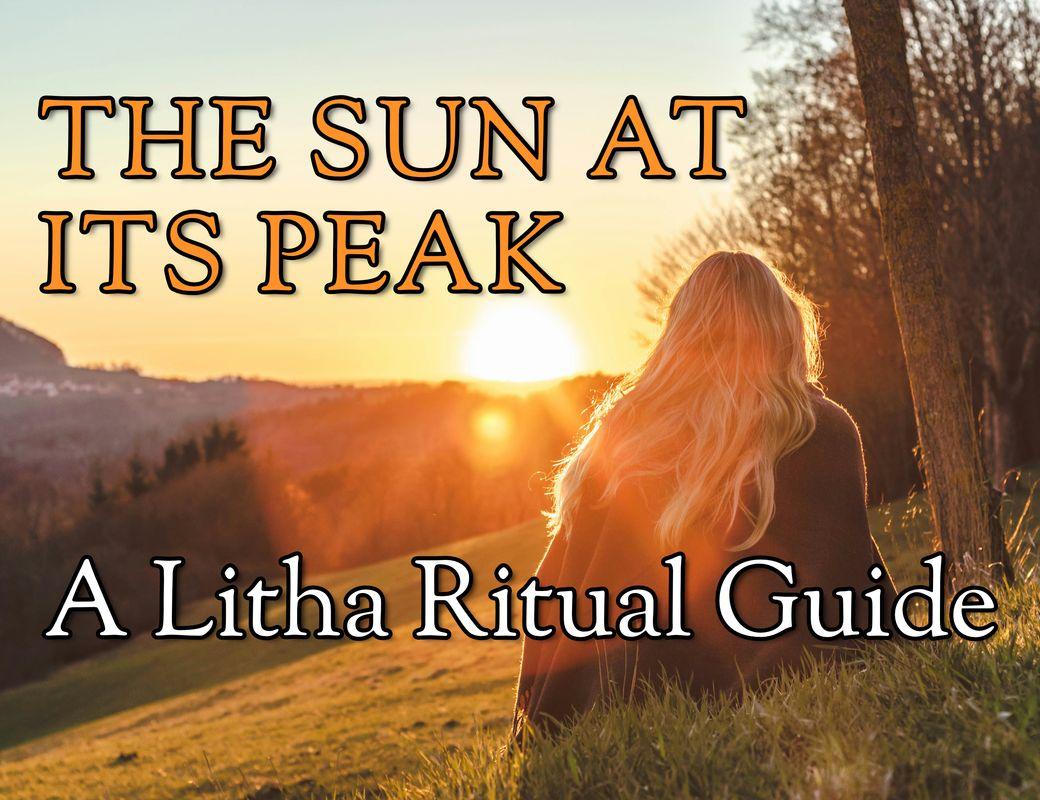
June 21st is the longest day of the year. The sun reaches its highest point in the sky, daylight stretches as far as it will go, and the wheel of the year turns toward its brightest hour. This is Litha, the summer solstice, and it has been celebrated as a fire festival across cultures for thousands of years.
Before we get to the rituals, it's worth meeting some of the deities who have carried this energy across different traditions. They don't all agree on what the sun means, and that disagreement is part of what makes this season so rich.
The Sun Across Cultures
Sól, the Norse sun goddess, rides her chariot across the sky each day, chased eternally by a wolf she never quite outruns. She isn't a passive symbol of warmth. She's motion, urgency, a force that keeps moving because stopping isn't an option. Litha honors that kind of sustained, active brightness.
Lugh, the Celtic god of skill, craft, and light, gives his name to the harvest festival of Lughnasadh in early August, but his energy peaks here first. Lugh represents mastery, the idea that light isn't just warmth, it's also competence, the ability to see clearly enough to do skilled work.
Sekhmet, the Egyptian lioness goddess, carries the sun's fiercer side. She's protection, ferocity, the heat that can heal or destroy depending on how it's directed. Litha isn't only gentle gold light. It can also be the kind of intensity that demands respect.
Áine, an Irish goddess of summer and sovereignty, is tied directly to midsummer celebrations and the cultivation of the land. She represents abundance that comes from tending something well, not abundance that simply falls from the sky.
Four different cultures, four different relationships to the same sun. Worth sitting with the one that resonates most before you move into ritual.
Litha Rituals to Actually Do
Make sun water. Fill a clear glass jar with water and set it outside from sunrise to solstice noon, the peak hour. Use it to water plants, add it to a bath, or simply drink it as a way of bringing the day's peak light into your body.
Bless your garden or growing space. Even a single potted herb counts. Walk your space slowly, and at each plant, name one thing you're grateful it's teaching you. This works as well with a windowsill basil plant as it does with a full garden bed.
Light a fire, even a small one. Litha has been a fire festival across nearly every tradition that celebrates it. A candle works if you don't have space for a bonfire. As it burns, name one thing you're ready to let reach its full expression this year, the way the sun has reached its own peak today.
Do a midday gratitude check-in. Set an alarm for solar noon (roughly 1pm during daylight saving time, though check your local solstice time for accuracy). When it goes off, stop and name three things that are genuinely going well right now. Peak light is a good moment to practice naming peak abundance honestly, not performatively.
Eat something seasonal and sun-grown. Stone fruits, berries, fresh herbs, anything pulled straight from peak summer growing conditions. Eating with the season is its own small ritual of alignment.
A Closing Thought
Litha doesn't ask much of you beyond noticing. The sun is doing the hard work today, reaching the furthest point it will reach all year. Your job is simply to be present for it, to let the longest day actually register as long, bright, and worth marking.
Whichever deity's energy you're drawn to this solstice, Sól's relentless motion, Lugh's skilled mastery, Sekhmet's protective fire, or Áine's cultivated abundance, the invitation is the same: meet the peak of the year with your eyes open.
Responses (2)