The Light Returns
The Enduring Importance of the Winter Solstice
Article · 9 min read · ·
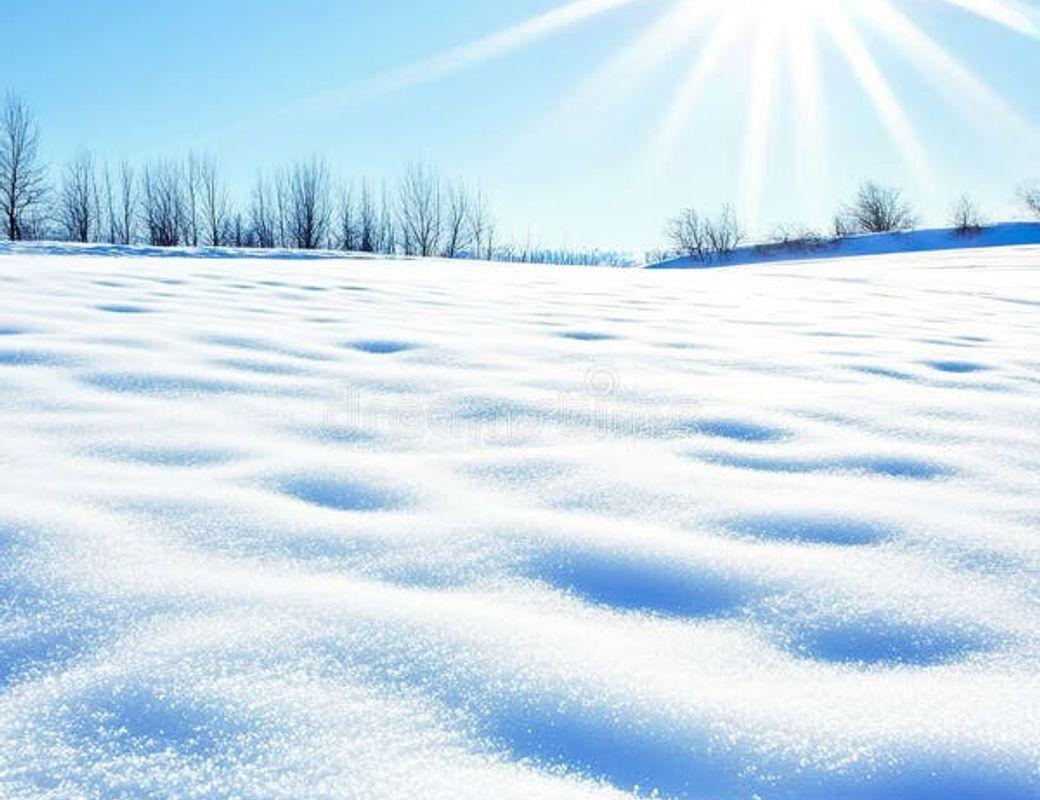
The Winter Solstice is one of the oldest and most profound celestial events recognized by humankind, a moment when the world appears to hold its breath. Across continents, languages, and eras, people noticed that there came a day each year when the sun reached its lowest arc in the sky and daylight slipped into its shortest span. For ancient peoples who lived by the cycles of harvest, migration, and weather, this turning point was not merely an astronomical curiosity. It was a matter of survival, a moment of cosmic significance, and a symbol of hope. The Solstice became a universal reminder that even in the deepest darkness, the promise of returning light endures.
In ancient Mesopotamia, the Babylonians marked this moment with the great festival of Zagmuk, a dramatic and symbolic reenactment of the battle between order and chaos. As winter pressed its hardest and darkness felt thick and heavy, people believed the forces of disorder were gaining power. Priests performed rituals to assist Marduk, the chief deity, in his mythic struggle to renew the world. Life, crops, and community depended on this cosmic renewal. Kings even participated in ritual humiliation to acknowledge that all worldly power bent to the divine order, a humbling act meant to ensure the sun would rise stronger in the days to come.
Far to the southwest, the ancient Egyptians observed this sacred turning point with equal reverence. They believed the Solstice was tied to the rebirth of Horus, the child of Isis, whose rising strength mirrored the growing sun. Remarkably, temples such as Karnak and Abu Simbel were aligned so precisely that sunlight pierced their inner chambers only on specific days of the year, including the Solstice. This alignment signaled a divine affirmation that the world remained in harmony. As the Nile’s cycles governed Egypt’s survival, the slight shift in sunlight carried deep agricultural meaning. The people felt reassured that creation continued and that the cosmic struggle between darkness and order still leaned in their favor.
The Greeks also embraced this pivotal moment. They associated it with the shifting influence of divine forces, particularly Apollo, the god of light, clarity, and balance. As the days lengthened again, the Greeks saw it as a sign of Apollo’s renewed presence in the world. Philosophers contemplated the Solstice as an expression of cosmic proportion, evidence that the universe operated through cycles, harmonies, and eternal return. Earlier festivals, such as Kronia, honored the mythical Golden Age under Kronos when all were equal and the sun blessed the world with abundance. In later eras, joyful celebrations for Dionysus brought music, wine, and vibrancy into the winter darkness, providing warmth against the cold and celebrating the promise of life’s return.
The Romans carried these traditions forward and expanded them into the exuberant celebration of Saturnalia. For several days, the social order relaxed. Masters served their slaves, neighbors exchanged gifts, and laughter filled the streets. Homes were decorated with greenery that symbolized endurance through winter. The festival honored Saturn, the guardian of agriculture, and invoked memories of a lost golden era when peace and plenty filled the world. Later, Rome added the celebration of Sol Invictus, the Unconquered Sun, on December twenty fifth. It marked the moment when the sun began its unstoppable return, a triumphant victory over the long, cold nights. Citizens lit fires, visited temples, and affirmed their faith that the light would always rise again.
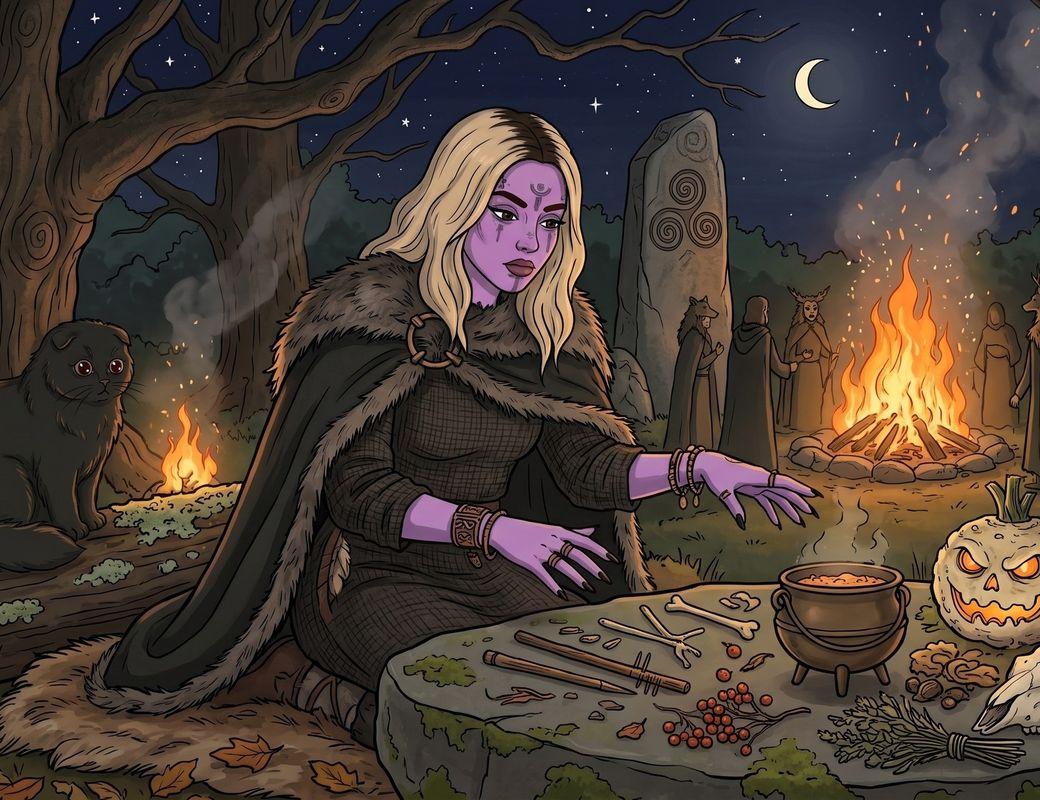
Across the northern lands, Celtic and Gaelic peoples treated the Solstice as a sacred threshold between worlds. In Ireland, the ancient passage tomb of Newgrange was built so the sunrise on the Solstice would illuminate its inner chamber with golden light. This brilliant beam filled the spiral-lined stone hall like a divine spark, linking the living to ancestors and the human world to the Otherworld. Celtic people embraced the Solstice as a time when the sun god returned, reborn from the womb of the goddess, and the land slowly stirred from winter’s stillness. It was a moment of magic, prophecy, and protection, a reminder that nature’s soul remained alive even in the coldest months.
In the far north, the Norse honored Yule, a season filled with firelight, feasting, and deep spiritual meaning. Great logs were burned for many days to push back the long nights, each spark believed to carry prayers to the heavens. Families carved runes into the logs for luck and protection. Odin himself was said to ride across the winter sky with the spirits of the dead in the wild, swirling hunt. People set out offerings for him and for their ancestors, believing that the veil between worlds thinned during this sacred time. Evergreens were brought indoors as symbols of endurance, life, and good fortune. The Norse believed that each returning minute of daylight was a promise from the gods that the world would awaken again.
Across North America, Indigenous peoples also observed the Solstice with deep reverence. The Hopi honored Soyal, a ceremony that called the protective Kachina spirits back to the villages. Dancers performed sacred rites, prayers were offered for harmony, and the community gathered in kivas to welcome the new cycle of the sun. The Pueblo peoples used Solstice alignments in their architecture to track the agricultural year, while farther south, the Inca held grand ceremonies for Inti, the Sun God, believing that the Solstice marked his moment of renewal. The Inca emperor would stand atop temples such as Qorikancha in Cusco, waiting for the first ray of sunlight as if greeting the return of life itself.
In China, the Solstice takes the form of Dongzhi, a celebration rooted in ancient philosophy. It represents the moment when yin energy, the dark and receptive force, reaches its deepest point before giving way to the rising yang. Families gather to eat warm, nourishing foods such as tangyuan to strengthen the body and fortify the spirit. The day symbolizes balance, health, vitality, and the quiet strength that emerges from enduring and transcending the darkest moment of the year.
Even in the southern hemisphere, where the Solstice occurs in June rather than December, Indigenous cultures such as Australian Aboriginal peoples recognized its significance. Stone formations like Wurdi Youang show an extraordinary understanding of solar patterns, with the sun setting across specific markers during the midwinter period. The Solstice played a key role in storytelling, initiation rites, and seasonal planning. As in the northern hemisphere, it served as a reminder that all creation moves in cycles of decline and renewal.
For ancient peoples everywhere, the Solstice mattered because their lives were completely intertwined with nature. They depended on the land, the weather, and the change of seasons in ways that modern society often forgets. The moment when the sun reached its lowest point was frightening, humbling, and sacred. Darkness represented vulnerability, uncertainty, and scarcity. The return of the sun was a miracle they could measure with careful observation. It confirmed that the world remained in balance. It proved that the cosmic order held steady. And it reassured them that life would flourish again.
Astronomically, we now understand that the Winter Solstice occurs when the northern hemisphere tilts farthest from the sun, creating the longest night. From that moment forward, the arc of the sun rises slightly higher each day. The Earth continues its ancient orbit, and humans stand exactly where their ancestors once stood, watching light slowly reclaim the sky. Even with advanced technology, the Solstice carries the same emotional resonance because the shift in daylight is something every person can feel deep within themselves.
In modern times, the Winter Solstice still holds powerful meaning. Astronomers honor it as a precise turning point in the seasonal wheel. Spiritual practitioners, pagans, witches, and energy workers embrace it as a moment of rebirth, introspection, and renewal. Many observe it as the quiet birth of the sun, a symbol of returning hope after a period of personal or collective darkness. Others use this night for candle ceremonies, meditative reflection, ancestral offerings, or intention setting.
Even for those who follow no spiritual path, the Solstice offers a message of universal relevance. It invites stillness. It teaches that rest and darkness are natural phases of life and that recovery begins in silence and shadow. It reminds us that transformation takes time and grows gradually, like the slow lengthening of daylight after the longest night.
The Winter Solstice matters because it unites humanity across cultures and centuries. It speaks to a shared human experience rooted in the oldest rhythms of the Earth. It reminds us that light can fade but never disappears. It always finds its way back. And each year, as the longest night surrenders to the dawn, the world is reborn once more.
Winter Solstice Ritual for Renewal and Returning Light
This simple ritual is designed to help you connect with the energy of the Solstice, honor the return of the sun, and welcome new beginnings. It can be done alone or with loved ones, indoors or outdoors.
You will need:
A candle, preferably white or gold
A small bowl of water
A few cleansing herbs or incense such as sage, cedar, rosemary, or frankincense
A slip of paper and a pen
Step One: Prepare Your Space
Find a quiet place where you will not be disturbed. Dim the lights and take a few slow breaths. If you like, light your incense or herbs and gently waft the smoke around yourself. Imagine the smoke clearing away the old energy of the year and creating a sacred, calm space around you.
Step Two: Light the Candle
Place the candle before you and light it. As the flame rises, visualize this small spark as the return of the sun after the longest night. Let yourself feel its warmth and quiet strength. Whisper softly, I welcome the returning light.
Step Three: Release the Old
Take the slip of paper and write down one thing you want to release from the past year. It may be a habit, a fear, a pattern, or a situation that has weighed on you. Hold the paper over the bowl of water and say, I release what no longer serves my highest good. Place the paper in the bowl to symbolically dissolve its hold on you.
Step Four: Set Your Solstice Intention
Now place your hand near the candle flame, not to touch it but to feel its warmth. Close your eyes and think of what you wish to invite into your life as the light grows again. This may be clarity, healing, courage, inspiration, or abundance. See this intention glowing within the flame and then settling gently into your heart.
Step Five: Seal the Moment
Dip your fingers lightly into the water and touch your forehead or your heart. Say quietly, As the light returns to the world, so light returns to me. Then blow out the candle to release your intention into the universe.
Winter Solstice Affirmation
“As the longest night gives way to dawn, I welcome the returning light.
Darkness has taught me, rest has strengthened me, and now I rise renewed.
I honor the cycle of release and rebirth, and I move forward with clarity, hope, and courage.”
Responses (1)