The History of Samhain
From Ancient Celtic Tradition to Modern Celebration
Article · 7 min read · ·
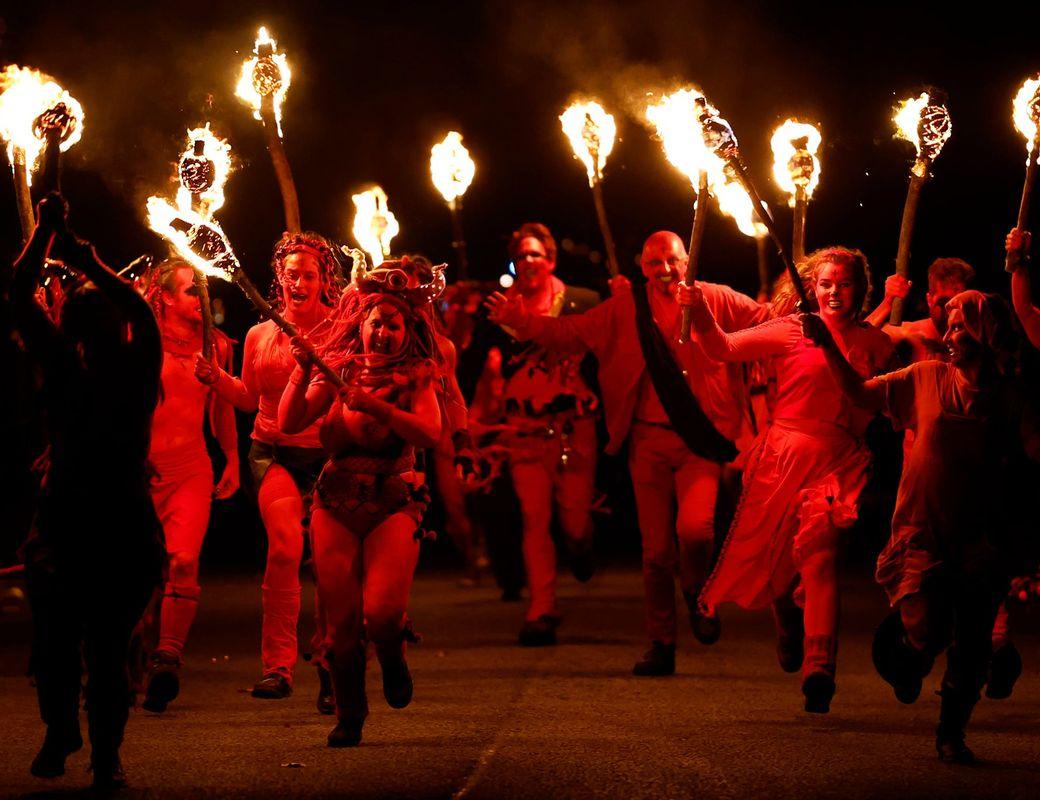
As autumn deepens and the final harvest is brought in, the ancient Celtic festival of Samhain (pronounced “sow-in”) emerges as one of the most powerful and mystical times of the year. Rooted in rich history and layered with myth, Samhain marks the threshold between light and dark, life and death, and old year and new. It is both an ending and a beginning, a liminal space where the veil between worlds thins and magic runs deep. Though it is most often associated today with Halloween, its origins stretch back thousands of years, carrying traditions that continue to echo through modern celebrations.
The Ancient Roots of Samhain
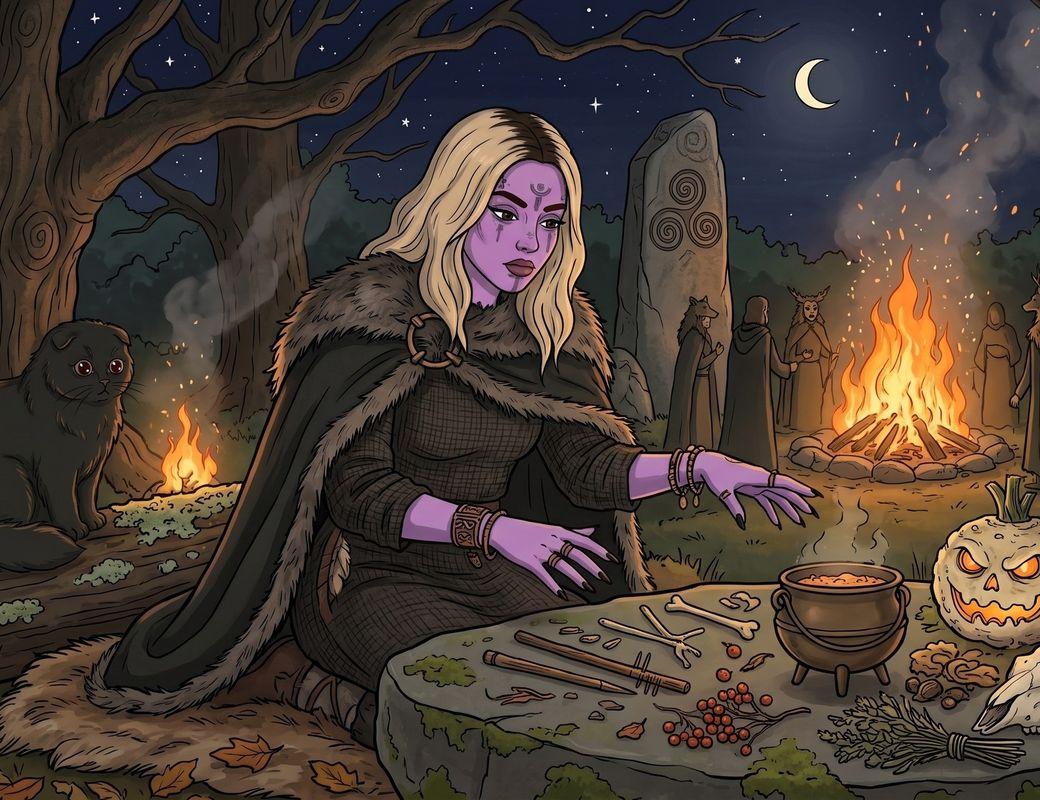
Samhain was one of the four great fire festivals of the Celts, alongside Imbolc, Beltane, and Lughnasadh. It was held at the halfway point between the autumn equinox and the winter solstice, around October 31. For the ancient Celts, who lived by the cycles of nature, this was the turning of the year—the end of the harvest season and the beginning of the long, cold winter.
Livelihoods depended on the rhythms of the earth, and Samhain was not just about celebration but survival. Herds were culled so that only the strongest livestock would be kept through the winter, and cattle were driven between great bonfires in a sacred act of purification and protection. Passing animals through the smoke was believed to cleanse them of disease and secure blessings from the gods. Families carried home embers from these fires to rekindle their hearths, binding their households to the power of the sacred flame.
Samhain was also a festival of feasting. Tables were laden with the bounty of the last harvest—root vegetables, grains, apples, nuts, meats from freshly slaughtered animals, and hearty breads. Honey cakes and oatcakes were common, and portions were often set aside as offerings to the spirits. Mead, ale, and milk were poured onto the earth to honor the ancestors and appease the Otherworldly beings that walked freely on this night.
These offerings were vital. The Celts believed that failing to show hospitality to the dead or to the unseen folk could invite misfortune. Food was placed at doorways and on windowsills to welcome ancestral spirits and ward off malevolent ones. Bonfires served as beacons to guide the souls of the departed home, reinforcing the deep connection between the living and the dead.
This night was also considered one of the most powerful times for divination. With the veil between worlds at its thinnest, the future could be glimpsed more clearly. Apples, nuts, and mirrors were often used in rituals to foretell love, fertility, or prosperity in the year ahead. Young people might peer into darkened wells or scry in bowls of water, seeking visions of their destiny. Samhain became synonymous with prophecy, making it both a night of remembrance and revelation.
Mythology, Spirits, and the Wild Hunt
In Celtic mythology, Samhain carried immense weight. It was the night when the Aos Sí—the fair folk or spirits of the Otherworld—were most active. These beings, often seen as both powerful and unpredictable, could bless those who honored them or curse those who offended them. To walk carelessly on Samhain night was dangerous, for the veil between worlds was thin, and mortals might stumble into fairy mounds or find themselves taken into the court of the sidhe.
This belief gave rise to tales of the Wild Hunt, a spectral procession of spirits, faeries, and sometimes gods themselves, riding across the dark skies of Samhain night. To encounter the Wild Hunt was considered perilous, a sign that death or misfortune was near. Yet, those who treated the riders with respect—offering bread, milk, or ale at the crossroads—might be spared or even blessed with prophetic dreams.
Because of these powerful forces at play, people disguised themselves on Samhain. Masks and costumes were worn not for revelry but as a form of spiritual camouflage. By donning animal skins or grotesque disguises, individuals hoped to blend in with the spirits roaming the night, confusing any malevolent entity that might wish them harm. This ancient practice of disguise would eventually evolve into the costumes of modern Halloween.
Samhain was also tied to deities associated with death, prophecy, and transformation. The Morrígan, the goddess of battle and fate, was believed to roam during this time, foretelling death and change. Cailleach, the divine hag or crone of winter, also rose in power at Samhain, ushering in the cold season with her wisdom and severity. The dying sun god, sometimes linked to Lugh, was thought to pass into the underworld, while the goddess in her Crone aspect reigned until the rebirth of light at Yule. Together, these figures underscored the themes of death, endings, and the promise of renewal that define the festival.
Preparing the Home for Samhain
The ancient Celts also prepared their homes with ritual care for the season of darkness that followed Samhain. Hearth fires were deliberately extinguished on the eve of the festival, plunging the household into symbolic darkness before being rekindled from the sacred communal flame. This act represented both cleansing and renewal—a fresh start as the year turned.
Thresholds of homes were often protected with charms or offerings. Rowan branches, salt, or carved turnip lanterns might be placed at doors and windows to keep out restless spirits and wandering fae. These lanterns, carved with eerie faces, were meant to frighten away malevolent beings and light the way for souls returning to their kin. When Celtic traditions traveled to the New World, the humble turnip was replaced by the pumpkin, a native crop that was larger, easier to carve, and far more plentiful. Thus, the carved turnip of ancient Samhain transformed into the glowing jack-o’-lanterns that are now central to Halloween.
Food storage was carefully checked, as the months ahead were harsh, and every grain and root vegetable was vital for survival. Families also gathered indoors to tell stories—tales of heroes, gods, and ancestors—keeping memory and tradition alive through the long nights.
Survival Through Time
As Christianity spread through Celtic lands, the Church rebranded Samhain into All Saints’ Day on November 1 and All Souls’ Day on November 2, hoping to shift attention away from the pagan rites. Some ancient customs, like carved lanterns and wearing disguises, survived as cultural traditions.
Soul cakes became a central practice during this time. These small breads or pastries were given to children and the poor who went door to door, singing or praying for the souls of the departed. In return for the soul cakes, families believed that the prayers would help their loved ones in the afterlife. This practice eventually evolved into modern trick-or-treating, where children go house to house receiving sweets.
Another ancient custom that endured was apple-bobbing. Originally, this was a form of divination: apples were believed to carry messages about love, fertility, and the future. Young people would peer into bowls of water and try to catch an apple with their teeth to predict the outcome of the coming year. Over time, this divinatory practice evolved into a playful party game, preserving the symbolic connection to the harvest and the mystical aspects of Samhain while becoming part of secular Halloween fun.
Samhain Today
In the modern world, Samhain lives on in two distinct but interconnected ways. On one hand, it has evolved into the Halloween we know today—commercial, playful, and focused on costumes, candy, and revelry. Yet, beneath that surface, Samhain retains its sacred place in spiritual and neo-pagan traditions.
For many practicing pagans, Wiccans, and modern druids, Samhain is the most important of the eight sabbats in the Wheel of the Year. It is celebrated as the spiritual new year, a time of honoring ancestors, reflecting on the past cycle, and setting intentions for the one ahead. Rituals often include ancestor altars decorated with photos, candles, and offerings of food and drink. Some practitioners hold a “dumb supper,” a silent meal where a place is set for departed loved ones, inviting their presence in quiet reverence.
Divination remains a strong theme. Tarot readings, scrying, and other methods are used to connect with spiritual insight. Seasonal foods like apples, pumpkins, and hearty grains continue to be incorporated into feasts. Many also embrace the energy of release during Samhain—letting go of habits, griefs, or attachments that no longer serve as they step into a new cycle.
A Festival Between Worlds
Samhain is more than a festival—it is a reminder of our connection to the cycles of life, death, and rebirth. It honors the balance between light and shadow, the importance of remembering those who came before, and the need to prepare for the future. Whether celebrated through quiet ritual, lively gatherings, or even the secular fun of Halloween, Samhain continues to weave its ancient magic into the present day.
As the fires of Samhain once illuminated the dark hills of Celtic lands, so too does the spirit of this festival continue to light the way—through memory, mystery, and the timeless dance between worlds.