The Day the Sun Took a Breath
A story about balance, decay, and the strange way the world exhales when no one’s listening.
Article · 5 min read · ·
It always starts with the light. Not the kind you notice directly, but the subtle shift of it, the way it falls through the window a little lower, a little softer, like the sun itself has grown tired of pretending. The mornings arrive slower, the evenings settle in earlier, and everything in between feels stretched thin, like the Earth is quietly holding her breath. And then, without warning, the balance tips. The Fall Equinox. The day when day and night stand on equal ground for the briefest of moments before darkness starts to take the lead.
I never used to notice it, not really. I thought “equinox” was just one of those words people threw around to sound mystical while holding a pumpkin spice latte and wearing a scarf the size of a duvet. But the more I paid attention, the more I realized this day has always had weight, an invisible gravity that pulls something ancient out of you. It’s the exact moment the world exhales, the turning point where everything begins to die gracefully, with ceremony.
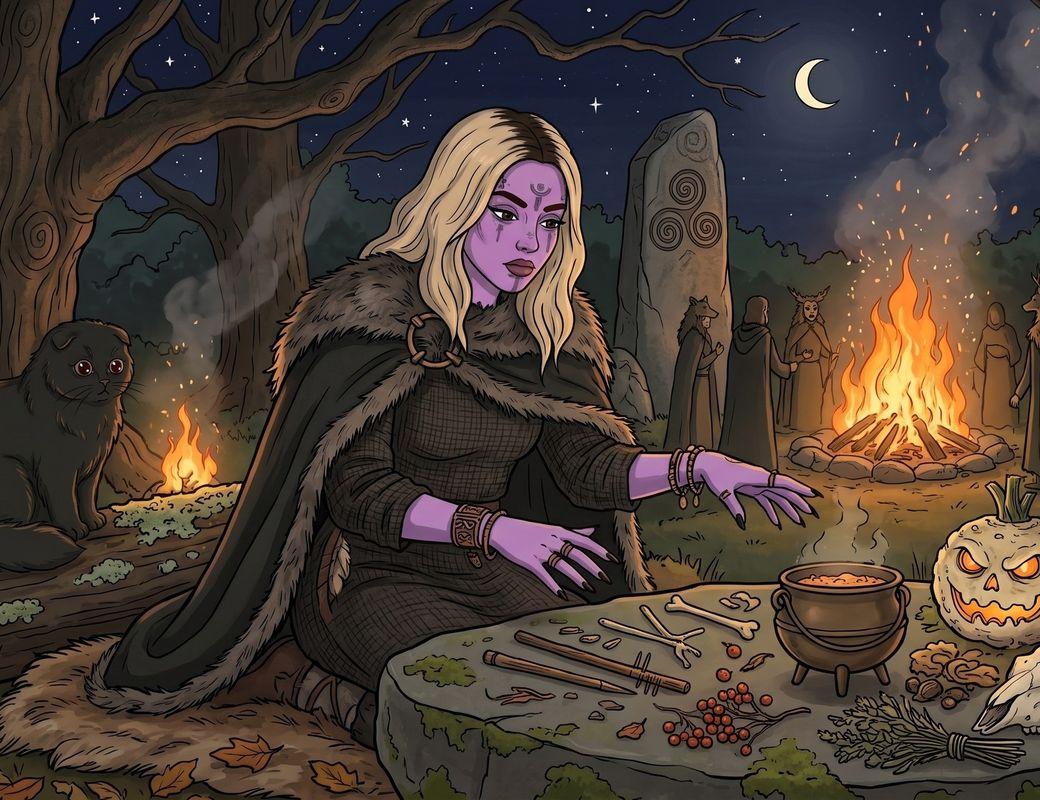
Long before we turned it into a line on a calendar, people felt this shift deep in their bones. The Celts, for instance, called it Mabon. To them, it was a sacred balancing act…halfway between the light of summer and the cold teeth of winter. They gathered around fires, offered thanks for the harvest, and drank enough mead to forget how much firewood they still needed to chop. But beneath the laughter was reverence. They knew this wasn’t just about crops…it was about survival, about the heartbeat of the land. Everything they grew, everything they built, depended on this balance between what lives and what dies.
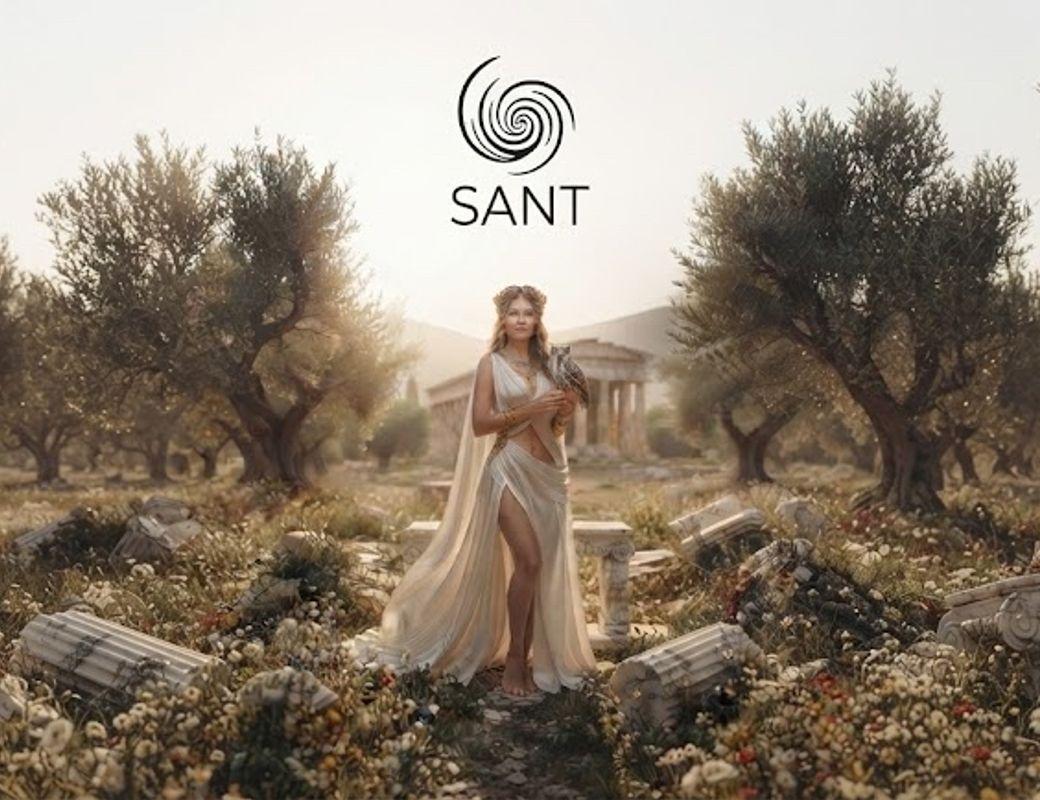
Meanwhile, the Greeks were busy turning the same story into tragedy, because of course they were. Persephone, the daughter of spring, was packing her bags for her seasonal descent into the Underworld. Her mother, Demeter, goddess of the harvest, spiraled into grief so deep that even the Earth went barren. The myth said that as long as Persephone was gone, nothing could grow, no flowers, no crops, no hope. Humanity, forever at the mercy of divine family drama. But beneath that story was something raw and universal: every living thing must learn to let go.
The Egyptians didn’t cry about it, they measured it. The equinox was geometry to them, a cosmic equation of balance. They built temples so precise that, on this exact day, sunlight pierced the inner sanctums perfectly, illuminating statues in golden brilliance. It wasn’t just art, it was devotion disguised as mathematics. They believed this alignment between light and stone kept the order of the world intact. Because to them, chaos was always one miscalculated sunrise away.
Different lands, same truth. The Fall Equinox wasn’t just a season… it was a reckoning. A mirror held up to life itself, whispering that all things must fade, and that maybe, that’s okay.
But we modern folk… oh, we’ve forgotten the language of the Earth. We celebrate balance with overpriced candles and Instagram captions. We act like we’ve evolved beyond ritual, yet when the nights start growing longer, we still feel that instinctive ache to withdraw. We clean our homes, cook slow meals, and think too much. We purge closets and relationships, convincing ourselves it’s “self-care,” when really, it’s just a modern echo of the ancient harvest, gathering what nourishes us and burning what doesn’t.
Because even if you don’t believe in gods or cosmic cycles, your body does. Your blood still remembers. Every year around this time, something inside you starts to turn inward. You think about who you’ve become, what you’ve built, what you’ve lost. You start to crave quiet, the kind that hums, heavy and alive, like the world holding its breath.
And maybe that’s the point of it all. The Equinox isn’t about perfection or harmony, it’s about surrender. About understanding that everything, every leaf, every heartbeat, every fleeting moment of light is part of a rhythm far older than any of us. The trees don’t resist their shedding. The fields don’t mourn their emptiness. The sun doesn’t fight the dark. They all understand the same truth: what dies now makes way for what will be reborn.
So when the day comes, I walk outside just before dusk, when the world feels like it’s made of amber glass. The air smells of earth and woodsmoke. The wind moves differently like it’s carrying messages between worlds. And for a moment, I understand why our ancestors lit fires, sang songs, and watched the horizon like it was a living god. Because it is. The whole planet is taking a breath, shifting her weight, preparing for sleep.
And standing there, I feel something ancient move through me. A pulse that hums beneath the noise of daily life. The kind that makes you want to thank the sky for showing up, even as it grows dimmer. You start to see the beauty in the dying, the leaves turning gold before they fall, the twilight stretching longer each night, the world slowing down so you can finally hear yourself think.
That’s the real magic of the Equinox. It’s not in the rituals or the stories, it’s in the reminder that balance isn’t something we achieve. It’s something we return to, again and again, through the endless cycle of becoming and unbecoming.
And as the last light fades, I take a deep breath with the Earth. Day and night are equals, just for this one sacred moment. The world exhales. And so do I.