Summer Solstice
how to embrace the longest day
Article · 5 min read · ·
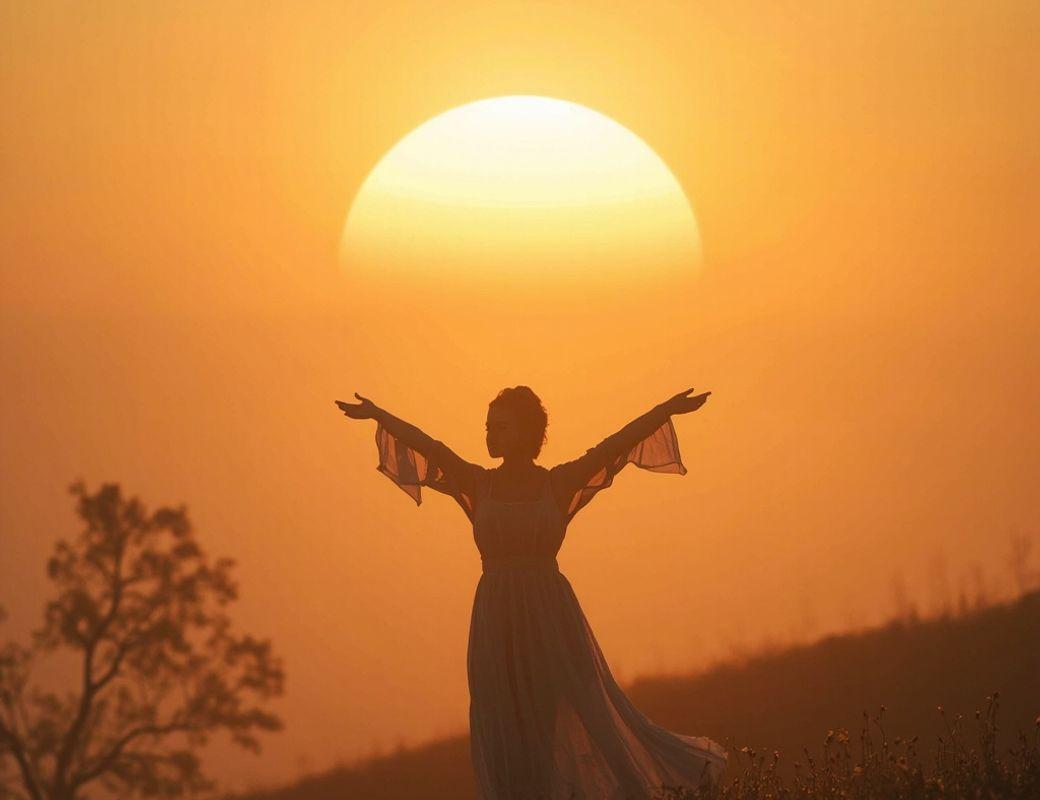
Each year at the end of June, a miracle occurs that our ancestors considered a point of power, a portal between worlds. On June 21, 2026 at 8:32 UTC, the summer solstice arrives. Day reaches its maximum length, night its minimum. From this moment, light begins to gradually yield to darkness, and the Sun, having reached its peak, turns toward winter.
In Celtic tradition, this day is called Litha—one of the four major festivals of the Wheel of the Year, celebrating the peak of light, power, and abundance. Among the Slavs—Ivan Kupala, which is actually celebrated a bit later but has its roots in the same solar cults. Different cultures called it different things, but the essence is the same: we meet the peak of light in order to witness its rebirth half a year later.
The summer solstice is not just a calendar date. It's a moment when nature's energy reaches its peak. And when we can consciously experience this peak—not by burning out, but by filling up.
☀️What the Summer Solstice Brings
The solstice is a point of transition. Different cultures described its meaning through various images:
-
Peak of power. This is the moment when the Sun—a symbol of life and energy—is at the highest point of its path. It's believed that wishes made on this day possess special power.
-
Boundary between worlds. Just as on the winter solstice, the boundaries become thinner, and one can receive answers from nature, spirits, and ancestors.
-
Time of gratitude. This is a day to give thanks for everything that has already grown and ripened, and to ask for continued abundance.
In pagan times (among both Celts and Slavs), people lit bonfires on this day, jumped over fire, bathed in rivers, and gathered herbs. Fire symbolized the Sun itself, while water represented cleansing and fertility.
🔥 How Our Ancestors Celebrated Litha (And What We Can Take From It)
Litha was one of the most important festivals of the Wheel of the Year. On the eve of the solstice, huge bonfires were lit—their flames symbolized the Sun itself in its full power.
What people did:
-
Jumped over the bonfire to cleanse themselves and attract good luck. Those who dared the highest leap were considered especially blessed.
-
Danced in circles around the bonfire and sang songs—this way people "helped" the Sun not to fade.
-
Young women floated wreaths woven from wildflowers and herbs down the water and divined their fate from them. If the wreath sank—misfortune; if it washed ashore—a peaceful life; if it floated far away—a distant journey.
-
Gathered healing herbs—it was believed that on Litha night they possessed special power. Particularly revered were St. John's wort, thistle, and fern (according to legend, it blooms only on this night and points to buried treasure).
-
Left offerings for nature spirits and ancestors: bread, milk, honey on stones or by water.
What we can take from this today:
-
Light a candle and symbolically pass through fire (jump over a small candle or simply imagine the flame cleansing you).
-
Weave a wreath from wildflowers—for yourself, for your home, as a gift.
-
Gather a few herbs (on the balcony, in the park, at the dacha) and dry them—as a protective charm for the year.
-
Go to water (river, lake, even a fountain) and make a wish while looking at the sun's reflection.
🌿What We Can Do Today
You don't need to build a huge bonfire (though if you have the opportunity—why not?). You can take the most important thing from ancient traditions: meet the peak of light consciously and with gratitude.
1. Greet the Dawn
Step out onto the balcony, into the yard, or simply go to the window. Look at the sun rising above the horizon. Be still for a few minutes. Say silently: "I greet the light. I accept my power. I am grateful for this day."
2. Create a "Solar Altar"
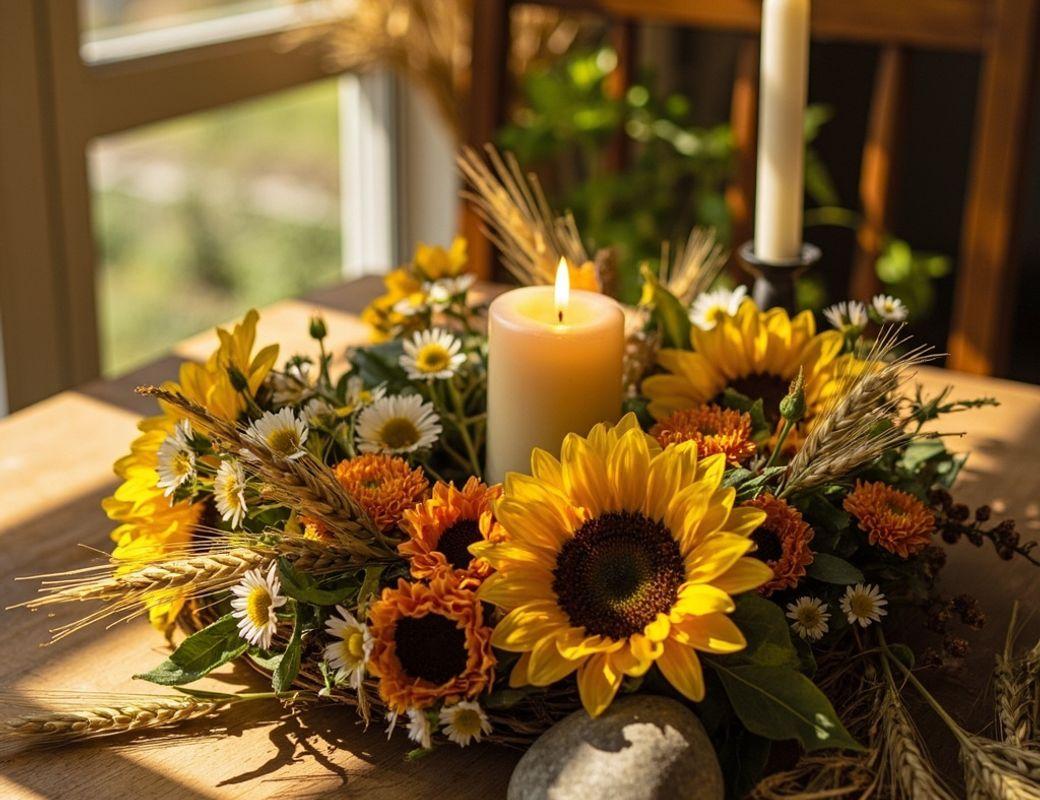
Place on the windowsill or on a table several objects symbolizing the sun and summer:
-
Yellow or orange flowers.
-
A candle.
-
A few stalks of wheat or dried herbs.
-
A stone warmed by the sun.
-
A photograph that reminds you of happiness.
Light the candle and dedicate a few minutes to silence, gazing at the flame.
3. The "Abundance List" Practice
The summer solstice is a time of gratitude for what already exists. Write a list of 10–20 things you're grateful to life for right now. Not just big things (health, family), but also small ones: "for this morning's cup of coffee," "for a stranger's smile," "for the ability to read."
4. The "Releasing the Old" Ritual
The solstice is not only a peak but also a turning point. After it, the days grow shorter. This is a good time to let go of what's no longer needed.
Write on small pieces of paper what you want to release: fears, habits, resentments, old patterns. Tie them with a ribbon to a tree branch (in the garden, in the park) or simply burn them over a candle (being careful). Say: "I release it. Space is cleared for the new."
📝 Questions for Self-Reflection
The solstice is an ideal time to ask yourself several important questions. Don't rush the answers. Simply write them down and return to them throughout the day.
-
What in my life is currently at its "peak"? What has reached its maximum point?
-
What am I grateful for from this period?
-
What do I want to "carry forward" into the second half of the year?
-
What is it time to let go of?
Answers may not come immediately. But the very process of asking the questions is already part of the ritual.
🌞 In Closing
The summer solstice is not a command to "be cheerful and active." It's permission to feel the fullness of life, even if there's still sadness or fatigue inside. Light doesn't demand that we be perfect. It simply is.
Greet this day however you feel: alone or with loved ones, with a bonfire or with a single candle, with a wreath on your head or simply with a cup of tea on the balcony. The main thing is to notice that the day is truly very long. And that there's a certain magic in that.
- P.S. If you decide to do any of these rituals—share in the comments which one you chose. Sometimes a small action performed on a day of power can change an entire year. 🌻