𝓛𝓮𝓷𝓽 🍷
𝚃𝚑𝚎 𝚒𝚗𝚗𝚎𝚛 𝚓𝚘𝚞𝚛𝚗𝚎𝚢
Article · 2 min read · ·
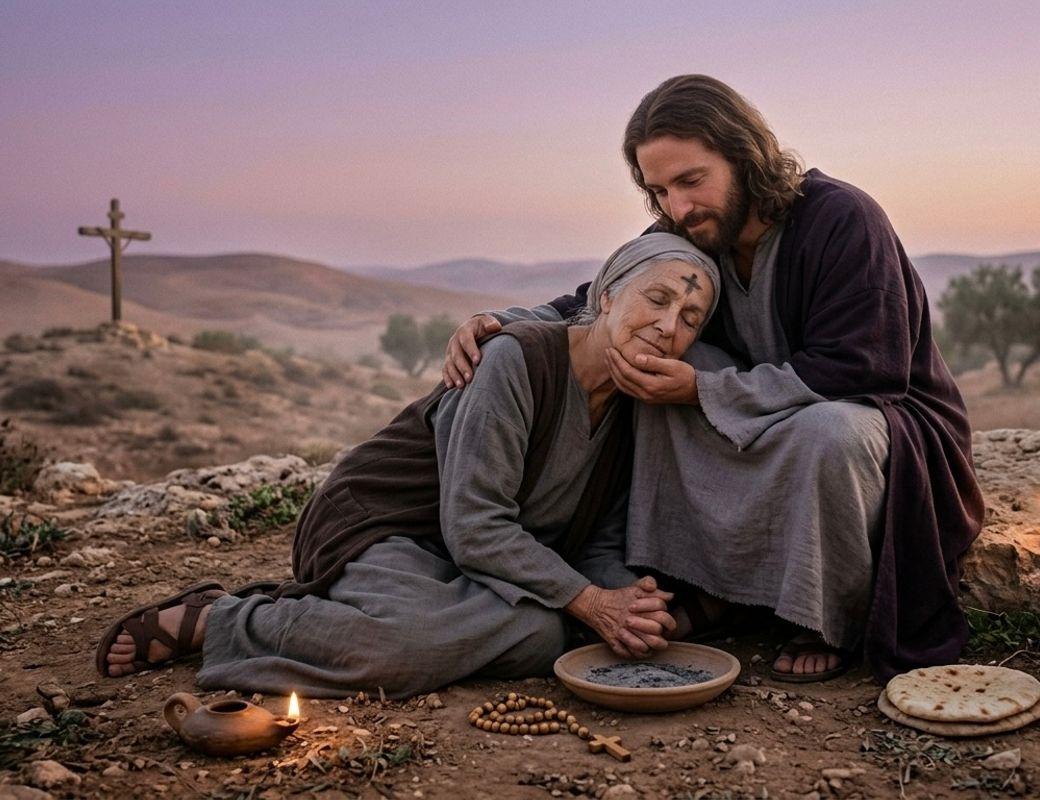
Lent is one of the most symbolic periods in the Western spiritual calendar. Far beyond a religious tradition, it represents a time of withdrawal, purification, and inner transformation. Its origin is rooted in Christianity, particularly the traditions of the Catholic Church, the Orthodox Church, and various Protestant denominations, which observe forty days of preparation before Easter, celebrating the resurrection of Jesus Christ.
The number forty is not random. It appears repeatedly in biblical texts as a symbol of crossing and trial. There were forty days of the flood, forty years of wandering in the desert, and forty days that Jesus spent in retreat before beginning his public ministry. In spiritual language, forty represents the time needed for profound transformation to occur. It is not merely chronological counting; it is a cycle of soul maturation.
Lent begins on Ash Wednesday and extends until Holy Week. Traditionally, it is marked by practices such as fasting, prayer, and charity. However, fasting is not limited to food abstinence. It symbolizes the emptying of excess: reducing noise, impulses, emotional addictions, and distractions that pull consciousness away from itself. Silence becomes a tool. Renunciation, an exercise in self-control. Charity, a gesture of heart expansion.
Although deeply rooted in Christianity, the essence of Lent dialogues with spiritual practices from other traditions. Judaism has Yom Kippur, a day of atonement and repentance. Islam celebrates Ramadan, a period of fasting and spiritual discipline. In Hinduism and Buddhism, retreats and periods of austerity are also part of the purification path. Across different cultures, humanity recognizes the need for cycles of withdrawal to restore inner balance.
In the spiritual realm, Lent represents an inner journey. It is the symbolic desert where we confront our shadows, acknowledge vulnerabilities, and refine intentions. It is not about guilt, but about awareness. Not about punishment, but about alignment. The suffering of Christ, contemplated during this period, is not merely a historical event; it is the archetype of the ego's death for the rebirth of essence.
There is a spiritual pedagogy in Lent. First comes emptying. Then, introspection. Finally, renewal. Easter cannot be lived deeply without the preceding journey. Light is only fully perceived after one accepts walking through their own night.
Today, even people who do not follow a specific religion find in Lent a symbolic invitation: to slow down, review choices, break harmful patterns, cultivate discipline, and strengthen faith—whether in God, in life, or in the very process of evolution.
Lent reminds us that every resurrection requires prior surrender. Every transformation asks for silence. Every rebirth is born from an intimate decision to change.
Deep down, the question this period whispers is simple yet profound:
what in me needs to die so that something truer can be born?
And perhaps that is exactly why, crossing centuries and cultures, Lent continues to touch so many souls. Because it does not speak only of religion. It speaks of metamorphosis.
Light on your path ☀︎︎
𝐵𝓎
𝒮𝒶𝓃𝓉 𖦹
Responses (6)