Holy Week
seven days that change everything
Article · 8 min read · ·
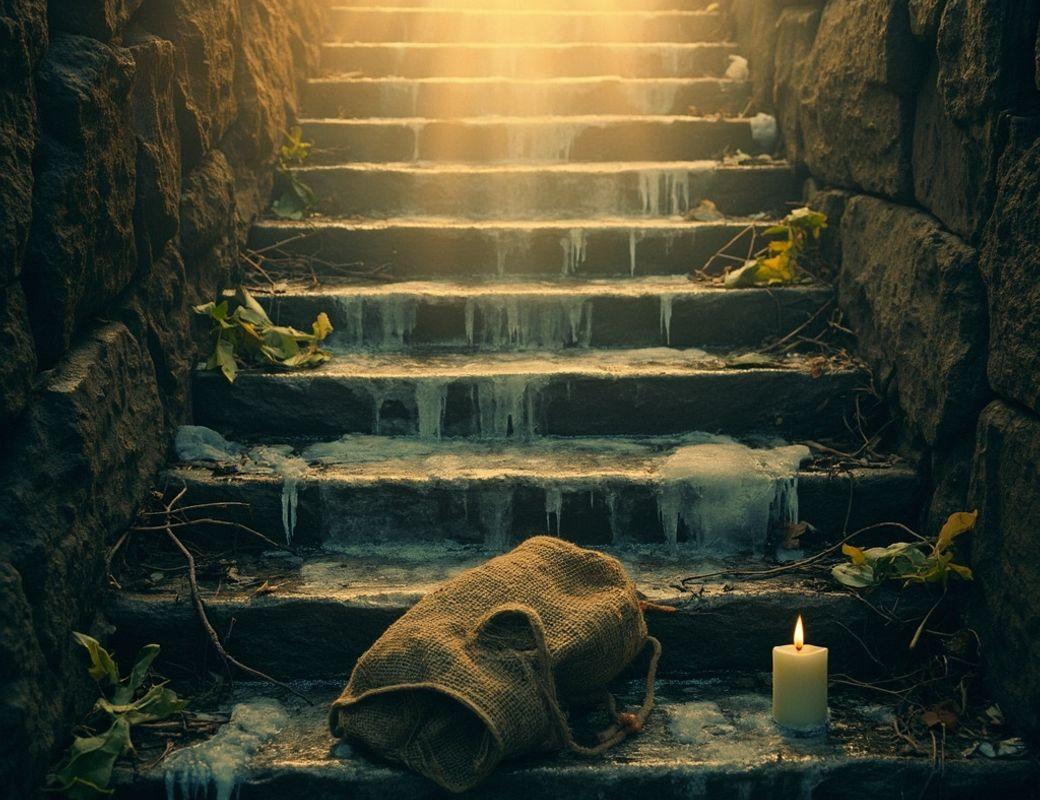
There are seven days each year when time moves differently. When every evening, every dawn carries echoes of events that happened two thousand years ago, yet somehow stir something deep within us as if they happened yesterday. April 6-11, 2026 is Holy Week. The final week before Easter. The quietest, the deepest, the most paradoxical.
For some, it's a time of solemn church services and fasting. For others, just another stretch on the calendar before the long weekend. But if you look closely, if you allow yourself to slow down, you'll see: Holy Week isn't only about religion. It's a universal map of the human soul that passes through betrayal, loneliness, death—and emerges into resurrection.
Today we'll talk about what actually happens during these days. Not just in terms of tradition, but in terms of how these ancient stories can help us live through our own trials—and emerge from them renewed.
🕯️What is Holy Week — the essentials
The word "Passion" in the name of this week doesn't mean "strong emotion," but rather "suffering". Holy Week is the time when Christians remember the final days of Jesus Christ's earthly life: his betrayal, trial, crucifixion, death, and burial.
In 2026, Holy Week will run from April 6 through 11. These are six days—Monday through Saturday—each with its own name, its own meaning, and its own special atmosphere. It culminates on Sunday, April 12, with the greatest feast—Easter, the Resurrection of Christ.
In folk tradition, these days were called by various names: Red Week, Pure Week, Terrible Week. And in each name there are echoes of what our ancestors experienced as they prepared to meet the greatest celebration.
🌿 Seven days worth living consciously
Each day of Holy Week is like a step leading inward. You don't have to go to church to feel this. You can simply know what's happening during these days, and allow that knowledge to change something within.
Holy Monday (April 6) - the beginning of the journey
On this day the Church remembers Old Testament Joseph, sold into slavery by his brothers—as a foreshadowing of the suffering Christ. In folk tradition, the great cleaning began on Monday: washing windows, doors, benches, whitewashing stoves.
A practice for this day: Begin clearing the space around you. It doesn't have to be a deep clean—it's enough to organize one shelf, one drawer. Let it be symbolic: you're preparing to let something new in.
Holy Tuesday (April 7) - the day of Annunciation
April 7 is a special day, even when it falls during Holy Week. It's the Annunciation of the Most Holy Theotokos. On this day the Archangel Gabriel brought the Virgin Mary the news that she would bear the Savior. Joyful news—amid sorrowful days.
Folk tradition continued preparations for the feast, tending to household matters. And in churches on this day there's a relaxation of the fast: fish is permitted.
A practice for this day: Hear your own "good news." What is life whispering to you today? Where does joy lie, even if everything around feels somber?
Holy Wednesday (April 8) - day of betrayal and choice
On this day we remember two events: the sinful woman who anointed Christ's feet with myrrh and thereby prepared him for burial, and Judas, who went to the chief priests and offered to betray his Teacher for thirty pieces of silver. On Wednesday the prayer of St. Ephrem the Syrian with prostrations is read for the last time during the fast.
In folk tradition, on Wednesday it was customary to pour snow-melt water over livestock to protect them from disease.
A practice for this day: Honestly ask yourself: where in my life is betrayal happening today? Who or what am I selling for small change—my principles, my time, my true desires?
Holy Thursday (April 9) - Clean Thursday
The best-known day of Holy Week. In folk tradition it's called Clean Thursday. By custom, people rose before sunrise, bathed (so that illness wouldn't trouble them all year), finished cleaning the house, dyed eggs, and began baking Easter bread.
In church we remember the Last Supper—Christ's final meal with his disciples, at which the sacrament of communion was established—and the washing of feet, which showed an example of humility.
A practice for this day: if possible, bathe before dawn. Or simply take a shower with the thought: "I'm washing away everything old, everything outlived, everything that prevents me from being myself." And start preparing something festive—even if you don't bake Easter bread, you can simply buy something beautiful for the table.
Good Friday (April 10) - the quietest day
The most sorrowful and solemn day of the church year. On Friday Christ was crucified and died on the cross. No Liturgy is celebrated as a sign of deep mourning. At midday there's the service of the Epitaphios—a cloth symbolizing the body of the Savior taken down from the cross.
In folk tradition on Friday people tried not to do any housework, not to labor, so that nothing would distract from prayer and reflection. Believers observe the strictest fast, and many eat nothing at all until the Epitaphios service.
A practice for this day: become still. Be in silence. If possible, don't use social media, don't play music, don't distract yourself. Just be with yourself and with what's inside. This is a day when you can meet your deepest pain—and simply sit with it.
Holy Saturday (April 11) - silence before dawn
The day when Christ's body already lies in the tomb, but the miracle of resurrection has not yet occurred. A time of painful anticipation. In churches the morning Liturgy is served, after which the blessing of Easter food begins: Easter bread, eggs, paskha.
In folk tradition on Saturday people finished the final preparations for the feast. In the evening believers gathered in churches for the all-night Easter vigil.
A practice for this day: gather your "basket" of intentions. Not of food, but of what you want to carry into the new cycle. Write down three words—three states, three qualities you're taking with you into your personal Easter.
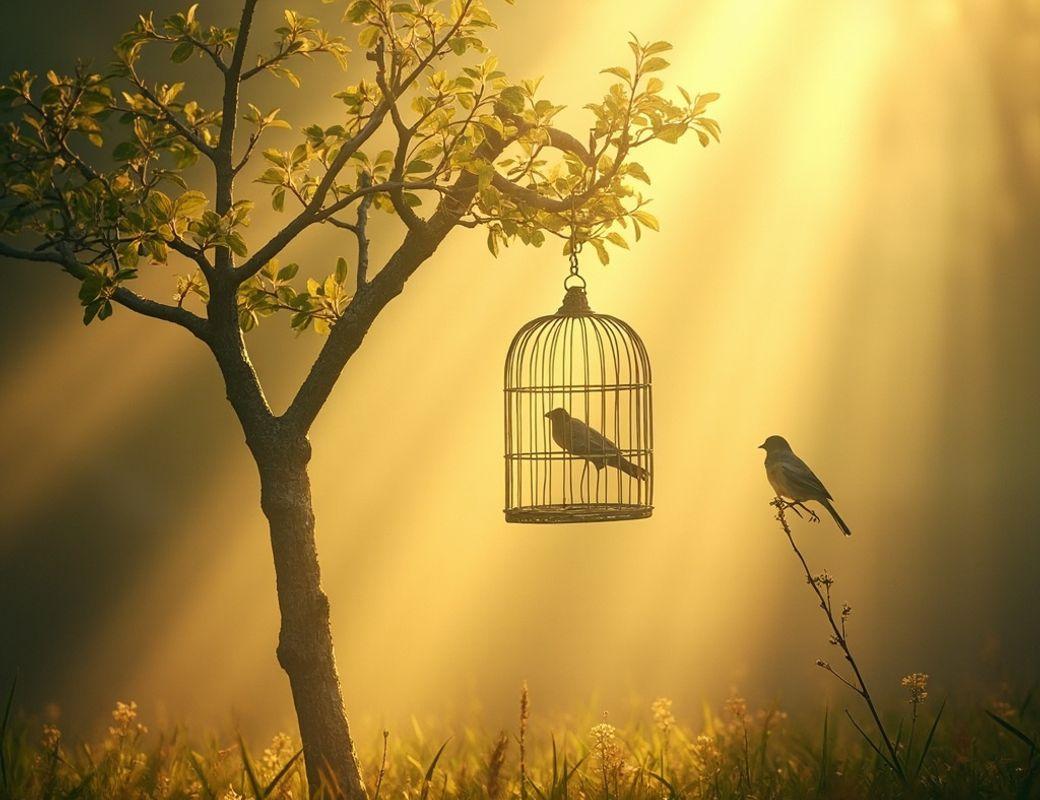
🌸 Holy Week and our souls — parallels that heal
If you look at Holy Week not only as a religious ritual, but as a universal story, you can see amazing parallels with our inner lives.
-
Betrayal (Wednesday) is about those moments when we abandon ourselves for others, when we sell our dreams for security, when we choose "what we should do" instead of "what we want to do."
-
Washing of feet (Thursday) is about humility and willingness to serve. Not debasing ourselves, but out of love. And about how important it is to let others serve us—to accept care without feeling indebted.
-
Death (Friday) is about endings. About those parts of us that must die to make room for the new. About fears, old grievances, worn-out patterns.
-
Silence (Saturday) is about the in-between state. When the old has already died, but the new has not yet been born. The most difficult, most anxious, but also most sacred time.
-
Resurrection (Easter Sunday) is about hope. About how after any night, however dark, dawn always comes. That life always conquers death.
🌿 How to live this week — not ritual, but practice
You don't need to be religious for Holy Week to become a time of depth for you. Here are a few simple ways to live it consciously:
Monday through Wednesday: Clear space. Not just your home, but your thoughts. You can keep a brief journal: what do I want to leave behind? What am I tired of? What's keeping me from breathing?
Thursday: Do something physical. Bathe, exercise, simply stretch—with your whole body, with the feeling "I am here, I am alive, I am preparing to be renewed."
Friday: A day of silence. Turn off notifications, set aside tasks. Sit with yourself—even just 15 minutes. You can light a candle and simply watch the flame.
Saturday: Gather your "Easter basket" of intentions. Write on a slip of paper three qualities you want to cultivate in the new cycle. Put the slip in a book or under your pillow.
Sunday: Greet the dawn. Even if you don't go to church, step onto the balcony or simply open the window. Breathe in the morning. Tell yourself: "I am alive. I begin again. I have the right to joy."
🕯️ In closing
Holy Week always ends with Easter. Always. This isn't just a fact of the calendar, it's the central promise this story carries.
Whatever happens in your life, however dark Friday may seem, Saturday always comes. And after it, Sunday.
You don't have to believe in Christ's resurrection to believe in your own. In the fact that after pain comes relief. After loss, there are always new encounters. After dying, there is always new life.
May this week become for you not a time of restrictions, but a time of returning to yourself. To your deepest, truest, most alive self.
P.S. If you have your own tradition connected to Holy Week, share it in the comments. Sometimes the simplest custom holds the greatest wisdom.
Responses (5)