Coal, Candies, and the Crone
La Befana in Myth, Magic, and Memory
Article · 4 min read · ·
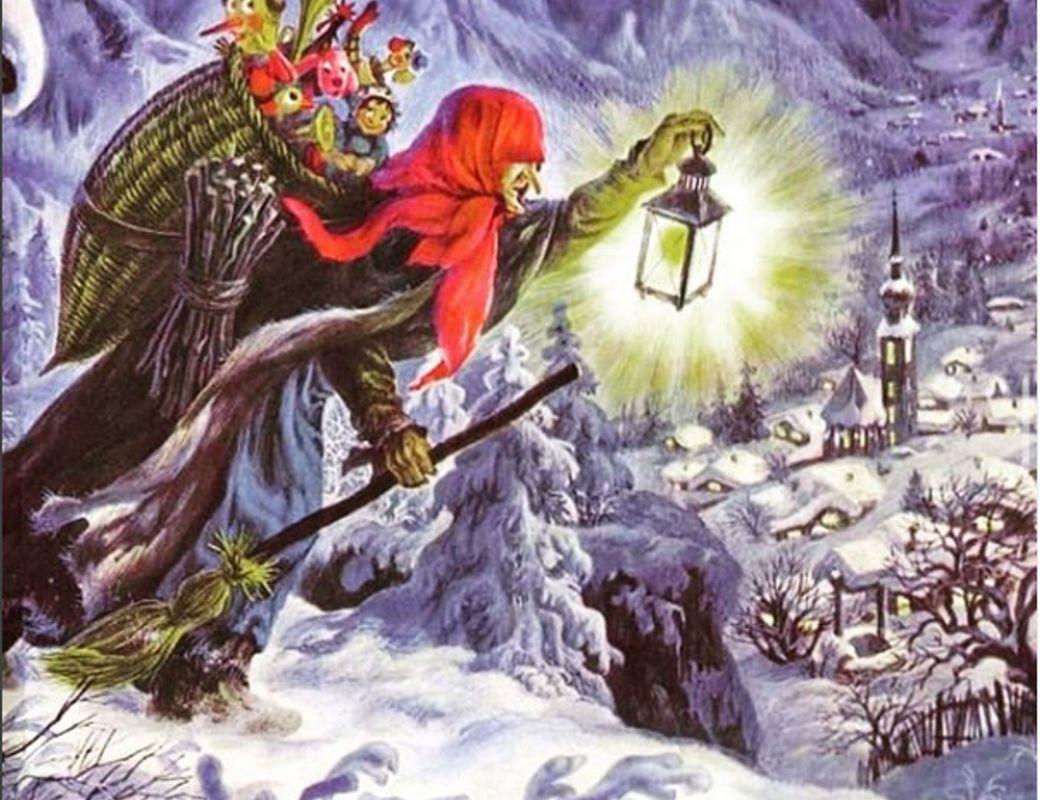
As the final echoes of Christmas fade and the air grows still with winter’s hush, an old woman stirs in the shadows of Italian rooftops. She moves quietly, her broom tucked under one arm, a sack of treats slung across her back. Children leave stockings and small shoes by the hearth, hoping to find them filled by morning. This is La Befana, and for centuries, she has been walking the night between the old year and the new. She arrives on the evening of January 5th, just before Epiphany, carrying not only sweets and trinkets but also the enduring magic of care, reflection, and tradition.
La Befana’s origins are woven from the fabric of ancient seasonal customs. Long before she was associated with Christmas or Epiphany, she belonged to the natural rhythms of the year. In a time when life revolved around harvests and the sun’s cycle, the closing of the year was a sacred moment. Fields were cleared, stores replenished, and the chill of winter settled in, inviting stillness and contemplation. Across Europe, women like her appeared as guardians of winter and time: the Celtic Cailleach, a frost-covered crone who shaped the land until spring; the Germanic Perchta, wandering long nights to reward diligence and caution idleness; and the Slavic Moroziva, frost-women who embodied both the severity and wisdom of the season. These figures were crones of threshold and transition, marking endings while gently guiding what would come next.
In Italy, this archetype endured, shaping itself to the hearth and home. La Befana became a domestic guardian, watching over the household as the year shifted. Her role bears echoes of Saturnalia, the Roman festival celebrating the end of the agricultural year. During Saturnalia, homes were cleaned, feasts prepared, and ordinary routines set aside. In this way, La Befana’s early form may have served a similar purpose: observing the passage of time, tending hearth and family, and preparing people for renewal.
With the spread of Christianity, La Befana’s story merged seamlessly into the narrative of Epiphany, the celebration of the Magi’s visit to the infant Jesus on January 6th. Folklore tells that the Three Magi stopped at her home while following the star and invited her to accompany them. She refused, perhaps distracted or uncertain, and when they left, she realized she had missed something extraordinary. Gathering what little she possessed, candies, small toys, humble gifts, she set out into the night in search of the Christ child. She never finds him. Yet each year, she continues her journey, persistent and devoted. Her story teaches that devotion is not always about success; it is about perseverance, care, and the quiet persistence of heart.
Her offerings are small but rich with meaning. Candies bring delight, tiny toys inspire imagination, and **coal, usually black, glossy sugar, **offers gentle moral instruction. The sugar coal reminds children that choices have consequences, reflection is necessary, and virtues like honesty, kindness, and responsibility are essential. Even the smallest gesture carries intention, blending reward with guidance, play with contemplation, and joy with thoughtfulness.
La Befana herself is a living symbol of experience. She is bent with age, streaked with soot from hearth fires, and moves with a careful patience born of years of labor. Her broom is a practical tool and a quiet emblem: it sweeps, clears, and prepares, shaping the space she moves through. Her magic is subtle, grounded in the everyday, rooted in nurturing and tending. She does not dazzle or command attention; she sustains, teaches, and preserves the delicate rhythm of domestic life.
Her timing is perfect. She comes after the glittering spectacle of Christmas, when homes are quieter and the old year is ready to rest. Epiphany is a day of closure: decorations are packed away, homes refreshed, and the past year acknowledged. La Befana bridges the gap between what has passed and what is to come, guiding families to reflect, tidy, and step lightly into the new year. Her presence is a gentle reminder that endings carry memory, lessons, and the promise of renewal.
In modern Italy, La Befana remains a figure of warmth and celebration. Towns and villages honor her with festivals, markets, and parades filled with the scents of freshly baked sweets, the chatter of children, and the music of communal joy. Families leave shoes or stockings for her, recalling her story and the wisdom she imparts. She is a bridge across time, linking ancient seasonal rituals, the Christian Epiphany story, and the shared pleasure of family traditions.
La Befana endures because she embodies something universal: the magic of endings, care, and quiet devotion. In a world captivated by beginnings, she teaches the value of reflection and the lessons carried through time. Each year she returns with her broom and her sack of treats, clearing away what no longer serves and leaving just enough to make the next chapter feel possible. She invites us to pause, consider what has passed, and step forward lighter, carrying the lessons of the past into the promise of the new.